How long smoothies last in the fridge depends on ingredients and storage. Generally, a fresh smoothie will stay safe and tasty for 24-48 hours when properly refrigerated immediately after blending. Dairy-based or those with fresh fruit spoil faster, while those with citrus or frozen ingredients may last closer to the full 48-hour mark. Always store in an airtight container and check for signs of separation, sour smell, or off-flavors before consuming.
You just blended the perfect, vibrant, nutrient-packed smoothie. Maybe it’s a green powerhouse with spinach, banana, and almond milk, or a decadent chocolate-peanut butter delight. You’re proud of your creation, but life happens. You get distracted, put it in the fridge, and forget about it. The next day, you open the fridge and see it sitting there. A question pops up: How long do smoothies last in the fridge anyway? Is it still good? Can you drink it, or is it a one-way ticket to a stomachache? You’re not alone. This is one of the most common questions for home blenders, and getting the answer right is crucial for both food safety and getting the most from your ingredients.
The short answer is that a properly stored smoothie will typically last 24 to 48 hours in the refrigerator. But that simple number hides a lot of nuance. The exact shelf life depends on a complex interplay of your ingredients, how you store it, and your refrigerator’s temperature. A smoothie made with fresh spinach, banana, and Greek yogurt has a very different clock ticking than one made with frozen berries, citrus juice, and water. Understanding these variables empowers you to reduce food waste, save money, and always enjoy your smoothies at their best—or confidently know when to pour one down the drain.
This guide will dive deep into the science and practicalities of smoothie storage. We’ll break down how each ingredient affects longevity, reveal the absolute best practices for container choice and fridge placement, teach you the unmistakable signs of spoilage, and even explore the superior long-term solution of freezing. By the end, you’ll be a smoothie storage expert, never again guessing about the fate of your blended beverage.
Key Takeaways
- General Rule is 24-48 Hours: For optimal freshness, flavor, and nutrient retention, consume refrigerated smoothies within one to two days.
- Ingredients Dictate Longevity: Smoothies with dairy (yogurt, milk), fresh bananas, or avocado brown and spoil fastest. Those with citrus juice, ginger, or mostly frozen fruit last longer.
- Container is Critical: Use an airtight, opaque container (like a mason jar or dedicated smoothie bottle) to minimize oxidation and light damage, which degrade nutrients and cause browning.
- Separation is Normal, Spoilage is Not: Liquid separation is common; simply shake or re-blend. Discard immediately if you see mold, smell sourness/rotten eggs, or taste a sharp, unpleasant tang.
- Chill Immediately: The “danger zone” for bacterial growth is between 40°F (4°C) and 140°F (60°C). Get your smoothie into the fridge within 2 hours of blending to maximize shelf life and safety.
- Freezing is Best for Long-Term: For storage beyond 48 hours, freezing is highly effective. Properly frozen smoothies can last 2-3 months with minimal nutrient loss.
- Trust Your Senses: When in doubt, throw it out. Your eyes, nose, and taste buds are the final arbiters of a smoothie’s safety.
📑 Table of Contents
- The Science of Spoilage: What Actually Happens to Your Smoothie?
- Ingredient Breakdown: The 48-Hour Clock by Component
- The Golden Rules of Storage: Container, Temperature, and Technique
- How to Tell If Your Smoothie Has Gone Bad: The Sensory Checklist
- Best Practices for Maximizing Freshness and Nutrient Retention
- Freezing: The Ultimate Solution for Long-Term Storage
- Conclusion: Enjoy Your Smoothies with Confidence
The Science of Spoilage: What Actually Happens to Your Smoothie?
To understand how long smoothies last in the fridge, we need to look at the three primary enemies of your blended drink: microbial growth, enzymatic activity, and oxidation. Your refrigerator slows these processes down dramatically but doesn’t stop them entirely.
Microbial Growth: The Bacteria and Mold Factor
This is the food safety concern. Bacteria and mold are everywhere—in the air, on your fruit, on your blender blades. When you blend, you create a perfect, moist, nutrient-rich environment for these microorganisms to thrive. Refrigeration (below 40°F or 4°C) slows their multiplication to a crawl, but some psychrotrophic bacteria (like certain strains of Listeria) can still grow slowly at fridge temperatures. The risk increases the longer the smoothie sits and the more perishable the ingredients (dairy, fresh-cut fruit). The 48-hour rule is a safe guideline that keeps microbial growth well below levels that would cause illness for most healthy adults.
Enzymatic Browning and Breakdown
Even if no harmful bacteria are present, your smoothie’s quality degrades. Fruits and vegetables contain natural enzymes. When you chop or blend them, you rupture their cells, releasing these enzymes. They immediately begin breaking down pigments (causing browning, like in an apple or avocado), fibers (making the texture slimy or grainy), and some nutrients (like vitamin C). Refrigeration slows this enzymatic activity but doesn’t halt it. This is why a bright green spinach smoothie can turn a drab, army green within a day.
Oxidation: The Silent Nutrient Thief
Exposure to oxygen is a smoothie’s worst enemy for nutrient retention and flavor. Oxygen reacts with sensitive compounds like polyphenols and fats, degrading vitamins (especially A, C, and E) and creating off-flavors often described as “cardboardy” or “stale.” The air-liquid interface in your container is where this happens most rapidly. This is why an airtight seal is non-negotiable for extending your smoothie’s life.
Ingredient Breakdown: The 48-Hour Clock by Component
Not all smoothie ingredients are created equal in the fridge. Here’s a breakdown of common components and how they influence the overall shelf life.
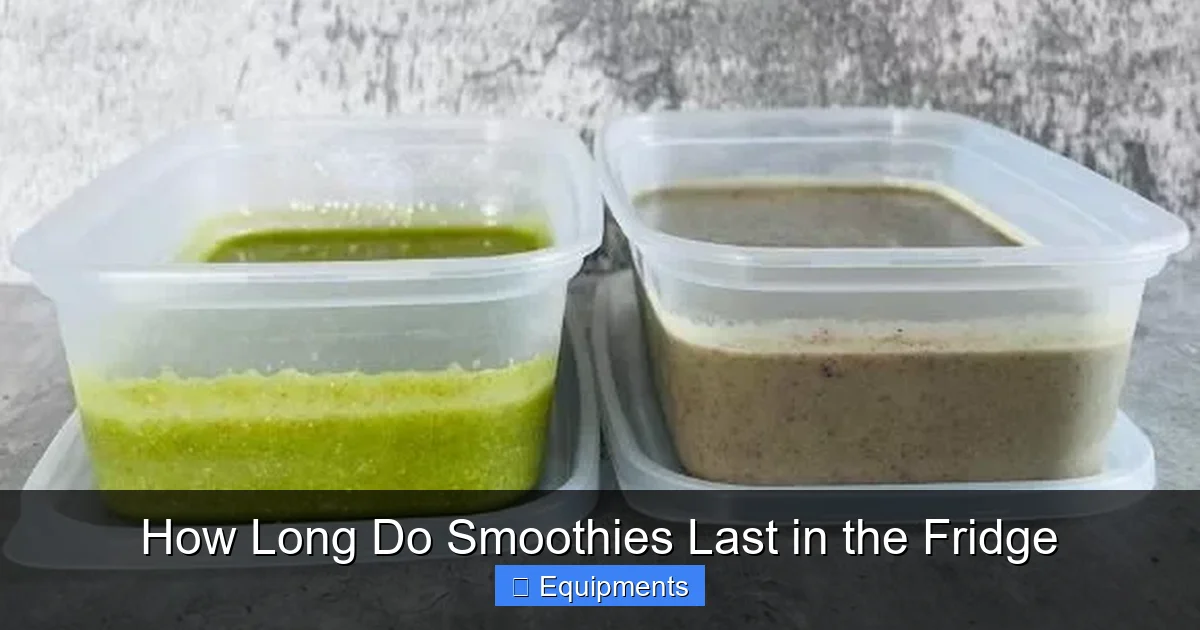
Visual guide about How Long Do Smoothies Last in the Fridge
Image source: smoothiesncookies.com
The Fastest Spoilers: High-Risk Ingredients
- Dairy (Milk, Yogurt, Kefir): These are the most perishable components. Once opened, pasteurized dairy has a limited shelf life and introduces a high bacterial load. A smoothie with a significant dairy base is safest consumed within 12-24 hours. The sour smell of spoiled milk is unmistakable.
- Fresh Banana & Avocado: These fruits are enzymatic browning champions. They also contain compounds that can ferment. A smoothie with banana or avocado will turn brown, develop a fermented/alcoholic smell, and have a slimy texture by the 24-hour mark. Adding lemon juice can slow this slightly.
- Fresh Leafy Greens (Spinach, Kale): While not a microbial risk immediately, they wilt, release water, and their vibrant green chlorophyll degrades quickly into pheophytin (a dull, olive-brown compound). They also can harbor bacteria from the soil if not washed well. Expect significant color and texture loss after 24 hours.
The Middle Ground: Moderate Stability
- Fresh Berries (Strawberries, Raspberries): Soft berries are delicate and mold-prone. Blending them releases their juices and spores. They will start to lose their fresh aroma and develop a fermented note after 24-36 hours.
- Stone Fruits (Peaches, Mango, Cherries): The flesh is susceptible to enzymatic breakdown and fermentation. Pitted and blended, they hold up slightly better than berries but will become mushy and less flavorful after a day.
- Nut Butters & Seeds: These are relatively stable. However, in a moist, blended environment, they can eventually go rancid due to their oil content, but this usually takes much longer than 48 hours. Their main impact is on texture, as they can cause separation.
The Champions: Longevity-Boosting Ingredients
- Frozen Fruit: This is your best friend for shelf life. The fruit was flash-frozen at peak ripeness, has lower initial microbial load, and the cold temperature helps keep the entire smoothie chilled. A smoothie primarily made with frozen berries or mango can often look and taste acceptable at the 48-hour mark.
- Citrus Juice (Lemon, Lime, Orange): The high acidity (low pH) creates an inhospitable environment for many bacteria. A generous squeeze of citrus is a natural preservative and antioxidant, helping to delay browning and spoilage. It can add a full day to a smoothie’s viable life.
- Ginger & Turmeric: These have natural antimicrobial and anti-inflammatory properties. While not a preservative in a strict sense, they can help inhibit bacterial growth and add a flavor that masks subtle off-notes.
- Water or Coconut Water Base: A water-based smoothie (no dairy) has fewer nutrients that bacteria love and will generally outlast a creamy one.
The Golden Rules of Storage: Container, Temperature, and Technique
You could have the most stable ingredient list in the world, but poor storage will ruin your smoothie in hours. Let’s cover the non-negotiable practices for maximizing that 24-48 window.
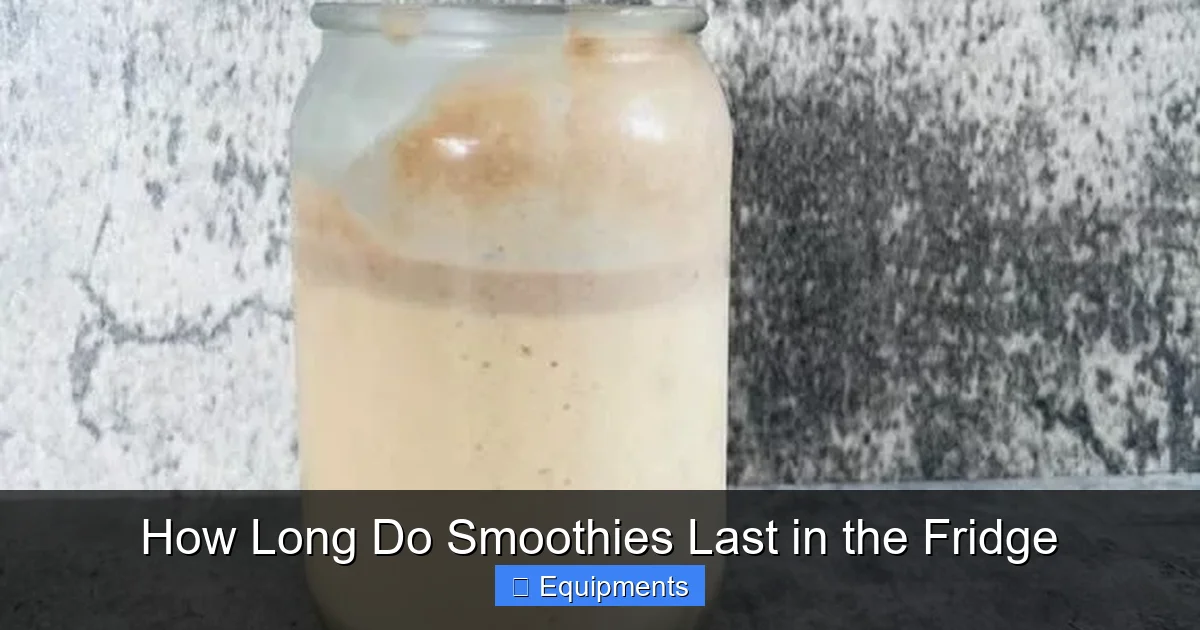
Visual guide about How Long Do Smoothies Last in the Fridge
Image source: smoothiesncookies.com
Container Choice: Air is the Enemy
This is the single most important factor you control. The goal is to eliminate headspace (the air at the top of the container). Oxygen is the catalyst for oxidation and browning.
- Best: Small-mouth mason jars or vacuum-seal containers. Fill them to the very top, screw the lid on tightly. If there’s a tiny bit of space, press a piece of parchment paper directly onto the surface of the smoothie before sealing to push out air.
- Great: Dedicated smoothie bottles with airtight, leak-proof seals. Fill them completely.
- Okay: Standard plastic or glass containers with lids. Again, minimize air space.
- Worst: Leaving it in the blender pitcher. The large opening and wide surface area bathe your smoothie in oxygen. It will brown and degrade rapidly.
Opacity matters too. Light can degrade nutrients like vitamins A and C. If your container is clear, store it in the back of the fridge, not on the door shelf where light and temperature fluctuations occur.
Temperature: The 2-Hour Rule
Per USDA food safety guidelines, perishable food should not be left in the “danger zone” (40°F – 140°F) for more than 2 hours. Blending generates a bit of heat from the motor friction, and your ingredients are at room temperature. The moment your smoothie is poured, the clock starts. Get it into the refrigerator as quickly as possible. A pre-chilled container can help. Ensure your fridge is actually at or below 40°F (4°C). Use a fridge thermometer.
Technique: The Prep Matters
How you make it affects how long it lasts. Always use clean equipment. If you’re meal-prepping smoothie packs (pre-portioned ingredients in freezer bags), you are already ahead—you’re blending a fresh, cold smoothie with minimal exposure. If storing a batch, give it a good blend or vigorous shake before drinking, as separation is natural. For an extra layer of protection against browning in green smoothies, add the liquid component (water, milk) and the lemon/lime juice to the blender first, *then* add the greens and fruit. This coats the greens in acid immediately.
How to Tell If Your Smoothie Has Gone Bad: The Sensory Checklist
When you pull that jar from the fridge, don’t just guess. Perform a quick, three-step check. If you answer “yes” to any of these, discard the smoothie.
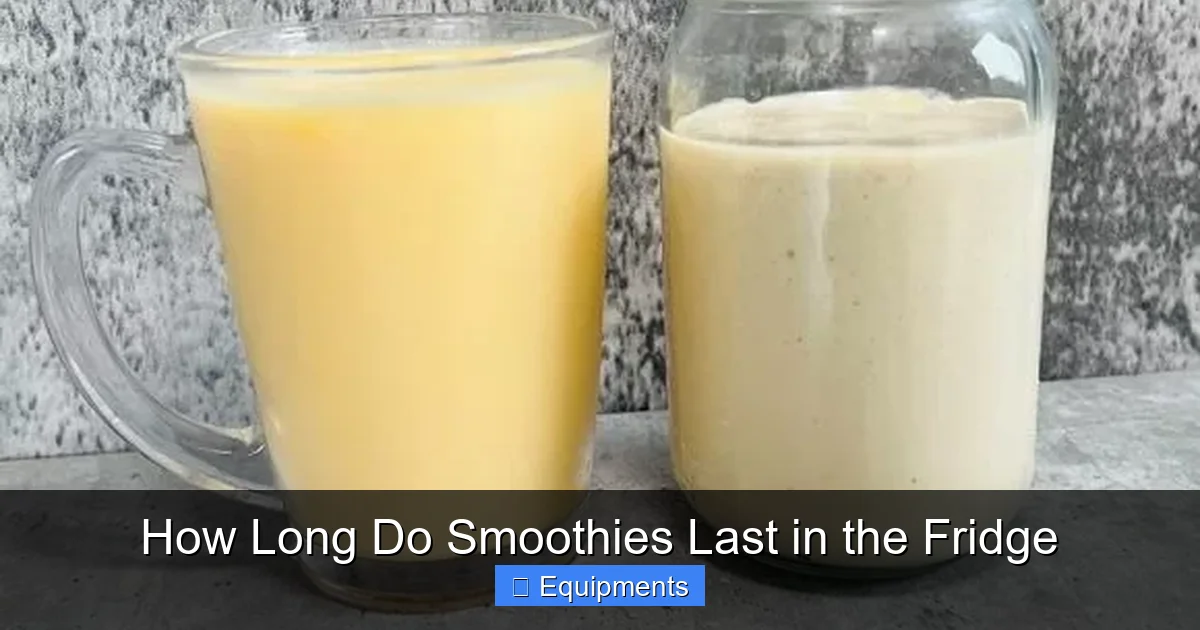
Visual guide about How Long Do Smoothies Last in the Fridge
Image source: smoothiesncookies.com
1. The Visual Inspection
- Color: Has it turned significantly brown, black, or gray? A little separation (yellow liquid on top of a green pulp) is normal and fixable by shaking. Uniform, dull discoloration is a bad sign.
- Mold: Look for any fuzzy spots—white, green, or black. This is an absolute, immediate disqualifier. Mold roots can penetrate the entire mixture.
- Excessive Separation: If the liquid and solids have separated into distinct layers with a clear liquid on top that doesn’t re-emulsify easily, it may be a sign of breakdown.
2. The Sniff Test
Give it a cautious sniff. A fresh smoothie should smell like its ingredients—fruity, green, nutty. Be alert for:
- Sour, vinegary smell. Indicates lactic acid bacteria fermentation.
- Rotten, yeasty, or “beer-like” smell. Signs of wild yeast or alcohol fermentation.
- Rancid, “paint” or “old oil” smell. Fats from nuts, seeds, or avocado have oxidized and gone bad.
- Any general “off” or unpleasant odor. Trust your nose; it’s a powerful detector.
3. The Taste Test (Use Caution!)
If it looks and smells okay, take a tiny sip. Your taste buds will confirm. Does it taste sharp, sour, or fizzy (carbonated)? Does the flavor taste dull, flat, or “old”? A slight loss of brightness is normal after 48 hours. A distinctly unpleasant, sour, or fermented taste means spit it out and rinse your mouth. Do not swallow.
Best Practices for Maximizing Freshness and Nutrient Retention
Beyond the basic rules, these pro tips will help you get the absolute most out of your smoothies.
Acid is Your Friend (But Not Too Much)
As mentioned, lemon or lime juice is a powerful tool. The ascorbic acid (vitamin C) acts as an antioxidant, slowing enzymatic browning and oxidation. A tablespoon per smoothie is a great rule of thumb. Be careful not to add so much that it becomes unpalatable. Orange juice provides acid but also adds a lot of natural sugar.
Layer Your Ingredients in the Container
If you are storing a blended smoothie, you can’t layer. But if you are prepping ingredients for future blending (a fantastic strategy), layer strategically in your freezer bags: liquids (pre-measured juice/water) on the bottom, then soft fruits, then hard fruits, then greens on top. This minimizes freezer burn and makes blending easier.
The “Frosty” Method for Immediate Consumption
If you plan to drink your smoothie within a few hours, pouring it into a chilled thermos or frosty stainless steel bottle can keep it cold and fresh-tasting without even needing the fridge. This is perfect for taking to the gym or office.
Consider Your Blender
High-speed blenders (like Vitamix, Blendtec) pulverize ingredients more completely, creating a smoother, more homogeneous mixture. This can actually be a double-edged sword: it exposes more surface area to oxygen, potentially speeding up degradation. A slightly chunkier smoothie (from a less powerful blender) might show separation more visibly but the larger particles might degrade slightly slower. The difference is marginal, but worth noting for perfectionists.
Freezing: The Ultimate Solution for Long-Term Storage
If you want to make smoothie prep truly efficient and waste-free, freezing is the answer. Properly frozen smoothies can retain excellent flavor and a high percentage of their nutrients for 2-3 months.
How to Freeze Smoothies Correctly
There are two primary methods:
- Freeze in Pourable Portions: Blend your smoothie as usual. Pour it into ice cube trays or the compartments of a silicone muffin tin. Once frozen solid (6-8 hours), pop out the cubes and store them in a heavy-duty freezer bag. To use, blend 4-6 cubes with a splash of fresh liquid (water, milk, juice) in the morning. This method is ideal for single servings and prevents freezer burn.
- Freeze in Full Servings: Fill freezer-safe jars or bottles, leaving about ½ inch of headspace for liquid expansion. Seal tightly. To thaw, move to the fridge the night before (best for texture) or run the sealed jar under warm water for a minute and then shake vigorously.
What to Expect After Thawing
Frozen smoothies will separate. The water content expands and breaks the emulsion. Always thaw in the fridge and give it a very vigorous shake, blend, or stir before drinking. The texture may be slightly less creamy (especially if dairy was used), and some ingredients like fresh herbs may lose their vibrant color, but the flavor and nutrient profile will still be excellent. Ingredients like citrus, ginger, and most frozen berries freeze exceptionally well.
Conclusion: Enjoy Your Smoothies with Confidence
So, how long do smoothies last in the fridge? The definitive, safe answer for the vast majority of smoothie combinations is 24 to 48 hours, with the 24-hour mark being the peak for flavor, texture, and maximum nutrient retention, especially for those containing dairy, fresh banana, or avocado. Your 48-hour smoothie is still perfectly safe to drink if stored correctly in an airtight container in a cold fridge, but it may look less vibrant and taste slightly less bright.
The power is in your hands. By understanding the role of your ingredients, committing to airtight storage, chilling immediately, and performing a quick sensory check, you can confidently enjoy your healthy creations without fear. You can drastically reduce food waste and make your smoothie habit more sustainable and economical. And when you know you won’t finish a batch in time, remember the freezer—your best friend for long-term, ready-to-blend convenience. Now, go blend with abandon, store with wisdom, and sip with joy.
Frequently Asked Questions
Can I leave my smoothie out overnight?
No. Per USDA guidelines, perishable foods like smoothies should not be left at room temperature for more than 2 hours. Leaving it out overnight (8+ hours) allows dangerous bacteria to multiply to unsafe levels, making it a significant food poisoning risk. Always refrigerate promptly.
Why does my green smoothie turn brown so fast?
This is enzymatic browning. When you blend spinach or kale, you rupture their cells, releasing enzymes and chlorophyll. Exposure to oxygen causes the green chlorophyll to degrade into dull, brown pheophytin. Adding an acid like lemon juice before blending and storing in an airtight container can slow this process significantly.
Is it safe to drink a separated smoothie?
Yes, separation (liquid rising to the top) is a natural physical process and is not a sign of spoilage. Simply shake the container vigorously, re-blend it, or stir it well before drinking. Spoilage is indicated by foul smells, mold, or a sour, fermented taste—not just separation.
How can I make my smoothies last longer in the fridge?
Use an acidic base (add lemon/lime juice), store in a completely full, airtight, opaque container in the coldest part of the fridge (not the door), and prioritize recipes with frozen fruit and citrus over fresh banana and dairy. Consuming it within 24 hours is the best way to guarantee peak freshness.
What’s the best container for storing smoothies?
The best container is one that is airtight and minimizes headspace. Small-mouth mason jars are excellent because you can fill them to the brim, pushing out almost all air. Dedicated smoothie bottles with tight seals are also great. Avoid large, wide-opening containers like blender pitchers.
Does freezing a smoothie destroy all the nutrients?
No, freezing is one of the best methods for long-term preservation of nutrients. While there can be minimal loss of some water-soluble vitamins (like vitamin C) over very long periods, the majority of vitamins, minerals, and antioxidants are well-preserved in a properly frozen smoothie for 2-3 months. Blanching vegetables before freezing helps more, but for fruit-based smoothies, direct freezing is highly effective.
Pingback: How Long Are Boiled Eggs Good in Fridge - kitchenandhouseware.com