How Does A Pressure Cooker Explode is an essential topic that provides valuable insights and practical knowledge for anyone interested in learning more about this subject.
Key Takeaways
- Understanding How Does A Pressure Cooker Explode: Provides essential knowledge for making informed decisions
- Practical applications: Can be applied in various real-world scenarios
- Key benefits: Offers significant advantages when properly implemented
- Important considerations: Requires attention to specific details and best practices
- Future implications: Continues to evolve and impact related fields
📑 Table of Contents
- The Day My Kitchen Became a War Zone (And What I Learned)
- The Science of Steam: Pressure Cookers 101
- The “Explosion” Breakdown: How Things Go Wrong
- Old vs. New: A Tale of Two Pressure Cookers
- Your Safety Toolkit: Prevention is 99% of the Battle
- Debunking Myths and Addressing Fears
- When Things Go Wrong: Emergency Steps
- The Final Whistle: Respect, Not Fear
The Day My Kitchen Became a War Zone (And What I Learned)
I’ll never forget the sound. It wasn’t a loud bang, but a deep, metallic THWUMP that vibrated through the floorboards, followed by a hiss so loud it drowned out the TV. I ran into the kitchen to find my trusted old pressure cooker, the one my mom gave me, sitting sideways on the stove. Its lid had popped off, and a plume of scalding steam and what looked like pea soup was painting the ceiling, walls, and my favorite apron. No one was hurt, thankfully, but the mess was epic, and the shock was profound. That moment of sheer panic—the “what just happened?”—is what drives this deep dive. We’re going to demystify exactly how does a pressure cooker explode, not to scare you, but to empower you. Because when you understand the physics and the failure points, you turn a potential hazard into one of the safest, most efficient tools in your kitchen.
The Science of Steam: Pressure Cookers 101
Before we talk about explosions, we need a quick, painless lesson in how these marvels are supposed to work. At its heart, a pressure cooker is a sealed pot that traps steam. Think of it like this: when you heat water inside the sealed vessel, it turns to steam. That steam has nowhere to go, so pressure builds up inside. According to the ideal gas law (PV=nRT), as temperature (T) increases, pressure (P) increases if volume (V) is constant. This elevated pressure raises the boiling point of water from 212°F (100°C) to around 250°F (121°C). That higher temperature cooks food dramatically faster.
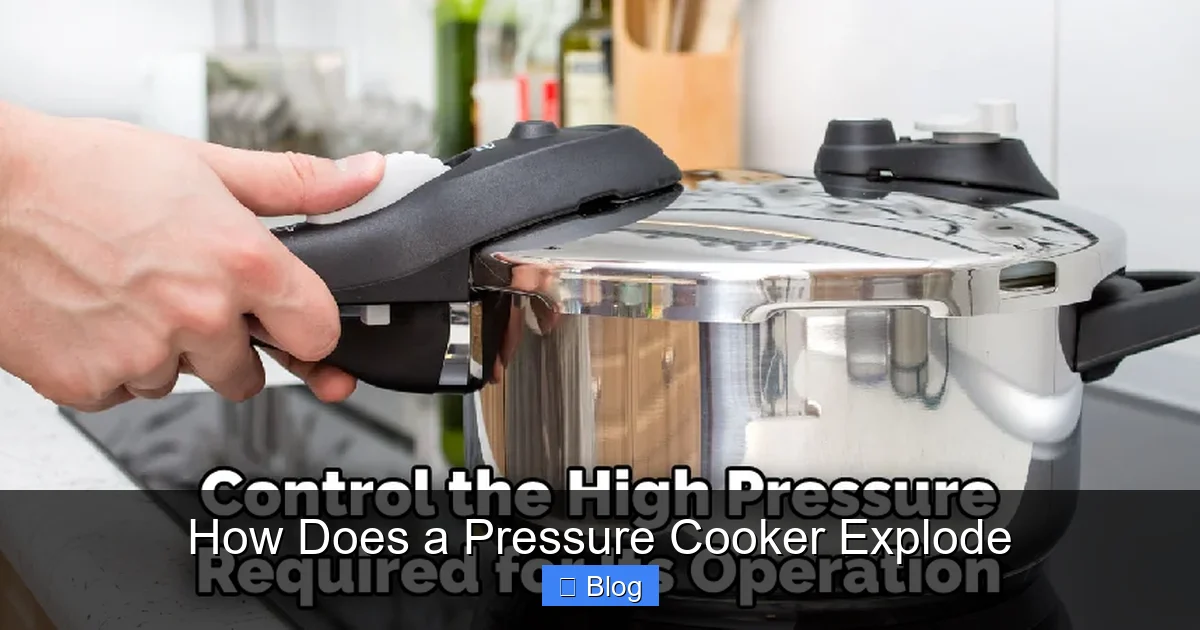
Visual guide about How Does a Pressure Cooker Explode
Image source: thekitchenix.com
The Key Safety Valve: Your Pressure Cooker’s Safety Net
Every modern pressure cooker has a primary pressure release mechanism, usually a weighted regulator or a spring-valve pop-up. This is the “brain” of the operation. It’s designed to rock, jiggle, or hiss gently to maintain a specific pressure (often 15 psi for most recipes). More importantly, it’s the first line of defense. If internal pressure gets too high, this valve is designed to lift and release excess steam, preventing dangerous over-pressurization.
The “Explosion” Breakdown: How Things Go Wrong
So, if there are safety valves, how does a pressure cooker explode? The term “explode” is often dramatic; it’s usually a catastrophic failure of the pressure containment system leading to a violent, uncontrolled release of superheated steam and contents. This isn’t a bomb, but it’s a serious safety incident. Here are the primary pathways to failure.
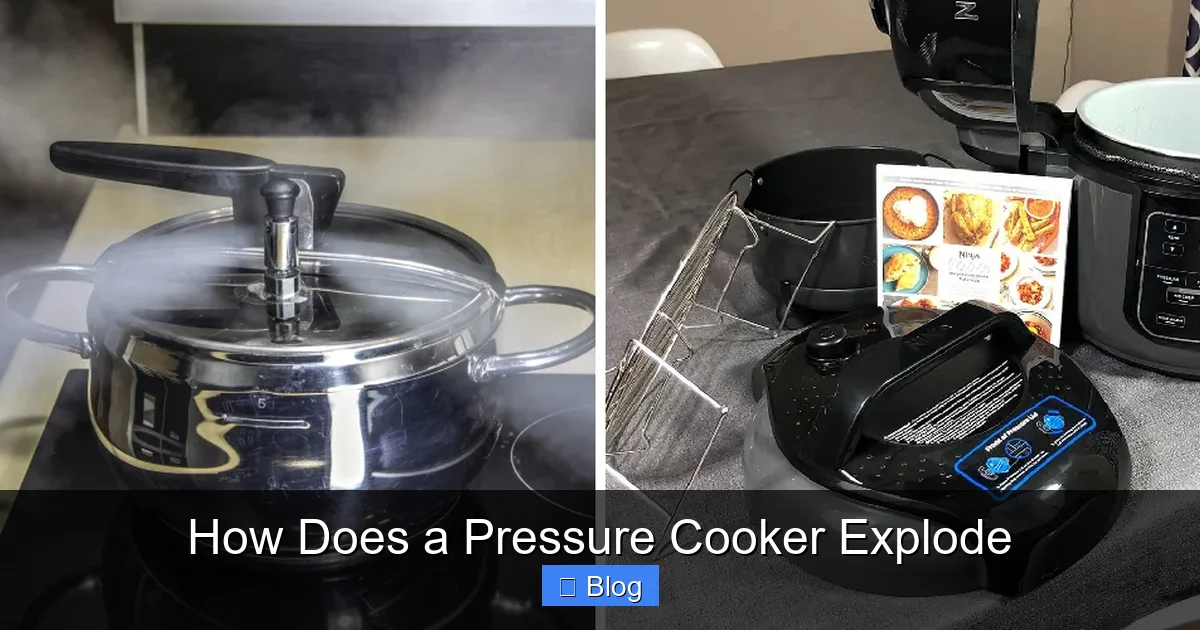
Visual guide about How Does a Pressure Cooker Explode
Image source: thekitchenix.com
1. Blocked Vent Paths: The Silent Killer
This is the most common cause of modern pressure cooker incidents. The safety valve works perfectly, but if its vent pathway is obstructed, it can’t do its job. How does it get blocked?
- Food Debris: Thick sauces, starchy liquids (like bean water), or finely ground spices can foam and spew up into the valve, creating a clog. I learned this the hard way with split pea soup—a classic offender.
- Improper Filling: Overfilling the pot, especially with liquids that foam, gives the steam no clean path to the valve. The foam itself can block the vent.
- Neglected Maintenance: Old, hardened food gunk in the valve opening or the vent hole on the lid is a recipe for disaster. A quick clean after each use is non-negotiable.
Real Example: A user makes chili con carne with a lot of beans. The starchy liquid foams excessively, travels up the vent pipe, and hardens inside the pressure release valve housing. Under pressure, the valve can’t budge. Pressure builds until the weakest point gives—often the gasket seal or, in extreme cases, the lid itself.
2. Gasket Failure: The Weakened Seal
The rubber or silicone gasket (sealing ring) is the crucial barrier that creates the airtight seal. If this seal fails, pressure can’t build properly, but paradoxically, it can also lead to a dangerous situation. A worn, cracked, or improperly seated gasket can allow steam to escape gradually. The cooker then works harder to reach pressure, potentially overheating. More critically, if the gasket fails completely under full pressure, the lid can be violently blown off by the escaping steam—a directed explosion.
3. Manufacturing Defects & Material Fatigue
While rare with reputable brands, defects happen. A flaw in the metal casting, a weak spot in the lid from a previous impact, or a faulty safety valve spring can all lead to failure under pressure. Older pressure cookers (like my mom’s) are particularly susceptible to metal fatigue from years of heating and cooling cycles, which can weaken the structural integrity of the pot or lid.
Old vs. New: A Tale of Two Pressure Cookers
Understanding the generational shift is key to understanding risk. The “exploding pressure cooker” horror stories you hear about are overwhelmingly from the pre-1970s era.
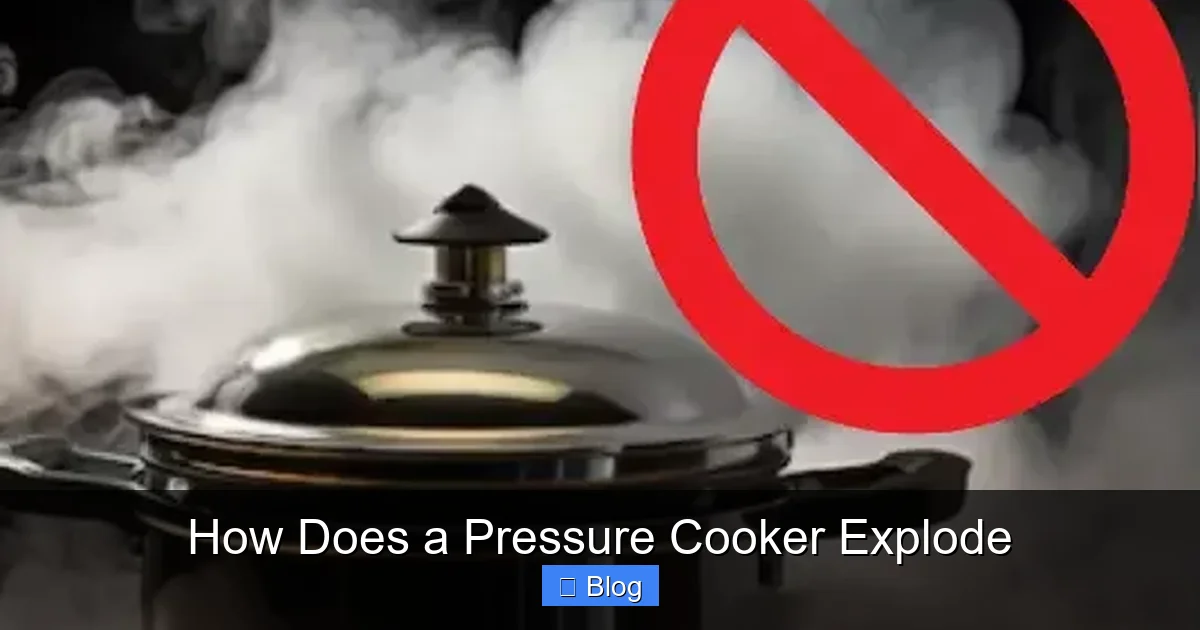
Visual guide about How Does a Pressure Cooker Explode
Image source: hg-cooker.com
| Feature | Pre-1970s “First Generation” | Modern “Third Generation” (Electric & Advanced Stovetop) |
|---|---|---|
| Primary Safety Mechanism | A single, simple weight on a vent pipe. No backup. | Multiple, redundant systems. Primary valve + backup mechanical fuse + electronic sensors (in electric models). |
| Failure Mode | If the weight was jostled off or the vent clogged, pressure had no release. Catastrophic failure was common. | If primary valve fails, a secondary metal plug (fuse) melts at a higher pressure. Electric models auto-shutoff. |
| Build Quality | Thinner aluminum, simpler construction. Prone to warping and fatigue. | Stainless steel, thicker walls, precision engineering. Designed for decades of use. |
| User Interface | No pressure indicator. User guessed by the hiss/jiggle. | Clear visual pressure indicators, locking lid mechanisms that prevent opening under pressure. |
Note: If you own a vintage pressure cooker, have it inspected by a professional before ever using it. Consider it a decorative item.
Your Safety Toolkit: Prevention is 99% of the Battle
Knowing how a pressure cooker explodes is useless without knowing how to prevent it. This is the most important section. Treat these tips as gospel.
The Golden Rules of Pressure Cooking
- Never, Ever Force It: If the lid won’t come off after cooking, do not pry it. Pressure is still inside. Let it cool completely naturally. This is the #1 user error leading to injury.
- Inspect Religiously: Before every single use, check the gasket for cracks or tears. Check the vent pipe and valve for obstructions. Give the pot and lid a once-over for dents.
- Mind the Fill Line: Never exceed the “MAX” fill line, usually 2/3 full for solids and 1/2 full for liquids/foaming foods. When in doubt, fill less.
- Liquid is Non-Negotiable: Always have the minimum required liquid (check your manual!). The steam comes from boiling liquid. No liquid, no pressure, and a high risk of burning the pot dry.
- Deglaze and De-foam: After sautéing, deglaze the pan with a bit of liquid to loosen stuck bits. For foamy foods (beans, rice, pasta), add a tablespoon of oil to the liquid to suppress foam. You can also use a splatter guard (not the lid!) on top of the vent to catch foam while allowing steam to escape.
The 10-Minute Post-Cook Ritual
Once your food is cooked, the danger isn’t over. The pressure needs to dissipate safely.
- Natural Release (Safest): Simply turn off the heat and let the cooker sit, undisturbed. The pressure will slowly drop on its own. This is best for delicate foods and maximizes safety.
- Quick Release (Use Caution): Carefully move the valve to the “venting” position using a long utensil or oven mitt. Keep your face and hands away from the steam jet. This is for foods that can overcook.
- Cold Water Release (Last Resort): Only for stovetop models. Carry the entire pot (with lid on) to the sink and run cold water over the lid and valve area. Never submerge the entire pot or the valve housing. This forces a rapid pressure drop.
Debunking Myths and Addressing Fears
Let’s separate fact from fiction. You shouldn’t live in fear of your pressure cooker, but you should respect it.
Myth: “They blow up all the time!”
Fact: Modern pressure cookers are incredibly safe. The number of serious injuries is extremely low compared to other kitchen appliances like deep fryers or even knives. Most “explosions” are minor seal failures or user errors during the forced-opening phase, not catastrophic ruptures.
Myth: “You have to stand guard and jiggle the weight.”
Fact: This is for first-gen cookers. Modern stovetop models with spring-valve regulators maintain pressure automatically. Once it reaches pressure, you can reduce the heat to a steady simmer and walk away (but stay in the house!). Electric models require zero monitoring.
The Real Fear: Steam and Hot Liquid
The primary danger isn’t a shrapnel bomb. It’s the 200+ degree steam and boiling-hot food being ejected at high speed. This causes severe scalding burns in seconds. The “explosion” is a directed jet of this superheated content. This is why the prevention tips about not forcing lids and using proper release methods are so critical.
When Things Go Wrong: Emergency Steps
Even with perfect precautions, understanding emergency response is vital.
- If the Safety Valve Starts Hissing Violently: This is a sign of over-pressurization. Immediately turn off the heat source. Move the pot to a cool burner if safe to do so. Do not touch the pot or lid. Let it depressurize naturally.
- If You Suspect a Clog: If the pressure isn’t building or the valve isn’t moving, turn off the heat. Let it cool completely (several hours). Then, carefully inspect and clean the valve assembly. Do not try to unclog it under pressure.
- In Case of a “Blow-Off”: If the lid or gasket fails, turn off the heat source immediately if safe. Evacuate the area of others. Do not touch the hot pot or spilled contents. Let everything cool completely before cleanup. Seek medical attention for any burns.
- After Any Incident: Even if it seems minor, inspect the cooker thoroughly. The gasket is likely ruined. Check the lid, pot, and especially the valve mechanism for damage. When in doubt, take it to a professional repair service or retire the unit. Your safety is worth more than the cost of a new cooker.
The Final Whistle: Respect, Not Fear
My kitchen incident was a wake-up call, but it didn’t make me abandon my pressure cooker. It made me a diligent student of its operation. The question how does a pressure cooker explode leads us to a simple, powerful answer: it explodes when its safety systems are bypassed, blocked, or broken. Modern pressure cookers are engineered with multiple, fail-safe redundancies precisely to prevent this. The vast majority of “explosions” are traceable to user error: poor maintenance, overfilling, forcing the lid, or using a damaged appliance.
Your takeaway should be confidence, not anxiety. By performing a quick pre-use inspection, respecting the maximum fill lines, keeping vents clean, and never forcing a sealed lid, you harness the incredible benefits of pressure cooking—tender meats in minutes, deeply flavored stews, perfectly cooked beans—with an incredibly high degree of safety. Treat your pressure cooker with the respect its contained energy demands, and it will be a loyal, efficient, and safe partner in your kitchen for years to come. Now, if you’ll excuse me, I have some perfectly cooked, non-explosive rice to go make.
Frequently Asked Questions
What is How Does A Pressure Cooker Explode?
How Does A Pressure Cooker Explode is an important topic with many practical applications and benefits.
How can How Does A Pressure Cooker Explode help me?
Understanding How Does A Pressure Cooker Explode can improve your knowledge and provide practical solutions.
Pingback: Does Canned Chicken Broth Go Bad - kitchenandhouseware.com