Unlock the secrets of your juicer! This guide breaks down exactly how different juicers—from fast centrifugal to slow masticating models—extract juice. You’ll discover the core mechanics, 2026’s smart features, and pro tips to maximize yield, minimize waste, and choose the perfect machine for your kitchen. Master the art of juicing with our simple, actionable advice.
Ever wondered what’s really happening inside that sleek appliance on your countertop? You drop in a carrot, an apple, a handful of kale, press a button, and moments later, a stream of vibrant liquid flows out. The magic of how a juicer works is a fascinating blend of simple physics and clever engineering. Whether you’re a newbie curious about your first purchase or a seasoned juicer looking to optimize your 2026 setup, understanding the core mechanics is the first step to mastering your craft. This guide will peel back the layers—literally and figuratively—to show you exactly how these machines transform solid produce into liquid gold, and arm you with the tips to do it like a pro.
Key Takeaways
- Juicer type dictates function: Centrifugal, masticating, triturating, and hydraulic press juicers use fundamentally different force methods to separate juice from pulp.
- Speed vs. quality trade-off: High-RPM centrifugal juicers are fast but generate heat, while low-RPM masticating models operate slowly to preserve nutrients and handle leafy greens.
- Prep work is non-negotiable: Proper washing, chopping, and sometimes peeling of produce significantly impacts juice yield, flavor, and machine longevity.
- Maintenance equals performance: Immediate and thorough cleaning after each use prevents clogs, odors, and bacterial growth, ensuring your juicer works perfectly for years.
- Pulp is a feature, not waste: The leftover pulp is nutrient-dense and can be creatively reused in soups, baking, or compost, adding value to your juicing routine.
- Match the machine to your goals: Your juicing frequency, preferred ingredients (hard veggies vs. soft fruits vs. leafy greens), and budget are the key factors in selecting the right juicer.
📑 Table of Contents
- The Evolution of Juicing Technology: From Manual Press to 2026’s Smart Machines
- Core Mechanics: How Different Juicers Extract Juice
- Choosing the Right Juicer for Your Kitchen in 2026
- Pro Tips for Optimal Juicing in 2026
- Troubleshooting Common Issues: Quick Fixes for Smooth Juicing
- The Future of Juicing: 2026 Trends and Beyond
- Conclusion: Your Journey to Juicing Mastery
The Evolution of Juicing Technology: From Manual Press to 2026’s Smart Machines
The concept of extracting juice is ancient, dating back to manual screw presses and stone mills. The real revolution began in the 20th century with the advent of electric centrifugal juicers, which brought speed and convenience to the masses. Fast forward to today, and we’re in an era of unprecedented innovation. The question of how does a juicer work in 2026 isn’t just about spinning blades; it’s about efficiency, nutrient preservation, and smart integration.
From Manual Presses to Smart Appliances
Early juicers relied purely on mechanical pressure—think of a citrus reamer or a traditional wine press. These methods are slow but incredibly gentle, yielding high-quality juice with minimal oxidation. The electric age introduced centrifugal force, prioritizing speed for busy households. The latest leap is the masticating (slow) juicer, which mimics the action of chewing, using an auger to crush and press produce at low speeds. This method generates less heat and friction, a critical factor for preserving delicate enzymes and vitamins.
What’s New in 2026?
Today’s top-tier juicers are no longer dumb appliances. We’re seeing sophisticated brushless DC motors that are quieter, more powerful, and more energy-efficient. Many models now feature smart connectivity via apps that track usage, suggest recipes based on what’s in your fridge, and even remind you when it’s time for a deep clean. Material science has advanced, with ultra-durable, BPA-free polymers and stainless steel components that resist corrosion from acidic fruits. For 2026, the trend is clear: juicers are becoming more specialized, quieter, and seamlessly integrated into the modern, health-conscious kitchen.
Core Mechanics: How Different Juicers Extract Juice
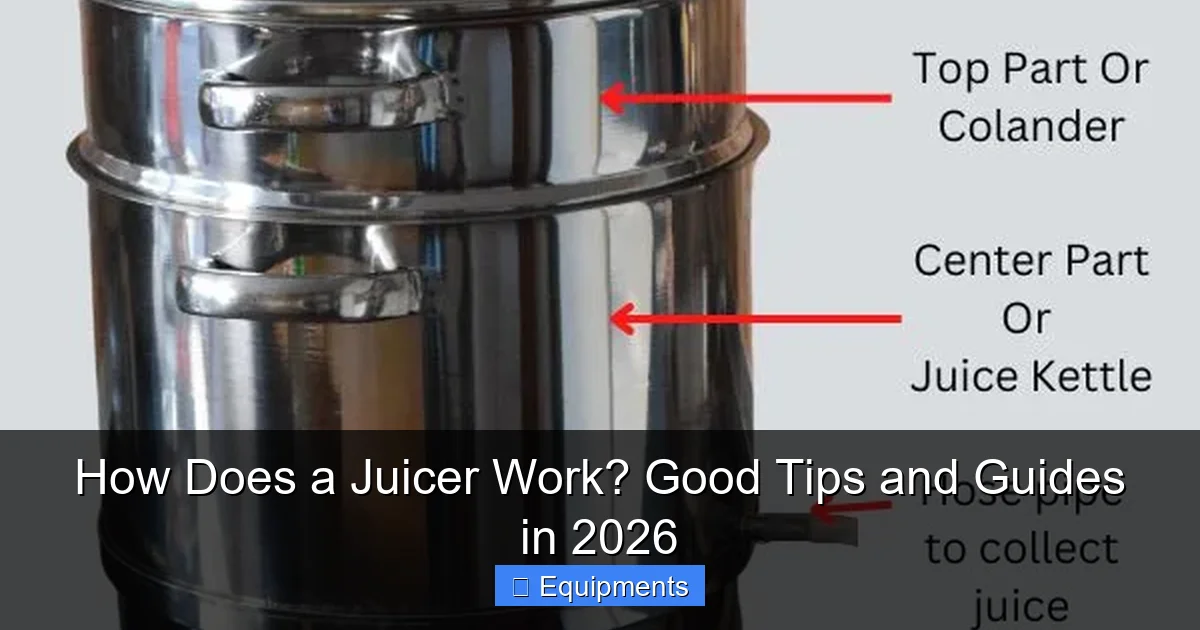
Not all juicers are created equal. The fundamental difference lies in their extraction method. Understanding these mechanisms is crucial to answering how does a juicer work for your specific needs. Here’s a breakdown of the four primary types you’ll encounter.
Visual guide about How Does a Juicer Work? Good Tips and Guides in 2026
Image source: juicerdiary.com
Centrifugal Force: The Speed Demon
This is the classic, high-speed juicer most people picture. Here’s the step-by-step:
- Feeding: Produce is pushed down a feed chute onto a rapidly spinning shredder disc (a basket with fine grated teeth).
- Shredding: The disc spins at 10,000-15,000 RPM, grating the produce into a pulp.
- Centrifugal Force: The spinning basket throws the shredded pulp against its perforated stainless steel wall. The force pushes the juice through the tiny holes into a collection cup, while the drier pulp is ejected out the side into a separate pulp container.
Pros: Extremely fast, great for hard vegetables like carrots and beets, typically more affordable. Cons: Loud, generates heat (which can degrade some nutrients), struggles with leafy greens and wheatgrass, and often produces more foam. Best for: Busy families who juice mostly hard fruits and veggies and prioritize speed.
Masticating (Slow) Juicers: The Gentle Giant
Also called cold press or auger juicers, these are the nutrient-preservation champions.
- Feeding: Produce enters a horizontal or vertical feed chute.
- Crushing & Chewing: A powerful, slow-turning auger (screw) made of ultra-hard, FDA-approved material crushes and grinds the produce against a fine mesh screen.
- Pressing: This crushing action is combined with a gentle pressing force, which squeezes the juice through the screen while the pulp is pushed out the other end.
They operate at 40-110 RPM. The low speed means no heat buildup and minimal oxidation, resulting in juice that can stay fresh and nutrient-rich for up to 72 hours when refrigerated. They excel with leafy greens (kale, spinach), wheatgrass, and soft fruits. Best for: Health enthusiasts, those focused on maximum nutrient retention, and anyone who juices a lot of greens.
Triturating (Twin Gear) Juicers: Maximum Yield
This is the professional-grade, top-of-the-line technology. As the name suggests, it uses two interlocking, stainless steel twin gears (augers) that rotate in opposite directions.
- Crushing & Grinding: The produce is first crushed between the gears’ teeth, then finely ground as it’s forced through a progressively tighter gap.
- Pressing: This intense grinding and shearing action breaks down plant cell walls more completely than any other method, extracting every last drop of juice and even some of the precious phytonutrients bound to the pulp.
This process is incredibly thorough but also the slowest and most expensive. It can handle virtually anything, including nuts for nut milk and herbs. Best for: Serious juicers, commercial settings, or home users who demand the absolute highest yield and juice quality and are willing to invest.
Hydraulic Press Juicers: The Commercial Champion
You’ll find these in juice bars. They use pure hydraulic pressure.
- Pressing: Prepared produce (often pre-shredded) is placed in a filter bag inside a steel cylinder. A hydraulic piston then applies immense, even pressure (thousands of pounds) to squeeze every molecule of juice out.
The result is a spectacularly dry pulp and a juice of unparalleled clarity and vitality, with virtually zero heat or oxidation. However, they are large, very expensive, and require a significant time investment for setup and cleanup. Best for: Commercial juice bars or dedicated home enthusiasts with a large budget and ample space.
Choosing the Right Juicer for Your Kitchen in 2026
Now that you understand the how, let’s tackle the which one. The best juicer is the one you’ll actually use. Start with these key considerations.

Visual guide about How Does a Juicer Work? Good Tips and Guides in 2026
Image source: juicerdiary.com
Assessing Your Juicing Habits
Be honest with yourself. Ask: How many days per week will I juice? What will my primary ingredients be? A weekend warrior who makes one large batch of carrot-orange juice can be perfectly served by a centrifugal model. A daily green juice drinker who loves spinach, cucumber, and parsley needs a masticating or twin gear juicer. If you want to make nut milks or sorbets, a versatile masticating or triturating model is essential. Pro Tip: Before buying, make a list of your top 5-10 intended juice recipes. That list is your best guide.
Budget vs. Long-Term Value
Juicers range from $50 to over $2000. A cheap centrifugal juicer might work for a year but could burn out or yield poorly. A $400 masticating juicer can last 10+ years with proper care. Consider the cost per juice. A higher-yield, durable machine saves money on produce over time. Factor in warranty length (look for 10+ years on motor and parts) and the availability and cost of replacement parts like screens and augers. In 2026, brands are competing on durability, so a longer warranty often signals better build quality.
Pro Tips for Optimal Juicing in 2026
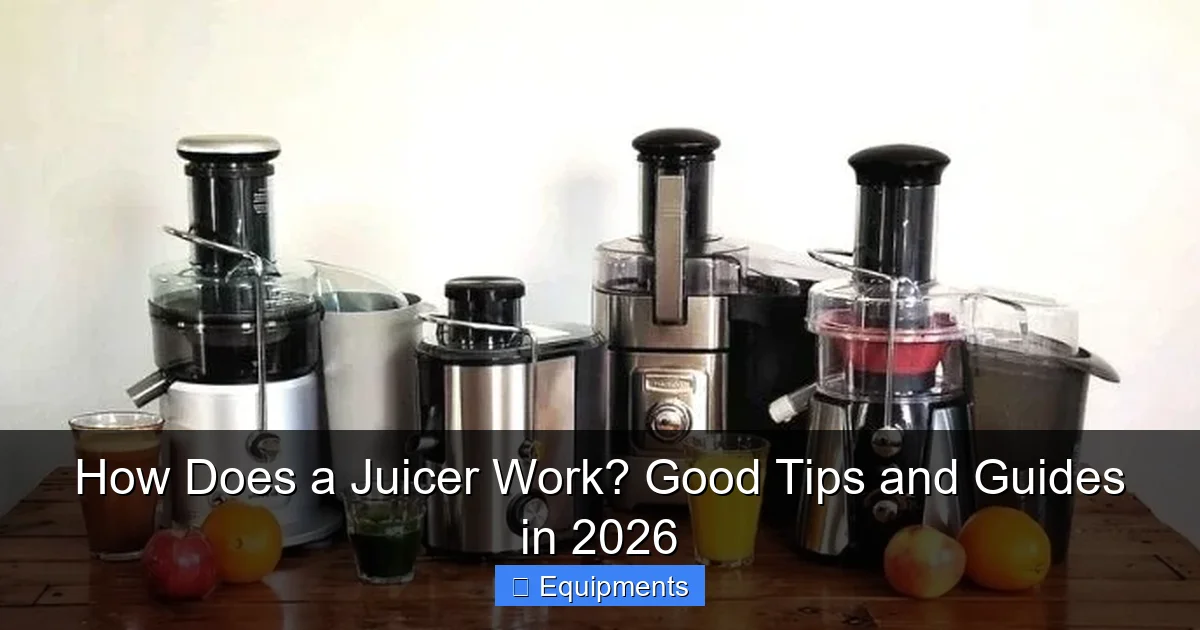
Knowing the mechanics is half the battle. Here’s how to apply that knowledge for flawless results every time.
Visual guide about How Does a Juicer Work? Good Tips and Guides in 2026
Image source: kitchenrank.com
Produce Prep Like a Pro
This is where many people lose precious juice and nutrients.
- Wash Thoroughly: Use a produce wash or vinegar-water soak, especially for leafy greens that trap dirt.
- Chop to Size: Always consult your manual’s recommended feed chute size. For centrifugal juicers with wide mouths, you can often drop whole small apples. For narrow-feed masticating models, chop everything into 1-2 inch pieces. This prevents motor strain and ensures even processing.
- Peel or Not to Peel? This is a hot debate. For organic produce, many keep the peel for added nutrients (like in carrots). For non-organic, peeling waxed cucumbers or dirty potatoes is wise. Citrus peels are bitter—peel them unless a recipe specifically calls for it. Always remove large seeds from fruits like peaches or apricots, as they can damage some mechanisms.
The Art of Combining Ingredients
Texture and water content matter. A great strategy is to lead with a hard, watery vegetable like cucumber or celery. This acts as a lubricant, pushing softer, pulpy ingredients like berries or herbs through the mechanism efficiently. Follow with leafy greens, which can be fibrous. Finish with a hard fruit like an apple or carrot to help flush the system. Example Flow: 1/2 cucumber → handful of spinach → 1/2 apple → ginger root. This sequence prevents clogs and maximizes extraction from each ingredient.
Maintenance Matters: The Non-Negotiable Routine
A clean juicer is an efficient and safe juicer. Clean immediately after use. Pulp dries and hardens, becoming a nightmare to remove. Disassemble all parts. Use the provided cleaning brushes (a must-have!) to scrub the mesh screen/strainer basket—this is where 90% of the clogging happens. Rinse the auger and gears thoroughly. For stubborn pulp on centrifugal baskets, soak in warm soapy water. For masticating screens, a soak with a little citric acid or lemon juice helps break down residue. Never put the main motor housing in water. Wipe it with a damp cloth. A weekly deep clean, checking for mineral deposits from hard water, will extend your machine’s life dramatically. Always ensure all parts are completely dry before reassembling to prevent mold.
Troubleshooting Common Issues: Quick Fixes for Smooth Juicing
Even the best machines hit a snag. Here’s how to diagnose and fix the most common problems.
Low Juice Yield? Check This First
If you’re getting less juice than expected, it’s rarely a machine failure. First, check your produce freshness. Older, limp produce has less water content. Second, are you prepping correctly? Overly large pieces won’t be fully processed. Third, is your screen clogged? A partially blocked mesh screen is the #1 cause of low yield. Soak and brush it meticulously. Finally, ensure you’re using the right juicer for the job—a centrifugal model will always yield poorly from wheatgrass.
Dealing with Clogs and Jams
Clogs happen, especially with fibrous celery or too much leafy green at once. Immediate Action: Turn off and unplug the machine. Reverse the motor (if your model has a reverse button) to back the clog out. Never use your fingers! Disassemble and clear the blockage manually from the feed chute down to the screen. For future prevention, feed slowly and alternate between hard and soft produce as described above. If your machine frequently jams with greens, you may need to chop them smaller or juice them in smaller batches.
The Future of Juicing: 2026 Trends and Beyond
The question how does a juicer work is evolving. The focus is shifting from mere extraction to holistic health integration and sustainability.
Smart Juicers and App Integration
Expect to see more juicers with built-in nutrient tracking sensors that estimate vitamin and antioxidant content based on your input ingredients. Companion apps will offer personalized recipes based on your health goals (e.g., “post-workout recovery” or “digestive support”), inventory management for your produce, and predictive maintenance alerts (“your auger screen shows signs of wear, order part #XYZ”). Some models may even feature voice control compatibility with smart home systems.
Sustainability and Nutrient Retention
The next frontier is closed-loop nutrient systems. Imagine a juicer that, via a secondary attachment, gently reinfuses a portion of the separated pulp fiber back into the juice for a more balanced, satiating drink without sacrificing clarity. Material sustainability is also key—2026 models will increasingly use recycled, ocean-bound plastics in their construction and offer take-back programs for end-of-life recycling. The goal is a juicer that not only supports your health but also the planet’s.
Conclusion: Your Journey to Juicing Mastery
Understanding how a juicer works transforms it from a mysterious box into a tool you can command. You now know that centrifugal models use speed and force, while masticating and triturating juicers employ slow, crushing pressure. You’ve learned that prep is paramount, maintenance is mandatory, and pulp is a prize, not a byproduct. The perfect 2026 juicer for you aligns with your specific habits, budget, and health aspirations. Armed with this knowledge, you can confidently choose, use, and care for your machine. The world of fresh, vibrant, homemade juice is now at your fingertips. Start chopping, and enjoy the delicious results of your newfound expertise!
Frequently Asked Questions
What type of juicer is best for a beginner on a budget?
For a beginner, a mid-range centrifugal juicer is often the best starting point. They are affordable, fast, and easy to operate, making them ideal for experimenting with basic recipes like carrot-apple or citrus blends before committing to a more expensive slow juicer.
Do masticating juicers really preserve more nutrients?
Yes, generally. Their low-speed, cold-press method generates minimal heat and oxidation, which helps preserve heat-sensitive enzymes and vitamins like vitamin C and B vitamins better than high-speed centrifugal models. The resulting juice also stays fresher longer.
Can I juice leafy greens like spinach and kale in any juicer?
No. Leafy greens are fibrous and require a juicer that can effectively crush and squeeze them. Masticating (slow) and triturating (twin gear) juicers are specifically designed for this and will yield significantly more juice from greens than a centrifugal model, which often just spins them out mostly dry.
How often should I deep clean my juicer?
You should perform a thorough, deep clean at least once a week if you juice daily. This involves soaking all removable parts (especially the mesh screen) in a cleaning solution, using brushes to dislodge any hidden pulp, and ensuring every nook is completely dry before reassembly to prevent mold and odors.
What can I do with all the leftover pulp?
Juicer pulp is a nutrient-diverse treasure! Add it to soups, stews, or sauces for fiber and body. Use it in baking (carrot pulp in muffins, zucchini pulp in bread). Mix it into smoothies. Compost it for your garden. You can even dehydrate it to make vegetable chips or crackers.
Are juicers safe to use? What safety features should I look for?
Modern juicers are very safe when used correctly. Look for key safety features: a locking mechanism that prevents operation unless all parts are correctly assembled, a splash guard to contain spray, and an overload protection that shuts the motor off if it gets too hot or jammed. Always keep hands and utensils out of the feed chute.