High protein pasta salads are a nutritious, versatile, and satisfying meal solution. They combine the comfort of pasta with powerful protein sources like lean meats, legumes, and Greek yogurt to support muscle repair, keep you full longer, and fit seamlessly into busy lifestyles. Whether for meal prep, a quick lunch, or a post-gym refuel, these recipes are easily customizable, packed with flavor, and help you meet your daily protein goals without sacrificing taste.
Key Takeaways
- Protein is the Star: These salads prioritize protein from diverse sources like chickpea pasta, grilled chicken, tuna, beans, lentils, tofu, and Greek yogurt-based dressings, moving beyond just pasta.
- Meal Prep Champion: They are ideal for making ahead. The base (pasta + hardy veggies) holds up well, with delicate ingredients and dressings added just before serving for maximum freshness.
- Endless Customization: The template is flexible—swap proteins, change veggies, try different pastas (legume-based, whole wheat), and experiment with dressings to suit any dietary need or flavor craving.
- Balanced Nutrition: They provide a complete package: complex carbs from pasta, protein for satiety and repair, and fiber/vitamins from abundant vegetables, creating a truly balanced meal.
- Smart Dressing Choices: Opt for vinaigrettes, Greek yogurt, or tahini-based dressings over heavy mayonnaise to keep the salad light, creamy, and high in protein without excessive saturated fat.
- Cook Pasta Perfectly: Always cook pasta al dente (firm to the bite) as it will soften slightly when mixed with dressing. Rinse with cool water to stop cooking and prevent stickiness.
- Flavor Layering is Key: Build depth by seasoning each component—salt the pasta water, marinate proteins, and use aromatics like garlic, onion, and fresh herbs in the dressing and salad mix.
📑 Table of Contents
- Why High Protein Pasta Salad is Your New Go-To Meal
- The Protein Powerhouse Pantry: Your Core Ingredients
- Top 5 High Protein Pasta Salad Recipes to Master
- Meal Prep Mastery: How to Build & Store for Success
- Customization Station: Tailor to Any Diet
- The Health Perks: Why This is a Smart Nutritional Choice
- Conclusion: Your Invitation to Experiment
Why High Protein Pasta Salad is Your New Go-To Meal
Let’s be honest, the classic pasta salad can sometimes be a bit of a letdown. A mountain of mayo-drenched noodles with a lonely cube of cheese and a few sad pepper bits. It doesn’t have to be this way. Imagine a vibrant bowl where every forkful delivers a satisfying bite of perfectly cooked pasta, crisp vegetables, and substantial, flavorful protein. This is the world of high protein pasta salad—a meal that fuels your body, delights your taste buds, and makes weekday lunches something to look forward to.
These recipes are a game-changer for anyone with fitness goals, a busy schedule, or just a desire for a more nutritious lunch. They masterfully combine the energy-providing carbohydrates of pasta with the muscle-repairing and appetite-satisfying power of protein. The result is a dish that keeps you full and focused for hours, whether you’re powering through a workday or recovering from a tough workout. The beauty lies in their incredible versatility; they are a blank canvas for your favorite ingredients and dietary preferences.
Beyond the Basic Bowl: What Makes It “High Protein”?
A traditional pasta salad might get 5-8 grams of protein per serving. A true high protein pasta salad aims for 20-30 grams or more. This is achieved by making protein a primary ingredient, not an afterthought. We’re talking about loading up on grilled chicken breast, flaky tuna or salmon, lean turkey, edamame, chickpeas, lentils, crumbled tofu or tempeh, and of course, the pasta itself if you choose a legume-based variety like chickpea or lentil pasta. The dressing also gets a protein boost from ingredients like Greek yogurt or cottage cheese, turning a simple condiment into a nutritional asset.
The Protein Powerhouse Pantry: Your Core Ingredients
Building a stellar high protein pasta salad starts with a well-stocked pantry and fridge. You don’t need exotic ingredients, just a few key categories that guarantee protein and flavor.
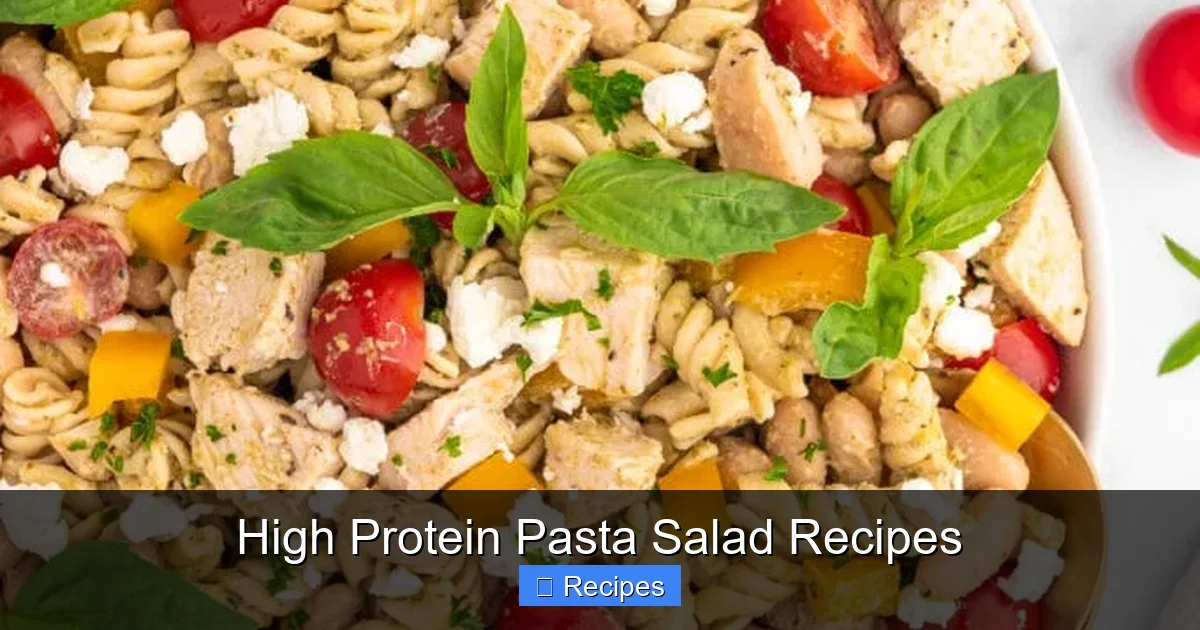
Visual guide about High Protein Pasta Salad Recipes
Image source: hellospoonful.com
Pasta Choices: It’s Not Just About Shape
While rotini and farfalle are classics for holding dressing, the type of pasta matters more for protein content.
- Legume-Based Pasta: Made from chickpeas, lentils, or black beans, these are the MVPs. A typical serving (2 oz dry) can pack 20-25g of protein and 10-15g of fiber, instantly doubling the protein of your salad base.
- Whole Wheat/Protein-Enriched Pasta: A great middle ground, offering more protein and fiber than regular semolina pasta.
- Classic Pasta + Legume Mix-In: If you prefer the texture of regular pasta, simply mix it 50/50 with a can of rinsed chickpeas or white beans.
Pro Tip: Always cook pasta in well-salted water (it should taste like the sea). This is the only chance to season the pasta itself.
Primary Protein Sources (Choose 1-2 per Salad)
This is where you build your protein foundation.
- Animal-Based: Grilled chicken breast or thigh (shredded or diced), canned tuna or salmon (in water, drained), lean turkey meatballs, hard-boiled eggs, diced lean ham or roast beef.
- Plant-Based: Crispy baked tofu or tempeh cubes, a can of rinsed and drained chickpeas, black beans, or white beans, edamame (shelled soybeans), cooked lentils or green peas, seitan.
- Dairy-Driven: A generous scoop of crumbled feta or goat cheese, cubes of low-fat mozzarella, or even a side of cottage cheese mixed in.
Veggies for Crunch, Color, and Nutrients
Load up! Vegetables add fiber, vitamins, and crucial texture contrast to balance the soft pasta and protein.
- Hardy & Classic: Bell peppers (all colors), cucumber, red onion, cherry tomatoes, broccoli florets (blanched), asparagus (blanched), corn.
- For Freshness: Baby spinach, arugula, fresh peas, sliced radishes, fresh herbs (parsley, basil, dill, cilantro).
- For Sweetness: Roasted sweet potato or butternut squash cubes, sun-dried tomatoes.
Remember: Consider when you’ll eat the salad. Leafy greens like spinach are best added right before serving to prevent wilting.
Top 5 High Protein Pasta Salad Recipes to Master
Here are five distinct, foolproof recipes that showcase different protein sources and flavor profiles. Each serves 4 as a main course.
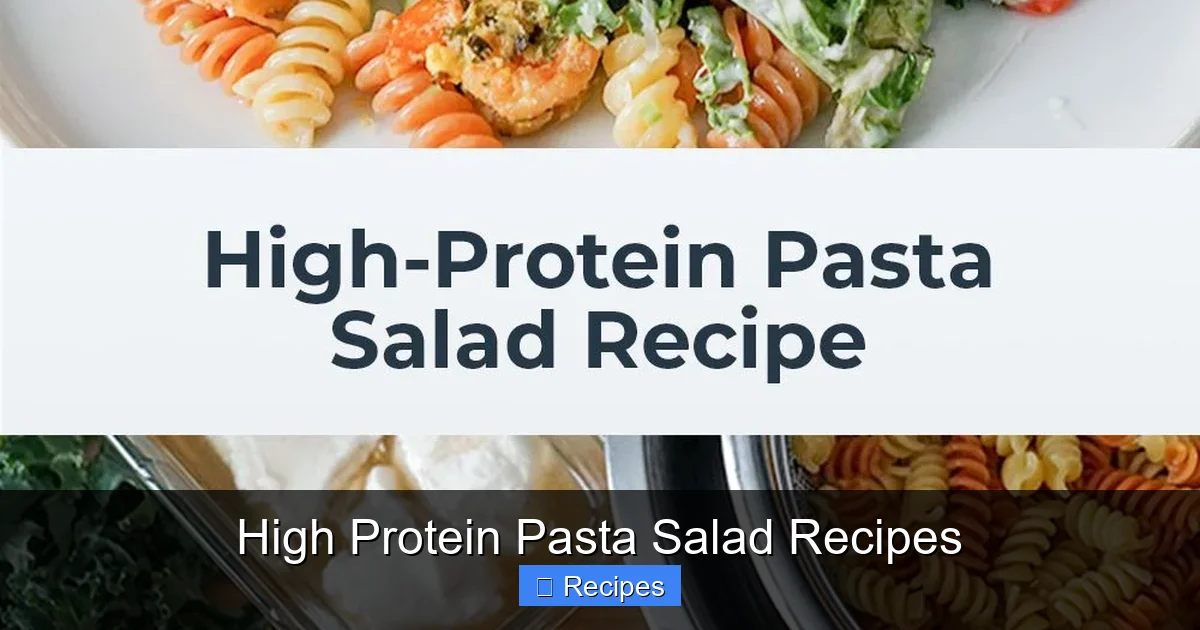
Visual guide about High Protein Pasta Salad Recipes
Image source: i.pinimg.com
1. Mediterranean Chickpea & Tuna Power Bowl
This no-cook (except pasta) recipe is a protein-packed, omega-3-rich delight.
- Base: 12 oz chickpea pasta, cooked & cooled.
- Protein: 2 cans (5 oz each) tuna in water, drained & flaked; 1 can (15 oz) chickpeas, rinsed.
- Veggies: 1 diced cucumber, 1 pint cherry tomatoes halved, 1/2 cup kalamata olives, 1/2 red onion thinly sliced, 1/2 cup diced bell pepper.
- Dressing: 1/4 cup lemon juice, 1/4 cup extra virgin olive oil, 2 minced garlic cloves, 1 tsp dried oregano, salt & pepper. Protein Boost: Stir in 1/2 cup crumbled feta cheese.
Method: In a giant bowl, gently combine all ingredients. Chill for 1 hour for flavors to meld. Serve over a bed of baby spinach if desired.
2. Southwest Black Bean & Chicken Lime Salad
Filled with bold, smoky flavors and a creamy, protein-rich avocado-lime dressing.
- Base: 12 oz whole wheat or legume pasta, cooked & cooled.
- Protein: 2 cups shredded cooked chicken breast (toss with chili powder, cumin, salt, and a splash of lime juice).
- Veggies: 1 can (15 oz) black beans, rinsed; 1 cup corn (canned, grilled, or roasted); 1 diced red bell pepper; 1/2 cup chopped cilantro; 1 diced avocado (add last minute to prevent browning).
- Dressing: Blend: 1 avocado, 1/4 cup plain Greek yogurt, juice of 2 limes, 1 tbsp honey or maple syrup, 1 minced garlic clove, 1/2 tsp cumin, salt & pepper. Thin with water if needed.
Method: Toss pasta, chicken, beans, corn, and pepper with dressing. Just before serving, fold in cilantro and avocado.
3. Greek-Style Lentil & Orzo with Tzatziki Dressing
A refreshing, tangy salad where the protein comes from both lentils and a yogurt-based dressing.
- Base: 12 oz orzo pasta, cooked & cooled.
- Protein: 1 cup cooked brown or green lentils (canned, rinsed).
- Veggies: 1 diced cucumber, 1 cup cherry tomatoes, 1/2 cup thinly sliced red onion, 1/2 cup chopped Kalamata olives, 1/2 cup diced bell pepper.
- Dressing/Protein Boost: 1 cup prepared tzatziki sauce (or make your own with Greek yogurt, grated cucumber, garlic, dill, lemon). The Greek yogurt base adds ~15g protein per cup.
- Cheese: 1/2 cup crumbled feta.
Method: Combine all ingredients except feta in a large bowl. Fold in tzatziki until evenly coated. Top with feta and extra fresh dill.
4. Pesto Chicken & White Bean Pasta Salad
Creamy, herbaceous, and incredibly satisfying. The white beans and optional cottage cheese make this a protein powerhouse.
- Base: 12 oz fusilli or rotini pasta, cooked & cooled.
- Protein: 3 cups shredded or diced cooked chicken breast.
- Veggies: 2 cups baby spinach (will wilt slightly), 1 can (15 oz) cannellini beans, rinsed, 1 cup halved cherry tomatoes, 1/2 cup toasted pine nuts.
- Dressing: Blend: 1 cup fresh basil leaves, 1/4 cup olive oil, 2 tbsp lemon juice, 1 tbsp nutritional yeast (or 1/4 cup grated parmesan), 1 minced garlic clove, salt & pepper. Protein Boost: Stir in 1/2 cup low-fat cottage cheese (blend it in for a smoother sauce or leave it chunky).
Method: Toss warm pasta with pesto-cottage cheese mixture to coat. Add chicken, beans, spinach, and tomatoes. The residual heat will wilt the spinach perfectly. Top with pine nuts.
5. Asian-Inspired Edamame & Tofu Sesame Noodle Salad
A vibrant, plant-based option featuring soba noodles (buckwheat) for extra protein and a savory-sweet sesame-ginger dressing.
- Base: 12 oz soba noodles (100% buckwheat for gluten-free), cooked & rinsed.
- Protein: 1 block (14 oz) extra-firm tofu, pressed, cubed, and baked or pan-fried until crispy; 1 cup shelled edamame, thawed.
- Veggies: 2 cups shredded purple cabbage, 1 large shredded carrot, 1 diced red bell pepper, 4 sliced green onions, 1/4 cup chopped cilantro.
- Dressing: Whisk: 1/4 cup low-sodium soy sauce or tamari, 2 tbsp rice vinegar, 1 tbsp toasted sesame oil, 1 tbsp honey or agave, 1 tbsp freshly grated ginger, 1 minced garlic clove. Thicken: Stir in 1 tbsp tahini (sesame paste) for creaminess and extra protein.
Method: In a large bowl, toss noodles, tofu, edamame, and all veggies with the dressing. Garnish with sesame seeds and extra cilantro.
Meal Prep Mastery: How to Build & Store for Success
The true magic of a high protein pasta salad is its meal-prep potential. A little strategy ensures your salad stays fresh and crisp for 4-5 days.
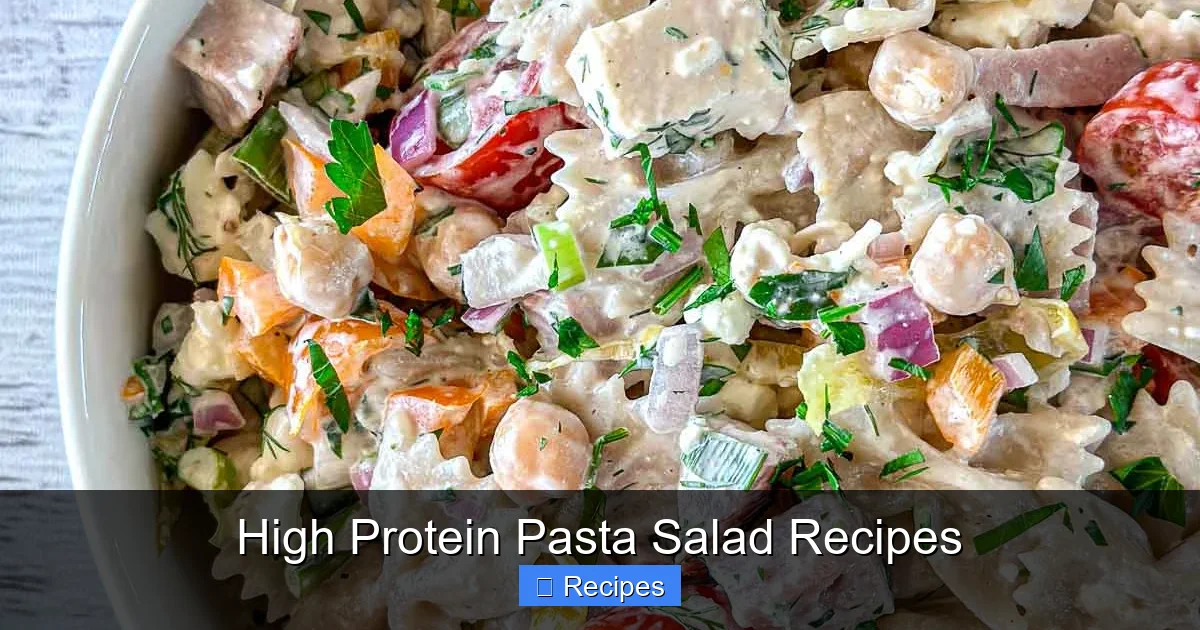
Visual guide about High Protein Pasta Salad Recipes
Image source: simpleandfraiche.com
The Layered Jar Method (The Gold Standard)
This prevents sogginess and keeps ingredients distinct. Assemble in a wide-mouth mason jar in this order:
- Dressing: At the bottom.
- Hard Vegetables & Protein: Diced peppers, onions, cucumbers, chickpeas, chicken, tuna, etc.
- Pasta: On top of the wet layer.
- Soft Vegetables & Greens: Baby spinach, arugula, fresh herbs, avocado (add avocado day-of if possible).
- Toppings: Nuts, seeds, cheese, croutons in a tiny bag on top or in a separate container.
When ready to eat, shake vigorously! The dressing coats everything from the bottom up. The pasta acts as a barrier, keeping greens crisp.
Container & Storage Rules
- Use Airtight Containers: Glass containers with locking lids are ideal.
- Keep Dressing Separate: If not using the jar method, store dressing in a small container and add just before eating.
- Avocado & Fresh Herbs: Add these the day you plan to eat to prevent browning and wilting.
- Nuts & Seeds: Store separately to maintain crunch. Toast them before adding for deeper flavor.
- Refrigeration is Non-Negotiable: Due to the protein and mayo/yogurt-based dressings, always keep chilled (below 40°F/4°C). Consume within 4-5 days.
Customization Station: Tailor to Any Diet
The template is endlessly adaptable. Here’s how to tweak it for different needs.
Vegetarian & Vegan
Skip the meat and double down on plant power. Use chickpea/lentil pasta, load up on beans, lentils, crispy tofu, tempeh, edamame, and nuts/seeds. For dressing, use tahini, avocado, or a vegan yogurt. Use vegan cheese or skip it. This approach easily hits 25g+ of protein.
Low-Carb / Keto-Friendly
Ditch the traditional pasta. Substitute with:
- Shirataki Noodles: Very low-calorie, almost zero-carb. Rinse well.
- Spiralized Zucchini or Cucumber Noodles (“Zoodles”): Add at the very last minute, as they release water.
- Hearts of Palm or Spaghetti Squash: Great alternatives with a similar texture.
- Load up on the protein (chicken, tuna, eggs) and low-carb veggies (bell peppers, olives, onions, asparagus). Use an olive oil & vinegar dressing.
Dairy-Free & Gluten-Free
This is straightforward. Ensure your pasta is certified gluten-free (corn, rice, or legume-based). For creamy dressings, use avocado, tahini, or a dairy-free yogurt (coconut, almond) as a base. Skip cheese or use a dairy-free alternative. Most proteins and veggies are naturally compliant.
The Health Perks: Why This is a Smart Nutritional Choice
Beyond just being convenient and tasty, a well-constructed high protein pasta salad is a nutritional powerhouse.
- Sustained Energy & Satiety: Protein and fiber (from legume pasta and veggies) slow digestion, preventing blood sugar spikes and crashes. You’ll feel full and energized for hours.
- Muscle Maintenance & Repair: Adequate protein is essential for repairing muscle tissue, especially important for active individuals and as we age.
- Nutrient Density: You’re packing vitamins, minerals, and antioxidants from a rainbow of vegetables into every bite.
- Portion Control: The volume from pasta and veggies, combined with the satiety from protein, makes it harder to overeat compared to a low-fiber, low-protein meal.
- Gut Health: Fiber from beans, lentils, and vegetables feeds your good gut bacteria, promoting a healthy microbiome.
A Note on Balance: For a truly balanced meal, ensure your plate (or bowl) is roughly 1/2 vegetables, 1/4 protein, and 1/4 carbohydrates (the pasta). This visual guide helps manage portions and maximizes nutrient intake.
Conclusion: Your Invitation to Experiment
Gone are the days of boring, mayo-heavy pasta salads. With the framework of a high protein pasta salad, you have a ticket to creative, delicious, and incredibly healthy meals. Start with one of the recipes above, then use the customization guide to swap in your favorite proteins and seasonal vegetables. The principles are simple: cook your pasta perfectly, prioritize protein in every bite, layer in vibrant veggies, and choose a smart dressing. Whether you’re meal prepping for a hectic week, packing a post-gym lunch, or looking for a crowd-pleasing side dish, these salads deliver on flavor, nutrition, and convenience. So grab your biggest bowl, start mixing, and discover just how satisfying a pasta salad can truly be.
Frequently Asked Questions
How can I make my pasta salad higher in protein without using meat?
Focus on plant-based powerhouses: use legume-based pasta (chickpea, lentil), add a can of rinsed beans or chickpeas, include edamame or baked tofu, and use a Greek yogurt or tahini-based dressing. Topping with seeds like hemp hearts or pumpkin seeds adds a final protein boost.
What is the best way to meal prep pasta salad so it doesn’t get soggy?
The layered jar method is best. Place dressing at the bottom, then hearty veggies and proteins, followed by pasta, and finally delicate greens and toppings on top. Keep dressing separate if using a regular container. Add avocado and fresh herbs the day you eat.
Can I use gluten-free pasta for high protein pasta salad?
Absolutely! Many gluten-free pastas are made from protein-rich legumes like chickpeas or lentils, making them an excellent high-protein, gluten-free base. Just be sure to check the nutrition label, as some rice-based gluten-free pastas have lower protein content.
What are some good low-fat, high-protein dressing options?
Excellent options include: a lemon-herb vinaigrette with olive oil, a creamy dressing made from blended avocado or roasted cauliflower, a Greek yogurt-based dressing (tzatziki, green goddess), or a tahini (sesame paste) and lemon juice dressing. These provide creaminess and protein without the saturated fat of mayo.
How many grams of protein should a high protein pasta salad have?
Aim for at least 20-25 grams of protein per serving to qualify as “high protein.” This can be achieved by using a legume-based pasta (15-20g), adding a 3-4 oz serving of chicken or fish (25-30g), or combining a regular pasta with two cans of beans and a Greek yogurt dressing.
Are these pasta salad recipes good for kids?
Yes, they can be! Kids often love the familiar pasta base. You can tailor the recipe to their tastes by using milder proteins like chicken or hard-boiled eggs, familiar veggies like corn and cucumber, and a simple Italian or ranch-style yogurt dressing. Let them help mix it to increase buy-in.
Pingback: High Fiber Recipes - kitchenandhouseware.com