Eating healthy on a budget is absolutely possible with smart strategies. This guide reveals how to master meal planning, shop strategically for affordable proteins and pantry staples, and create satisfying one-pot wonders. You’ll learn to transform inexpensive ingredients like beans, lentils, eggs, and seasonal vegetables into flavorful, nutritious dinners. Stop sacrificing health for cost and start cooking confident, budget-friendly meals tonight.
Key Takeaways
- Plan Your Week: Dedicating 30 minutes to weekly meal planning is the #1 money-saving habit that prevents food waste and costly last-minute takeout.
- Embrace Plant Proteins: Beans, lentils, and eggs are nutritional powerhouses that cost a fraction of meat, forming the foundation of countless healthy cheap meals for dinner on a budget.
- Shop the Perimeter & Sales: Focus on fresh produce, dairy, and meat (if used) around the grocery store’s edges, and always base your list on the weekly circular’s discounts.
- Master Your Pantry: A well-stocked pantry with rice, pasta, canned tomatoes, and spices is your secret weapon for throwing together a healthy dinner in minutes.
- Cook Once, Eat Twice: Intentionally doubling recipes and using leftovers for lunch or another dinner maximizes your effort and budget, making healthy eating effortless.
- Frozen & Canned are Friends: These are often cheaper, more nutrient-dense (picked at peak ripeness), and have a longer shelf life than some fresh produce, reducing waste.
- Flavor is Free: Herbs, spices, citrus, garlic, and onions are inexpensive ways to make simple ingredients taste restaurant-quality without added cost.
📑 Table of Contents
- Introduction: Busting the “Healthy is Expensive” Myth
- Section 1: The Foundation of Frugal Feasting – Smart Meal Planning
- Section 2: The Protein Powerhouses – Affordable & Nutritious
- Section 3: Pantry Staples – Your Always-On Arsenal
- Section 4: One-Pot Wonders & Sheet Pan Dinners – Minimal Mess, Max Flavor
- Section 5: Strategic Vegetable & Fruit Shopping
- Section 6: Sample 3-Day Meal Plan – Putting It All Together
- Conclusion: Your Journey to Frugal, Flavorful Health Starts Now
Introduction: Busting the “Healthy is Expensive” Myth
Let’s be real. Walking into a grocery store with a tight budget can feel like a daunting mission. You see the organic kale, the grass-fed beef, the exotic quinoa, and your wallet instinctively clutches. The common belief is that to eat healthy cheap meals for dinner on a budget, you must subsist on rice and beans forever, or worse, rely on processed, nutrient-poor foods.
We’re here to completely dismantle that myth. Eating well does not require a fortune. It requires a shift in mindset, from shopping for single meals to shopping for a system. It’s about knowledge, not a massive bank account. This guide is your blueprint. We’ll move beyond clichés and dive into actionable, detailed strategies for planning, shopping, and cooking healthy cheap meals for dinner on a budget that your whole family will love. Forget deprivation; this is about abundance through intelligence.
Section 1: The Foundation of Frugal Feasting – Smart Meal Planning
Before you buy a single carrot, you need a plan. Impulse buys and the “what’s for dinner?” panic are the budget’s worst enemies. Effective meal planning is your first and most powerful defense. It’s not about rigidly scheduling every morsel; it’s about creating a flexible framework that guides your shopping and cooking.

Visual guide about Healthy Cheap Meals for Dinner on a Budget
Image source: thecleaneatingcouple.com
The 30-Minute Weekly Planning Session
Set a weekly timer. On a Sunday evening or Monday morning, grab a notebook or your phone’s notes app. Follow these steps:
- Check Your Inventory: Open your fridge, freezer, and pantry. What do you already have? A half-bag of rice? A can of black beans? A lonely bell pepper? These are your starting points. Plan meals that use these items first to prevent waste.
- Scan the Sales Flyer: This is your treasure map. What proteins are on sale? Is chicken breast discounted? Are seasonal veggies like zucchini or squash cheap? Build your week’s menu around these discounted items. If ground turkey is $2.99/lb instead of $4.99, that’s your signal to make chili, stuffed peppers, or turkey burgers.
- Theme Your Nights: Give your week structure without stress. Examples: Meatless Monday (beans/lentils), Taco Tuesday (any protein with tortillas), Stir-Fry Wednesday (use up veggies with rice), Soup & Sandwich Thursday, Leftovers Friday, Build-Your-Own Pizza/Bowl Saturday, Roast Dinner Sunday. Themes simplify decision-making.
- Write Your List & Stick to It: Based on your themes and sale items, write a precise shopping list. Organize it by store layout (produce, dairy, meat, pantry) to save time and avoid backtracking into tempting aisles. This list is your contract with your budget.
Batch Cooking & The “Cook Once, Eat Twice” Rule
This is the ultimate efficiency hack for healthy cheap meals for dinner on a budget. When you cook a large batch of a base ingredient, you create multiple future meals with minimal extra effort.
What to batch cook:
- Grains: Cook a big pot of quinoa, brown rice, or whole-wheat pasta on Sunday. Store in the fridge for 4-5 days or freeze in portions. It’s the perfect bed for stir-fries, salads, and bowls.
- Beans & Lentils: Soaking and cooking dried beans is incredibly cheap (pennies per serving). Cook a large batch and freeze. Canned beans are a fantastic shortcut—rinse and use anytime.
- Roasted Vegetables: Toss a sheet pan of seasonal veggies (potatoes, carrots, broccoli, onions) with oil, salt, and pepper. Roast a huge batch. They’re great as a side, mixed into eggs, or atop grain bowls all week.
- Soups & Stews: A pot of lentil soup, black bean soup, or minestrone feeds a family for days and freezes beautifully. The flavors often improve overnight.
By doubling your dinner recipe, you instantly have lunch prep done and a future dinner solved. This single habit can cut your overall cooking time and cost in half.
Section 2: The Protein Powerhouses – Affordable & Nutritious
Protein is often the most expensive part of the plate. But you don’t need a steak every night to be healthy. The most budget-friendly, nutrient-dense proteins are often plant-based or the “lesser cuts.” Let’s break them down.
Visual guide about Healthy Cheap Meals for Dinner on a Budget
Image source: bhg.com
Legumes: The Budget Superheroes
Beans and lentils are the undisputed champions of healthy cheap meals for dinner on a budget. They are packed with protein, fiber, and iron, and cost about $1-$2 per dried pound, which yields 4-6 servings.
- Black Beans: Perfect for chili, soups, tacos, and black bean burgers.
- Chickpeas (Garbanzo Beans): Star of hummus, curries (chana masala), salads, and roasted as a crispy snack.
- Lentils: Cook incredibly fast (15-20 mins). Red lentils dissolve into soups and dals. Brown/green lentils hold their shape for salads and loafs.
- Kidney/Pinto Beans: Hearty for chili, pasta e fagioli, and refried beans.
Pro Tip: Buy dried in bulk. Soak overnight (or use the quick-soak method) for optimal digestion and even lower cost. Canned beans are a great, convenient backup—just rinse to reduce sodium.
Eggs: The Versatile Vanguard
At roughly $2-$3 per dozen, eggs are one of the most cost-effective, complete proteins available. Their versatility is unmatched.
- Frittatas/Scrambles: Load them with leftover veggies, a bit of cheese, and herbs for a complete dinner in 10 minutes.
- Hard-Boiled Eggs: Prep a batch for snacks, salads, or a quick protein addition.
- Egg Fried Rice: A classic way to use leftover rice, a few veggies, and eggs for a satisfying meal.
- Shakshuka: Eggs poached in a spiced tomato sauce (canned tomatoes are key!) with onions and peppers. Serve with crusty bread.
Poultry & The “Cheaper Cuts” Strategy
If you include meat, focus on value.
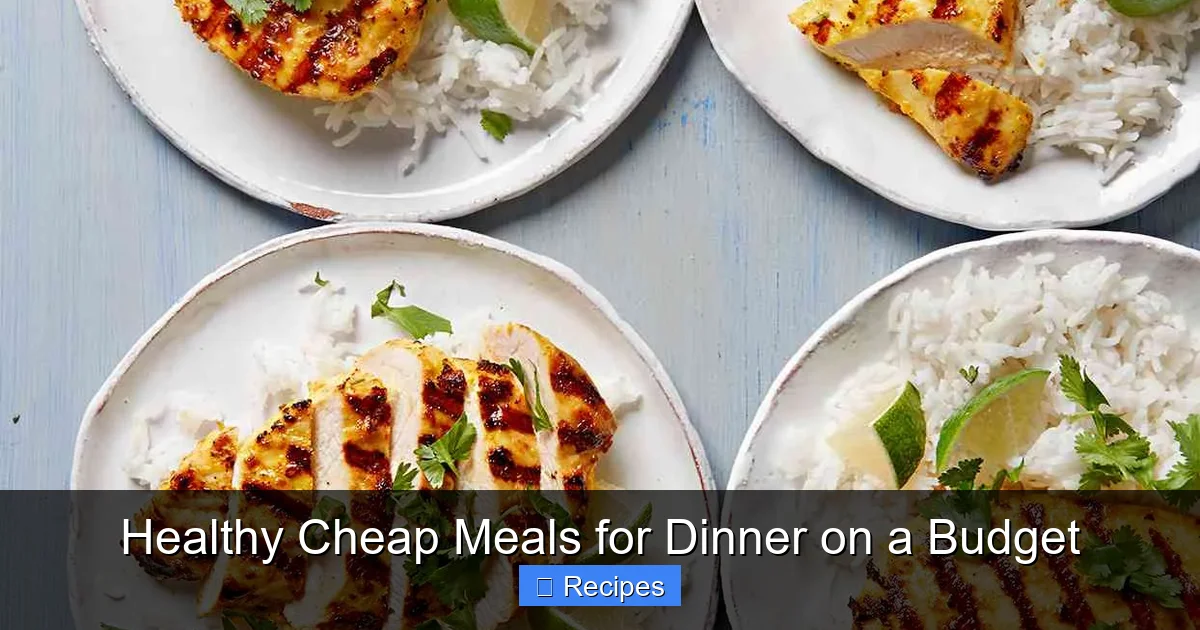
- Chicken Thighs/Legs (Bone-in, Skin-on): These are significantly cheaper than breasts, more flavorful, and stay juicier. The bone adds flavor to soups and stocks. Skin can be removed after cooking for less fat.
- Whole Chicken: The ultimate budget buy. Roast it for one meal, then use the carcass to make a huge pot of stock for soups and grains. The meat can be used for sandwiches, salads, and tacos for days.
- Ground Turkey/Chicken: Often cheaper than beef. Use for chili, stuffed peppers, pasta sauce, and lettuce wraps.
Remember: You don’t need a large portion of meat at every meal. Use it as a flavoring agent in stir-fries, soups, and casseroles with beans and grains to stretch it further.
Section 3: Pantry Staples – Your Always-On Arsenal
A well-stocked pantry is the heart of creating healthy cheap meals for dinner on a budget spontaneously. These non-perishables are your building blocks.
Visual guide about Healthy Cheap Meals for Dinner on a Budget
Image source: prudentpennypincher.com
The Absolute Essentials
- Whole Grains: Brown rice, quinoa, whole-wheat pasta, oats, barley. Buy in large bags for the lowest cost per serving.
- Canned Tomatoes: Diced, crushed, and tomato paste. The base for countless sauces, soups, and stews.
- Beans & Lentils: As mentioned, but keep a few cans of your favorites for emergencies.
- Broth/Stock: Low-sodium canned or boxed, or make your own from scraps. Essential for soups, deglazing pans, and cooking grains.
- Onions & Garlic: The flavor foundation for almost every savory dish. Store in a cool, dark place.
- Herbs & Spices: Build a small collection: salt, pepper, garlic powder, onion powder, chili powder, cumin, oregano, basil, paprika. A $1 spice jar can transform a dish. Check discount stores or bulk bins.
- Oils & Vinegars: A good cooking oil (canola, vegetable) and a finishing oil (olive oil). Vinegars like apple cider, white wine, or balsamic add acidity and brightness.
- Nuts/Seeds (on sale): Peanut butter, sunflower seeds, or almonds bought in bulk or on sale add protein and healthy fats to salads and oatmeal.
How to Build Your Pantry Without Blowing Your Budget
Don’t buy everything at once. Over a month, add 2-3 items from the list above each week when they are on sale. Soon, you’ll have a complete toolkit. This approach prevents a huge upfront cost and ensures you’re always stocked with items you’ve purchased at their lowest price.
Section 4: One-Pot Wonders & Sheet Pan Dinners – Minimal Mess, Max Flavor
These are the holy grail of weeknight healthy cheap meals for dinner on a budget. Fewer dishes mean less cleanup, and often, everything cooks together, melding flavors beautifully while using minimal energy (stovetop or oven).
The Magic of the One-Pot Meal
Think beyond soup. Here are templates:
- Rice Pilaf: Sauté onions, add rice, broth, and any mix-ins (frozen peas, carrots, a handful of spinach). Simmer until done. Stir in a beaten egg at the end for a creamy, protein-packed finish.
- Pasta with Sauce & Veggies: In a large pot, cook pasta. In the last 5 minutes, add chopped broccoli or zucchini to the pasta water. Drain together, then return to pot and toss with a simple sauce of canned tomatoes, garlic, and a sprinkle of cheese.
- Bean & Grain Bowls: Cook quinoa or rice. In a separate pot, simmer canned beans with onions, garlic, and spices. Serve together with a dollop of salsa or avocado.
Sheet Pan Dinners – Oven = Hands-Off Cooking
The concept is simple: protein + veggies + seasoning = one pan.
- Chicken Thighs & Root Veggies: Bone-in, skin-on chicken thighs (cheap!) with chopped potatoes, carrots, and onions. Toss with oil, salt, pepper, and paprika. Roast at 400°F for 40-50 minutes until chicken is cooked through and veggies are tender.
- Sausage & Peppers: Use a budget-friendly smoked sausage or kielbasa. Slice and roast with sliced onions and bell peppers (often cheap in season). Serve over rice or in a hoagie roll.
- crispy Tofu or Chickpeas: For a vegan option, toss cubed tofu or drained chickpeas with oil and spices, spread on a sheet pan with broccoli florets, and roast until crispy.
Pro Tip: Line your sheet pan with parchment paper for the easiest cleanup imaginable.
Section 5: Strategic Vegetable & Fruit Shopping
Produce can seem volatile in price. But with a few rules, you can fill half your plate with plants affordably.
Buy Seasonal & Local
This is non-negotiable. A head of lettuce in winter is expensive. In summer, it’s pennies. What’s growing now in your region is always the cheapest. Visit farmers’ markets near closing time for potential discounts on surplus.
Frozen & Canned Are Your Allies
This is a critical point for healthy cheap meals for dinner on a budget.
- Frozen Vegetables: Mixed stir-fry blends, spinach, peas, broccoli florets. They are frozen at peak freshness, have no waste, and are almost always cheaper than fresh out-of-season. Keep a few bags in your freezer.
- Canned Vegetables: Corn, green beans, tomatoes (already covered). They are shelf-stable and affordable. Rinse canned veggies to reduce sodium.
These options mean you always have a vegetable on hand, eliminating the excuse to skip it or order a pizza.
Use Every Part – Root to Stem Cooking
Reduce waste and stretch your dollar.
- Broccoli Stems: Peel and dice them. They’re sweeter than the florets! Use in stir-fries or soups.
- Carrot Tops & Beet Greens: Sauté them like spinach.
- Herb Stems: Toss in broth while it simmers for flavor, then remove.
- Vegetable Scraps: Keep a bag in the freezer for onion skins, carrot ends, celery leaves, herb stems. When full, simmer in water for 2 hours to make a free, flavorful vegetable stock.
Section 6: Sample 3-Day Meal Plan – Putting It All Together
Let’s make this concrete. Here’s a sample of healthy cheap meals for dinner on a budget using the principles above. This plan assumes you’ve done a weekly shop based on sales.
Day 1: Hearty Lentil & Vegetable Soup
Cost per serving: ~$1.50
This is the ultimate batch-cook meal. Sauté 1 diced onion, 2 diced carrots, and 2 diced celery stalks in a large pot with a tablespoon of oil. Add 1 cup brown or green lentils (rinsed), 4 cups homemade or boxed broth, 1 can diced tomatoes, 1 tsp cumin, 1/2 tsp thyme. Simmer 30-40 minutes until lentils are tender. Stir in 2 large handfuls of frozen spinach 5 minutes before done. Serve with a slice of whole-wheat bread. Makes 6 servings. Eat half, freeze half for another night.
Day 2: Black Bean & Sweet Potato Burrito Bowls
Cost per serving: ~$2.00
Use your batch-cooked rice and beans. Reheat 2 cups cooked rice. Warm 1 can black beans (rinsed) with a pinch of chili powder. Microwave or roast a large sweet potato (prick and bake at 400°F for 45 mins) until tender, then dice. Assemble bowls with rice, beans, sweet potato, salsa (jarred or homemade), a handful of shredded lettuce or cabbage, and a dollop of plain yogurt (sour cream substitute).
Day 3: Sheet Pan Sausage & Peppers with Polenta
Cost per serving: ~$2.50
Preheat oven to 400°F. On a large sheet pan, combine 1 lb of smoked sausage (like kielbasa), sliced, with 2 sliced bell peppers (any color, on sale), 1 sliced onion, and 2 sliced zucchini (if cheap). Toss with 2 tbsp oil, salt, and pepper. Roast for 25-30 minutes, stirring halfway, until sausage is browned and veggies are tender. While it cooks, prepare quick-cooking polenta (cornmeal) according to package directions (often $1 per serving). Serve the sausage and pepper mixture over the polenta.
Conclusion: Your Journey to Frugal, Flavorful Health Starts Now
We’ve covered a lot of ground, from the critical importance of a 30-minute planning session to the art of batch cooking, from the protein power of lentils to the magic of a sheet pan. The core message is this: healthy cheap meals for dinner on a budget are not about scarcity; they are about strategy and skill. They are about working *with* your budget, not against it.
Start small. This week, try just one of these tactics. Maybe it’s planning your meals around the sales flyer. Maybe it’s cooking a big pot of beans. Maybe it’s making a one-pan pasta. The goal is progress, not perfection. As you build your pantry, hone your skills, and learn what your family loves, you’ll find that cooking nutritious, satisfying dinners on a dime becomes second nature. You’ll watch your grocery bill shrink, your food waste disappear, and your confidence in the kitchen soar. You have the knowledge. Now, grab your list, hit the store with purpose, and start cooking your way to better health and a fatter wallet. The most delicious, affordable dinner of your life is waiting to be made.
Frequently Asked Questions
Is it really possible to eat healthy on a very tight budget?
Absolutely. The cornerstone is focusing on whole, unprocessed ingredients like beans, lentils, eggs, whole grains, and seasonal vegetables. These foods are nutrient-dense and cost far less per nutrient than packaged or convenience foods. Planning and cooking at home are non-negotiable for maximum savings.
What are the absolute cheapest healthy proteins?
The cheapest by far are dried legumes (lentils, black beans, chickpeas) and eggs. A pound of dried lentils costs about $1.50 and provides 10+ servings of protein and fiber. Eggs offer complete protein for about $0.25 each when bought by the dozen.
How do I avoid fresh produce spoiling before I use it?
>Plan meals that use your most perishable produce first (like leafy greens and berries). Buy frozen vegetables for backup—they last forever. Store herbs like parsley in a glass of water in the fridge. Learn proper storage: onions and potatoes in a cool, dark place; tomatoes on the counter until ripe.
I don’t have much time to cook. Are these meals still feasible?
Yes! The one-pot and sheet pan meals highlighted are designed for speed. Many take 30 minutes or less. Batch cooking on weekends means most weeknights you only need to reheat and assemble. Using canned beans and frozen veggies cuts prep time dramatically.
What if my family doesn’t like beans or lentils?
Start by incorporating them subtly. Add a half-can of rinsed black beans to a pot of chili or pasta sauce. Make a “refried” bean dip for quesadillas. Use red lentils in a meat-based sauce—they dissolve and add creaminess and nutrition without a distinct bean texture. Experiment with different seasonings (cumin, chili powder, Italian herbs) to find flavors they enjoy.
How much money can I realistically save?
It varies, but most families can cut their grocery bill by 25-50% by adopting these strategies. The biggest savings come from eliminating food waste (planning!), cooking at home instead of getting takeout, and choosing plant-based proteins. The health benefits and long-term savings on healthcare are an added bonus.