Creamy mayo pasta salad recipes are the ultimate crowd-pleasing dish, combining tender pasta with a rich, tangy dressing for a satisfying meal or side. They’re incredibly versatile, allowing for endless customization with vegetables, proteins, and cheeses to suit any taste or occasion. Plus, most creamy mayo pasta salads taste even better after sitting, making them perfect for preparing ahead of time for stress-free entertaining.
Key Takeaways
- Unmatched Creaminess & Tang: Mayo provides a luxurious, smooth texture and a subtle tang that perfectly coats pasta and binds ingredients together, creating a cohesive and flavorful salad.
- Endless Customization: These recipes are a blank canvas—mix and match pasta shapes, veggies (crunchy or soft), proteins (chicken, ham, beans), cheeses, and herbs to create your signature dish.
- Make-Ahead Magic: Creamy mayo pasta salads generally improve with time as flavors meld. Prepare them hours or even a day in advance for hassle-free hosting and optimal taste.
- Texture is Key: Mastering the balance between al dente pasta, crisp vegetables, and creamy dressing prevents a soggy or mushy salad. Salting veggies and chilling pasta are crucial steps.
- Flavor-Boosting Add-Ins: Elevate your salad with acidic elements (lemon juice, vinegar), umami (parmesan, olives), sweetness (sun-dried tomatoes, corn), and fresh herbs for complexity.
- Versatile for Any Occasion: From backyard barbecues and office potlucks to simple family lunches, a creamy mayo pasta salad fits every event and can be served as a side or a light main course.
- Beyond Mayo Options: For a lighter touch, blend mayo with Greek yogurt, avocado, or a touch of olive oil to reduce calories while maintaining creaminess.
📑 Table of Contents
- Why Mayo Makes the Perfect Pasta Salad Base
- Building Your Foundation: Classic Creamy Mayo Bases
- Veggie-Packed Variations for Every Season
- Protein-Powered: Turning Side into Main
- Pasta Shapes & Textures: More Than Just Looks
- Make-Ahead, Storage, & Serving Secrets
- Conclusion: Your Creamy Canvas Awaits
Why Mayo Makes the Perfect Pasta Salad Base
Let’s talk about the star of the show: mayonnaise. In the world of pasta salad, it’s the gold standard for a reason. That rich, emulsified texture clings to every nook and cranny of your pasta, ensuring each bite is coated in creamy goodness. Unlike vinaigrettes that can pool at the bottom of the bowl, a good mayo-based dressing integrates seamlessly, creating a unified, cohesive salad. Its mild, slightly tangy flavor is a perfect neutral backdrop that lets all your other ingredients—the sweet corn, the salty cheese, the fresh herbs—truly shine. It’s the glue that holds the whole delicious experience together.
The Science of Creaminess
Mayonnaise is an emulsion of oil, egg yolk, and an acid (usually vinegar or lemon juice). This stable mixture is what gives it that luxurious mouthfeel. When tossed with warm, freshly cooked pasta (which is slightly porous), the dressing gets absorbed, creating a moist, flavorful base. The egg yolk also adds a subtle richness that oil-only dressings lack. For the best results, always use high-quality mayo. It makes a noticeable difference in both flavor and texture. And remember, a little goes a long way—start with less and add more until you reach your desired creaminess.
Balancing Act: Creaminess vs. Heaviness
A common pitfall is a pasta salad that feels too heavy or greasy. The secret to avoiding this is balance. We achieve it by incorporating fresh, crisp vegetables for crunch and acidity, and sometimes cutting the mayo with a splash of lemon juice, vinegar, or even a dollop of tangy Greek yogurt. This cuts through the richness and brightens the entire dish. Think of your creamy mayo pasta salad not as a monolithic blob, but as a symphony of textures and flavors where the creamy dressing is the conductor, not the only musician.
Building Your Foundation: Classic Creamy Mayo Bases
Before we dive into add-ins, we need the perfect base. A great creamy mayo dressing is more than just a scoop of mayo from the jar. It’s about layering flavors right in the bowl. Start with your mayonnaise—about 1 cup for 1 pound of cooked pasta is a good starting point. Then, the flavor builders: a tablespoon or two of Dijon mustard for sharpness, a minced clove of garlic (or roasted garlic for sweetness), a teaspoon of Worcestershire sauce for umami depth, and salt and freshly cracked black pepper. Always taste and adjust! This base is your launchpad for endless variations.
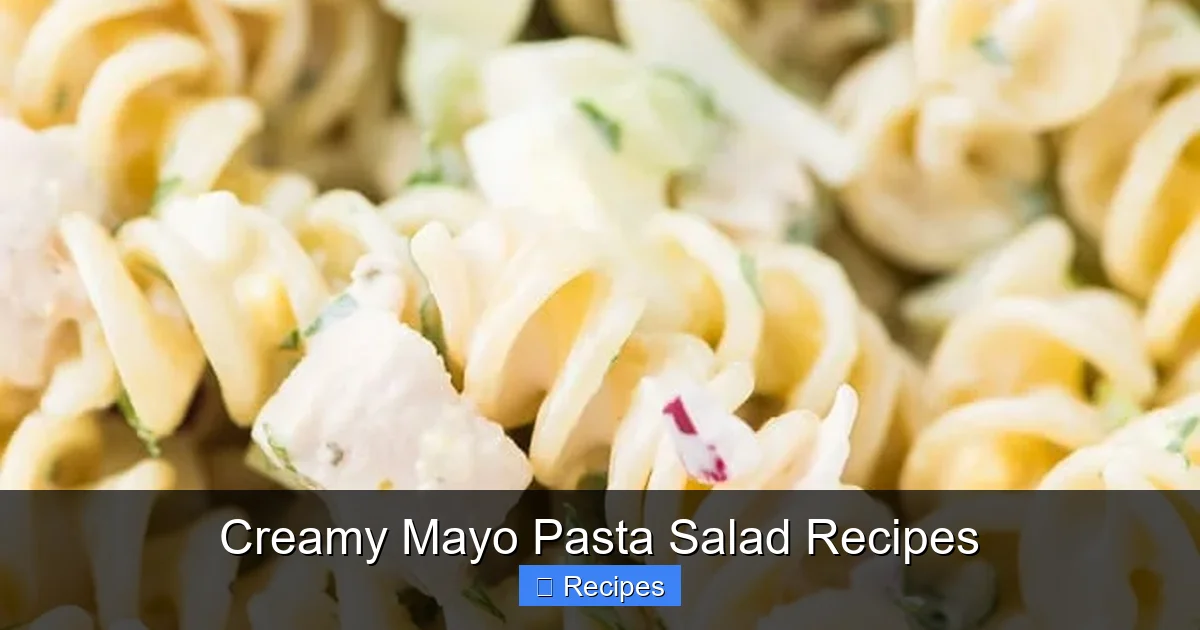
Visual guide about Creamy Mayo Pasta Salad Recipes
Image source: courtneyssweets.com
The Italian-American Classic
This is the version you see at every deli counter. To the base above, add 2-3 tablespoons of grated Parmesan or Pecorino Romano cheese, a tablespoon of red wine vinegar, and a generous handful of chopped fresh parsley. Toss in some diced salami or pepperoni, shredded mozzarella, and a colorful mix of diced bell peppers, red onion, and black olives. It’s robust, savory, and utterly addictive.
The Herb & Lemon Brightener
For a lighter, fresher profile, swap the Dijon for a tablespoon of fresh lemon juice and the Worcestershire for a teaspoon of lemon zest. Use the mayo base and fold in a massive amount of chopped fresh herbs—dill, chives, parsley, and tarragon are fantastic. Add some finely diced cucumber (squeezed of excess water) and maybe some blanched peas. This version is perfect for spring and summer, pairing beautifully with grilled fish or chicken.
Veggie-Packed Variations for Every Season
Vegetables are where you inject color, crunch, and nutrition into your creamy mayo pasta salad. The key is preparing them correctly. For watery veggies like cucumbers and zucchini, salt them lightly and let them sit for 20 minutes, then pat dry with a paper towel. This prevents them from releasing water and diluting your dressing. For crisp-tender veggies like broccoli or asparagus, give them a quick blanch in boiling water, then shock in ice water to lock in color and texture.
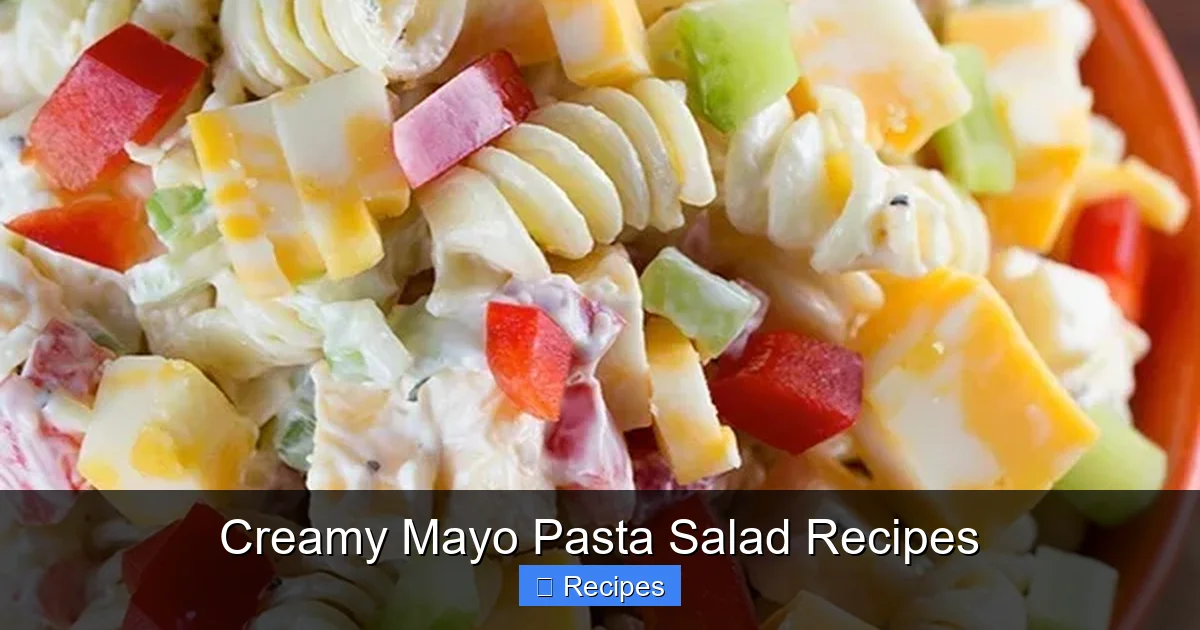
Visual guide about Creamy Mayo Pasta Salad Recipes
Image source: centercutcook.com
The Crunch Factor: Raw vs. Blanced
Raw vegetables like carrots, bell peppers, red onion, and celery provide a satisfying, crisp bite. They hold up well against the creamy dressing. Blanched vegetables, such as green beans, asparagus, or sugar snap peas, offer a softer, more tender texture while still retaining some snap. A great strategy is to use a mix of both for dynamic texture. Always cut vegetables into bite-sized pieces that match your pasta shape—small pasta like elbows or rotini works best with finely diced veggies, while larger shapes like penne or fusilli can handle chunkier cuts.
Seasonal Stars: Spring & Summer
In spring, embrace fresh peas, asparagus tips, and thinly sliced radishes. A creamy pasta salad with pea shoots, mint, and a lemony mayo is a celebration of the season. Summer calls for sweet corn (cut off the cob!), halved cherry tomatoes, diced zucchini, and maybe even some grilled and chopped zucchini or eggplant. The sweetness of the corn balances the creamy tang beautifully. Don’t forget fresh basil—it’s a game-changer.
Protein-Powered: Turning Side into Main
Adding protein transforms your creamy mayo pasta salad from a side dish into a satisfying main course. The options are vast, but the principles are the same: cook the protein fully, let it cool, and then chop or shred it into bite-sized pieces before folding it in. Cold, cooked meats and plant-based proteins work best.
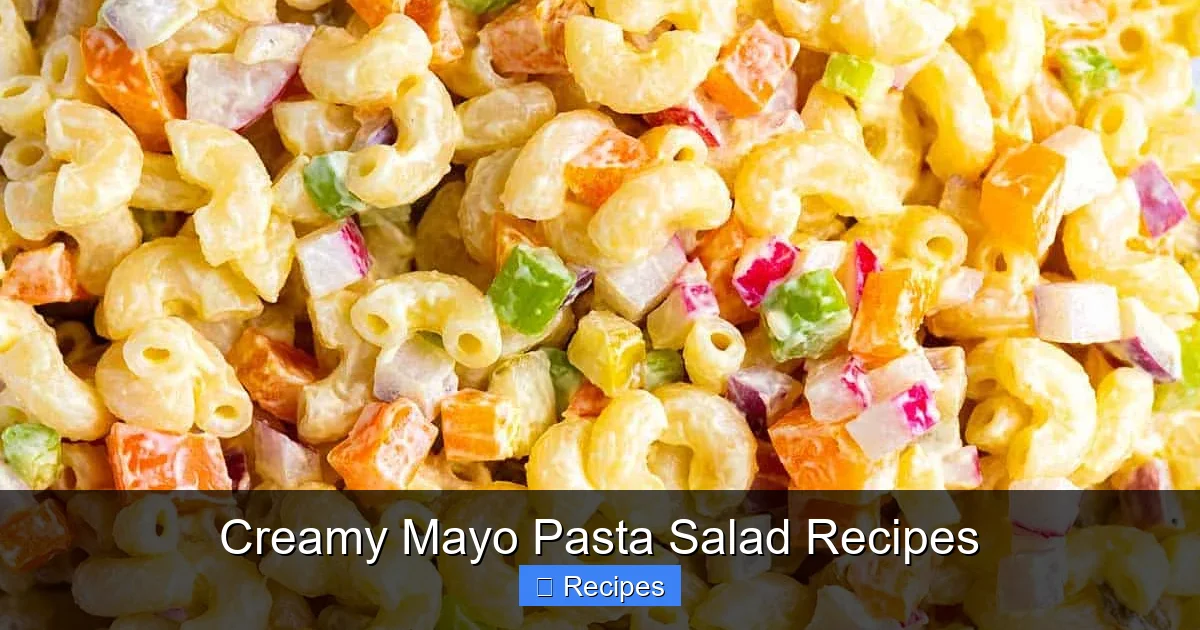
Visual guide about Creamy Mayo Pasta Salad Recipes
Image source: inspiredtaste.net
Classic Deli Meats & Rotisserie Chicken
Diced ham, salami, and pepperoni are traditional and easy. For a simpler, leaner option, use shredded rotisserie chicken. Toss the chicken with a little of the mayo dressing before adding it to the salad to ensure it’s well-coated and flavorful. A fantastic combo is chicken, grapes (for a sweet surprise), sliced almonds, and celery—a nod to a classic chicken salad but with pasta.
Legumes & Plant-Based Power
Chickpeas, white beans, or kidney beans are excellent, fiber-rich additions that make the salad hearty and vegetarian-friendly. Tuna (canned in water, drained well) is a pantry staple for a quick, protein-packed version. For a vegan take, use a vegan mayo base and add chickpeas, white beans, and plenty of roasted vegetables like red peppers and artichoke hearts. Hard-boiled eggs, diced, are another fantastic, economical protein boost.
Pasta Shapes & Textures: More Than Just Looks
The pasta you choose matters. It’s not just about aesthetics; different shapes hold dressing differently and provide varying textural experiences. Short, nook-and-cranny pastas are ideal. Rotini, fusilli, farfalle (bowtie), and cavatappi are top choices because their twists and folds trap bits of veggie and dressing, creating a perfect bite. Medium shells (conchiglie) are also excellent. Avoid long, thin pastas like spaghetti or linguine—they don’t work well in salad form.
Cooking Pasta to Perfection
This is non-negotiable: cook your pasta in generously salted boiling water until it is al dente—firm to the bite. It will continue to soften as it sits in the dressing. Overcooked pasta becomes mushy and will disintegrate into your salad. Once cooked, drain it and immediately rinse it under cold running water to stop the cooking process and cool it down quickly. This also washes away excess starch that could make your salad gummy. Toss the cooled pasta with a tiny drizzle of olive oil to prevent sticking if you’re not dressing it right away.
Gluten-Free & Alternative Options
Gluten-free pasta has come a long way. Chickpea pasta, lentil pasta, or brown rice pasta work well, but they can be more fragile. Handle them gently when mixing. Cook them slightly less than the package directions for al dente, as they can soften quickly. A fun, low-carb alternative is using cauliflower rice or spiralized zucchini (zoodles) as a base, though the dressing-to-“pasta” ratio will need adjustment as these release more water.
Make-Ahead, Storage, & Serving Secrets
This is where creamy mayo pasta salad truly shines. Its ability to be made ahead is its superpower. The magic happens when the flavors have time to marry. The pasta absorbs the dressing, the onions mellow, and the whole thing becomes a unified, delicious entity. For best results, make your salad at least 2-4 hours before serving, or even overnight. If it seems dry after chilling (as pasta absorbs liquid), simply stir in a splash of milk, a little more mayo, or a bit of lemon juice to loosen it up before serving.
Food Safety First
Because this salad contains mayo (which is egg-based) and often dairy or meats, it’s a perishable dish. Never leave it out at room temperature for more than 2 hours (1 hour if it’s a hot day). Keep it chilled on a bed of ice if serving outdoors. Always use clean utensils when scooping salad from the bowl to avoid introducing bacteria. Store leftovers in an airtight container in the refrigerator for up to 3-4 days. It’s safe to eat within that window, though the texture of fresh herbs and crisp veggies will soften over time.
Presentation & Serving Ideas
Serve your pasta salad in a large, rustic wooden bowl or a clear glass bowl to show off the colorful ingredients. Garnish is key! A final sprinkle of fresh herbs, a few grinds of black pepper, or a light drizzle of extra virgin olive oil makes it look professional. For potlucks, bring the dressing separately if you’re traveling a long distance, and toss it on-site for maximum freshness. It pairs effortlessly with grilled meats (burgers, chicken, steak), fried chicken, sandwiches, or can be a complete meal on its own with a simple green salad on the side.
Conclusion: Your Creamy Canvas Awaits
Creamy mayo pasta salad recipes are so much more than a simple side dish; they are a testament to flexible, joyful cooking. They represent the perfect balance of comfort and freshness, richness and brightness. With a solid creamy mayo base as your starting point, you are only limited by your imagination and what’s in your fridge. Whether you’re crafting a classic Italian-American version for a big family reunion, a bright herb and lemon pasta salad for a spring brunch, or a protein-packed Southwest chicken version for a hearty lunch, the formula is forgiving and rewarding. Embrace the process of mixing and matching, tasting as you go, and most importantly, sharing. After all, the best creamy mayo pasta salad is the one that brings a smile to the faces of the people you’re feeding. Now, grab your bowl, your favorite pasta, and start creating your signature version.
Frequently Asked Questions
Can I make creamy mayo pasta salad without mayonnaise?
Absolutely! For a lighter option, substitute half or all of the mayo with full-fat Greek yogurt, blended avocado, or a combination of olive oil and a little sour cream. These alternatives still provide creaminess but with less fat and fewer calories. The flavor profile will change slightly—Greek yogurt adds tang, avocado adds a subtle earthiness—so adjust your seasonings accordingly.
What is the best pasta shape for creamy pasta salad?
The best shapes are short, textured pastas with nooks and crannies that trap the dressing and small ingredients. Top choices include rotini, fusilli, farfalle (bowtie), cavatappi, and medium shells (conchiglie). These ensure every bite is coated in dressing. Avoid long, thin pastas like spaghetti or linguine, which don’t work well in a salad format.
How do I prevent my pasta salad from getting soggy?
Sogginess comes from excess water. First, cook pasta al dente. Second, rinse it with cold water after cooking to stop the process and remove starch. Third, salt watery vegetables like cucumbers and zucchini and let them sit for 20 minutes, then pat them completely dry with a paper towel before adding. Finally, if making ahead, the pasta may absorb some dressing; simply stir in a tiny splash of milk, lemon juice, or a bit more mayo before serving to rehydrate it.
How long can I store creamy mayo pasta salad in the refrigerator?
Due to the mayonnaise and potential proteins (meat, cheese, eggs), store your pasta salad in an airtight container in the refrigerator. It will keep safely for 3-4 days. The texture will change slightly—fresh herbs will wilt and crisp veggies may soften—but the flavor will still be delicious. Always discard if it develops an off smell or appearance.
What are some good add-ins for a basic creamy mayo pasta salad?
The possibilities are endless! For veggies: bell peppers, red onion, celery, cherry tomatoes, corn, peas, broccoli, olives, artichoke hearts. For protein: diced ham, salami, rotisserie chicken, canned tuna, chickpeas, white beans, hard-boiled eggs. For cheese: shredded cheddar, mozzarella, crumbled feta or goat cheese, parmesan. For crunch: toasted nuts (almonds, walnuts), seeds (sunflower, pumpkin), or crispy bacon. For freshness: a heavy handful of fresh herbs like parsley, dill, chives, or basil.
Can I serve creamy mayo pasta salad at a picnic or potluck?
Yes, it’s a classic picnic and potluck food! Its make-ahead nature is perfect for these events. However, food safety is crucial. Keep the salad chilled in a cooler with ice packs until serving. Once served, do not leave it out in the sun or hot temperatures for more than 1-2 hours. Using an insulated serving dish or placing the bowl over a tray of ice can help keep it cold during the event.