Canned pink salmon is an incredibly versatile and affordable protein source that can transform your weekly meal planning. These budget-friendly recipes prove that canned salmon is far from boring, offering everything from hearty patties to elegant salads in minutes. By keeping a few cans in your pantry, you gain access to a nutritious, shelf-stable ingredient that helps slash grocery bills while boosting family meals with omega-3s and protein.
Key Takeaways
- Nutritional Powerhouse: Canned pink salmon is rich in omega-3 fatty acids, high-quality protein, and bone-boosting calcium (from the soft, edible bones).
- Unbeatable Value: It provides a significant amount of protein for a fraction of the cost of fresh or frozen salmon, making it a true budget kitchen hero.
- Exceptional Convenience: It’s pre-cooked, ready to use in seconds, and has a long shelf life, perfect for quick meals and emergency pantries.
- Remarkable Versatility: Its mild, flaky texture works in salads, sandwiches, patties, pastas, quiches, and more—far beyond just spreads.
- Smart Shopping Tip: Opt for wild-caught, bone-in varieties when possible for maximum nutrition and flavor; a quick rinse can reduce sodium if desired.
- Flavor Amplifier: Canned salmon’s taste is enhanced by fresh aromatics (onion, garlic), herbs, citrus, and creamy or crunchy mix-ins.
- Waste Not: The entire can contents, including the bones, are edible and nutritious, eliminating waste and boosting calcium intake.
📑 Table of Contents
- Why Canned Pink Salmon is Your Budget Kitchen Hero
- Essential Tips for Cooking with Canned Pink Salmon
- Recipe 1: Classic Salmon Patties (The Ultimate Budget Burger)
- Recipe 2: Lightning-Fast Salmon Salad (Three Ways)
- Recipe 3: Hearty Salmon & Vegetable Fried Rice
- Recipe 4: Savory Salmon & Sweet Potato Hash
- Recipe 5: Creamy Salmon & Spinach Pasta
- Smart Shopping & Pantry Building for Salmon Success
- Conclusion: Your Pantry’s Most Valuable Player
Why Canned Pink Salmon is Your Budget Kitchen Hero
Let’s be honest. When you think of “canned fish,” your mind might jump to a basic tuna sandwich. But canned pink salmon is a different, and frankly, spectacular creature. It’s the unsung hero of the budget grocery aisle, a nutritional goldmine that waits patiently in your pantry, ready to become a gourmet meal in under 15 minutes. In a world where fresh seafood can be a luxury, this shelf-stable staple delivers the same incredible health benefits—omega-3s for your heart and brain, lean protein for muscles, and those soft, edible bones packed with calcium—at a price that won’t make your wallet weep.
The magic of canned pink salmon lies in its perfect balance of quality and convenience. It’s typically made from wild-caught pink salmon, which is abundant and sustainably managed. The canning process cooks the fish and seals in all that wonderful flavor and nutrients. You get the essence of a wild salmon run, without the seasonal price spikes or the worry of it spoiling in your fridge. For anyone looking to eat well on a budget, having a few cans on hand is like having a ace up your sleeve. It’s the ultimate solution for those “what’s for dinner?” nights, packed lunches, and impromptu gatherings. Canned pink salmon recipes are your secret weapon for eating healthy, delicious food without breaking the bank.
Debunking the Canned Fish Stigma
There’s a common misconception that “canned” means “low quality” or “bland.” With pink salmon, nothing could be further from the truth. The canning process actually intensifies the fish’s natural, rich flavor. The texture is flaky and moist, perfect for mashing or folding into mixtures. Unlike some canned fish that can be overly salty or oily, good quality pink salmon in water or a mild brine has a clean, pure taste that readily absorbs the flavors of other ingredients you add. Think of it as a blank, nutritious canvas for your culinary creativity. It’s not about eating it plain from the can (though you could!); it’s about using it as a foundational ingredient to build something truly delicious and satisfying.
Essential Tips for Cooking with Canned Pink Salmon
Before we dive into the recipes, mastering a few simple techniques will elevate all your canned pink salmon dishes from good to great. These tips ensure you get the best flavor and texture every single time.
Visual guide about Canned Pink Salmon Recipes for Budget-friendly Meals
Image source: aspectacledowl.com
Draining and Rinsing: To Do or Not To Do?
Most canned pink salmon comes packed in water or a light brine. The first step is usually to drain it thoroughly in a colander. If you are particularly sensitive to sodium, give it a quick rinse under cold water and pat it dry gently with a paper towel. This removes excess salt without washing away all the flavorful fish oils. For recipes where you’ll be mashing the salmon, like for patties or croquettes, let it drain well so your mixture isn’t watery.
Handling the Bones: Don’t Toss Them!
Here’s a key feature of canned pink salmon: it contains soft, edible bones. These are not a defect; they are a fantastic source of calcium and have been softened during the canning process. When you flake the salmon, you’ll notice small, crumbly white bits mixed in. Simply mash them together with the fish. They dissolve completely and add a nutritional boost without any gritty texture. There’s no need to pick them out—just embrace them as a part of the whole food.
Flavor-Building is Key
Canned salmon has a mild, approachable flavor. This is its superpower! It means it happily soaks up the tastes of whatever you mix it with. Always start with a flavor base: sautéed finely diced onion and/or shallot, a minced clove of garlic, or some celery. Fresh herbs like dill, parsley, or chives are fantastic partners. Acid is crucial—a squeeze of lemon or lime juice brightens the entire dish. For richness, consider a dollop of mayonnaise, Greek yogurt, or cream cheese. Texture contrasts like chopped bell pepper, cucumber, or toasted nuts add excitement. Building these layers is the secret to memorable canned pink salmon recipes.
Recipe 1: Classic Salmon Patties (The Ultimate Budget Burger)
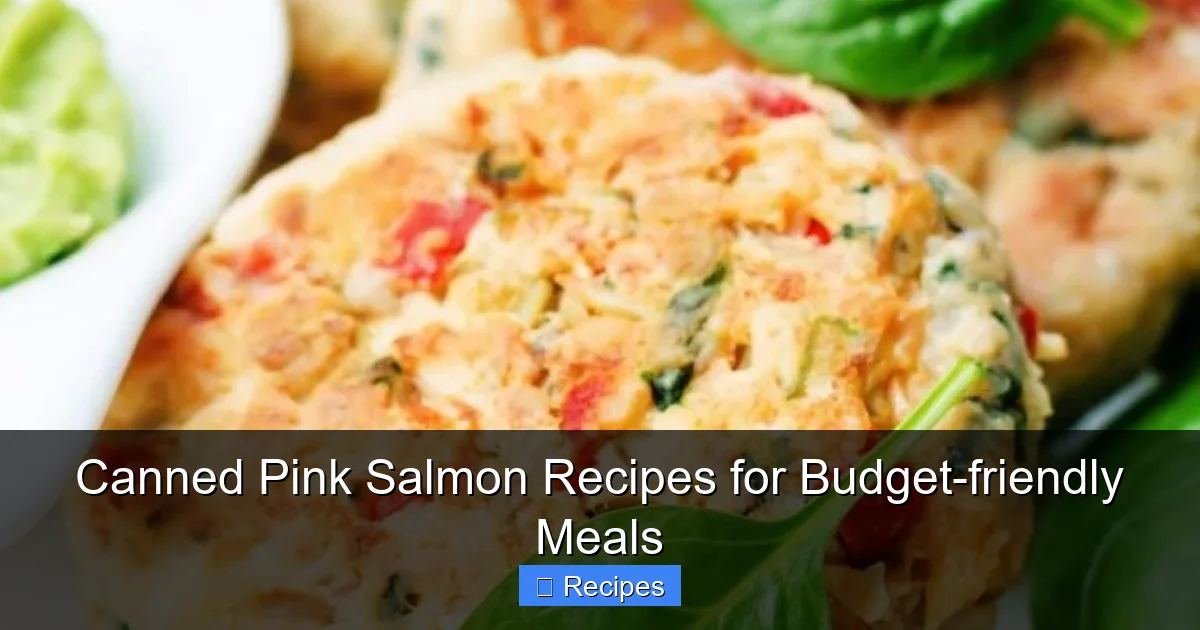
These patties are the quintessential canned salmon recipe—crispy on the outside, tender and flaky inside, and infinitely customizable. They’re a complete protein-packed meal that costs pennies per serving.
Visual guide about Canned Pink Salmon Recipes for Budget-friendly Meals
Image source: aspectacledowl.com
Ingredients & Method
In a large bowl, combine 2 cans (about 14 oz total) of drained and flaked pink salmon, 1 cup breadcrumbs (plain or panko), 1 large egg, 2 tablespoons mayonnaise or Greek yogurt, 2 tablespoons finely chopped red onion, 1 tablespoon capers (optional), 1 tablespoon fresh dill or parsley, 1 teaspoon Dijon mustard, and the zest of half a lemon. Season with black pepper and a pinch of salt (go easy if salmon is salty). Mix gently until just combined. Form into 4-6 patties. Pan-fry in a little oil over medium heat for 4-5 minutes per side, until golden brown and crispy. Serve on a bun with lettuce, tomato, and a lemony yogurt sauce, or as a main with roasted vegetables and a side salad.
Pro Tips for Perfect Patties
- Chill Time: For the best results, refrigerate the mixture for 20-30 minutes before forming patties. This helps them hold together during cooking.
- Breading Option: For extra crunch, dip the formed patties in additional beaten egg and then coat in seasoned breadcrumbs or crushed crackers before frying.
- Bake Instead: For a lighter version, place patties on a parchment-lined baking sheet, spray with oil, and bake at 400°F for 12-15 minutes, flipping halfway.
- Flavor Variations: Add 1/4 cup of finely chopped bell pepper or corn to the mixture. Swap dill for Old Bay seasoning for a coastal flavor.
Recipe 2: Lightning-Fast Salmon Salad (Three Ways)
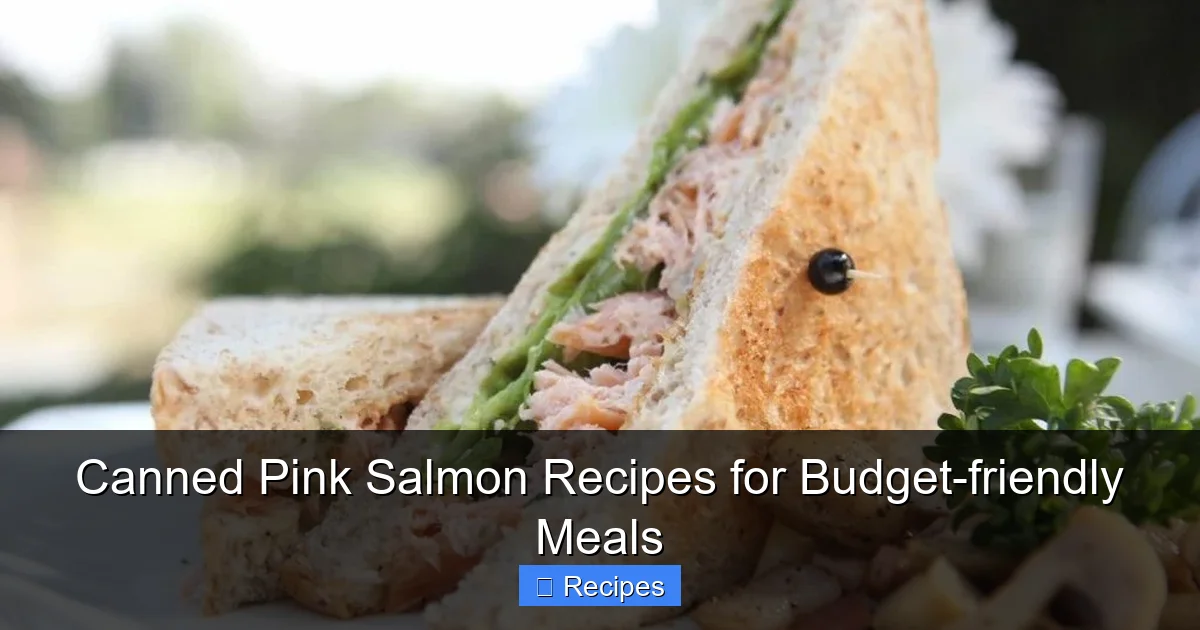
Forget boring tuna salad. Canned pink salmon salad is a revelation—creamy, zesty, and packed with protein. It’s perfect for sandwiches, lettuce cups, or crackers. Here are three fantastic takes.
Visual guide about Canned Pink Salmon Recipes for Budget-friendly Meals
Image source: panmastery.com
The Classic Creamy Version
In a bowl, mix 2 cans of flaked salmon with 1/2 cup of good mayonnaise, 1/4 cup of finely diced celery, 2 tablespoons of finely diced red onion, 1 tablespoon of fresh dill, 1 teaspoon of lemon juice, salt, and pepper. Fold in 2 hard-boiled eggs, chopped, for extra richness and protein. Chill for 30 minutes to let flavors meld. Serve on whole-grain toast, in a croissant, or with crisp lettuce leaves.
The Lemon-Herb Vinaigrette Version (Lighter)
Whisk together 3 tablespoons of extra virgin olive oil, 2 tablespoons of fresh lemon juice, 1 teaspoon of Dijon mustard, 1 minced garlic clove, 1 tablespoon of chopped fresh herbs (parsley, chives, dill), salt, and pepper. Toss with 2 cans of flaked salmon, 1 cup of halved cherry tomatoes, and 1/2 cup of chopped cucumber. This version is bright, fresh, and perfect for a warm-weather lunch.
The Asian-Inspired Sesame-Ginger Version
Whisk 2 tablespoons soy sauce (or tamari), 1 tablespoon rice vinegar, 1 teaspoon toasted sesame oil, 1 teaspoon grated ginger, and 1 teaspoon honey. Toss with 2 cans of salmon, 1/4 cup of finely shredded carrot, 2 sliced scallions, and 1 tablespoon of toasted sesame seeds. Garnish with cilantro. Serve over a bed of mixed greens or in a whole-wheat wrap.
Recipe 3: Hearty Salmon & Vegetable Fried Rice
This is a one-pan, 20-minute marvel that turns leftover rice and a can of salmon into a spectacular, balanced meal. It’s the ultimate clean-out-the-fridge dish.
Building the Bowl
Heat 1 tablespoon of oil in a large wok or skillet over medium-high heat. Add 2 beaten eggs and scramble until set. Remove to a plate. In the same pan, add another tablespoon of oil and sauté 1 cup of mixed frozen vegetables (thawed) and 1/2 cup of diced onion until tender. Add 3 cups of cooked, day-old rice (cold rice fries better!) and break up any clumps. Stir-fry for 3-4 minutes until the rice is heated through and slightly crispy. Push rice to the side, add the scrambled eggs back, and flake in 2 cans of drained pink salmon. Gently fold everything together. Drizzle with 2 tablespoons of soy sauce and 1 teaspoon of sesame oil. Finish with a sprinkle of sliced scallions and a dash of red pepper flakes if you like heat.
Why This Recipe Works
The key is using cold, leftover rice. Fresh, warm rice is too moist and will steam instead of fry. The salmon is added at the very end just to warm through, preventing it from overcooking and becoming tough. The vegetables add color, fiber, and nutrients, while the eggs provide extra protein. It’s a complete, self-contained meal in a bowl that feels indulgent but is incredibly economical.
Recipe 4: Savory Salmon & Sweet Potato Hash
Move over, breakfast hash! This savory combination is perfect for brunch, lunch, or a quick dinner. The natural sweetness of the potatoes balances the salty, savory salmon beautifully.
Method
Dice 2 large sweet potatoes (about 4 cups) into 1/2-inch cubes. Toss with 1 tablespoon of olive oil, salt, pepper, and a pinch of paprika. Roast on a parchment-lined baking sheet at 400°F for 20-25 minutes, until tender and caramelized at the edges. Meanwhile, in a large skillet, sauté 1 diced bell pepper and 1/2 diced red onion in a little oil until softened, about 5 minutes. Add the roasted sweet potatoes to the skillet. Flake 2 cans of drained pink salmon into the skillet. Gently fold everything together and cook for 2-3 minutes just to heat the salmon through. Make 4 small wells in the hash and crack an egg into each. Cover the skillet and cook for 5-7 minutes until the eggs are cooked to your liking. Garnish with chopped fresh parsley.
Make-Ahead & Storage
You can roast the sweet potatoes and sauté the vegetables a day ahead. Store separately in the fridge. In the morning, simply combine and reheat, then add the salmon and eggs. The hash without eggs also reheats wonderfully for a quick weekday lunch.
Recipe 5: Creamy Salmon & Spinach Pasta
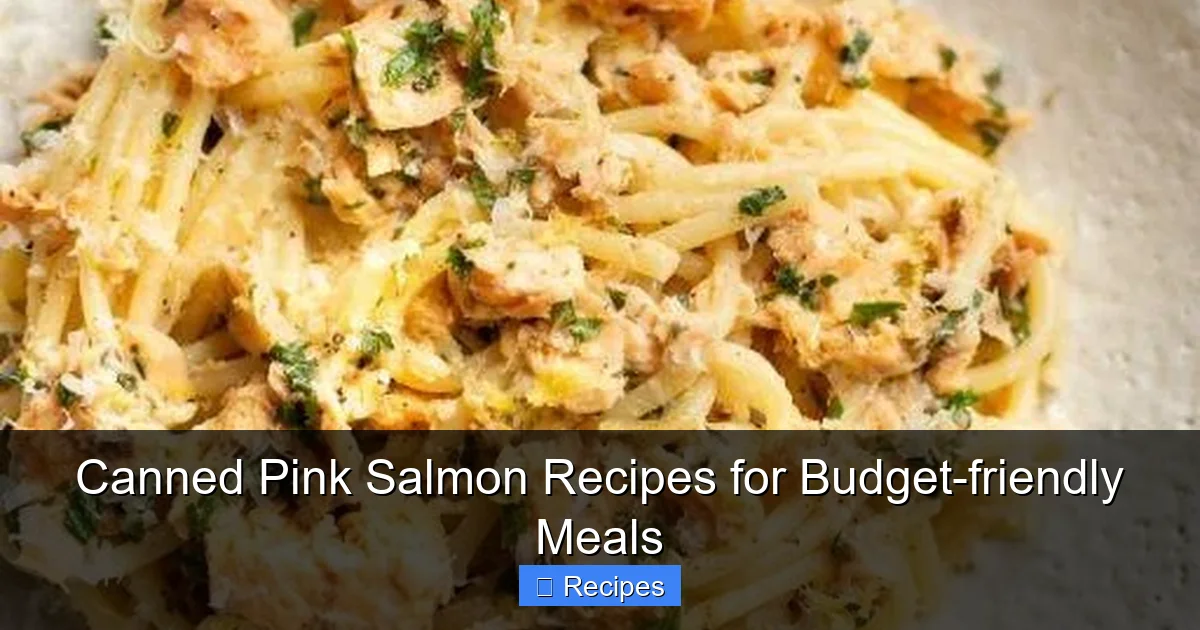
This feels like a luxurious cream sauce but comes together in the time it takes to boil pasta. It’s a fantastic way to get kids (and adults!) to eat their greens.
The Simple Sauce
Cook 12 oz of your favorite pasta (penne, fusilli, or linguine) according to package directions. Reserve 1 cup of pasta water before draining. In the same pot (no need to wash!), melt 2 tablespoons of butter over medium heat. Add 2 minced garlic cloves and cook for 30 seconds until fragrant. Add 1/4 cup of dry white wine or chicken broth, scraping up any bits. Pour in 1 cup of heavy cream or half-and-half and bring to a gentle simmer. Let it reduce slightly for 2 minutes. Stir in 2 large handfuls of fresh spinach and cook until wilted. Reduce heat to low and stir in 2 cans of flaked pink salmon and the zest of one lemon. Add the drained pasta and toss to coat, adding reserved pasta water as needed to create a silky, loose sauce. Season with salt, pepper, and a pinch of nutmeg. Serve with grated Parmesan and extra lemon zest.
Lightening It Up
Swap the heavy cream for 1 cup of full-fat coconut milk for a dairy-free, slightly tropical version. Or, use a slurry of 2 tablespoons cornstarch mixed with 1/4 cup cold milk to thicken 2 cups of low-fat milk instead of cream. The salmon and spinach still make it incredibly satisfying.
Smart Shopping & Pantry Building for Salmon Success
To make these canned pink salmon recipes a true budget cornerstone, you need to shop smart and stock your pantry wisely.
What to Look for on the Label
- “Pink Salmon” vs. “Red Salmon” (Sockeye): Pink salmon is more abundant, milder in flavor, and significantly less expensive than sockeye. For budget recipes, pink is the perfect choice.
- “Wild-Caught” vs. Farmed: Wild-caught pink salmon is generally preferred for flavor and sustainability. Look for this label.
- Bone-In: As mentioned, the soft bones are a calcium bonus. Don’t be put off by them.
- Packaging: Cans are traditional and effective. Some brands now offer BPA-free lining, which is a plus. Tetra Paks (cartons) are also an option and often contain a slightly higher quality product.
- Sodium: Check the nutrition label. A standard can can have 300-500mg of sodium. A “no salt added” or “low sodium” version is ideal if you’re watching intake. A quick rinse can reduce sodium by up to 30%.
Building Your Budget Pantry
Stock these affordable staples to pair with your canned salmon:
Proteins & Starches: Eggs, breadcrumbs, rice, pasta, potatoes, sweet potatoes.
Vegetables (Fresh/Frozen): Onions, garlic, celery, bell peppers, spinach, frozen peas/corn mixes, broccoli.
Herbs & Flavor: Lemons/limes, fresh dill/parsley/chives, dried herbs (dill, tarragon), capers, soy sauce, Dijon mustard, good mayonnaise/Greek yogurt.
Fats: Olive oil, butter, sesame oil.
With these ingredients, you can assemble dozens of different canned pink salmon recipes in minutes.
Conclusion: Your Pantry’s Most Valuable Player
Canned pink salmon is so much more than a simple sandwich filler. It is a testament to the fact that eating well on a budget doesn’t require sacrificing flavor, nutrition, or satisfaction. These canned pink salmon recipes demonstrate its incredible range—from the crispy comfort of salmon patties to the elegant simplicity of a lemon-herb salad, from a hearty fried rice to a creamy pasta. It’s a reliable, nutritious, and versatile ingredient that empowers you to put a delicious, home-cooked meal on the table any night of the week without a special trip to the market or a dent in your budget.
So, next time you’re planning your grocery list, add a few cans of quality pink salmon to your cart. Keep them tucked away with your other pantry staples. Then, on a busy evening, reach for them. You’ll be amazed at the fresh, flavorful, and frugal meal you can create in the time it takes to watch a sitcom. Embrace the convenience, celebrate the nutrition, and most importantly, enjoy the delicious results. Your taste buds—and your wallet—will thank you.
Frequently Asked Questions
Is canned pink salmon as healthy as fresh salmon?
Yes, it is nutritionally very similar. The canning process locks in omega-3 fatty acids and protein. In fact, the soft, edible bones provide a significant calcium boost that you don’t always get with fresh fillets. It’s an excellent, affordable way to include more seafood in your diet.
Does canned pink salmon taste “fishy”?
High-quality canned pink salmon has a clean, mild, and slightly sweet flavor—not fishy at all. Its taste is much more subtle than tuna. Any strong “fishy” notes usually come from lower-quality oils or old product. Rinsing it and pairing it with fresh ingredients like lemon, onion, and herbs completely eliminates any potential off-flavors.
How long does canned pink salmon last?
Unopened cans stored in a cool, dry pantry will typically last for 3-5 years past the “best by” date, though quality is best within 2-3 years. Always check cans for any signs of damage, bulging, or rust before opening. Once opened, transfer the salmon to a non-metallic container and refrigerate. Use it within 3-4 days for optimal freshness and safety.
Is canned pink salmon sustainable?
Wild-caught Alaskan pink salmon is considered one of the most sustainable and well-managed fisheries in the world. The stocks are healthy and abundant. Look for labels indicating “Wild-Caught” from Alaska or reputable fisheries with sustainability certifications (like MSC) for the most eco-friendly choice.
My kids are picky eaters. Will they eat these recipes?
Absolutely! The mild flavor is a major advantage. Start with the creamy salmon salad on soft bread or in a wrap—it’s familiar and approachable. Salmon patties shaped into fun forms or served with a favorite dipping sauce (like honey-mustard or ketchup) are also a huge hit. The key is not to over-season and to pair it with foods they already love, like pasta, rice, or potatoes.
Can I substitute canned sockeye (red) salmon in these recipes?
You can, but keep in mind that sockeye salmon has a richer, deeper flavor and a firmer, less flaky texture than pink salmon. It is also significantly more expensive. The recipes will work, but the flavor profile will be different—more pronounced and “salmon-y.” For the budget-friendly intent of these recipes, pink salmon is the ideal and recommended choice.
