Struggling with a low‑sitting stove? You’re not alone. This guide shows you simple, affordable ways to raise stove height, from adjustable legs to custom platforms, ensuring a healthier posture while you cook. Follow our expert tips and enjoy a more comfortable kitchen today.
Key Takeaways
- Assess your needs first: Measure current height and determine the ideal ergonomic level before choosing a solution.
- Adjustable legs are versatile: Most modern stoves allow leg extensions, offering a quick and reversible fix.
- Custom platforms add stability: Building a sturdy wooden or metal platform can raise any stove safely.
- Consider countertop alignment: Raising a stove may require minor countertop modifications to keep a seamless look.
- Safety is paramount: Always secure the stove to prevent wobble and maintain proper ventilation.
- Tools you’ll need: A set of wrenches, a level, shims, and possibly a carpenter’s square are enough for most projects.
- Professional help may be worth it: For gas connections or built‑in models, a licensed technician can ensure code compliance.
📑 Table of Contents
Introduction
Cooking should be a joy, not a strain on your back. Yet many homeowners discover that their stove sits too low, forcing them to hunch over for hours. This common issue can lead to discomfort, fatigue, and even long‑term posture problems. The good news? Raising stove height is a doable DIY project, and you don’t need a contractor for most cases.
In this article we’ll walk through everything you need to know to raise stove height safely and affordably. From quick adjustments with built‑in leg extensions to building a custom platform, you’ll find a method that fits your kitchen style, budget, and skill level. Let’s get started and make your cooking space as comfortable as it is functional.
1. Understanding the Right Height
Why ergonomics matter
When you stand at a stove that’s too low, your shoulders round forward and your wrists bend upward. Over time this posture can cause:
Visual guide about How to Raise Stove Height
Image source: missvickie.com
- Neck and shoulder tension
- Lower back strain
- Wrist pain from repetitive chopping
Experts recommend a countertop height of 36 inches for most adults. Your stove should align with this surface, allowing your elbows to rest at a 90‑degree angle while you stir or flip.
Measuring your current setup
Grab a tape measure and follow these steps:
- Measure from the floor to the top of the cooking surface (the burners or oven door).
- Measure the height of your adjacent countertops.
- Subtract the stove height from the countertop height. The difference tells you how much you need to raise.
For example, if your stove sits at 30 inches and your countertop is 36 inches, you’ll need to add about 6 inches.
2. Simple Solutions: Adjustable Legs and Shims
Using built‑in leg extensions
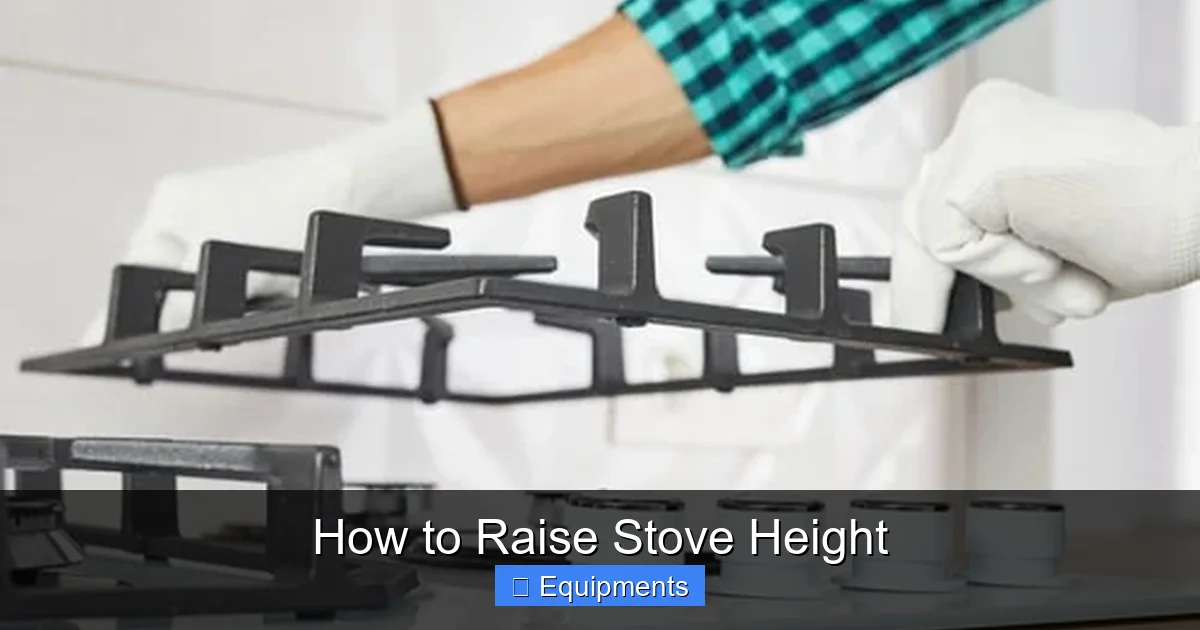
Many freestanding stoves come with removable legs that can be swapped for taller ones. Check the manufacturer’s manual; you’ll often find a set of extra legs in the packaging.
Visual guide about How to Raise Stove Height
Image source: missvickie.com
Steps:
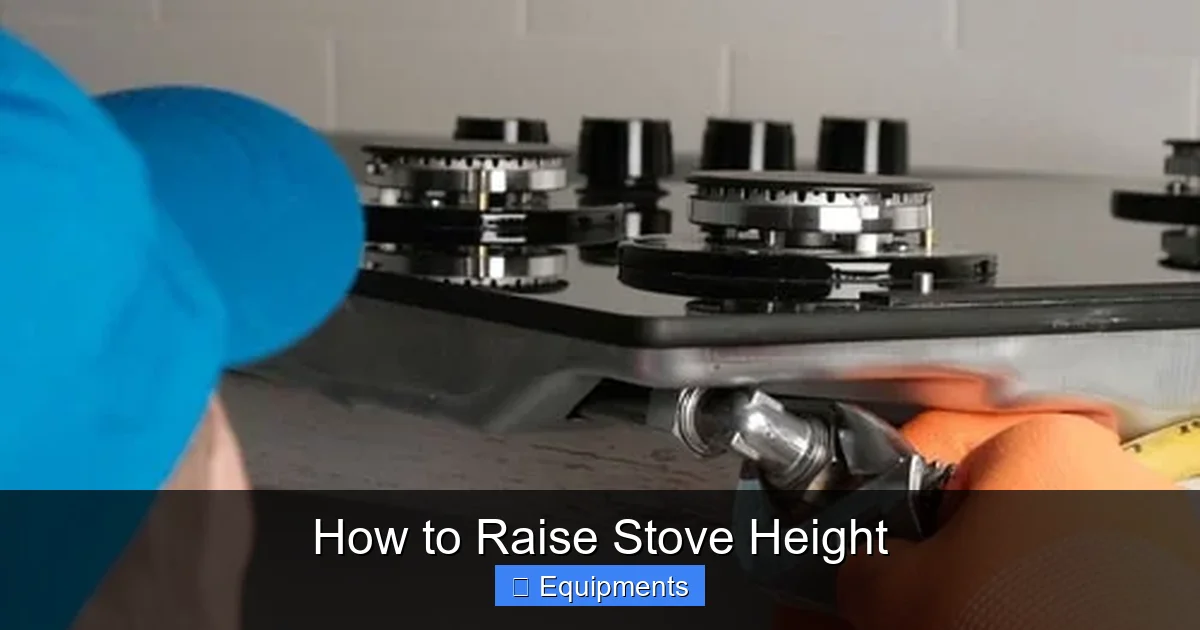
- Turn off the stove and disconnect power or gas.
- Unscrew the existing legs using a socket wrench.
- Replace them with the longer legs, ensuring the screw holes line up.
- Tighten securely and use a level to confirm the stove sits flat.
This method adds 1‑3 inches instantly and can be reversed if you move or sell the appliance.
Adding shims for a small lift
If you only need a half‑inch to an inch of extra height, shims are a quick fix. Shims are thin pieces of wood, metal, or plastic designed to fill gaps.
How to shim safely:
- Place the stove on a sturdy, flat surface.
- Slide shims under each leg, stacking them until you reach the desired height.
- Secure the shims with non‑slip pads or adhesive tape to prevent movement.
- Re‑check the level and adjust as needed.
Shims work best for lightweight stoves and are perfect for renters who cannot make permanent changes.
3. Building a Custom Platform
When to choose a platform
A custom platform is ideal when you need a significant lift (4‑6 inches) or want a seamless look that matches your kitchen décor. It also provides extra storage underneath.
Visual guide about How to Raise Stove Height
Image source: missvickie.com
Materials and tools
You’ll need:
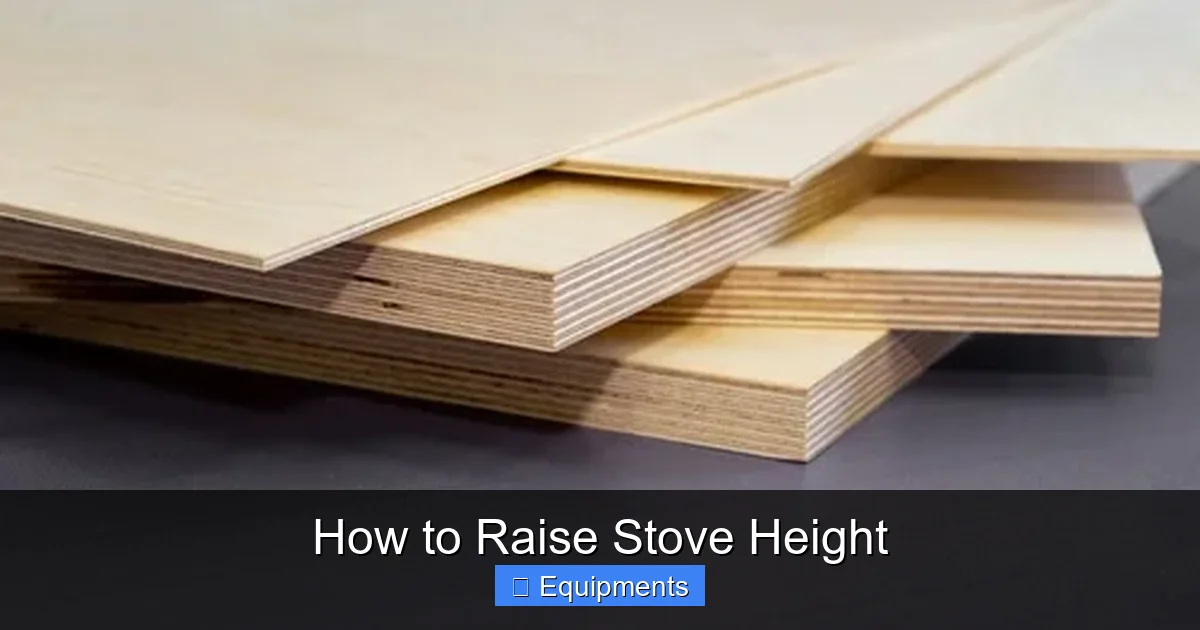
- 3/4‑inch plywood or solid hardwood boards
- 2×4 lumber for a sturdy frame
- Wood screws, a drill, and a screwdriver
- Measuring tape, carpenter’s square, and a level
- Finishing materials (paint, stain, or laminate) to match your kitchen
Step‑by‑step construction
- Plan the dimensions: Add the desired lift to the stove’s footprint, leaving a ½‑inch clearance on all sides for ventilation.
- Build the frame: Cut 2×4s to length and assemble a rectangular frame using wood screws. Reinforce the corners with metal brackets.
- Attach the top surface: Lay the plywood on the frame, ensuring it’s flush with the edges. Secure with screws every 6‑8 inches.
- Finish the surface: Sand smooth, then paint or stain to match your countertops.
- Place the stove: Center the stove on the platform, checking that it sits level. Use a level and adjust with shims if needed.
- Secure the stove: For added safety, drill through the platform and into the stove’s legs, then insert bolts to lock them together.
With a solid platform, you raise the stove permanently and create a cohesive look that blends with your kitchen design.
4. Adjusting Countertops and Cabinets
Matching countertop height
If you raise the stove, the surrounding countertops may look mismatched. You have two options:
- Raise the countertop: Add a thin layer of butcher block or laminate on top of the existing surface.
- Lower the countertop: This is more involved and usually requires a professional carpenter.
Most DIYers choose the first option because it’s quick and inexpensive. Cut the material to size, glue it to the existing countertop, and seal the seams.
Cabinet modifications
Cabinets that sit directly under the stove may need extra clearance for ventilation. If you raise the stove by more than an inch, consider:
- Removing the lower cabinet doors and installing a vented back panel.
- Re‑drilling the cabinet hinges to a higher position.
- Adding a decorative trim to hide any gaps.
These adjustments keep your kitchen looking polished while maintaining safety standards.
5. Safety Considerations and Code Compliance
Gas stoves and ventilation
Raising a gas stove can affect the flow of gas and exhaust. Always:
- Turn off the gas supply before moving the stove.
- Check that the burner ports remain unobstructed.
- Inspect the vent hood for proper clearance (usually 6‑12 inches above the burners).
If you’re unsure, call a licensed plumber or gas technician. Improper installation can lead to leaks or carbon monoxide buildup.
Electrical safety
For electric stoves, ensure the power cord isn’t stretched or pinched after raising the unit. Use a cord protector if the stove sits on a platform.
Stability and weight distribution
A raised stove must be rock‑solid. Test stability by gently rocking the appliance; it should feel immovable. If there’s any wobble, add more shims or reinforce the platform with extra cross‑bracing.
6. When to Call a Professional
Complex built‑in models
Built‑in stoves are often integrated with cabinetry and may require removal of surrounding trim. This work can be time‑consuming and may void warranties if not done correctly.
Gas line alterations
If raising the stove means moving the gas line, local codes typically require a licensed professional to handle the work. This ensures the connection is leak‑free and inspected.
Permits and inspections
Some municipalities require a permit for major kitchen modifications, especially when altering gas or electrical systems. Check with your local building department before starting.
Conclusion
Raising stove height is a practical way to improve comfort, reduce strain, and enhance the overall ergonomics of your kitchen. Whether you choose a simple leg extension, shims, or a custom platform, the key is to plan carefully, prioritize safety, and match the solution to your cooking habits and space.
Take the measurements, pick the method that fits your skill level, and enjoy a kitchen that works for you—not the other way around. Happy cooking!
Frequently Asked Questions
Can I raise my stove without damaging the warranty?
Most manufacturers allow leg extensions or shims, but altering the stove’s core structure may void the warranty. Check the warranty booklet before making permanent changes.
Do I need a permit to raise a gas stove?
Usually, moving a gas line or changing the stove’s position requires a permit and a licensed technician. Simple height adjustments with legs or shims typically do not.
What is the safest height for a stove?
Align the cooking surface with your countertop, generally around 36 inches from the floor. This keeps elbows at a 90‑degree angle for most adults.
How do I prevent a raised stove from wobbling?
Use a level to check for evenness, add shims under any low corners, and secure the stove to the platform or floor with bolts or brackets.
Can I use a metal platform instead of wood?
Yes, metal platforms are sturdy and fire‑resistant. Just ensure the surface is flat, level, and finished to match your kitchen aesthetic.
Is it worth hiring a professional for a built‑in stove?
For built‑in units, especially gas models, a professional can ensure proper ventilation, code compliance, and preserve the appliance’s warranty.