Keeping a Bosch dishwasher clean is easier than you think. Follow this friendly guide to remove limescale, food buildup, and odors, and discover simple daily habits that extend the life of your appliance. Enjoy fresher dishes and lower energy bills with minimal effort.
Key Takeaways
- Regular rinse‑aid use: Prevents mineral film and keeps spray arms clear.
- Monthly interior cleaning: A vinegar or baking‑soda cycle removes grime and odors.
- Filter maintenance: Cleaning the filter weekly avoids clogs and improves performance.
- Spray‑arm inspection: Removing debris from holes ensures water reaches every dish.
- Door gasket care: Wiping the seal prevents mold and bad smells.
- Hard‑water solutions: Use a descaling agent if you live in a high‑mineral area.
- Professional check‑up: Schedule service every 2‑3 years for optimal longevity.
📑 Table of Contents
- Introduction: Why a Clean Bosch Dishwasher Matters
- 1. Daily and Weekly Maintenance
- 2. Monthly Deep Clean: The Power of Vinegar and Baking Soda
- 3. Cleaning the Spray Arms
- 4. Dealing with Hard Water and Limescale
- 5. Exterior Care and Finishing Touches
- 6. When to Call a Professional
- Conclusion: A Sparkling Dishwasher in Simple Steps
Introduction: Why a Clean Bosch Dishwasher Matters
Imagine loading a load of dishes, hitting “Start,” and hearing that familiar hum of your Bosch dishwasher. Now picture the same cycle leaving spots, a strange smell, or dishes that still look dirty. A dirty dishwasher can cause exactly those problems, and it can also shorten the life of an appliance that cost you hundreds of dollars.
Fortunately, keeping a Bosch dishwasher in top shape is simple. The brand’s design already includes self‑cleaning features, but regular hands‑on care makes a huge difference. In this guide, we’ll walk you through every step of how to clean Bosch dishwasher – from daily habits to deep‑cleaning tricks that you can do once a month or once a year.
1. Daily and Weekly Maintenance
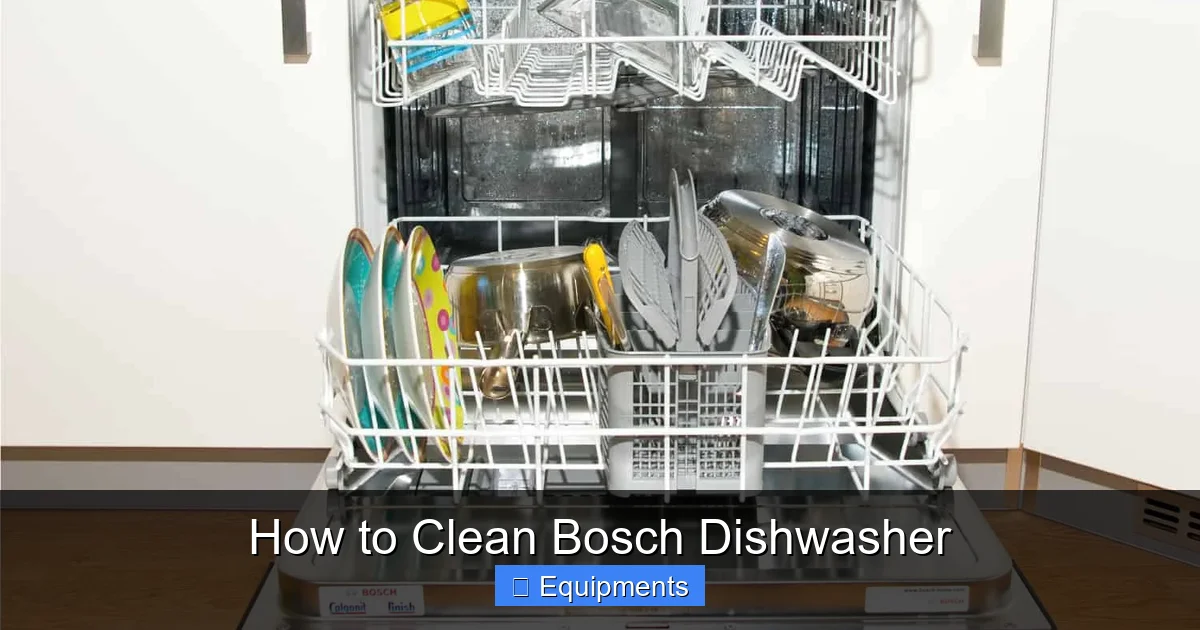
Small actions performed after each use add up to big results. Think of it like brushing your teeth – a quick rinse now prevents a big problem later.
Visual guide about How to Clean Bosch Dishwasher
Image source: kitchenseer.com
1.1. Rinse the filter after every wash
The filter sits at the bottom of the tub and catches food particles. If you leave it untouched, the debris can redeposit on dishes or clog the pump.
- Turn off the dishwasher and open the door.
- Locate the cylindrical filter (usually near the spray arm).
- Twist counter‑clockwise and lift it out.
- Rinse under warm running water. Use a soft brush to dislodge stubborn bits.
- Replace the filter, turning it clockwise until it clicks.
1.2. Wipe the door gasket
The rubber seal around the door is a magnet for moisture and food splatter. A quick wipe with a damp cloth after each cycle prevents mold growth.
- Use a soft, lint‑free cloth.
- For stubborn stains, dip the cloth in a solution of equal parts water and white vinegar.
- Dry the gasket with a clean towel.
1.3. Run a rinse‑aid or dishwasher cleaner weekly
Most Bosch models have a built‑in rinse‑aid dispenser. Filling it with a commercial rinse‑aid (or a cup of white vinegar) once a week keeps mineral film from building up on the interior walls and spray arms.
2. Monthly Deep Clean: The Power of Vinegar and Baking Soda
One month, you’ll notice a faint odor or a film on the glassware. That’s the perfect time for a deeper clean. The combination of white vinegar and baking soda is safe for Bosch machines and incredibly effective.

Visual guide about How to Clean Bosch Dishwasher
Image source: kitchenseer.com
2.1. Vinegar Wash
Vinegar is a natural acid that dissolves limescale and grease.
- Empty the dishwasher.
- Place a cup (250 ml) of white vinegar in a dishwasher‑safe bowl on the top rack.
- Run a hot water cycle (no detergent).
- When the cycle finishes, open the door and let the interior air‑dry for 15 minutes.
2.2. Baking Soda Rinse
Baking soda neutralizes odors and adds a fresh scent.
- Sprinkle about one cup of baking soda across the bottom of the tub.
- Run a short, hot water cycle (no detergent).
- After the cycle, wipe any remaining powder with a soft cloth.
2.3. What to Expect
After these two cycles, you should see clearer glassware, no lingering smells, and smoother operation of the spray arms. If mineral deposits are still visible, move on to a dedicated descaling agent (see Section 4).
3. Cleaning the Spray Arms
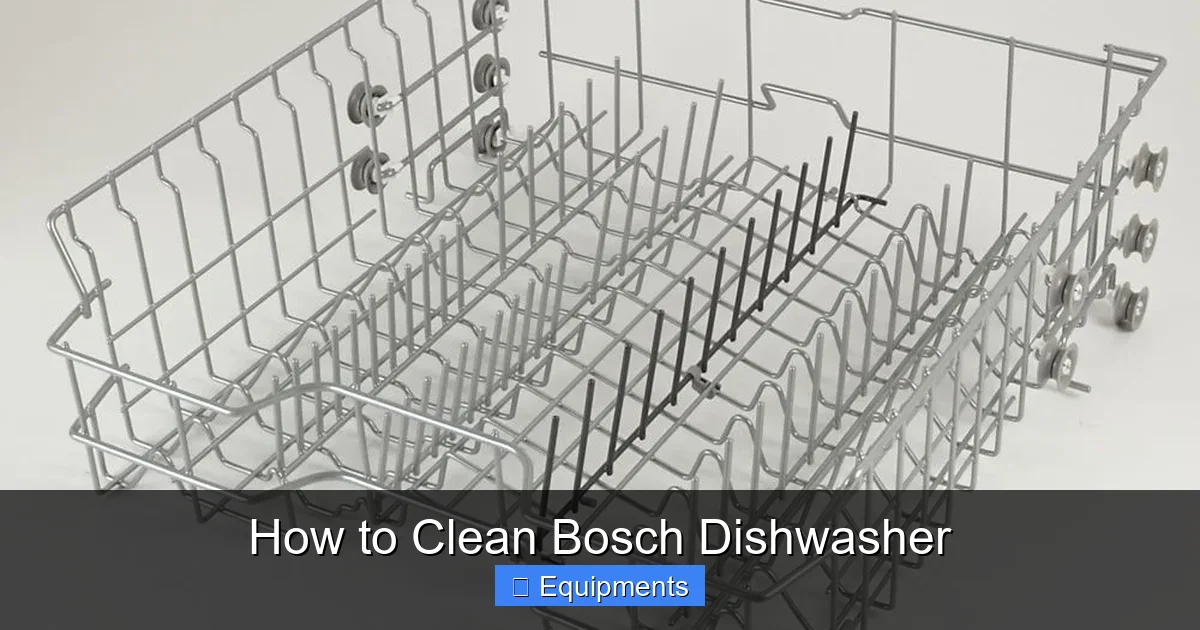
The spray arms are the heart of any dishwasher. They spin and spray water through tiny holes. If those holes get clogged, water won’t reach all surfaces, and you’ll end up with partially clean dishes.
Visual guide about How to Clean Bosch Dishwasher
Image source: i.ebayimg.com
3.1. Removing the spray arms
- Consult your Bosch user manual for exact removal instructions – most arms snap off with a gentle twist.
- Lay a towel on the floor to catch any water that may drip.
- Detach the lower arm first, then the upper arm if your model has one.
3.2. Clearing the holes
Use a thin object like a toothpick, a pin, or a dedicated spray‑arm cleaning brush.
- Insert the tool into each hole and gently move it back and forth.
- Rinse the arm under warm running water to flush out loosened debris.
- Inspect the arm for cracks; replace if damaged.
3.3. Reinstalling
Snap the arms back into place, ensuring they lock securely. Run a quick cycle (no dishes) to verify that water flows freely.
4. Dealing with Hard Water and Limescale
If you live in an area with hard water, mineral buildup can become a real problem. Even with regular vinegar cycles, you may need a stronger descaler every few months.
4.1. Choosing a descaling product
Look for a product that is labeled “safe for Bosch” or “compatible with stainless steel interiors.” Avoid chlorine‑based cleaners, as they can damage seals.
4.2. How to run a descaling cycle
- Empty the dishwasher.
- Place the descaling tablet or liquid in the detergent compartment.
- Select the “Intensive” or “Heavy‑Duty” cycle (the hottest setting).
- Allow the cycle to complete; the machine may pause briefly as the product works.
- When finished, run an additional rinse‑only cycle to flush any residue.
4.3. Preventive measures
Installing a water softener or using a rinse‑aid with built‑in water‑softening agents can reduce the frequency of descaling. Check the rinse‑aid label for “water softener” claims.
5. Exterior Care and Finishing Touches
The outside of your Bosch dishwasher also deserves attention. A clean exterior not only looks good but also prevents grime from entering the door seal.
5.1. Cleaning the stainless‑steel front
- Wipe with a soft, damp cloth.
- For fingerprints, use a stainless‑steel cleaner or a mixture of water and a few drops of dish soap.
- Dry with a microfiber towel to avoid streaks.
5.2. Cleaning the control panel
Buttons and touchpads can collect oils from hands.
- Use a slightly damp cloth (no excess water).
- A gentle wipe with a cotton swab dipped in isopropyl alcohol can remove stubborn grime.
- Avoid spraying any liquid directly onto the panel.
5.3. Maintaining the floor and surrounding area
Spills from detergent or food can create a sticky ring around the dishwasher.
- Wipe the floor with a mild all‑purpose cleaner weekly.
- Check the drain hose for kinks or blockages.
6. When to Call a Professional
Even the most diligent homeowner may encounter issues that require a technician. Knowing the signs saves time and prevents costly repairs.
6.1. Persistent odors after cleaning
If smells remain despite vinegar and baking‑soda cycles, there may be a hidden mold spot in the drain pump or a stuck food particle in the hidden spray‑arm channel.
6.2. Water not heating
Bosch dishwashers have a built‑in heater. If dishes come out cold, the heating element or thermostat could be faulty.
6.3. Error codes
Modern Bosch models display error codes on the panel. Refer to the manual for the meaning, then decide whether it’s a DIY fix or a service call.
6.4. Scheduling regular service
Many manufacturers recommend a professional inspection every 2–3 years. A service visit can include a thorough internal cleaning, gasket inspection, and performance test.
Conclusion: A Sparkling Dishwasher in Simple Steps
Cleaning your Bosch dishwasher doesn’t have to be a chore. By adding a few quick habits – rinsing the filter, wiping the gasket, and using rinse‑aid – you keep the machine running efficiently every day. Monthly vinegar and baking‑soda cycles tackle deeper grime, while occasional descaling handles hard‑water challenges. Don’t forget the spray arms, exterior, and occasional professional check‑up.
Follow this guide, and you’ll enjoy spotless dishes, a fresh‑smelling kitchen, and a dishwasher that lasts for years. Happy cleaning!
Frequently Asked Questions
How often should I clean the filter in my Bosch dishwasher?
Ideally, rinse the filter after each wash. A thorough cleaning with warm water and a soft brush once a week keeps it free of buildup.
Can I use regular dish soap for cleaning the interior?
No. Regular dish soap creates excess suds that can damage the pump. Stick to white vinegar, baking soda, or a Bosch‑approved cleaner.
What if I notice a film on my glasses after cleaning?
Run a vinegar cycle followed by a baking‑soda rinse. If the film persists, you may need a descaling agent to remove mineral deposits.
Is it safe to use bleach inside a Bosch dishwasher?
Bleach can degrade rubber seals and the stainless‑steel interior over time. Use it only if the manufacturer explicitly approves it.
My dishwasher makes a loud grinding noise. What should I do?
Turn off the machine, remove the bottom rack, and inspect the spray arm and pump area for foreign objects. If the noise continues, call a professional.
Do I need to clean the dishwasher if I use a rinse‑aid every week?
Rinse‑aid helps prevent mineral film, but you still need to clean the filter, gasket, and spray arms regularly to remove food particles and prevent odors.