Loading a Samsung dishwasher correctly can dramatically improve cleaning results and extend the life of your appliance. Follow these simple, friend‑like guidelines to arrange plates, pots, and utensils for optimal water flow, prevent damage, and enjoy spotless dishes every time.
Key Takeaways
- Understanding How To Load Samsung Dishwasher: Provides essential knowledge
📑 Table of Contents
Introduction: Why Proper Loading Matters
Imagine opening your Samsung dishwasher after a full cycle and finding food‑stuck plates, cloudy glasses, and a lingering smell. Frustrating, right? The truth is, most cleaning problems aren’t caused by a faulty machine—they’re caused by how we load it.
Samsung dishwashers are equipped with advanced sensors, powerful spray arms, and flexible racks. When you respect the design, the appliance does the heavy lifting. When you cram everything in, you block water flow, create turbulence, and waste energy. This guide walks you through the exact steps to load any Samsung dishwasher model so you get sparkling results with minimal effort.
1. Know Your Samsung Dishwasher Layout
Bottom Rack: The Workhorse
The bottom rack handles the toughest jobs: pots, pans, plates, and larger items. Most Samsung models feature a steel frame with adjustable tines and a fold‑down third level. Understanding each component helps you decide where to place each dish.
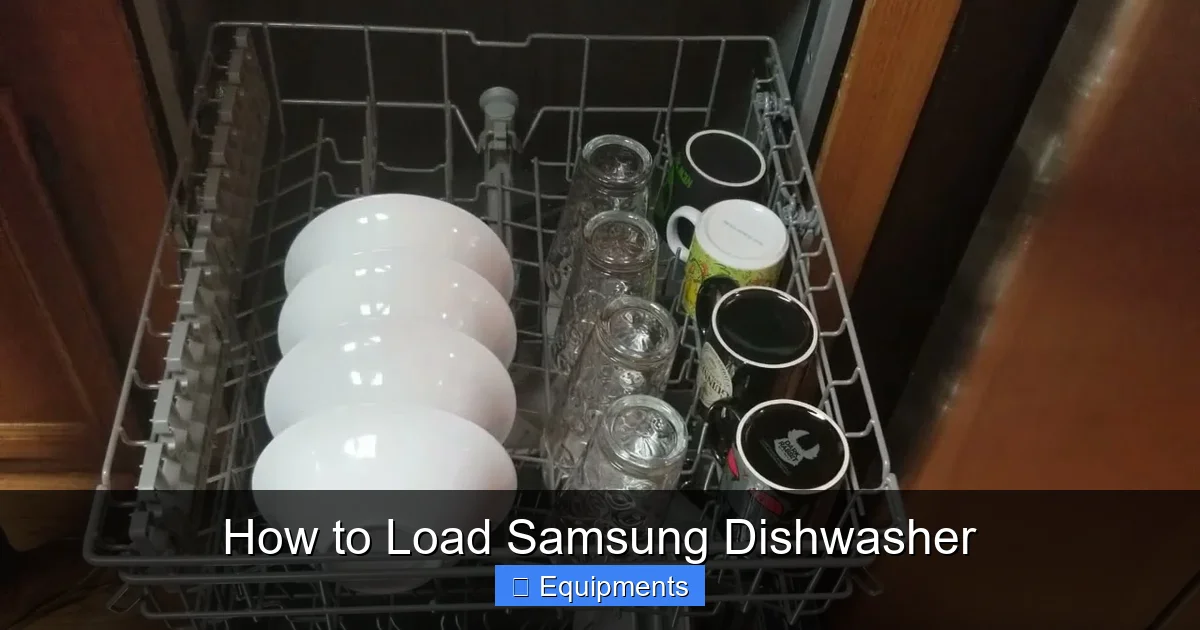
Visual guide about How to Load Samsung Dishwasher
Image source: i.ytimg.com
- Side rails: Ideal for tall items like casserole dishes.
- Adjustable tines: Move them to create extra width for large plates.
- Fold‑down third level: Use it for cutting boards or baking trays when you need extra height.
Top Rack: The Delicate Zone
The top rack is designed for glasses, mugs, small bowls, and plastic containers. Its position under the upper spray arm means it receives a gentler spray, protecting fragile items.
- Stemware holders: Keep them upright to prevent water spots.
- Adjustable tines: Slide them apart for taller mugs.
- Cutlery basket: Most Samsung models have a dedicated basket that flips for easy loading.
Silverware Basket: Small but Mighty
Place forks, knives, and spoons with handles down for knives (to avoid accidents) and spoons/forks mixed up for better water exposure. Some newer Samsung units feature a “dual‑zone” basket that separates flatware from cooking utensils.
2. Preparing Dishes Before Loading
Scrape, Don’t Rinse
Modern Samsung dishwashers use soil sensors to detect how dirty the water is. A quick scrape removes large food particles, but rinsing under the tap is usually unnecessary. Over‑rinsing wastes water and can confuse the sensor, leading to a weaker wash.
Visual guide about How to Load Samsung Dishwasher
Image source: i2.wp.com
Sort by Size and Material
Group similar items together. Heavy, heat‑resistant pieces (ceramic, stainless steel) go on the bottom; lightweight, heat‑sensitive items (plastic, glass) stay on top. This prevents warping and ensures each item gets the right amount of water pressure.
Check for Damage
Before loading, inspect dishes for cracks or chips. Broken glass can shatter during the wash and damage the interior. Discard any compromised items to keep your dishwasher safe.
3. Step‑by‑Step Loading Guide
Step 1: Load the Bottom Rack First
1. Place large plates in the center, angled about 15° toward the spray arm.

Visual guide about How to Load Samsung Dishwasher
Image source: momswhothink.com
2. Load bowls and casserole dishes on the side rails, ensuring they don’t block the rotating arm.
3. Position pots and pans upside down on the rack’s outer edge; this maximizes water contact.
4. If you have a third‑level fold‑down, use it for cutting boards or baking trays that need extra clearance.
Step 2: Arrange the Top Rack
1. Insert glasses between the tines, stems down.
2. Place mugs on the outer edge, handles facing inward to keep them stable.
3. Small bowls and plastic containers go in the middle, angled slightly.
4. Avoid stacking items; each piece needs its own space for water to reach all surfaces.
Step 3: Fill the Silverware Basket
1. Mix spoons, forks, and knives for balanced water flow.
2. Place knives with blades down to protect your hands when you unload.
3. If your Samsung model has a dual‑zone basket, put cooking utensils (spatulas, tongs) in the larger compartment.
Step 4: Double‑Check for Obstructions
Rotate the lower spray arm by hand; it should spin freely. Look at the upper arm and ensure no tall item blocks its rotation. If anything touches the arm, reposition it.
Step 5: Select the Right Cycle
Samsung dishwashers offer Eco, Normal, Heavy‑Duty, and Quick Wash. Match the cycle to the load:
- Lightly soiled glasses: Quick Wash.
- Everyday dishes: Normal or Eco.
- Heavily soiled pots: Heavy‑Duty.
4. Tips for Special Items
Delicate China and Hand‑Painted Ceramics
Use the “Gentle” or “China” cycle if your Samsung model includes it. Place these items on the top rack, away from the spray arm’s direct path.
Plastic Containers
All Samsung dishwashers have a “High‑Temp” option for plastics. If your model lacks it, place plastics on the top rack’s outer edge where water is cooler, preventing warping.
Stainless Steel Pans
Load them upside down on the bottom rack’s outermost slots. Avoid placing them directly against the side walls; this can cause scratches.
Large Baking Sheets
Lay them flat on the bottom rack’s third level (if available) or on the side rails. Ensure they don’t block the spray arm.
5. Maintenance Hacks to Keep Loading Easy
Clean the Spray Arms Regularly
Remove the arms (most Samsung models have a quick‑release clip) and rinse under running water. Use a toothpick to clear clogged holes.
Check the Filter
The filter catches food particles; a clogged filter reduces cleaning power. Clean it monthly by removing debris and rinsing with warm water.
Run a “Self‑Clean” Cycle
Many Samsung dishwashers have a dedicated cleaning program. Run it once a month with a dishwasher cleaner to dissolve limescale and grease.
Use the Right Detergent
Samsung recommends pods or powder with a built‑in rinse aid. Avoid excessive detergent; it can leave residue on dishes and inside the machine.
Conclusion: Mastering the Load for Spotless Results
Loading a Samsung dishwasher isn’t rocket science—it’s about respecting the machine’s design and giving water a clear path. By following the steps above, you’ll enjoy brighter glasses, cleaner plates, and a longer‑lasting appliance. Remember: scrape, don’t rinse; angle plates; keep spray arms clear; and match the cycle to the load. With a little practice, loading becomes second nature, and every wash feels like a win.
Frequently Asked Questions
What is the best way to load plates in a Samsung dishwasher?
Place plates in the bottom rack, angled about 15 degrees toward the center spray arm, and avoid overlapping them. This ensures water reaches every surface.
Do I need to pre‑rinse dishes before loading?
Only scrape off large food pieces. Samsung’s sensors detect soil levels, so pre‑rinsing usually isn’t necessary and can waste water.
Can I wash plastic containers on the top rack?
Yes, but place them on the outer edge of the top rack where the water is cooler. Use the “High‑Temp” option if your model offers it to prevent warping.
What should I do if the spray arm is blocked?
Remove the arm, clear any debris with a toothpick or soft brush, and reinstall it. Ensure no tall items are touching the arm before starting a cycle.
How often should I clean the dishwasher filter?
Clean the filter at least once a month, or more often if you notice food particles on dishes. A clean filter maintains optimal cleaning performance.
Is it okay to load the dishwasher completely full?
Fill the dishwasher but leave enough space for water to circulate. Overloading blocks spray arms and leads to poor cleaning results.