Cleaning an electric griddle doesn’t have to be a chore. With a few simple tools, the right routine, and a bit of patience, you can keep your griddle looking brand new and cooking perfectly every time. Follow our friendly guide to make the process fast, safe, and effective.
Key Takeaways
- Routine matters: Clean after every use to prevent buildup and rust.
- Cool down first: Always let the griddle cool to a safe temperature before wiping.
- Use the right tools: Soft scrapers, non‑abrasive pads, and mild cleaners protect the surface.
- Season regularly: Light oiling after cleaning maintains non‑stick performance.
- Deep clean quarterly: A thorough soak and scrub removes stubborn residue.
- Safety first: Unplug the unit and avoid harsh chemicals that can damage components.
- Maintenance extends life: Proper cleaning adds years to your electric griddle’s lifespan.
📑 Table of Contents
- Introduction: Why Cleaning Your Electric Griddle Is So Important
- 1. Gather the Right Tools and Supplies
- 2. Safety First: Power Down and Cool Off
- 3. Daily Cleaning Routine (After Every Use)
- 4. Deep Cleaning: Tackling Stubborn Grease and Burnt‑On Food
- 5. Maintaining the Exterior and Controls
- 6. Tips for Extending the Life of Your Electric Griddle
- Conclusion: A Clean Griddle Is a Happy Griddle
Introduction: Why Cleaning Your Electric Griddle Is So Important
Imagine you just finished a big breakfast of pancakes, bacon, and eggs on your electric griddle. The surface is slick with grease, and the smell of cooked food lingers in the air. You love the convenience, but if you ignore the mess, the next meal will be a disaster. Food particles will burn, flavors will mix, and the non‑stick coating can wear down.
Cleaning an electric griddle is not just about appearance. It protects the heating elements, keeps the temperature even, and prevents nasty odors. A clean griddle also means safer cooking—no lingering bacteria or old food bits. In short, a well‑maintained griddle cooks better, lasts longer, and stays safe.
1. Gather the Right Tools and Supplies
Basic cleaning kit
Before you start, collect everything you need. Having the right tools makes the job quick and prevents damage.
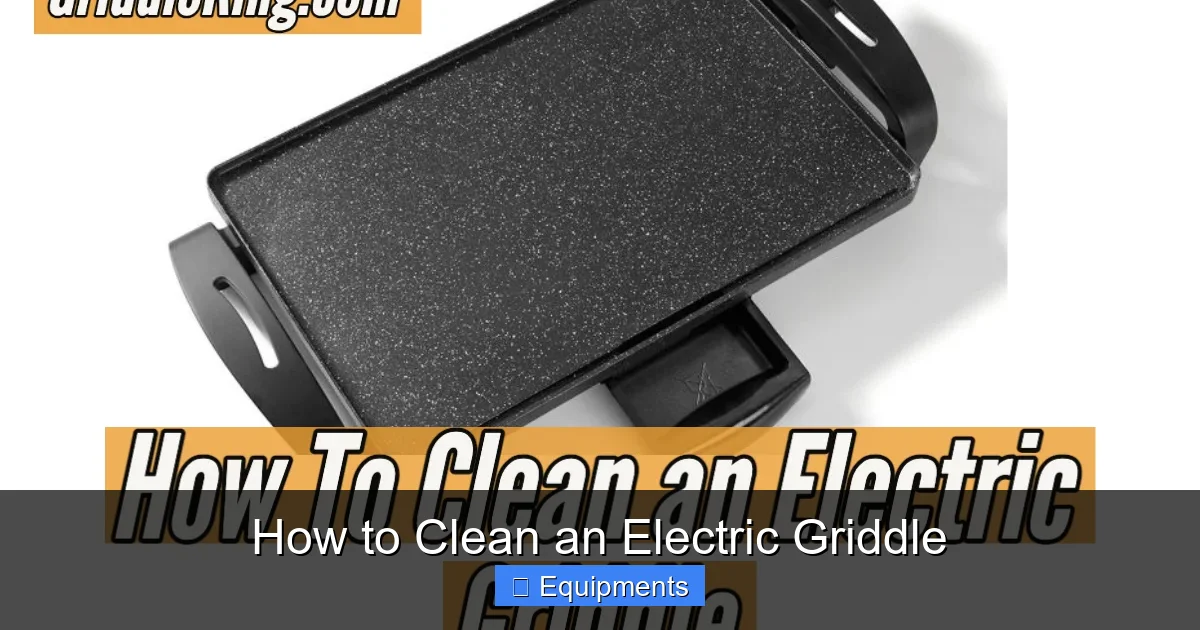
Visual guide about How to Clean an Electric Griddle
Image source: i0.wp.com
- Soft plastic scraper: Ideal for loosening stuck-on food without scratching.
- Non‑abrasive sponge or microfiber cloth: Gentle on the surface but effective at wiping grease.
- Warm water: The universal solvent for most food residues.
- Mild dish soap: Removes oil without harming the coating.
- White vinegar or lemon juice: Natural degreaser for stubborn spots.
- Cooking oil (vegetable or canola): Used for re‑seasoning after cleaning.
- Paper towels or clean rags: For drying and polishing.
Optional but helpful items
- Heat‑resistant silicone brush – great for scrubbing corners.
- Plastic or wooden spatula – to lift larger food pieces.
- Commercial griddle cleaner – choose a product labeled safe for non‑stick surfaces.
2. Safety First: Power Down and Cool Off
Unplug the unit
Never clean a hot, plugged‑in griddle. Even if the surface feels cool, the internal heating elements can stay hot for minutes. Unplug the appliance and place it on a stable, heat‑resistant surface.
Visual guide about How to Clean an Electric Griddle
Image source: griddlekingdom.com
Let it cool to a safe temperature
The ideal cooling point is around 120°F (49°C). At this temperature the grease is still soft enough to wipe, but you won’t risk a burn. If you’re in a hurry, turn the temperature dial to “off” and wait 10‑15 minutes.
3. Daily Cleaning Routine (After Every Use)
Step 1 – Scrape the surface
Take your soft plastic scraper and gently push any stuck‑on bits toward the edge. Work from the back to the front so you don’t push debris onto clean areas. Use a light hand; you don’t need force.
Visual guide about How to Clean an Electric Griddle
Image source: anniversarygifts.shop
Step 2 – Wipe with warm, soapy water
Dip a non‑abrasive sponge in warm water mixed with a few drops of dish soap. Squeeze out excess liquid—too much water can seep into the edges and damage the wiring.
Wipe the entire cooking surface in a circular motion. The soap lifts grease, while the warm water keeps the coating supple.
Step 3 – Rinse and dry
Take a clean, damp cloth and run it over the surface to remove any soap residue. Then pat the griddle dry with paper towels or a soft rag. Moisture left on the surface can cause rust on the metal edges.
Step 4 – Lightly oil the surface
Using a paper towel, spread a thin layer of cooking oil over the whole area. This step re‑season’s the surface, maintains the non‑stick quality, and creates a barrier against rust.
4. Deep Cleaning: Tackling Stubborn Grease and Burnt‑On Food
When to deep clean
Plan a deep clean every 2‑4 weeks, or sooner if you notice smoke, discoloration, or a sticky feel. This process removes buildup that daily cleaning can’t handle.
Step 1 – Warm the griddle slightly
Set the temperature to low (around 200°F / 93°C) for 5 minutes. Warm grease softens, making it easier to scrape. Do not overheat; the goal is just to loosen, not to burn.
Step 2 – Use a vinegar‑water solution
Mix equal parts white vinegar and warm water in a spray bottle. Spray the surface generously and let it sit for 2‑3 minutes. The acidity breaks down grease without harsh chemicals.
Step 3 – Scrape and scrub
Take the plastic scraper and gently lift the softened residue. For tougher spots, dip a non‑abrasive pad in the vinegar solution and scrub in small circles. Avoid steel wool— it will scratch the coating.
Step 4 – Rinse thoroughly
Wipe the griddle with a clean, damp cloth until all vinegar smell disappears. A second rinse with plain water ensures no cleaning agents remain.
Step 5 – Dry and season
Pat the surface dry, then apply a thin coat of cooking oil. Heat the griddle on low for 5 minutes to let the oil polymerize. This creates a smooth, protective layer.
5. Maintaining the Exterior and Controls
Cleaning the outer shell
Use a soft cloth dampened with mild soap and water to wipe the metal housing. Avoid abrasive cleaners that can scratch the finish. For stainless‑steel models, a stainless‑steel cleaner can bring back the shine.
Control knobs and dials
Dust and grease can accumulate around knobs. Use a cotton swab dipped in a little soapy water to clean crevices. Dry with a clean rag to prevent moisture from seeping inside.
Electrical cord care
Never submerge the cord. Wipe it with a dry cloth. If you notice fraying, replace the cord immediately— safety first.
6. Tips for Extending the Life of Your Electric Griddle
Season regularly
Even after cleaning, a light oil coat after each use keeps the surface non‑stick and protects against rust.
Avoid metal utensils
Metal spatulas can gouge the coating. Stick with silicone, wood, or plastic tools.
Don’t overheat
High temperatures can degrade the non‑stick layer. Most recipes cook well at 350‑400°F (177‑204°C). Use a thermometer if you’re unsure.
Store properly
If you need to store the griddle, place a sheet of parchment paper between the plate and the lid to prevent scratches. Keep it in a dry place.
Check for wear
Inspect the surface monthly. If the coating is flaking or the heating element shows signs of damage, it may be time to replace the unit.
Conclusion: A Clean Griddle Is a Happy Griddle
Cleaning an electric griddle is simple when you follow a routine. A quick daily wipe, a periodic deep clean, and a little seasoning go a long way. Your griddle will stay efficient, your food will taste better, and you’ll avoid costly repairs.
Remember, safety is the first step—always unplug and let the unit cool. Use gentle tools, avoid harsh chemicals, and treat the surface with respect. With these habits, you’ll enjoy perfect pancakes, crispy bacon, and everything in between for many years to come.
Frequently Asked Questions
How often should I clean my electric griddle?
Wipe it after every use and do a deep clean every 2‑4 weeks, or sooner if you see buildup or burnt spots.
Can I use steel wool on the cooking surface?
No. Steel wool is too abrasive and will damage the non‑stick coating. Use a soft plastic scraper or non‑abrasive pads instead.
Is it safe to use commercial griddle cleaners?
Yes, as long as the product states it is safe for non‑stick surfaces. Always rinse thoroughly to remove any residue.
Do I need to season my electric griddle after cleaning?
Yes. A thin layer of cooking oil after each cleaning helps maintain the non‑stick performance and prevents rust.
What should I do if the heating element stops working?
Unplug the griddle, let it cool, and inspect the cord and connections. If the problem persists, contact the manufacturer or a qualified repair service.
Can I clean the griddle with a dishwasher?
No. The electrical components and heating elements can be damaged by water. Stick to hand‑washing methods described above.
