Dehydrating zucchini in your oven is a simple, cost-effective way to preserve your summer garden surplus or market finds. By slicing zucchini thinly and using low heat, you can create crispy chips for snacking or dried strips perfect for adding to soups and stews. This method requires no special equipment beyond your oven and a bit of patience, locking in flavor and nutrients for year-round use.
Have you ever found yourself staring at a mountain of zucchini from your garden or a fantastic farmer’s market deal, wondering how on earth you’re going to use it all before it goes bad? You’ve made bread, grilled it, and maybe even hidden some in pasta sauce. But what if you could capture that fresh, summery flavor and nutrients for months to come, without needing a bulky, expensive dehydrator? The answer is already in your kitchen: your oven. Learning how to dehydrate zucchini in oven is a game-changing skill for any home cook, gardener, or savvy meal prepper. It transforms a fleeting seasonal bounty into a shelf-stable, versatile ingredient that’s ready to elevate your cooking any day of the year.
This isn’t just about making zucchini chips, though that’s a delicious perk! Dehydrating, or drying, removes the water content from the vegetable, concentrating its flavor and naturally preserving it. When you later rehydrate those dried strips, they soak up broth or sauce beautifully, adding body and nutrition to soups, stews, and casseroles. The process is wonderfully forgiving and requires minimal active time. Let’s walk through every single step, from selecting the perfect squash to storing your dried treasures, ensuring you become a confident oven-drying pro.
Key Takeaways
- Understanding How To Dehydrate Zucchini In Oven: Provides essential knowledge
📑 Table of Contents
Why Dehydrate Zucchini? The Flavorful Benefits
Before we dive into the “how,” let’s talk about the “why.” Dehydrating zucchini offers benefits that freezing or canning simply can’t match. It’s a preservation method that’s as practical as it is rewarding.
Maximize Your Harvest and Reduce Waste
For gardeners, zucchini is famously prolific. One or two plants can easily supply a family, and often more than they can consume fresh. Dehydrating allows you to capture that peak-of-season freshness and nutrition without the energy costs of freezing or the space requirements of canning. It’s the ultimate tool for fighting food waste. Instead of letting extra zucchinis get soft and moldy in the crisper drawer, you can turn them into a valuable pantry staple in an afternoon.
Unlock Intense, Concentrated Flavor
When you remove water, you remove volume, but you amplify taste. Dried zucchini has a wonderfully sweet, earthy, and concentrated flavor. This makes it a fantastic secret ingredient. A handful of rehydrated strips stirred into a minestrone or vegetable soup adds a depth that fresh zucchini simply can’t provide after long cooking. It’s like having a splash of summer in your winter bowl.
Create Light, Crispy, Healthy Snacks
Let’s be honest—zucchini chips are the star of the show for many. When sliced thin and dried until crisp, they become a satisfying, low-calorie, gluten-free snack. You control the ingredients: a drizzle of olive oil, a sprinkle of sea salt, and maybe a touch of garlic powder or nutritional yeast. They’re a far cry from greasy potato chips and are a hit with kids and adults alike. The oven method makes achieving that perfect crispness totally accessible.
Save Precious Kitchen and Storage Space
Dried food is incredibly compact. A large bowl of fresh zucchini will shrink down to a mere cup or two of dried slices. This is a boon for those with small kitchens or limited freezer space. A single gallon-sized mason jar can hold dozens of servings of dried zucchini, taking up the same space as a few cans of soup but offering far more versatility.
Essential Equipment: What You Really Need
The beauty of oven dehydration is its simplicity. You likely have everything you need already. Here’s your checklist:

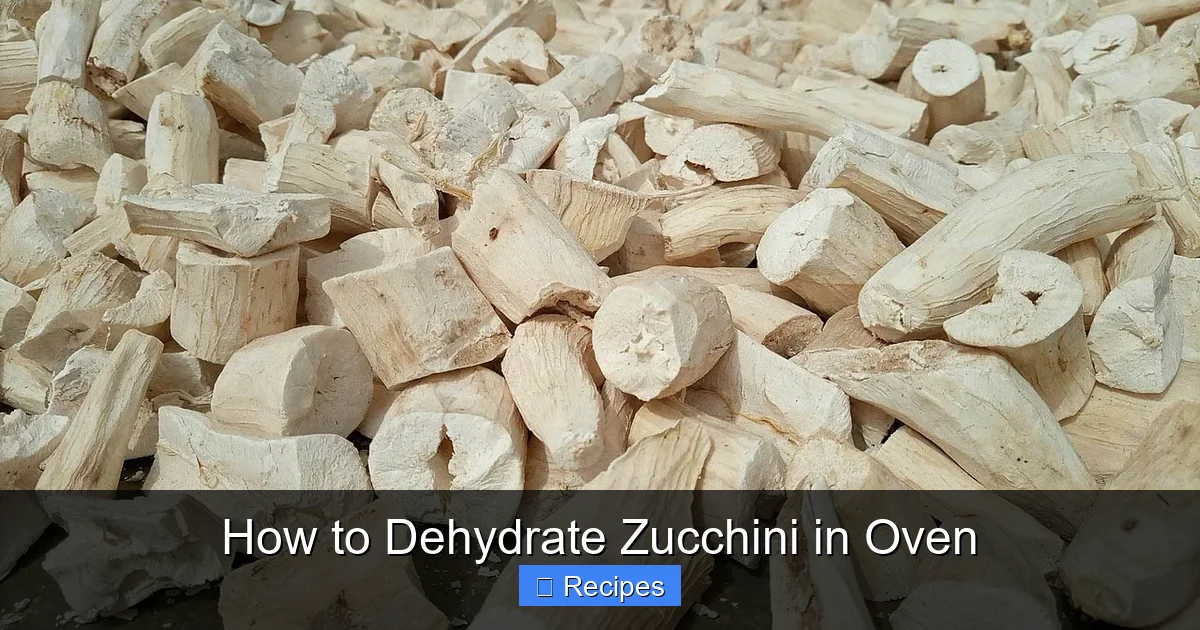
Visual guide about How to Dehydrate Zucchini in Oven
Image source: recipes.net
- A Reliable Oven: This is your main tool. The key is that it can maintain a low temperature consistently, ideally between 125°F and 150°F (50°C-65°C). Many newer ovens have a “warm” setting that works perfectly. If yours runs hot, you’ll need to be extra vigilant.
- Baking Sheets: Use heavy-duty, rimmed baking sheets (like half-sheet pans). The rim prevents slices from sliding off. Avoid dark non-stick sheets if possible, as they can absorb too much heat and risk browning.
- Parchment Paper or Silpat Mats: These are essential for easy cleanup and to prevent sticking. Do not use wax paper, as it can melt or smoke in the oven.
- A Sharp Knife or Mandoline: For uniform slicing. A mandoline is a huge time-saver and ensures every slice is the exact same thickness, which is critical for even drying.
- Paper Towels or Clean Kitchen Towels: For patting zucchini dry after washing.
- Cooling Racks (Optional but Helpful): Placing racks on top of the baking sheets can improve air circulation around the slices, leading to more even drying.
- An Oven Thermometer (Highly Recommended): Do not trust your oven’s dial. Many ovens can be 25-50°F off. An inexpensive oven thermometer will tell you the true temperature inside, which is vital for successful dehydration without cooking.
- Storage Containers: Glass mason jars with airtight lids, vacuum-seal bags, or high-quality resealable Mylar bags with oxygen absorbers for long-term storage.
The Step-by-Step Process: From Garden to Jar
Now for the hands-on part. Follow these steps closely for perfect results every time.
Visual guide about How to Dehydrate Zucchini in Oven
Image source: recipes.net
Step 1: Selection and Preparation
Choose zucchini that is firm, unblemished, and at the peak of freshness. Smaller to medium-sized zucchinis (6-8 inches) are ideal, as they have fewer seeds and a tighter, less watery flesh. Very large, seedy zucchinis are better for baking where you grate and squeeze them dry. For drying, you want that firm, meaty texture.
Wash the zucchini thoroughly under cool running water. You can peel it if you prefer a more uniform texture and color in your final product, but the skin adds fiber and nutrients. Pat them completely dry with paper towels. Any surface moisture will steam the slices initially and prolong drying time.
Step 2: The Critical Slice
This is the most important step for success. You have two primary options:
- Rounds (for Chips): Slice the zucchini crosswise into uniform 1/4-inch (about 6mm) rounds. This is the classic for crispy chips. Use a mandoline for perfect consistency.
- Lengthwise Strips (for Stews): Slice the zucchini lengthwise into 1/4-inch planks, then cut those planks into 1/4-inch strips. These strips rehydrate beautifully in soups and stews, mimicking the texture of diced fresh zucchini.
Pro Tip: For ultra-crispy chips, some enthusiasts slice even thinner (1/8-inch), but these can become fragile. Start with 1/4-inch for your first batch. Consistency is key—a mix of thick and thin slices will result in some burning while others are still leathery.
Step 3: Pre-Treatment (The Optional but Recommended Step)
Zucchini is over 95% water. A quick pre-treatment can help reduce that water content upfront, speeding up drying time and improving texture.
- For Chips (Crispy Texture): Toss your slices very lightly with 1-2 teaspoons of a neutral oil (like avocado or grapeseed) and a pinch of fine sea salt. This helps them crisp up and seasons them from the inside. Spread them in a single layer on your prepared baking sheets.
- For Stew Strips (Leathery Texture): You can skip the oil. For an extra flavor boost, you can sprinkle the strips with a tiny amount of onion powder, garlic powder, or dried herbs before drying. However, many prefer to season the dish itself after rehydration for more control.
Important: Whether you use oil or not, ensure your baking sheets are lined with parchment paper or a Silpat. This prevents sticking and makes transferring the dried pieces effortless.
Step 4: Oven Setup and Drying Time
Preheat your oven to its lowest possible setting. Aim for 125°F to 150°F (50°C-65°C). If your oven’s lowest is 170°F (77°C), you’ll need to prop the door open slightly with a wooden spoon or a heat-safe silicone pad. This is crucial to let the moist air escape and prevent the temperature from climbing too high. Use your oven thermometer to monitor the actual temperature inside.
Arrange your zucchini slices in a single layer on the prepared baking sheets. Do not overlap them. If using multiple sheets, rotate them from top to bottom rack halfway through drying for even exposure to heat.
Place the sheets in the oven. The drying time will vary dramatically based on your oven’s true temperature, humidity, slice thickness, and whether you used oil. Expect anywhere from 4 to 10 hours. Do not rush this. Check the pieces every hour after the 4-hour mark.
Step 5: How to Test for Doneness
Knowing when your zucchini is perfectly dry is the final key to success. There are two main end goals:
- For Crispy Chips: Remove a chip from the oven. Let it cool for a minute (it crispens as it cools). It should be brittle and snap cleanly when bent. If it bends or feels leathery or chewy, it needs more time.
- For Stew Strips: They should be dry to the touch, pliable, and leathery. You should be able to bend them without them breaking. They will not be crispy like a chip. There should be no visible moisture pockets. When you tear one, the inside should be dry and uniform in color.
If you’re unsure, it’s better to overdry slightly than underdry. Under-dried zucchini will develop mold in storage, ruining your entire batch.
Step 6: Conditioning and Storage
Once your zucchini is dry, turn off the oven and let the pieces cool completely on the baking sheets. This prevents condensation from forming on them. After cooling, place the dried zucchini in a large, clean glass jar or bowl. Seal it and let it sit for 7-10 days. This “conditioning” period allows any remaining latent moisture to equalize throughout the batch. Check the jar daily. If you see any condensation on the walls, the pieces need more drying time. If after 10 days the jar is dry and the pieces are still brittle/leathery, you’re ready for long-term storage.
For storage longer than a few months, use vacuum-seal bags or glass jars with new oxygen absorbers. Store in a cool, dark, dry place—a pantry or cupboard away from the stove and sunlight. Properly dried and stored zucchini can last for 12-18 months.
Troubleshooting Common Oven Dehydration Issues
Even with a great guide, things can go awry. Here’s how to fix the most common problems.

Visual guide about How to Dehydrate Zucchini in Oven
Image source: recipes.net
Problem: My zucchini chips are soggy/chewy, not crispy.
Solution: This almost always means they weren’t dried long enough or your oven temperature was too high, causing them to cook (set the exterior) before the interior moisture could escape. Next time, slice 1/8-inch thinner, ensure your oven temp is truly at or below 150°F with the door propped, and extend drying time. The pieces must snap when fully cooled.
Problem: The edges are burning while the centers are still wet.
Solution: Your oven likely has hot spots, or the temperature is too high. Rotate your baking sheets more frequently (every 1-2 hours). Consider using a cooling rack on top of the baking sheet to lift the slices away from the direct pan heat. Lower your oven temperature if possible.
Problem: My dried strips are sticking to the parchment paper.
Solution: This can happen if the pieces are slightly damp when you try to remove them. Let them cool on the sheet completely. They should release easily. If sticking persists, try a Silpat mat instead of parchment, or lightly dust the parchment with cornstarch before laying the slices down.
Problem: I see moisture droplets inside my storage jar after a few days.
Solution: Your batch was not fully conditioned or dried. This is a red flag for imminent mold. Immediately remove the pieces and return them to the oven (at its lowest temp) for another 1-2 hours. Let cool completely and re-condition in a new, dry jar. If condensation reappears, the batch is likely unsalvageable and should be composted to avoid mold spores.
Creative Ways to Use Your Dehydrated Zucchini
You’ve put in the drying time—now enjoy the fruits of your labor! Beyond chips, the possibilities are endless.
For the Chips: Simple Snacking and Toppings
Enjoy your crispy chips plain, or experiment with seasonings before drying: smoked paprika, cinnamon and sugar (for a sweet twist), curry powder, or grated Parmesan. Crush them over salads for a crouton-like crunch, or use them as a low-carb, veggie-packed topping for casseroles instead of fried onions.
For the Strips: The Soup & Stew Superhero
This is their true superpower. Add a handful of dried strips directly to simmering soups, stews, chilis, or braises in the last 20-30 minutes of cooking. They will rehydrate and soften, adding body, texture, and a concentrated zucchini flavor. They’re fantastic in minestrone, vegetable barley soup, or beef stew.
Boost Baked Goods and Breakfasts
Rehydrate strips in a little milk or water, squeeze out excess, and chop them up to add to zucchini bread, muffins, or pancakes. You’ll get the moisture and nutrition without the extra water content of fresh grated zucchini, which can sometimes make batter soggy. You can also pulse dried chips in a food processor to create a savory “zucchini flour” to add to smoothies or baked goods for a nutrient boost.
Emergency Veggie Supply and Camping Food
Dried vegetables are lightweight and don’t require refrigeration. Pack portions of dried strips for backpacking trips or as part of an emergency food pantry. They rehydrate with just hot water. They also make a great, healthy addition to homemade trail mix when chopped small and baked until very crisp.
Conclusion: Your Pantry’s New Best Friend
Mastering how to dehydrate zucchini in oven is a small investment of time that pays dividends in kitchen convenience, reduced waste, and culinary creativity. It connects you to the rhythm of the seasons, allowing you to bottle up summer’s abundance. The process is forgiving, the equipment is minimal, and the results are profoundly useful. You’ll open your pantry to find a bag of golden, crispy chips for an afternoon pick-me-up, or a jar of dried strips ready to transform a simple weeknight soup into something special. So next time you see that beautiful, abundant zucchini, don’t just cook it—preserve it. Fire up your oven, slice it up, and start drying. Your future self, cozy in winter with a bowl of hearty soup, will thank you.
Frequently Asked Questions
Can I dehydrate zucchini without an oven thermometer?
While possible, it’s not recommended. Oven dials are notoriously inaccurate. Without a thermometer, you risk baking or burning your zucchini instead of gently drying it. An inexpensive oven thermometer is a crucial tool for success and consistent results.
How long will dehydrated zucchini last in storage?
When properly dried (brittle or leathery, with no moisture), conditioned, and stored in an airtight container with an oxygen absorber in a cool, dark, dry place, it will last for 12-18 months. Always check for signs of moisture or off smells before using.
Do I need to blanch zucchini before dehydrating?
No, blanching is not necessary for zucchini. Unlike green beans or carrots, zucchini’s cell structure breaks down easily. Blanching can actually make it more watery. Simply wash, slice, and dry. The low, slow oven heat is sufficient for preservation.
Can I mix zucchini with other vegetables when oven-drying?
Yes, but with caution. Different vegetables have different drying times and optimal temperatures. You can dry zucchini with other high-moisture, fast-drying veggies like mushrooms or bell peppers if sliced to similar thicknesses. Avoid mixing with root vegetables like carrots or beets, which require higher temperatures and much longer times.
What’s the best way to rehydrate dried zucchini strips for soups?
Simply add the dried strips directly to your simmering soup or stew about 20-30 minutes before it’s done. No need to pre-soak. They will absorb the flavorful liquid and become tender. For faster rehydration, you can soak them in hot water or broth for 15-20 minutes before adding.
My oven doesn’t go below 170°F. Can I still dehydrate zucchini?
Yes, but you must prop the oven door open significantly (2-4 inches) with a wooden spoon to allow heat and moisture to escape. You’ll need to monitor the internal temperature closely with a thermometer and may need to extend drying time. Be prepared for a longer process and watch closely to prevent cooking on the outside.