Storing chocolate long term requires precise control of temperature, humidity, and light exposure. The key is a cool, dark, and stable environment with airtight protection. Whether it’s a premium bar or baking chocolate, proper wrapping and container selection are non-negotiable for preserving flavor and texture for up to a year or more.
Key Takeaways
- Temperature is Critical: Store chocolate at a constant 60-70°F (15-21°C). Fluctuations cause fat and sugar bloom, ruining texture.
- Humidity Must Be Low: Keep relative humidity below 50%. Moisture is chocolate’s enemy, causing graininess and spoilage.
- Light and Oxygen Are Threats: UV light degrades flavor. Oxygen causes oxidation. Use opaque, airtight packaging.
- The Refrigerator/Freezer is a Last Resort: Only use for very warm climates with extreme caution to prevent condensation and odor absorption.
- Wrap It Like Your Chocolate’s Life Depends On It: Use multiple layers—foil or parchment first, then plastic or a vacuum bag—to create a total moisture and odor barrier.
- Store Different Chocolates Separately: Keep dark, milk, white, and filled chocolates in separate containers to prevent flavor transfer.
- Properly Stored Chocolate Lasts: Dark chocolate can last 1-2 years; milk and white chocolate 6-12 months. Always check for bloom or off smells before use.
📑 Table of Contents
- The Heartbreak of Bad Chocolate: Why Storage Truly Matters
- The Perfect Environment: Mastering Temperature and Humidity
- Packaging and Containers: Your Chocolate’s armor
- The Refrigerator and Freezer: Proceed with Extreme Caution
- Special Considerations: Not All Chocolate is Created Equal
- From Storage to Table: Using Your Preserved Chocolate
- Conclusion: A Long and Flavorful Life
The Heartbreak of Bad Chocolate: Why Storage Truly Matters
You know the feeling. You saved a beautiful, expensive bar of single-origin dark chocolate for a special moment. You unwrap it with anticipation, only to find a dusty, streaky surface and a grainy, crumbly snap. Your heart sinks. That chocolate didn’t spoil in the way milk goes sour; it suffered from poor storage conditions. This isn’t just about keeping it from melting. It’s about preserving a complex, delicate food science masterpiece. Learning how to store chocolate long term is a skill that saves money, reduces waste, and ensures that whenever you decide to indulge or bake, your chocolate performs exactly as the chocolatier intended.
The goal of long-term storage is to slow the inevitable. Chocolate is a stable product, but it’s vulnerable to four primary environmental threats: heat, humidity, light, and oxygen. These forces work together to trigger two main types of “bloom”—fat bloom and sugar bloom—and eventually, rancidity of the cocoa butter. Fat bloom appears as a white, streaky, or speckled film on the surface, caused by cocoa butter crystals migrating to the surface due to temperature fluctuations. It’s safe to eat but has an unappealing texture. Sugar bloom is a gritty, dry white coating from moisture drawing sugar to the surface. It’s also safe but unpleasant. True spoilage, where fats go rancid and flavors turn sour and cheesy, is less common but possible with extended exposure to heat, light, and air. By controlling the environment, you essentially hit the pause button on these processes.
The Perfect Environment: Mastering Temperature and Humidity
If you remember only one thing from this guide, let it be this: chocolate is a creature of habit. It despises change. The single most important factor in learning how to store chocolate long term is maintaining a stable, cool temperature.
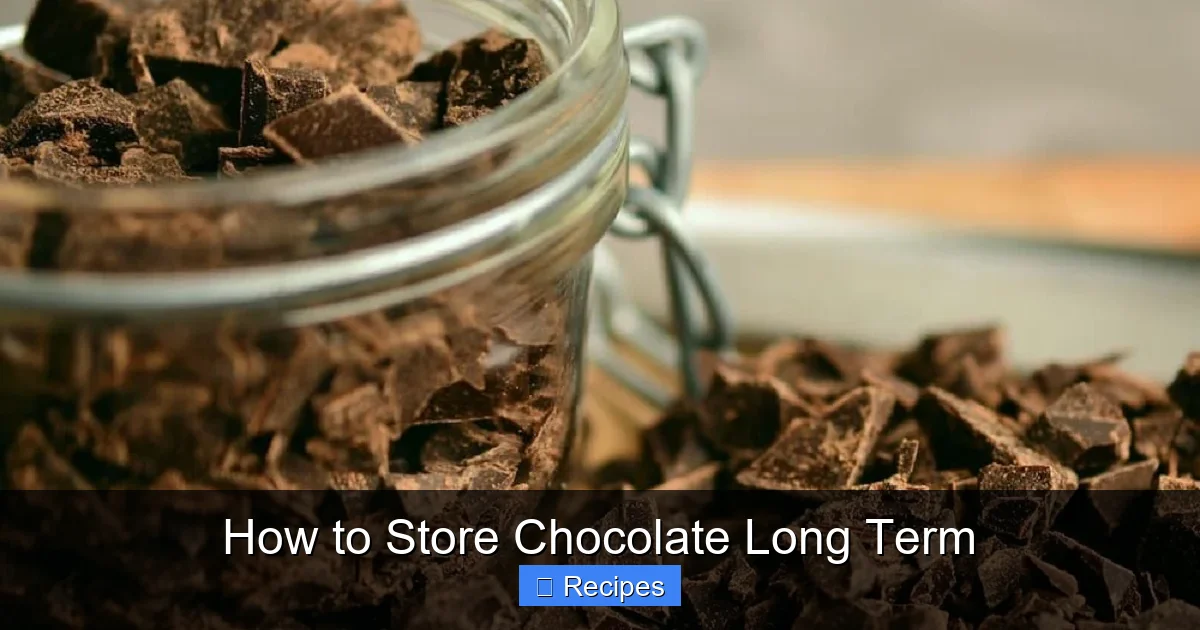
Visual guide about How to Store Chocolate Long Term
Image source: storables.com
The Temperature Sweet Spot
The ideal storage temperature for all chocolate—whether it’s a 99% cocoa bar or a milk chocolate truffle—is between 60°F and 70°F (15°C to 21°C). Within this range, the cocoa butter remains in its most stable crystalline form (Form V, or beta crystal), which gives chocolate its perfect snap, glossy sheen, and smooth melt-on-the-tongue. The critical danger zone is above 75°F (24°C). As temperatures rise, the cocoa butter begins to soften. If it then cools, the crystals can destabilize and migrate, leading to fat bloom. The real killer is fluctuation. Storing chocolate in a pantry that goes from 65°F at night to 80°F during the day is a guaranteed path to bloom. You need a location with a consistent thermometer reading.
So, where is this mythical spot? Often, it’s a basement, a dark interior closet away from exterior walls, or a dedicated wine cooler (without the humidity setting). Avoid the kitchen pantry (too warm from cooking), above the refrigerator (heat rises), and anywhere with direct sunlight. For most home bakers, a cool, dark cupboard in the coolest room of the house is the best bet. If your home is consistently warm (e.g., no air conditioning in summer), you may need to consider the refrigerator method, which we’ll address later.
The Invisible Threat: Humidity
Chocolate is a hygroscopic substance, meaning it attracts and holds moisture from the air. High humidity is a silent assassin. Relative humidity should be kept below 50%. Why? Moisture on the chocolate’s surface dissolves sugar crystals. When the moisture evaporates, the sugar recrystallizes on the surface as a rough, dry, white layer—sugar bloom. This process can happen surprisingly quickly. Furthermore, moisture can cause the chocolate to absorb unwanted odors from its surroundings and can eventually lead to mold growth on chocolate with inclusions (like nuts or dried fruit) or in filled chocolates with a higher moisture content.
A dehumidifier in your storage room can be a worthwhile investment if you live in a humid climate. Never store chocolate in a bathroom or near a sink. The condensation from a hot shower or boiling pot is enough to trigger sugar bloom on an exposed bar within hours. The packaging is your primary defense against humidity, which is why the next section on wrapping is so crucial.
Packaging and Containers: Your Chocolate’s armor
Even in a perfect environment, chocolate needs to be sealed away from air and any ambient odors. This is where proper packaging becomes non-negotiable for long-term storage. The rule is simple: create an impermeable barrier.

Visual guide about How to Store Chocolate Long Term
Image source: primalsurvivor.net
The Art of Wrapping: Layers of Protection
Never store chocolate in its original foil or paper wrapper alone for more than a few weeks. These are designed for retail display and short-term protection, not months of storage. You need a multi-layer system:
- First Layer (Barrier): Wrap the chocolate tightly in food-grade parchment paper or heavy-duty aluminum foil. This direct contact layer protects against moisture and light and prevents the chocolate from rubbing against other surfaces. For blocks or large pieces, a double layer is wise.
- Second Layer (Seal): Place the wrapped chocolate into a high-quality, sealable plastic bag (like a freezer zip-top bag) or, even better, a vacuum-sealed bag. Squeeze out as much air as possible before sealing. Oxygen accelerates rancidity and flavor degradation.
- Optional Third Layer (Security): For maximum protection, especially for very long storage (over 6 months), place the sealed bag inside an airtight plastic or glass container. This provides a second defense against oxygen and protects the inner bag from punctures.
Label each package with the type of chocolate and the date you stored it. Out of sight, out of mind is a real danger. You might forget you have a stash of 85% dark from last year buried in the back of a container.
Choosing the Right Storage Container
If you’re not using vacuum bags, an airtight container is your best friend. Glass jars with rubber gaskets (like Kilner or Mason jars), high-grade plastic food storage containers with locking lids, and dedicated airtight “chocolate keepers” work excellently. The container should be:
- Airtight: No smell of the container itself should be detectable when you open it.
- Opaque: If the container is clear, store it in a dark cupboard. Light, especially UV light, breaks down flavor compounds.
- Odor-Free: Never reuse containers that held strong-smelling foods like spices, onions, or coffee.
For filled chocolates (truffles, pralines) or chocolate with inclusions (nuts, dried fruit), the stakes are higher. These have a higher water activity and are more susceptible to moisture migration and mold. They have a much shorter safe storage life (often 2-4 weeks at room temperature) and are not recommended for long-term storage unless frozen under professional, controlled conditions. For them, the fridge, used correctly, is often the only option for extending life by a few weeks.
The Refrigerator and Freezer: Proceed with Extreme Caution
Many home cooks default to the fridge or freezer for long-term storage. This is a path fraught with peril, but it can be done successfully if you follow a strict protocol. The primary risks are condensation (water forming on cold chocolate when exposed to warm, humid air) and odor absorption (chocolate is a sponge for fridge smells).
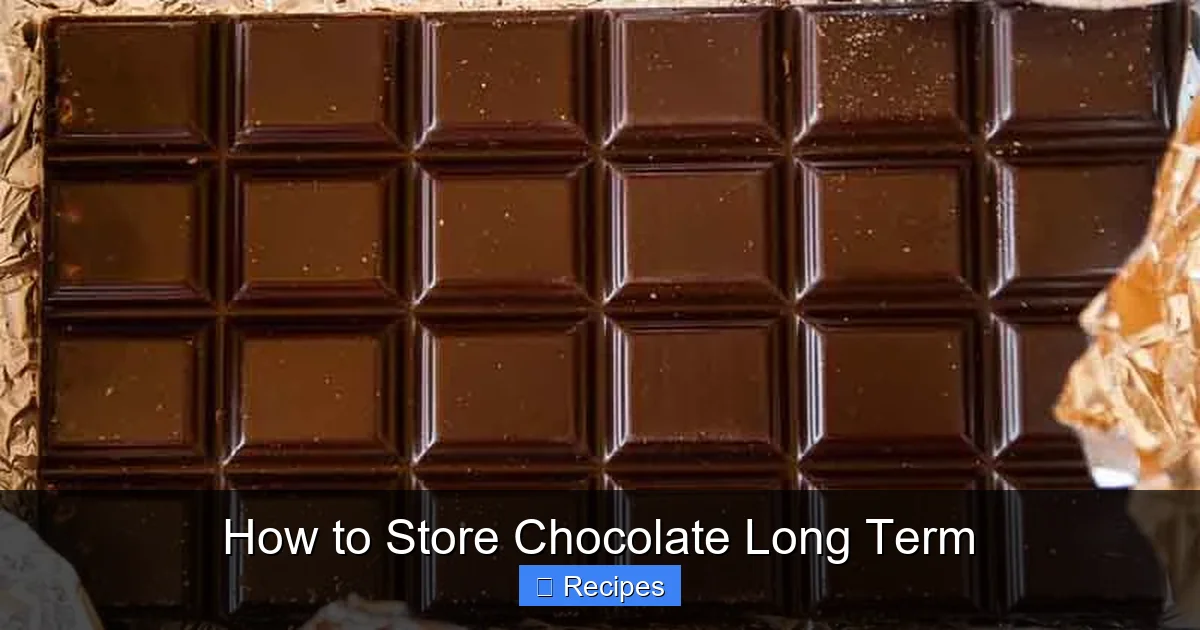
Visual guide about How to Store Chocolate Long Term
Image source: primalsurvivor.net
When is Cold Storage Necessary?
Cold storage should only be considered if your ambient temperature consistently exceeds 75°F (24°C) and you have no cooler alternative. It is not the ideal method for maintaining peak quality; it’s a damage-control strategy for warm climates. Chocolate stored in the fridge will likely develop some fat bloom upon thawing due to the extreme temperature change, but it will still be perfectly usable for baking and cooking where appearance is less critical.
The Step-by-Step Guide to Freezing Chocolate
If you must use the freezer, follow these steps to the letter:
- Wrap Individually: As per the layering system above (parchment/foil, then airtight bag), wrap each piece of chocolate completely. Ensure no part of the chocolate is exposed to air.
- Freeze in a Single Layer: Place the wrapped chocolates on a baking sheet in the freezer for 1-2 hours until solid. This prevents them from sticking together.
- Bag and Seal: Once frozen solid, transfer the individual pieces to a large, heavy-duty freezer bag. Squeeze out all air and seal tightly. You can then place this bag inside an airtight container for double protection.
- The Thaw is Everything: To thaw, keep the chocolate wrapped in its bag/container and move it to the refrigerator. Let it come to temperature slowly over 12-24 hours. Only after it has fully equilibrated in the fridge should you open the packaging and bring it to room temperature. Never thaw chocolate on the countertop—the rapid temperature change guarantees condensation and bloom.
Chocolate frozen this way can last 6-12 months. However, each freeze-thaw cycle degrades quality slightly. Freeze in meal-sized portions for baking to avoid refreezing.
Special Considerations: Not All Chocolate is Created Equal
While the core principles of cool, dry, dark, and airtight apply to all chocolate, different types have varying vulnerabilities and shelf lives.
Dark Chocolate (70% and above)
The champion of longevity. High cocoa content means less sugar and milk solids, which are more susceptible to spoilage. Its low moisture content makes it naturally resistant. Properly stored in a cool, dark pantry, a high-quality dark chocolate bar can easily last 18-24 months and often longer, with flavor actually mellowing and deepening over the first year. It is the best candidate for long-term room temperature storage.
Milk Chocolate and White Chocolate
These are more perishable due to milk solids and higher fat content. Milk solids can go rancid faster than cocoa butter. They are also more sensitive to light and odors. Their ideal storage time at room temperature is 6-12 months. White chocolate, with its high milk fat and lack of cocoa solids, is the most fragile. It can develop off-flavors quicker and should be consumed within 6-9 months of purchase if stored well.
Filled Chocolates and Bonbons
This is the most challenging category. Ganaches, creams, and fruit centers contain significant moisture and often fresh dairy (cream, butter). These are not suitable for long-term storage beyond a few weeks. They are best kept in the refrigerator (in their original box, if it’s airtight) and consumed within 2-4 weeks. Freezing is possible for some, but the texture of the ganache can become grainy, and shells can crack. For long-term storage, it’s best to freeze the components separately (e.g., a batch of chocolate cookie dough) and assemble fresh.
Chocolate with Inclusions (Nuts, Dried Fruit, etc.)
The inclusions add another variable. Nuts have oils that can go rancid, which will taint the chocolate. Dried fruit can retain slight moisture. Store these in the coolest, darkest place possible and consume within the milk chocolate timeframe (6-12 months). If the nuts are already slightly stale or the fruit is very moist, the clock starts ticking faster.
From Storage to Table: Using Your Preserved Chocolate
You’ve followed all the rules. Your chocolate has been in a dark closet, wrapped in foil and a bag, for a year. Now you want to use it. What do you do?
Assessing Your Stored Chocolate
First, perform a check. Unwrap it in a cool room. Look for:
- Bloom: A white, streaky, or speckled surface. This is a cosmetic issue, not a safety issue. The chocolate is safe to eat. The texture will be slightly grainier, but the flavor is often intact. This chocolate is perfect for baking, melting, and cooking. The heat of melting will redistribute the cocoa butter and eliminate any visual bloom. You can also simply scrape the surface if you’re using it for a visual garnish.
- Odor: Sniff it. It should smell like chocolate—rich, deep, possibly with notes of fruit, nuts, or toast depending on the origin. If it smells musty, cheesy, sour, or like anything other than chocolate, discard it. This indicates rancidity.
- Texture: Break a small piece. It should snap cleanly. If it’s bendy, soft, or crumbly, it has suffered from heat or humidity and is best used in applications where texture isn’t paramount.
Reviving and Melting Stored Chocolate
For baking, melting, or any heated application, bloomed chocolate is your friend. It melts just as well as pristine chocolate. Use a double boiler or microwave in short bursts, stirring constantly. The goal is to heat it to 113-122°F (45-50°C) for dark chocolate or 104-113°F (40-45°C) for milk/white chocolate to fully melt all crystals, then cool it properly (tempering) if you need a glossy, snappy finish for dipping or molding. If you’re just making brownies, cookies, or a sauce, you don’t need to temper—just melt and use.
For eating straight, if the bloom is minimal and the flavor is good, you can simply break off a piece. Some connoisseurs even prefer the slightly altered texture of well-aged chocolate. If the bloom is heavy, you can gently warm the chocolate in your hands for a few moments to melt the surface bloom away, then let it re-solidify. This can restore some gloss.
Best Uses for Long-Stored Chocolate
Plan your use cases. Chocolate that has been stored for 12+ months, even if perfect, may have lost some of its volatile aromatic compounds. It might be less vibrant on the palate. This makes it ideal for baking and cooking, where chocolate is one component among many. Use your oldest, best-stored chocolate for:
- Brownies, cookies, cakes, and muffins
- Hot chocolate and chocolate sauces
- Moles and savory chili
- Chocolate-covered fruit or nuts (where the coating is secondary)
- Melting for ganache or frosting
Save your freshest, most aromatic bars (stored for less than 6 months) for pure, mindful eating or for delicate applications like shaving over a dessert where the chocolate’s flavor is the star.
Conclusion: A Long and Flavorful Life
Storing chocolate long term isn’t complicated, but it is specific. It demands respect for the ingredient’s sensitivity. By committing to the three pillars—consistent cool temperature, low humidity, and complete airtight, opaque protection—you transform your chocolate from a perishable treat into a pantry staple with a shelf life measured in months, not weeks. You become a curator of flavor, ensuring that the complex notes of berry, earth, or caramel in that fine bar are preserved until the moment you choose to experience them. Remember the hierarchy: a cool, dark cupboard is always the first choice. The refrigerator and freezer are tools for extreme situations, not primary storage. Wrap meticulously, label clearly, and use your senses to assess before you use. With these practices, you’ll never have to mourn another wasted piece of chocolate again. Your future self, holding a perfectly crisp, glossy, and flavorful bar, will thank you.
Frequently Asked Questions
Can I store chocolate in the refrigerator long term?
Refrigeration is a last resort for long-term storage due to high humidity and odor absorption. Only use it if your room is consistently above 75°F (24°C). Chocolate must be wrapped in multiple airtight layers and thawed slowly in the fridge before opening to prevent condensation and bloom.
Is chocolate with white bloom safe to eat?
Yes, both fat bloom (streaky) and sugar bloom (grainy) are purely cosmetic and safe to consume. The flavor is usually unaffected, but the texture may be slightly grainier. This chocolate is excellent for baking and melting, where the bloom will disappear.
What’s the difference in storing dark vs. milk chocolate long term?
Dark chocolate (high cocoa, low sugar) lasts significantly longer—up to 2 years—due to its low moisture content. Milk and white chocolate contain milk solids that are more perishable and should be consumed within 6-12 months for optimal quality. All types require the same cool, dry, dark conditions.
How long can I store chocolate chips or baking chocolate?
Commercially produced chocolate chips are formulated for stability and often contain stabilizers. Stored in a cool, dark, airtight container, they can last 12-18 months. Baking blocks (couverture) behave like high-quality bars and can last 18-24 months if pure and well-wrapped.
What are the clear signs that stored chocolate has gone bad?
Look for an off smell (cheesy, sour, musty), visible mold (rare but possible with inclusions), a very hard, dry, crumbly texture beyond normal bloom, or a significantly altered, unpleasant taste. If in doubt, discard it.
Can I store chocolate with other foods in the same container?
Never store chocolate with strong-smelling foods (spices, coffee, onions, garlic). Chocolate readily absorbs odors. Store different chocolate types (dark, milk, white) separately as well to prevent flavor transfer through the packaging over time.