Covering a baking dish without foil is simpler and often better than you think. You can use the dish’s own lid, a larger pan, parchment paper, a damp kitchen towel, or a Dutch oven to trap steam and heat. These foil alternatives prevent food from drying out, reduce waste, and can even improve cooking results. This guide explores every method with step-by-step tips for success.
Let’s be honest: aluminum foil is a kitchen workhorse. It’s versatile, it’s cheap, and it’s *everywhere*. But what happens when you run out? Or worse, what if you’re trying to reduce waste, avoid potential aluminum reactivity with acidic foods, or just want a more secure, less messy cover? Learning how to cover a baking dish without foil isn’t just a backup plan—it’s a gateway to better cooking, less waste, and a more resourceful kitchen. You have more options than you might imagine, from the elegantly simple to the brilliantly inventive. This guide will walk you through every single method, explaining the “why” behind the “how” so you can choose the perfect cover for any recipe, every single time.
The core principle is simple: you need to create a contained environment. This traps moisture (steam) and radiant heat, preventing the surface of your food from drying out or browning too quickly while the inside cooks through. Foil does this by forming a tight, reflective seal. Our alternatives replicate this effect using different materials and techniques. Some allow a tiny bit of steam to escape for a crispier top, while others create a fully sealed, humid oven. Mastering this skill means you’ll never be thwarted by a missing roll of foil again. Let’s dive in.
Key Takeaways
- Your Dish’s Lid is Prime: The original lid, if you have it, is almost always the best, most secure fit for covering a baking dish without foil.
- Parchment Paper is a Versatile Shield: A sheet of parchment paper can create a tent or be weighted down to cover dishes effectively, allowing some steam to escape.
- The Damp Kitchen Towel Trick Works: A clean, damp cotton towel draped over a dish creates a humid environment, perfect for keeping breads and casseroles moist.
- Think “Larger Vessel”: Place your baking dish inside a larger roasting pan, Dutch oven, or even a stockpot to create a covered environment.
- Silicone & Reusable Covers are Game-Changers: Investing in reusable silicone lids or bowl covers offers a flexible, airtight, and washable foil alternative.
- Safety is Non-Negotiable: Never use plastic wrap or materials not rated for oven use. Ensure any cover is heat-safe and won’t melt or catch fire.
- Method Matters by Dish: The best method depends on the dish—a loaf of bread needs different coverage than a bubbling lasagna.
📑 Table of Contents
- Why and When You Might Want to Ditch the Foil
- The Classic & Most Reliable: Lids and Covers
- Kitchen Staples: Parchment Paper & Kitchen Towels
- The Heavy Hitters: Dutch Ovens & Heavy Pots
- Think Outside the Lid: Creative Household Items
- Pro Tips for Success Every Time
- Conclusion: Empowerment in Every Cover
Why and When You Might Want to Ditch the Foil
Before we explore the “how,” let’s understand the “why.” While foil is convenient, it has some notable drawbacks that make seeking alternatives worthwhile.
The Environmental and Practical Drawbacks
Aluminum foil is a single-use product. Even if you recycle it (which many curbside programs don’t accept due to food contamination), the energy cost of production is significant. Over a year of regular baking, the foil you use adds up to a substantial amount of waste. Beyond ecology, foil has practical issues. It can tear easily, especially when trying to fit it snugly over a deep, hot dish. A poorly placed sheet can flap, touch the heating element, or even catch if it’s crinkled into a sharp point. It also doesn’t provide any insulation—it simply reflects heat. A thick, heavy cover can provide more even, gentle heat distribution.
Health and Flavor Considerations
Some cooks avoid using aluminum foil with highly acidic foods (like tomato sauces, citrus marinades, or vinegar-based dishes) for extended cooking times. While the science on significant aluminum leaching is debated, many prefer to err on the side of caution. Using a non-reactive cover like glass, ceramic, or parchment paper eliminates this concern entirely. Furthermore, a tight foil seal can sometimes trap *too much* moisture, leading to steamed rather than roasted results on the top. Knowing how to use a cover that allows *some* steam escape (like a tented parchment paper) can be the key to a perfectly crisp top on a casserole or a beautifully browned loaf.
The Classic & Most Reliable: Lids and Covers
The absolute best, simplest answer to how to cover a baking dish without foil is almost always: use the lid that came with it. If your baking dish has a matching, oven-safe lid (glass, ceramic, or metal), use it. It’s designed for a perfect fit. But what if you don’t have the lid? This is where resourcefulness kicks in.
Visual guide about How to Cover Baking Dish Without Foil
Image source: thekitchenix.com
Scavenge for Compatible Lids from Other Cookware
Look around your kitchen. Do you have a large stockpot? A roasting pan with a lid? A skillet? The goal is to find a cover that sits securely on top of your baking dish. A 9×13 inch baking dish, for instance, might fit perfectly inside a large stockpot or a roasting pan with a lid. The cover doesn’t have to be the same brand or even the same shape—it just needs to create a seal. A slightly larger lid is fine; a lid that’s too small won’t work. When using a pot or pan lid, ensure it’s oven-safe (most metal and glass are, but check for plastic or wood handles). You may need to use a pot holder or oven mitt to handle the hot lid later.
Using Another Baking Dish as a “Lid”
This is a classic restaurant kitchen trick. Find a second baking dish that is slightly larger than the one you’re cooking in. A 9-inch square dish can be covered with a 9×13 dish turned upside down. A round casserole can be covered with a larger round roasting pan. The weight of the upper dish provides excellent, even pressure and seal. This method is fantastic for dishes that need to be fully sealed, like a braise or a very moist cake. The downside is handling two hot, heavy dishes, so be sure to have good oven mitts.
Kitchen Staples: Parchment Paper & Kitchen Towels
These two humble items are incredibly effective, low-cost, and disposable (or easily washable) alternatives that belong in every baker’s arsenal.
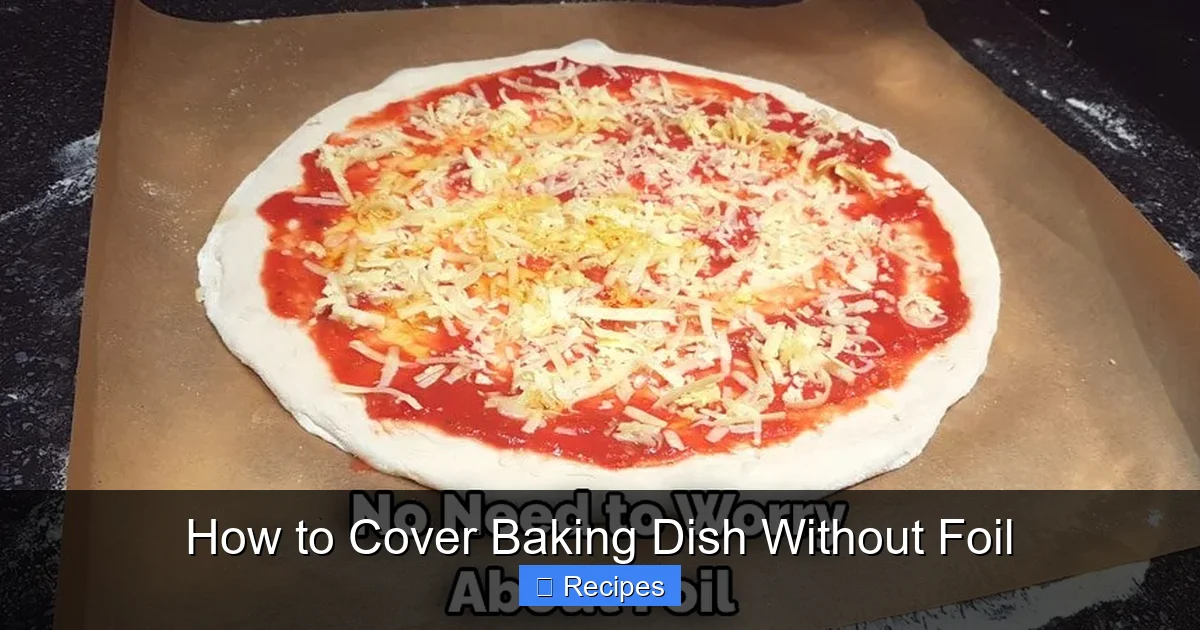
Visual guide about How to Cover Baking Dish Without Foil
Image source: thekitchenix.com
The Parchment Paper Tent or Seal
Parchment paper is heat-safe (typically up to 420°F/215°C) and non-reactive. It’s not airtight like foil, but it creates a fantastic barrier.
- For a “Tent”: Cut a sheet slightly larger than your dish. Place it loosely over the top, allowing space for steam to rise and create a humid environment. This is perfect for the first part of baking a loaf of bread (to prevent excessive browning) or covering a casserole that you want to finish uncovered for a crispy top.
- For a Tighter Seal: Dampen the edges of the parchment paper with water. Press the damp edges firmly against the sides of the baking dish. The water will create a steam seal as it heats, helping the paper cling and trap more moisture. This works surprisingly well for dishes like baked pasta.
- Weighted Down: Place a sheet of parchment directly on the food, then set a second, smaller baking dish or a heavy oven-safe skillet on top to weigh it down. This presses the paper against the food’s surface, preventing it from puffing up.
The Humble Damp Kitchen Towel
This old-fashioned method is a secret weapon for specific baked goods, especially breads and some desserts. Take a clean, 100% cotton kitchen towel (no synthetics!). Soak it in water, then wring it out until it’s just damp, not dripping. Drape it evenly over the top of the baking dish, tucking the edges down the sides. As it heats in the oven, the towel will steam, creating a wonderfully humid microenvironment. This mimics a professional steam-injected oven, resulting in a bread with a supple, soft crust. It’s also excellent for keeping cakes and muffins from forming a hard top. Important: The towel must be 100% cotton and damp, not wet, to be safe and effective.
The Heavy Hitters: Dutch Ovens & Heavy Pots
If you own a Dutch oven or a heavy, lidded pot, you have one of the most effective foil alternatives possible. These vessels are designed for oven use and provide superior, even heat retention.
Visual guide about How to Cover Baking Dish Without Foil
Image source: c8.alamy.com
Why a Dutch Oven is the Ultimate Cover
A Dutch oven’s thick cast iron (or enameled) walls and tight-fitting lid create a mini-oven-within-your-oven. It traps moisture brilliantly, bastes the food with its own steam, and provides consistent, radiant heat from all sides. To use it, simply place your baking dish (if it fits) inside the Dutch oven and cover. Even better: for many recipes like no-knead bread or a braised roast, you can skip the separate baking dish entirely and cook directly in the Dutch oven itself. The lid becomes the cover. This is the gold standard for artisanal bread crust and fork-tender braises.
Using a Cast Iron Skillet as a Cover
Don’t have a Dutch oven? A large, heavy cast iron skillet can work in a pinch. Find a skillet with a diameter larger than your baking dish. Place the dish inside the skillet, then invert a second, identical skillet over the top to create a “clamshell” cover. The weight and thermal mass of the cast iron will hold heat and steam effectively. This is a great method for covering a dish of roasted vegetables or a small casserole.
Think Outside the Lid: Creative Household Items
When standard cookware lids won’t fit, get creative. The rule is: use anything that is oven-safe and can sit stably on or over your dish.
Baking Dishes as Lids (The Inversion Method)
We touched on this, but it bears repeating. A second baking dish, inverted, is one of the most stable and heat-retentive covers you can use. A glass baking dish upside down over another is see-through, so you can peek at your food. A metal pan provides even more heat mass. Ensure the “lid” dish is clean and oven-safe.
Pizza Pans, Griddles, and Baking Sheets
A large, flat pizza pan or a heavy baking sheet can be placed directly on top of a baking dish. It won’t seal perfectly, but it will significantly slow evaporation and protect the surface from direct heat. This is a good method for items that need some top-browning protection but not full sealing, like a meatloaf you want to finish uncovered. A heavy, seasoned griddle (like a comal) works the same way.
Silicone & Reusable Bowl Covers
This is the modern, eco-friendly solution. Reusable silicone lids (like those from Stasher bags or elastic bowl covers) are flexible, heat-resistant (usually up to 425°F/220°C), and create an excellent airtight seal. They come in various sizes and can stretch to fit over many baking dish rims. They are dishwasher safe and eliminate single-use waste entirely. This is arguably the best long-term investment for anyone who bakes regularly.
Pro Tips for Success Every Time
Choosing a method is only half the battle. Using it correctly ensures perfect results.
Moisture Management: Sealed vs. Unsealed
Understand the goal. Do you want maximum moisture (for a steamed pudding, a very delicate cake)? Use a tight seal: a Dutch oven, inverted dish, or weighted parchment. Do you want to control moisture, allowing some evaporation for texture (like a crisp-top casserole or a loaf with a shattering crust)? Use a loose tent of parchment or a damp towel that can dry out. You can even change covers partway through a recipe—start sealed to cook the interior, then remove the cover for the final 10-15 minutes to brown the top.
Heat Distribution and Safety
Any cover you use will affect how heat reaches your food. A thick, heavy cover (like a cast iron lid) will cook from the top down as well as from the bottom, potentially speeding up cooking. A thin cover (parchment) mainly just traps rising steam. Always monitor your food the first time you use a new covering method. Safety is paramount: Never use plastic wrap, wax paper, paper bags, or any material not explicitly labeled oven-safe. Ensure your cover is stable and won’t slide off, causing a sudden burst of steam or a spill. Use oven mitts for all covers—they will be extremely hot.
Cleaning and Maintenance
Glass and ceramic lids can usually go in the dishwasher. Cast iron needs to be wiped and re-oiled. Parchment paper and towels are disposable. Silicone lids are dishwasher safe. Consider cleanup when choosing your method. A greasy, baked-on casserole is much easier to clean from a glass lid than from the crevices of a woven basket used as a makeshift cover (don’t do that—it’s a fire hazard!).
Conclusion: Empowerment in Every Cover
Mastering how to cover a baking dish without foil transforms you from a recipe follower into a confident, adaptable cook. It’s about understanding the principles of moisture and heat, then applying the tools you have on hand. The next time you’re about to preheat the oven and reach for the foil, pause. Look at your baking dish—does it have a lid? Scan your cabinets for a larger pot, a spare baking sheet, or that roll of parchment paper. Embrace the damp towel for your next sourdough boule. Invest in a set of silicone lids. You’ll reduce waste, avoid potential flavor issues, and gain more control over your final results. The perfect cover is almost certainly already in your kitchen. Now you know how to find it and use it. Happy, resourceful baking!
Frequently Asked Questions
Can I use plastic wrap (cling film) to cover a baking dish in the oven?
No. Plastic wrap is not oven-safe and will melt, potentially releasing harmful chemicals and causing a fire. It is only for covering food before baking or for storage in the refrigerator.
What is the best foil-free cover for a casserole that needs a crispy top?
Start the baking time covered to cook the interior (use a Dutch oven, inverted dish, or damp towel). Then, remove the cover for the last 15-20 minutes of baking to allow the top to brown and crisp. You can also use a loose parchment tent, which allows more steam to escape than a tight seal.
Is parchment paper safer than foil for acidic foods like tomato sauce?
Yes. Parchment paper is non-reactive and will not interact with acidic foods, making it a safer choice for long-cooked tomato-based sauces, chili, or vinegar-rich marinades compared to aluminum foil.
Can I cover a baking dish with another dish if the “lid” dish is smaller than the bottom dish?
No. The covering dish must be larger than the dish you are covering to create an effective seal and prevent spills. An inverted smaller dish will not work and will be unstable.
How do I know if a pot or pan lid is oven-safe?
Check the manufacturer’s instructions. Most pure metal (stainless steel, cast iron) and glass lids are oven-safe. Be cautious of lids with plastic knobs or handles; these may have a lower oven-safe temperature (often 350°F/175°C) or require removing the knob. When in doubt, assume it is not oven-safe.
What’s the most eco-friendly long-term solution to foil for covering dishes?
Investing in a set of reusable silicone stretch lids or bowl covers is the most sustainable choice. They are durable, dishwasher-safe, create excellent seals, and eliminate single-use waste entirely. Using your cookware’s own lids is the next best option.