Heating a towel in the microwave is a simple way to create a spa-like experience at home, but it must be done correctly to avoid fire hazards. Always use a damp towel, fold it properly, and heat in short bursts while checking the temperature. Never use a dry towel or one with metallic fibers, as these can ignite. Follow our detailed safety guide for perfect, soothing warmth every time.
Key Takeaways
- Safety First: Always use a damp (not soaking) towel to prevent scorching and fire. Dry towels are a major fire risk.
- Proper Folding is Key: Fold the towel into a compact, even rectangle to ensure even heating and avoid hot spots.
- Short Bursts Only: Heat in 15-30 second increments, checking and flipping between cycles. Total time is usually under 90 seconds.
- Fabric Matters: 100% cotton or bamboo towels are safest. Avoid towels with polyester blends, embroidery, or metallic threads.
- Test Before Use: Always carefully test the towel’s temperature on the back of your hand before applying it to your body.
- Wattage Awareness: Higher wattage microwaves heat faster. Adjust time based on your microwave’s power and the towel’s size/dampness.
- Immediate Use: Heated towels cool quickly. Use them right away for maximum comfort and effectiveness.
📑 Table of Contents
- The Cozy Comfort of a Perfectly Heated Towel
- Why the Microwave? And Why a Damp Towel is Non-Negotiable
- The Step-by-Step Guide to Microwave Heating
- Safety Protocols: What Could Go Wrong and How to Prevent It
- Beyond Basic Warmth: Creative and Therapeutic Uses
- When a Microwave Isn’t the Best Tool: Alternatives
- Common Mistakes and Troubleshooting
- Conclusion: Your Daily Dose of Warmth, Mastered
The Cozy Comfort of a Perfectly Heated Towel
There is something deeply comforting about the weight and warmth of a heated towel wrapped around your shoulders after a shower or placed on a sore neck. It’s a simple luxury that transforms an ordinary moment into a mini-spa retreat. While specialized towel warmers exist, your microwave is a powerful, immediate tool to achieve that blissful, cloud-like warmth in under two minutes. But this convenience comes with a critical responsibility: doing it safely. A misstep can lead to scorched fabric, smoke, or even a fire. This guide will walk you through every detail, from the science of why a damp towel is non-negotiable to the exact timing for your specific microwave. We’ll turn a potential hazard into a reliable, daily ritual of comfort.
Why the Microwave? And Why a Damp Towel is Non-Negotiable
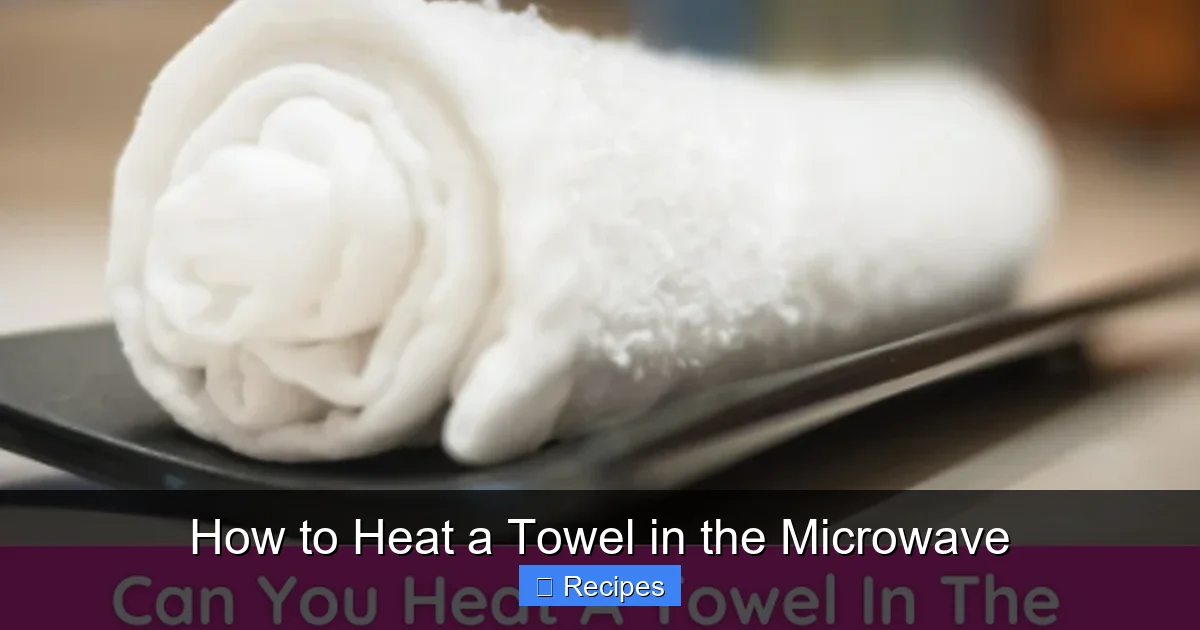
Before diving into the “how,” understanding the “why” is crucial for safe practice. A microwave heats food and objects by emitting microwave radiation that excites water molecules. This is the core principle. A completely dry towel has virtually no water molecules for the microwaves to target. The microwaves then superheat the towel’s fibers directly, which can cause them to scorch, melt (if synthetic), or ignite suddenly and without warning. This is the primary cause of microwave towel fires.
Visual guide about How to Heat a Towel in the Microwave
Image source: mymicrowaveguide.com
The Science of Steam and Safety
A damp towel, however, is saturated with water. The microwaves agitate these water molecules, turning them into steam *within* the towel’s fibers. This steam does two vital things: it transfers heat efficiently to the towel, warming it evenly, and it acts as a natural buffer, preventing the fabric itself from reaching dangerous, flammable temperatures. The moisture essentially “takes the hit” for the fabric. Your goal is to heat the water inside the towel, not the towel itself. This is why the towel should be damp, not dripping wet. Excess water will just create a lot of steam and potentially make the towel too soggy.
Fabric Choice: Cotton is King
Not all towels are created equal for this task. 100% cotton is the ideal choice. It’s highly absorbent, natural, and has a high combustion point. Bamboo towels also work well for similar reasons. Avoid any towel with a significant polyester or synthetic blend. These materials can melt under microwave heat. Most critically, inspect your towel for any decorative elements—metallic threads, embroidery with plastic beads, or silk screen prints. These can spark or melt instantly. When in doubt, use a simple, old, plain white cotton towel. It’s better to sacrifice an old towel than risk damaging a good one or your microwave.
The Step-by-Step Guide to Microwave Heating
Now, let’s get to the practical process. Following these steps methodically will guarantee a warm, safe towel every single time.
Visual guide about How to Heat a Towel in the Microwave
Image source: thekitchenix.com
Step 1: Preparation and Dampening
Take a clean, 100% cotton towel. A standard bath towel (around 30″ x 60″) is perfect. Hold it under cool running water for just 2-3 seconds, or sprinkle it evenly with water from your hands. The goal is uniform dampness, not a soaked sponge. Wring it out vigorously so it is merely damp to the touch. There should be no dripping. Lay it flat for a moment; if you see a large puddle of water underneath, it’s too wet. Wring it again.
Step 2: The Crucial Fold
This step ensures even heat distribution. Lay the damp towel flat. Fold it in half lengthwise. Then, fold it in half again lengthwise. You should now have a long, narrow rectangle. Finally, fold this rectangle in half one more time, creating a compact, thick square or rectangle, roughly 8″ x 10″ in size. A tight, even fold is essential. A loose or unevenly folded towel will have thin spots that overheat and thick spots that stay cold.
Step 3: Placement in the Microwave
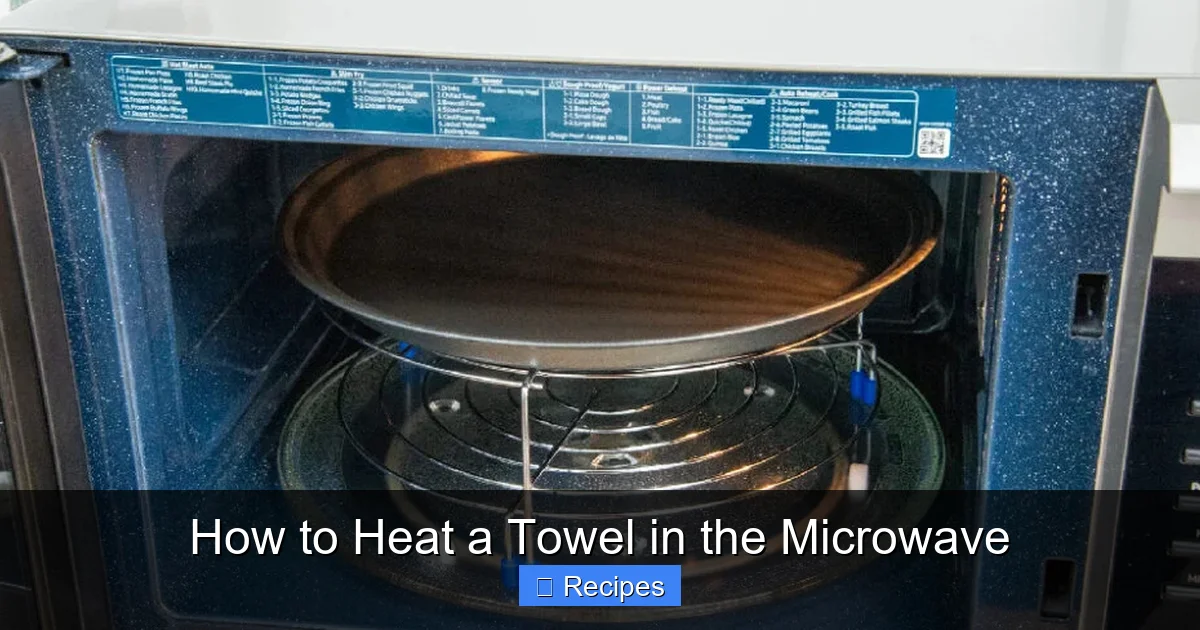
Place the folded towel directly on the microwave’s turntable plate. Do not place it on a rack or any other accessory. Ensure it lies flat and isn’t touching the microwave’s walls. If your microwave is small, you may need to heat a smaller hand towel instead. Never force a large towel into a small space; it can block the vent holes and cause overheating.
Step 4: Heating in Bursts
Set your microwave to 50-70% power if possible. This reduces the intensity and helps prevent superheating. If your microwave doesn’t have a power level setting, the default high power is fine, but you must use shorter bursts. Start with 30 seconds. After the cycle, carefully open the door and use a fork or spoon to gently flip the towel over. This evens out the heat. Heat for another 20-30 seconds. For most standard microwaves (1000-1200 watts) and a properly damp, folded towel, total heating time will be between 45 and 75 seconds. Never heat for more than 90 seconds total without checking.
Step 5: The Vital Temperature Check
After your final heating burst, do not immediately grab the towel. Use a utensil to unfold one corner slightly. Carefully, using the back of your hand (which is more sensitive than fingertips), hover just above the towel to feel radiant heat. Then, touch a small, inner section of the towel for 1-2 seconds. It should feel very warm and steamy, not hot enough to cause discomfort or a burn. If it’s not warm enough, fold it back up and heat for another 10-15 second burst. Remember, the towel will continue to release heat and may feel slightly warmer a moment after removal.
Safety Protocols: What Could Go Wrong and How to Prevent It
complacency is the enemy of microwave safety. Understanding the risks helps you avoid them completely.
Visual guide about How to Heat a Towel in the Microwave
Image source: canyoumicrowavewiki.com
The Fire Triangle: Fuel, Heat, Oxygen
A fire needs three elements. In a microwave, you provide the heat (microwaves) and the fuel (the towel’s fibers if dry). Oxygen is plentiful inside the chamber. By ensuring your towel is damp, you remove the “fuel” (dry fibers) as the primary heat target. The water becomes the heat sink. Other safety risks include:
- Superheating: If a dry spot exists in a mostly damp towel, that spot can superheat and ignite suddenly.
- Chemical Ignition: Residual fabric softener or dryer sheets on the towel can be flammable. Use a plain, clean towel.
- Arcing: Metal fibers or decoration can create sparks (arcing), damaging the microwave and potentially starting a fire.
- Overheating: Heating for too long can cause the water to fully evaporate, leaving a dry, hot towel that can smolder.
Essential “Do Nots”
To cement safe habits, here is a clear list of actions to avoid:
- DO NOT heat a dry towel, even for a few seconds.
- DO NOT use a towel with any metallic content, including subtle gold or silver thread.
- DO NOT fold the towel loosely or leave it bunched.
- DO NOT leave the microwave unattended while heating a towel.
- DO NOT attempt to heat a towel that has been previously heated and dried out. It’s now a fire hazard.
- DO NOT use a towel that smells of burnt fabric after heating. Discard it.
- DO NOT let children perform this task without direct supervision.
Beyond Basic Warmth: Creative and Therapeutic Uses
Once you’ve mastered the safe technique, you can explore the many ways a heated towel enhances your routine.
The Ultimate Post-Shower Pampering
This is the classic use. Have your heated towel ready in a basket as you step out of the shower. The warm, absorbent cotton feels incredible against cool skin and helps dry you more comfortably. It’s a simple upgrade that makes a daily routine feel luxurious.
Spa-Worthy Facial Treatment
For a deep-cleansing facial, use a smaller hand towel. Dampen it, wring it out, fold it, and heat for about 20-30 seconds. Place it on your face for 1-2 minutes after cleansing. The warm, moist heat opens pores, softens blackheads, and prepares your skin for masks or exfoliation. Ensure it’s comfortably warm, not hot, for delicate facial skin.
Soothing for Aches and Pains
A heated towel is a fantastic, moldable heat pack. Apply it to stiff necks, sore shoulders, tight hamstrings, or achy lower back. The moisture provides a deep, penetrating heat that can relax muscles and improve circulation. For extra benefit, you can add a few drops of essential oil (like lavender or peppermint) to the water before dampening the towel, but be cautious as some oils can be flammable at high concentrations—use sparingly.
Cozy Companion for Chilly Nights
On a cold winter night, place a heated towel (in its dry cover or a pillowcase) at the foot of your bed or between the sheets a few minutes before getting in. It pre-warms your sleeping space for instant cozy comfort. Ensure it’s not so hot that it could damage sheets or pose a burn risk once you get in.
Pet Bed Warmer
Puppies, kittens, and older pets love a warm spot. Place a freshly heated towel in your pet’s bed or crate on a cold day. It’s a safe, gentle way to provide comfort. Always supervise pets with any heated item and ensure the towel has cooled to a safe, warm temperature before they settle in.
When a Microwave Isn’t the Best Tool: Alternatives
While the microwave is fast, it’s not the only way, and sometimes not the best way, to heat a towel.
Towel Warmers (The Dedicated Solution)
A plug-in towel warmer or a radiator-style warmer is designed for this sole purpose. It provides consistent, low-level heat that keeps towels warm for hours. It’s the safest, most convenient option if you use heated towels frequently and want them ready at a moment’s notice. The initial cost is higher, but it eliminates all microwave risks.
The Oven Method (Low and Slow)
You can use a conventional oven set to its lowest setting (around 170-200°F / 75-90°C). Dampen a towel, wring it out, fold it, and place it on a baking sheet. Heat for 5-10 minutes. This method is slower but very even and safe, as the oven’s heat is dry and controlled. It’s a good alternative if your microwave is broken or you’re heating multiple towels.
The Sun and Dryer Hacks
For a natural warm towel, simply place your damp towel in direct sunlight for an hour. The sun will warm it gently. Alternatively, toss a dry towel into the dryer on low heat for 5-10 minutes with a dryer ball. This creates a fluffily warm towel without any moisture, which is perfect for drying off but lacks the steamy, spa-like quality of a microwave-heated damp towel.
Common Mistakes and Troubleshooting
Even with the best instructions, small errors can happen. Here’s how to identify and fix them.
“My Towel Isn’t Getting Warm Enough”
This usually means one of three things: the towel wasn’t damp enough, it wasn’t folded tightly enough (creating thin, heat-dissipating layers), or your microwave is low-wattage. Solution: Ensure the towel is uniformly damp. Fold it more compactly. Increase heating time in 10-second bursts, always checking and flipping.
“My Towel Has a Burnt Smell”
Stop immediately. This indicates a dry spot ignited or fabric softener burned. Discard that towel. For the next attempt, use a brand-new, plain cotton towel with no softener. Wring it out more thoroughly. Reduce the power setting and shorten the initial burst to 15 seconds.
“The Towel Has Hot Spots”
Uneven heating is almost always due to uneven folding. A loose fold creates varying thicknesses. The solution is to be meticulous when folding. Create a uniform, dense rectangle. Also, flipping it halfway through the heating process is non-negotiable for even heat distribution.
“It’s Too Hot to Handle!”
You likely overheated it or used a towel that was too wet, creating excessive steam pressure. For the next time, reduce the total heating time by 15-20 seconds. Remember, the towel retains heat and will get hotter for a moment after removal. It’s always better to under-heat and add a few seconds than to over-heat and risk burns or damage.
Conclusion: Your Daily Dose of Warmth, Mastered
Heating a towel in the microwave is a brilliant shortcut to instant comfort and relaxation. It bridges the gap between a functional bathroom and a personal sanctuary. The key takeaway is respect for the process. By respecting the fundamental rule—damp, cotton, folded, burst-heated, and always tested—you eliminate all risk and unlock a consistent, joyful ritual. It’s a small act of self-care that costs nothing but a few seconds of your time. So go ahead, fold that towel, set that timer, and wrap yourself in the simple, steamy warmth you deserve. Just remember to check the temperature first. Enjoy your perfectly heated moment.
Frequently Asked Questions
Can you heat a dry towel in the microwave?
No, you should never heat a completely dry towel in the microwave. Dry fibers can superheat and ignite instantly, causing a fire. The towel must be damp to allow the microwaves to heat the water molecules safely within the fabric.
How long should I microwave a towel for?
Typically, 45 to 75 seconds total in 15-30 second bursts, with a flip between each burst. Always start with less time, as you can always add more. The exact time depends on your microwave’s wattage and the towel’s size and dampness.
What type of towel is safe to microwave?
A 100% cotton or bamboo towel is safest. Avoid any towels with polyester blends, silk screen prints, embroidery with plastic/sequins, or metallic threads. Use a plain, clean towel without fabric softener residue for best results.
What happens if I overheat a towel in the microwave?
Overheating can cause the water to fully evaporate, leaving a dry, superheated towel that can smolder, smoke, or ignite. It can also damage the towel’s fibers, causing them to become brittle and discolored. Always use short bursts and check frequently.
Can I add essential oils to my towel for aromatherapy?
Yes, but with extreme caution. Add only 1-2 drops of a pure essential oil to the water before dampening the towel. Some essential oils are flammable, so use sparingly. Ensure the oil is well-distributed and the towel is not saturated. Do not use fragrance oils, which are often synthetic and more flammable.
Is it better to use a towel warmer or the microwave?
It depends on your needs. A dedicated towel warmer is safer, more convenient, and provides continuous warmth but costs more and uses electricity. The microwave is fast, free to use, and great for occasional, immediate warmth but requires careful attention to safety each time. For daily use, a warmer is superior; for occasional spa-like treats, the microwave is perfect.