Craving the perfect soft and chewy coconut cookie? This guide compiles 13 exceptional recipes that deliver on texture and flavor. You’ll learn the science behind achieving that ideal chew, get expert storage tips to keep cookies fresh, and find variations for every dietary need. Whether you’re a beginner or a seasoned baker, these recipes and techniques will help you bake coconut cookies that are crisp on the edges and delightfully tender in the center every single time.
Key Takeaways
- Chewiness is a science: It’s primarily controlled by moisture (from brown sugar, honey, or coconut), fat type, and baking time/temperature. Under-baking slightly is key.
- Coconut type matters: Unsweetened shredded coconut offers a purer, less sweet flavor and chewier texture than sweetened, which can burn more easily.
- Chill the dough: Almost every recipe benefits from chilling for at least 30 minutes. This hydrates the flour, prevents excessive spread, and deepens flavor for a chewier result.
- Storage is everything: Store chewy coconut cookies in an airtight container with a piece of bread or a terra cotta disk to maintain moisture and softness for days.
- Mix-ins are flexible: While coconut is the star, feel free to add chocolate chips, chopped nuts, or dried fruit to customize your chewy coconut cookie recipes.
- Watch for over-mixing: Once you add the dry ingredients, mix just until combined. Over-mixing develops gluten, leading to a tougher, cakier cookie instead of a chewy one.
- Butter temperature is critical: Use room-temperature butter for creaming unless a recipe specifies melted or cold butter for a different texture. This traps air for a better rise and chew.
📑 Table of Contents
- The Irresistible Allure of the Chewy Coconut Cookie
- Mastering the Science of Chew: Your Foundation for Perfect Cookies
- 13 Star-Studded Chewy Coconut Cookie Recipes
- Pro Tips for Unbeatable Chewy Coconut Cookies Every Time
- Storage & Freshness: Keeping Cookies Chewy for Days
- Creative Twists & Dietary Adaptations
- Conclusion: Bake Your Way to Coconut Chew Bliss
The Irresistible Allure of the Chewy Coconut Cookie
There’s something uniquely satisfying about a chewy coconut cookie. It’s a textural dream—crisp at the edges, yielding and tender in the center, with pockets of sweet, tropical coconut that melt in your mouth. It sits in that perfect sweet spot between a crisp biscotti and a soft, cakey cookie. For many, the combination of coconut’s subtle nuttiness and that signature chew is pure comfort food. But achieving that ideal texture at home can feel elusive. Cookies can turn out dry, cakey, or spread into thin, crispy discs. The secret? It’s not magic; it’s method. This comprehensive guide is your deep dive into the world of chewy coconut cookie recipes. We’ll explore the foundational techniques that guarantee chewiness, walk through 13 diverse and delicious recipes—from simple 3-ingredient macaroons to gourmet chocolate-coconut bars—and share pro tips to transform your baking. Get ready to fill your kitchen with the aroma of paradise.
Mastering the Science of Chew: Your Foundation for Perfect Cookies
Before we dive into the recipes, understanding the “why” behind chewiness is your most powerful tool. Chewy texture in cookies is primarily a function of moisture retention and gluten development. Your goal is to maximize the former while minimizing the latter. Here’s your breakdown.
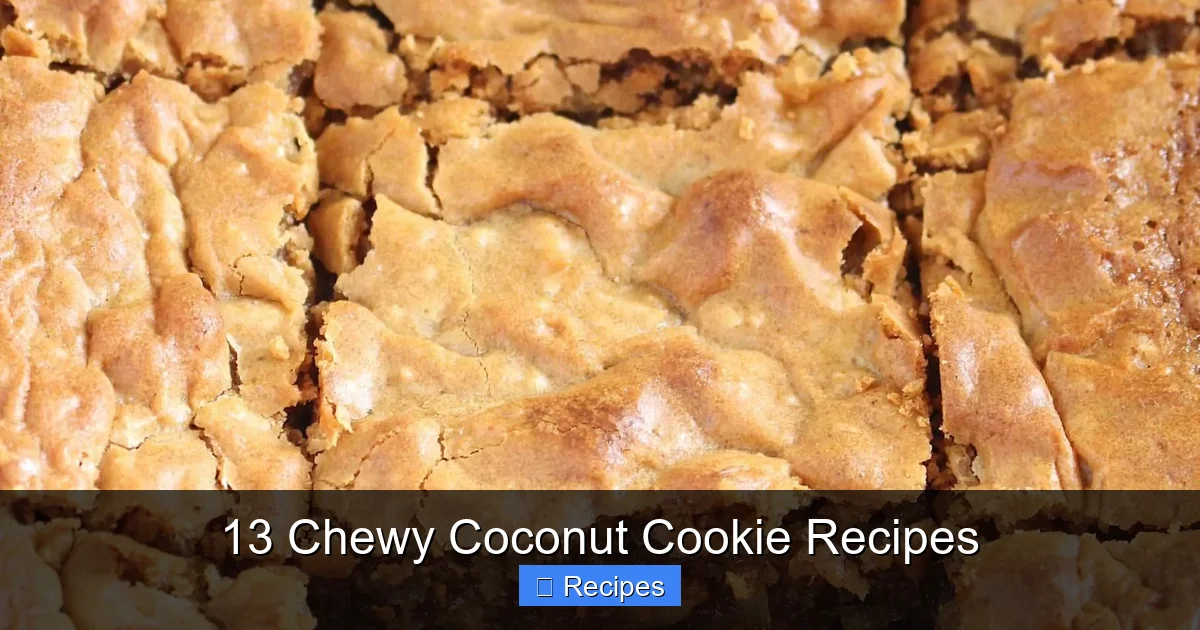
Visual guide about 13 Chewy Coconut Cookie Recipes
Image source: i.pinimg.com
The Moisture Architects: Sugars and Fats
Brown Sugar vs. White Sugar: This is your number one lever for chew. Brown sugar contains molasses, which is hygroscopic—meaning it attracts and holds onto moisture. Using more brown sugar than white sugar in a recipe is a classic cheat code for chewiness. It also contributes a deeper, caramel-like flavor that complements coconut beautifully.
Fat Choices: Butter provides flavor and, when creamed with sugar, incorporates air that helps with leavening. For a denser, chewier cookie, some recipes use a higher proportion of butter or even substitute in a portion of neutral oil or coconut oil, which is 100% fat and doesn’t solidify as much when cooled, keeping cookies softer.
The Gluten Gatekeeper: Mixing and Flour
Gluten forms when flour meets liquid and is agitated. More gluten means more structure and chew, but in cookies, we want *just enough* to hold shape without becoming tough. This is why the instruction “mix until just combined” is non-negotiable. Use all-purpose flour for a balanced chew. For an even chewier, more tender result, some recipes use a blend of all-purpose and cake flour (lower protein) or even a touch of cornstarch, which interferes with gluten formation.
The Thermal Factor: Baking Temperature and Time
The golden rule for chewy cookies: under-bake slightly. Cookies continue to cook on the hot baking sheet after they come out of the oven. Pull them from the oven when the edges are set and lightly golden, but the centers still look soft and underdone. They will firm up as they cool. Baking at a slightly lower temperature (325°F/165°C vs. 350°F/175°C) allows the cookie to set more evenly without the edges crisping too fast before the center is set.
13 Star-Studded Chewy Coconut Cookie Recipes
Now for the fun part! We’ve curated a collection that spans styles, complexities, and flavor profiles. Each recipe is selected or designed with chewiness as the paramount goal. We’ll highlight the key technique each one uses to achieve that perfect texture.
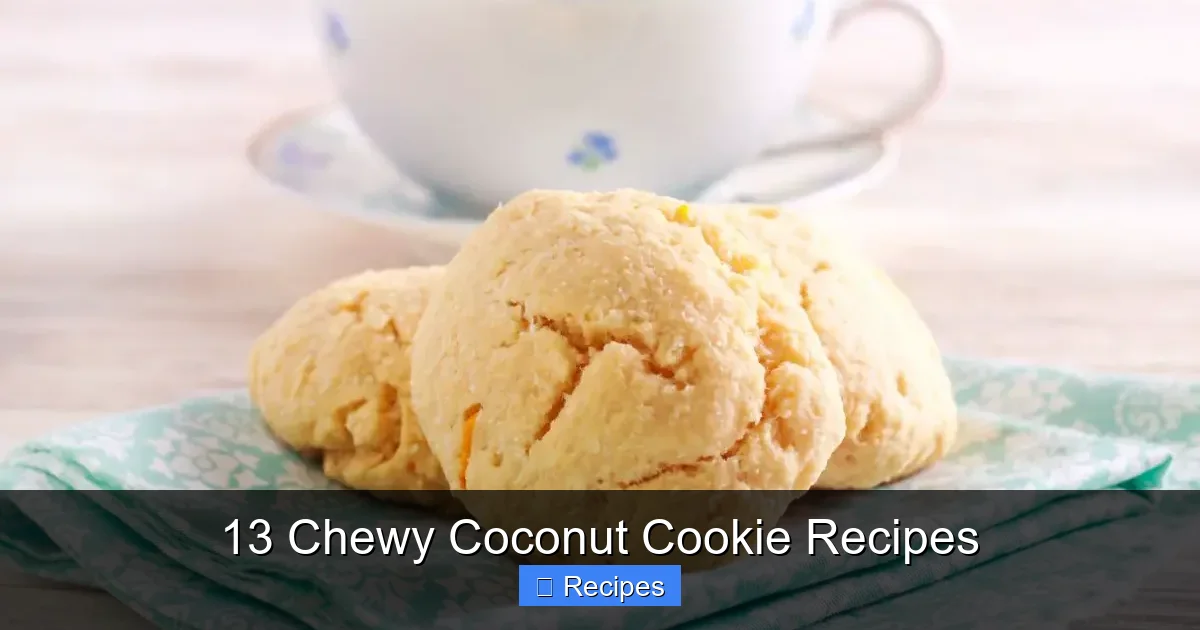
Visual guide about 13 Chewy Coconut Cookie Recipes
Image source: sweethaus.com
1. The Classic Chewy Coconut Macaroon
This is the archetype. No flour, just sweetened shredded coconut, egg whites, sugar, and often a touch of vanilla or almond extract. The chew comes from the high fat and moisture content of the coconut itself and the egg whites, which set into a soft, marshmallow-like interior. Pro Tip: For ultra-chewy macaroons, use unsweetened coconut and increase the sugar slightly. The added moisture from the unsweetened coconut (which is drier) needs a bit more sugar to compensate and keep them soft.
2. Chewy Coconut Chocolate Chip Cookies
Here, coconut is the supporting actor to the chocolate chip superstar, but it adds incredible texture and flavor. The chew is engineered through a classic brown sugar-forward dough. Key Technique: Use a 2:1 ratio of brown sugar to white sugar. Add 1 cup of unsweetened shredded coconut (toast it lightly for deeper flavor!) to your favorite chocolate chip cookie recipe for a tropical upgrade.
3. Flourless Coconut-Almond Cookies (Paleo-Friendly)
Naturally gluten-free and incredibly chewy. These rely on a base of almond flour, coconut flakes, egg, and honey or maple syrup. The chew comes from the combination of the oily almond flour, the fibrous coconut, and the liquid sweetener, which keeps everything moist. Pro Tip: Don’t over-bake these. They firm up significantly as they cool. Bake until just set on the edges.
4. Chewy Coconut Oatmeal Raisin Cookies with a Twist
Oatmeal cookies are famously chewy thanks to the oats absorbing moisture. Adding coconut amplifies that texture and flavor. Key Technique: Use old-fashioned rolled oats, not quick oats. They provide more chew and texture. Soak the raisins in hot water or rum first to plump them, which adds back moisture to the cookie.
5. Soft & Chewy Coconut Snickerdoodles
The snickerdoodle’s signature chew and tang come from cream of tartar. Adding coconut introduces a lovely textural contrast. Key Technique: The cream of tartar reacts with the baking soda to create tiny air pockets, giving a soft, pillowy crumb. Ensure you use it fresh for the best lift and chew.
6. Chewy Coconut Lemon Bars
These are a bar cookie, but the shortbread crust and the gooey lemon curd filling create a different kind of chew—firm, sliceable, and moist. Key Technique: For the curd, use plenty of egg yolks and cook it gently until it thickens enough to coat the back of a spoon. The high fat content from the butter in both crust and curd ensures a rich, chewy bite.
7. The Ultimate Chewy Coconut Blondie
Blondies are brownie’s chewier, butterscotch cousin. A high ratio of brown sugar and butter, minimal flour, and the addition of coconut (and white chocolate chips!) make these supremely fudgy and chewy. Key Technique: Under-bake blondies! They should be set at the edges but still wobble slightly in the center when shaken. They will set as they cool.
8. Chewy Coconut Meringue Cookies
Light as air with a crisp exterior and a soft, marshmallow-like center. The chew is all about the meringue—stiff peaks of egg whites with sugar. Key Technique: Add a pinch of cream of tartar to stabilize the egg whites. Fold in coconut gently. Pipe or drop and bake low and slow (300°F/150°C) until dry to the touch but not browned.
9. Chewy Coconut Sugar Cookies
A soft, thick sugar cookie that holds its shape but stays tender. Using all brown sugar and omitting the baking powder (which causes more rise and spread) keeps them dense and chewy. Key Technique: Chill the dough for at least 2 hours. This is crucial to prevent spreading and ensure a thick, chewy center.
10. No-Bake Chewy Coconut Balls (Haystacks)
Chewiness without an oven! These are made by melting butter and sugar into a syrup, then binding with coconut and oats. The syrup solidifies into a chewy matrix. Key Technique: Boil the sugar-butter mixture for exactly 1-2 minutes to reach the “soft ball” stage. This ensures it sets firm but remains chewy, not hard or sticky.
11. Chewy Coconut & Pecan Sandies
A shortbread-style cookie that’s crumbly but holds together in a chewy, rich bite. The high butter content is key. Key Technique: Use cold butter and cut it into the flour until pea-sized crumbs remain. This creates layers that bake into a tender, slightly crumbly yet chewy cookie. Do not over-mix the dough.
12. Double-Chocolate Chewy Coconut Cookies
For the ultimate chocolate lover. Cocoa powder adds dry ingredients, so you must compensate with extra moisture (an extra egg yolk, a touch of oil, or more brown sugar) to maintain chewiness. Key Technique: Use Dutch-process cocoa for a deeper flavor and darker color. Melt a portion of the chocolate chips into the dough for a fudgier texture.
13. Chewy Coconut-Raspberry Thumbprint Cookies
A buttery, chewy shortbread base (like recipe #11) is indented and filled with a shiny, chewy raspberry jam. The contrast of the crumbly-chewy cookie and the sticky-sweet jam is divine. Key Technique: Bake the cookies just until the edges are golden. The jam should be thick and not too runny, or it will make the cookie soggy. A seedless jam works best.
Pro Tips for Unbeatable Chewy Coconut Cookies Every Time
Armed with recipes, here are universal best practices that apply to nearly all chewy coconut cookie recipes to ensure success.
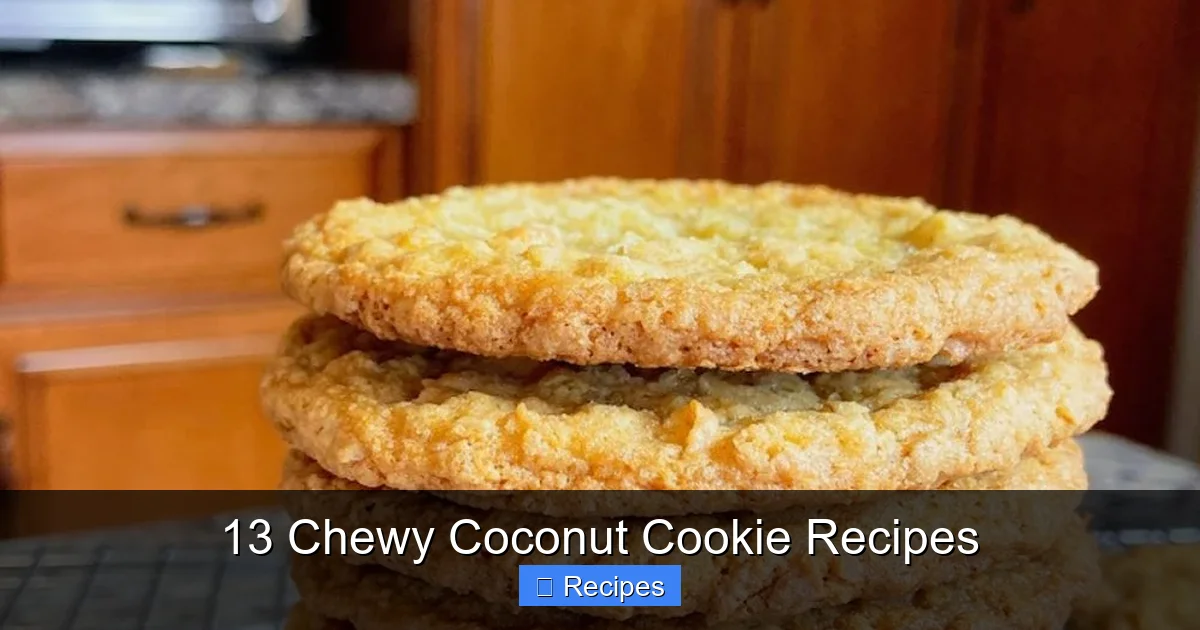
Visual guide about 13 Chewy Coconut Cookie Recipes
Image source: i.pinimg.com
Ingredient Temperature & Preparation
Always use room-temperature eggs and butter unless a recipe specifies otherwise. This ensures even emulsification and proper creaming. For coconut, if a recipe calls for “toasted coconut,” toast it yourself on a baking sheet at 325°F for 5-8 minutes, stirring halfway. Store-bought toasted coconut is often over-toasted and can burn in your cookies.
The Sacred Dough Chill
Do not skip the chill. This isn’t just about flavor. Chilling allows the flour to fully hydrate and the fats to solidify. When you bake a chilled dough, it spreads less, resulting in a thicker, chewier center. It also gives the baking soda/powder a chance to distribute evenly for a uniform rise. A minimum of 30 minutes is good; 2-24 hours is ideal.
Baking Sheet Strategy
Use heavy, light-colored baking sheets. Dark sheets absorb more heat and can cause the bottoms to brown too quickly, drying out the cookie. Always use parchment paper or a silicone mat. Never bake cookies on a bare metal sheet. Rotate the sheet halfway through baking for even browning.
Storage & Freshness: Keeping Cookies Chewy for Days
The battle for chewiness isn’t over when the cookies leave the oven. Proper storage is critical to fight the arch-nemesis: staleness (starch retrogradation).
The Airtight Container Method
Once completely cool, store cookies in an airtight container. Place a sheet of parchment paper between layers if stacking to prevent sticking. For maximum softness, add a piece of sandwich bread or a terra cotta brown sugar keeper disk to the container. The moisture from the bread/disk will be absorbed by the cookies. Replace the bread every day or two.
Freezing for Future Chew
Both baked cookies and cookie dough freeze beautifully. For baked cookies: cool completely, layer with parchment in an airtight container, and freeze. Thaw at room temperature. For dough: scoop into balls, freeze on a tray, then transfer to a freezer bag. Bake from frozen, adding 1-2 extra minutes to the bake time. This method often yields even chewier cookies because the dough is ultra-cold when it hits the oven, delaying spread.
Creative Twists & Dietary Adaptations
Your chewy coconut cookie recipes are a canvas.
Flavor Boosters
- Citrus Zest: Add 1-2 tbsp of lime or orange zest to any coconut recipe for a bright, fresh contrast.
- Spices: Ground cinnamon, cardamom, or ginger pair wonderfully with coconut. Start with ½ tsp.
- Extracts: Swap vanilla for almond, coconut, or rum extract.
Dietary Swaps
- Gluten-Free: Use a 1:1 gluten-free all-purpose flour blend. Add ¼ tsp xanthan gum if your blend doesn’t include it to help bind.
- Vegan: Replace butter with refined coconut oil (for neutral flavor) or vegan butter. Use a flax egg (1 tbsp ground flax + 3 tbsp water) instead of chicken eggs. Ensure sugar is vegan (not refined with bone char).
- Lower Sugar: Reduce sugar by ¼ and increase a bit of unsweetened coconut or add a ripe, mashed banana (about ¼ cup) to the dough for natural sweetness and moisture.
Conclusion: Bake Your Way to Coconut Chew Bliss
The journey to the perfect chewy coconut cookie is a delicious exploration of texture and flavor. It starts with understanding the core principles—the power of brown sugar, the non-negotiable dough chill, and the art of under-baking. From there, the 13 recipes provided offer a launching pad for endless creativity. Whether you’re making the minimalist, flourless macaroon or the decadent double-chocolate bar, you now have the knowledge to control the outcome. Remember, baking is both a science and an art. Have fun, taste your dough (yes, really!), and don’t be afraid to tweak. The best chewy coconut cookie recipes are the ones that become your own, baked with confidence and shared with joy. Now, preheat that oven and get ready for a batch of cookies that are soft, satisfying, and perfectly, irresistibly chewy.
Frequently Asked Questions
Why are my coconut cookies dry and crumbly instead of chewy?
This is usually due to over-baking or too much flour. Ensure you measure flour correctly by spooning it into the measuring cup and leveling off, not packing it. Also, pull cookies from the oven when the centers still look soft, as they will continue to cook on the hot sheet.
Can I use sweetened shredded coconut instead of unsweetened?
Yes, you can. Sweetened coconut is moister and sweeter. If using it, you may want to reduce the added sugar in the recipe by 1-2 tablespoons to avoid overly sweet cookies. Also, watch it closely in the oven as it can burn more easily than unsweetened coconut.
How do I make my coconut cookies chewier without changing the recipe drastically?
The easiest fix is to under-bake them by 1-2 minutes. Also, try replacing one of the egg whites with an extra egg yolk for more fat and moisture. Finally, store them with a piece of bread in the airtight container to introduce ambient moisture.
Can I make the cookie dough ahead of time?
Absolutely! Most cookie doughs, especially those with high fat content, can be made and chilled in the refrigerator for 2-3 days before baking. For longer storage, scoop into balls and freeze on a baking sheet, then store in a freezer bag for up to 3 months. Bake from frozen, adding a minute or two to the time.
My coconut cookies spread too much. How can I get a thicker, chewier cookie?
First, ensure your dough is properly chilled. Second, check your butter temperature—it should be room temperature, not melted. Third, you might have too much sugar (white sugar promotes spread) or your oven could be running hot. Use an oven thermometer to verify the temperature.
What’s the best type of coconut for chewy cookies?
For the best chew and pure coconut flavor, unsweetened shredded coconut is the winner. It’s drier and less sweet, allowing you to control the sugar level and preventing potential burning. If you prefer a sweeter, moister cookie, sweetened coconut works well, just adjust the recipe’s sugar accordingly.