Starting keto can feel overwhelming, but dinner doesn’t have to be. This collection of 9 beginner-friendly recipes focuses on simple techniques, accessible ingredients, and familiar flavors to make your transition smooth. You’ll find everything from one-pan wonders to comforting classics, all designed to keep you satisfied without complicated macros or exotic foods. These meals prove that eating low-carb can be both effortless and incredibly delicious.
Key Takeaways
- Focus on whole, unprocessed foods: Build your keto meals around meat, fish, eggs, and low-carb vegetables like spinach, broccoli, and zucchini for the best results and health benefits.
- Fat is a tool, not the goal: Use healthy fats like avocado oil, olive oil, and butter to cook and add flavor, but don’t stress about hitting a exact fat number every meal, especially as a beginner.
- Master a few core techniques: Learning to pan-sear chicken, roast vegetables, and make a simple cream sauce will unlock dozens of keto meals and build your confidence quickly.
- Meal prep is your secret weapon: Dedicate 1-2 hours weekly to chop veggies, cook protein, and make sauces. This turns weeknight dinners from a chore into a 10-minute assembly.
- Don’t fear the scale initially: Your first week or two may show rapid water weight loss. Focus on how you feel—more energy, less hunger—rather than daily scale fluctuations.
- Read labels religiously: Hidden sugars and starches lurk in sauces, dressings, and pre-made spice blends. Get in the habit of checking total carbs and ingredient lists.
- Hydration and electrolytes are non-negotiable: The “keto flu” is often just dehydration and electrolyte imbalance. Drink plenty of water and consider adding salt, potassium, and magnesium.
📑 Table of Contents
- Your Keto Dinner Journey Starts Here: Simple & Satisfying
- The Keto Beginner’s Pantry: Stock Smart, Shop Simple
- 9 Foolproof Keto Dinners for Your First Month
- Making Keto Dinner Success a Habit: Beyond the Recipes
- Troubleshooting: Common Beginner Hurdles & How to Overcome Them
- Conclusion: Your Delicious Keto Future Starts Tonight
Your Keto Dinner Journey Starts Here: Simple & Satisfying
So, you’ve decided to try keto. Maybe you’re looking to lose weight, gain energy, or just feel better in your own skin. You’ve read about the amazing benefits of swapping carbs for healthy fats. But then you open a recipe website and are greeted by lists of expensive, obscure ingredients like “almond flour” and “xylitol,” and instructions that feel like a chemistry experiment. The excitement quickly turns to anxiety. “Can I really do this? What will I even eat for dinner?”
Take a deep breath. The core principle of a ketogenic diet is beautifully simple: drastically reduce carbohydrates, eat moderate protein, and increase healthy fats. Your dinner plate should be a colorful canvas of a protein source and 1-2 low-carb vegetables, often finished with a drizzle of oil or a pat of butter. That’s it. The recipes you’re about to discover are built on that foundation. They use ingredients you can find at any grocery store, require equipment you already own (a pan, an oven, a pot), and come together in 30 minutes or less. This isn’t about becoming a gourmet chef; it’s about building a sustainable, healthy habit one delicious dinner at a time.
The Keto Beginner’s Pantry: Stock Smart, Shop Simple
Before we dive into the recipes, let’s talk staples. Having these items on hand means you’re always 15 minutes away from a keto dinner. You don’t need a special “keto aisle.” You need a well-stocked fridge, freezer, and a few key dry goods.
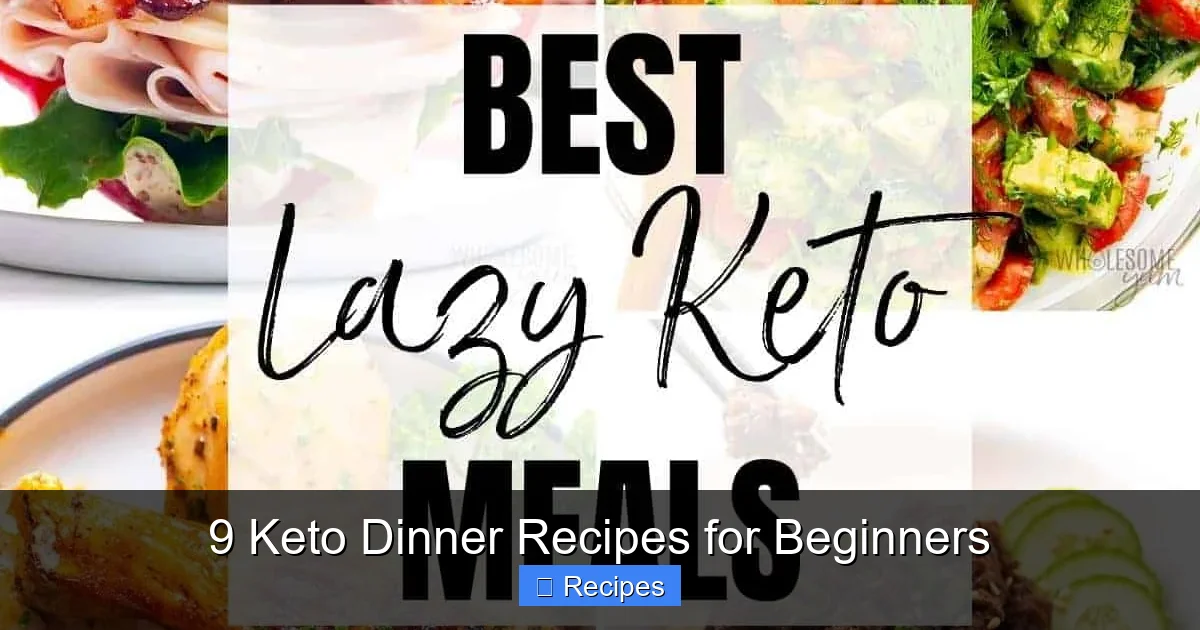
Visual guide about 9 Keto Dinner Recipes for Beginners
Image source: wholesomeyum.com
Your Essential Protein Arsenal
Protein is the anchor of your meal. Think versatile, budget-friendly, and quick-cooking.
- Chicken: Boneless, skinless thighs (more flavor, more fat) and breasts are your workhorses. Keep frozen for flexibility.
- Ground Meat: Beef (85/15 or 80/20 for better fat content), pork, and turkey. Perfect for quick skillet meals and “bowls.”
- Eggs: The ultimate keto food. Scrambled, fried, poached, or in an omelet. Inexpensive and nutrient-dense.
- Canned Fish: Tuna, salmon, and sardines in olive oil (not soybean oil). Incredibly fast protein for salads and patties.
- Thick-Cut Bacon: For rendering fat, adding flavor to everything, and a quick breakfast-for-dinner option.
Low-Carb Vegetable Champions
Aim for above-ground, non-starchy vegetables. They provide fiber, vitamins, and volume to keep you full.
- Leafy Greens: Spinach, kale, and arugula wilt in seconds and are perfect for sides or adding to main dishes.
- Zucchini & Summer Squash: The most versatile keto veggie. Spiralize for “zoodles,” slice for sautéing, or cube for casseroles.
- Broccoli & Cauliflower: The dynamic duo. Roast for crispy edges, steam for a soft side, or rice cauliflower for a potato substitute.
- Bell Peppers & Onions: Add sweetness, color, and flavor to any stir-fry or sheet-pan meal. Use onions moderately due to higher sugar content.
- Asparagus & Green Beans: Elegant, quick-roasting sides that feel special with minimal effort.
Fats, Seasonings & Sauces
This is where flavor comes alive. Fat is not just for cooking; it’s a seasoning.
- Cooking Fats: Avocado oil (high smoke point), olive oil (for dressings/low-heat), butter, and ghee (clarified butter).
- Condiments: Mustard (Dijon, whole grain), mayonnaise (check for no sugar), soy sauce or tamari (for stir-fries), hot sauce, and salsa (check carbs).
- Herbs & Spices: Garlic powder, onion powder, smoked paprika, cumin, Italian seasoning, chili flakes. Fresh garlic and ginger are also fantastic.
- Cream & Cheese: Heavy cream, cream cheese, and shredded cheese (cheddar, mozzarella, parmesan) are the bases for countless keto sauces.
9 Foolproof Keto Dinners for Your First Month
Each recipe below is designed with the absolute beginner in mind. We’ll walk through why it’s easy, the exact steps, and pro-tips to make it your own. Remember, the goal is progress, not perfection.
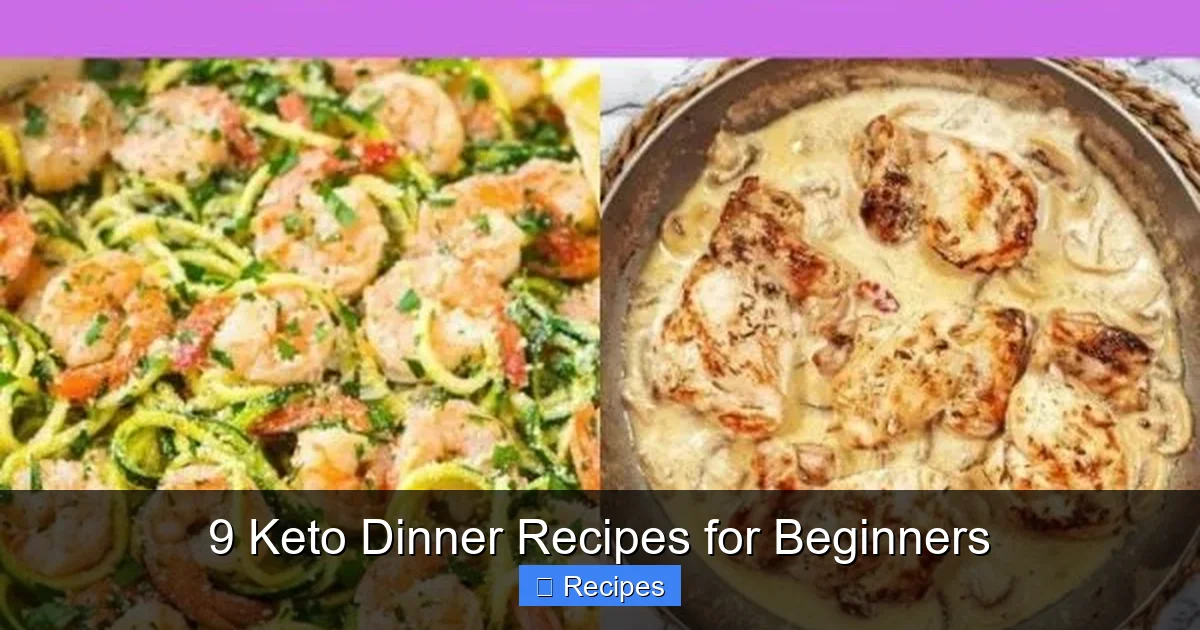
Visual guide about 9 Keto Dinner Recipes for Beginners
Image source: momshealth.co
1. Pan-Seared Lemon Herb Chicken Thighs with Roasted Asparagus
This is the ultimate “I have 20 minutes” dinner. Bone-in, skin-on chicken thighs are nearly impossible to overcook and are packed with flavor. The crispy skin is a keto delight.
Why it’s perfect for beginners: One-pan cooking (plus one baking sheet), minimal prep, and the oven does the work while you attend to the chicken. The flavor comes from simple pantry staples.
Ingredients: 4 bone-in, skin-on chicken thighs, salt, pepper, 1 bunch asparagus, 2 tbsp olive oil, 1 lemon (half sliced, half juiced), 1 tbsp dried herbs (thyme, rosemary, or Italian blend).
Steps:
- Preheat oven to 400°F (200°C). Toss asparagus with 1 tbsp olive oil, salt, and pepper on a baking sheet. Set aside.
- Pat chicken thighs VERY dry with a paper towel. This is the secret to crispy skin. Season generously on both sides with salt and pepper.
- Heat 1 tbsp olive oil in a large, oven-safe skillet (like cast iron) over medium-high heat. Place chicken skin-side down and cook for 6-8 minutes without moving it until the skin is deep golden brown and crispy.
- Flip chicken. Add lemon slices and herbs to the pan. Transfer the entire skillet to the oven and roast for 15-20 minutes until chicken reaches 165°F (74°C) internally.
- Remove chicken to a plate. Add lemon juice to the pan drippings, stir, and pour over chicken. Serve immediately with roasted asparagus.
Pro-Tip: Don’t skip the paper towel dry step! Moisture is the enemy of crispiness. If you don’t have an oven-safe skillet, cook the chicken on the stovetop, then transfer to a separate baking dish to finish in the oven.
2. One-Pan Garlic Butter Steak & Zucchini “Noodles”
This feels like a restaurant-quality meal that takes 15 minutes. The zucchini “zoodles” cook in the same pan as the steak, absorbing all the garlic-butter goodness.
Why it’s perfect for beginners: It’s a complete meal in one pan, meaning less cleanup. The technique for cooking a perfect pan-seared steak is a fundamental keto skill.
Ingredients: 1 ribeye or sirloin steak (1-inch thick), salt, pepper, 1 large zucchini, 2 tbsp butter, 3 cloves garlic (minced), 1 tbsp fresh parsley (chopped).
Steps:
- Spiralize the zucchini into noodles. If you don’t have a spiralizer, use a vegetable peeler to create long ribbons.
- Pat steak dry. Season aggressively with salt and pepper on both sides.
- Heat a large skillet over high heat for 2 minutes. Add 1 tbsp oil. Place steak in the pan and cook for 3-4 minutes per side for medium-rare (adjust for thickness and preference).
- Remove steak to a plate to rest. Reduce heat to medium. Add butter and garlic to the same pan. Cook for 30 seconds until fragrant.
- Add zucchini noodles and a pinch of salt. Toss constantly for 2-3 minutes until just tender but still slightly crisp.
- Slice steak against the grain. Plate zucchini, top with steak slices, and drizzle with the garlic butter from the pan. Garnish with parsley.
Pro-Tip: Let your steak come to room temperature for 20 minutes before cooking for a more even cook. Always let it rest for 5 minutes after cooking; this allows the juices to redistribute, preventing a dry steak.
3. Simple Slow-Cooker Keto Chili
Dump, set, and forget. This chili is thick, hearty, and packed with flavor from canned tomatoes, spices, and ground beef. It tastes like it simmered all day, but you barely lifted a finger.
Why it’s perfect for beginners: Zero active cooking time. Just brown the meat (optional but recommended for flavor) and throw everything in. It’s a fantastic meal prep option that tastes even better the next day.
Ingredients: 2 lbs ground beef, 1 onion (diced), 3 cloves garlic (minced), 1 can (14oz) diced tomatoes (no sugar added), 1 can (6oz) tomato paste, 2 cups beef broth, 2 tbsp chili powder, 1 tsp cumin, 1 tsp oregano, salt, pepper, 1 can (4oz) green chiles (optional).
Steps:
- In a large skillet over medium heat, cook ground beef and onion until beef is browned and onion is soft. Drain excess grease. Add garlic and cook 1 minute more.
- Transfer beef mixture to a slow cooker. Add tomato paste, chili powder, cumin, and oregano. Stir to coat the meat.
- Add diced tomatoes (with juices) and beef broth. Stir in green chiles if using.
- Cook on LOW for 6-8 hours or HIGH for 3-4 hours. Season generously with salt and pepper before serving.
- Serve with a dollop of sour cream, shredded cheddar, or sliced avocado.
Pro-Tip: For a thicker chili, mix 1 tsp of glucomannan powder (a keto-friendly fiber) with a few tablespoons of cold water and stir into the chili in the last 30 minutes of cooking. It thickens magically without carbs.
4. Cheesy Taco Salad Bowl
This is a deconstructed taco that’s fresher, crunchier, and more customizable. It’s a fantastic way to use up leftover taco meat and feels like a treat.
Why it’s perfect for beginners: No cooking required if you use pre-cooked meat or a quick skillet method. It’s an assemble-your-own meal, which is great for picky eaters or making lunch the next day.
Ingredients: 1 lb ground beef or turkey, 1 packet (or 2 tbsp homemade) taco seasoning, 4 cups chopped romaine or green leaf lettuce, 1 cup shredded cheddar or Mexican blend cheese, 1/2 cup sour cream, 1/2 cup salsa (check carbs), 1 avocado (diced), 1/4 cup sliced black olives, 1 jalapeño (thinly sliced, optional).
Steps:
- Cook ground meat in a skillet over medium heat until no longer pink. Drain excess fat. Add taco seasoning and 1/2 cup of water. Simmer for 5 minutes until thickened.
- While meat cooks, chop all your veggies and shred cheese.
- To assemble: Divide chopped lettuce among large bowls. Top with warm taco meat, cheese, avocado, olives, and jalapeño.
- Drizzle with sour cream and salsa. Serve immediately.
Pro-Tip: Make your own taco seasoning to control sugar and salt: mix 1 tbsp chili powder, 1/2 tsp cumin, 1/2 tsp garlic powder, 1/2 tsp onion powder, 1/2 tsp smoked paprika, 1/4 tsp oregano, and 1/2 tsp salt. Store in a jar.
5. Creamy Tuscan Chicken (One Pan!)
This rich, decadent dish tastes like it came from a fancy Italian restaurant, but it’s just 6 ingredients and one pan. The creamy garlic sauce clings to tender chicken and sun-dried tomatoes.
Why it’s perfect for beginners: The sauce comes together in the same pan after the chicken cooks. It’s a lesson in deglazing and building flavor. The result is impressive with minimal extra effort.
Ingredients: 2 boneless, skinless chicken breasts (or thighs), salt, pepper, 1 tbsp olive oil, 1/2 cup chicken broth, 1/2 cup heavy cream, 1/4 cup grated parmesan, 1/3 cup sun-dried tomatoes (oil-packed, chopped), 2 cups fresh spinach, 3 cloves garlic (minced).
Steps:
- Season chicken with salt and pepper. Heat oil in a large skillet over medium-high heat. Cook chicken for 5-7 minutes per side until golden and cooked through. Remove to a plate.
- Reduce heat to medium. Add garlic to the pan and cook for 30 seconds. Pour in chicken broth, scraping up any browned bits from the bottom of the pan (this is the “fond” and it’s flavor gold).
- Stir in heavy cream and parmesan. Simmer for 2-3 minutes until slightly thickened.
- Add sun-dried tomatoes and spinach. Stir until spinach wilts.
- Return chicken to the pan and spoon sauce over the top. Simmer for another minute to heat through. Serve immediately.
Pro-Tip: Use the oil from the sun-dried tomato jar as part of your cooking fat for an extra layer of flavor. If your sauce seems too thin, mix 1 tsp of cornstarch with 1 tbsp cold water and whisk in; simmer for 1 minute to thicken (adds minimal carbs).
6. Easy Sheet Pan Salmon & Broccoli
This is the definition of a complete, balanced keto meal with virtually no cleanup. The salmon cooks to flaky perfection while the broccoli gets roasted and caramelized in the same pan.
Why it’s perfect for beginners: It’s literally one pan to wash. The high heat of the oven cooks everything evenly. The lemon-dill seasoning is foolproof and fresh.
Ingredients: 2 salmon fillets (skin-on or skinless), 1 head broccoli (cut into florets), 3 tbsp olive oil, 1 lemon (half sliced, half juiced), 1 tsp dried dill, salt, pepper.
Steps:
- Preheat oven to 400°F (200°C). Line a large baking sheet with parchment paper for easy cleanup.
- Place broccoli florets on one side of the baking sheet. Drizzle with 1 tbsp olive oil, salt, and pepper. Toss to coat.
- Place salmon fillets on the other side of the sheet. Drizzle with 1 tbsp olive oil, lemon juice, dill, salt, and pepper. Place lemon slices on top of the salmon.
- Roast for 12-15 minutes. The salmon is done when it flakes easily with a fork and the broccoli is tender and charred at the edges.
- Serve everything together, drizzling any pan juices over the top.
Pro-Tip: For extra crispy broccoli, spread it in a single layer without crowding. If the pan is too crowded, it will steam instead of roast. Use two pans if necessary.
7. Keto “Bunless” Bacon Cheeseburger Salad
All the joy of a cheeseburger without the bun. This salad is packed with savory beef, melted cheese, and a creamy “special sauce.” It’s satisfying, fast, and endlessly customizable.
Why it’s perfect for beginners: It’s a familiar flavor profile in a new format. Cooking a perfect burger patty is a basic skill, and the sauce is just a mix of mayo and mustard.
Ingredients: 1/2 lb ground beef (80/20), salt, pepper, 2 slices cheddar cheese, 2 cups chopped romaine, 2 slices bacon (cooked and crumbled), 1/4 cup diced pickles, 1/4 cup diced onion, 2 tbsp mayonnaise, 1 tbsp sugar-free ketchup or mustard, 1 tsp Worcestershire sauce.
Steps:
- Form ground beef into a patty slightly larger than your palm. Season generously with salt and pepper.
- Cook bacon until crispy. Drain on paper towels and crumble.
- Cook burger patty in a skillet over medium-high heat for 3-4 minutes per side for medium. In the last minute of cooking, place a slice of cheese on top to melt.
- While burger cooks, make the sauce: mix mayo, ketchup/mustard, and Worcestershire in a small bowl.
- Assemble salad: pile romaine in a bowl. Top with the cooked burger (with its melted cheese), crumbled bacon, pickles, and onion. Drizzle generously with special sauce.
Pro-Tip: For a “Big Mac” style salad, add a layer of shredded lettuce and a sprinkle of sesame seeds. Use sugar-free ketchup or a mix of equal parts mayo and sugar-free BBQ sauce for a tangy twist.
8. Creamy Garlic Shrimp with Zucchini
Shrimp cooks in under 5 minutes, making this a lightning-fast gourmet dinner. The garlic-lemon cream sauce is light yet luxurious, coating the zucchini perfectly.
Why it’s perfect for beginners: Shrimp is very forgiving—it goes from perfect to rubbery in seconds, so you learn to watch it closely. The entire dish cooks in one pan in about 10 minutes.
Ingredients: 1 lb large shrimp (peeled, deveined, tails off), 2 medium zucchinis (spiralized or sliced), 4 cloves garlic (minced), 1/2 cup chicken broth, 1/4 cup heavy cream, 2 tbsp butter, 1 lemon (zested and juiced), 1/4 tsp red pepper flakes (optional), salt, pepper, fresh parsley.
Steps:
- Pat shrimp dry and season with salt and pepper.
- Heat 1 tbsp butter in a large skillet over medium-high heat. Add shrimp and cook for 1-2 minutes per side until pink and opaque. Remove shrimp to a plate.
- Add remaining butter to the pan. Add garlic and red pepper flakes (if using). Cook for 30 seconds until fragrant.
- Add zucchini and a pinch of salt. Cook for 2-3 minutes, stirring, until slightly softened.
- Pour in chicken broth and bring to a simmer. Cook for 2 minutes. Add heavy cream and lemon zest. Simmer for 1-2 minutes until slightly thickened.
- Return shrimp to the pan. Add lemon juice and stir. Cook for 30 seconds to heat through. Garnish with parsley.
Pro-Tip: Don’t overcook the shrimp! They will continue to cook in the hot sauce after you add them back. They should be just shy of done when you remove them initially.
9. Hearty Keto Sausage & “Cabbage” Skillet
This is a one-pan, 20-minute meal that feels like a hug. It uses pre-cooked sausage for speed and is packed with low-carb vegetables that cook down into a savory, satisfying hash.
Why it’s perfect for beginners: Uses pre-cooked sausage (like Italian or smoked bratwurst—check labels for no sugar), so the only cooking is sautéing vegetables. It’s a great way to use up leftover veggies from the fridge.
Ingredients: 1 lb pre-cooked sausage (sliced), 1/2 head green cabbage (thinly sliced), 1 bell pepper (sliced), 1 onion (sliced), 2 cloves garlic (minced), 2 tbsp olive oil or bacon fat, 1 tsp smoked paprika, salt, pepper, 2 tbsp chicken broth (optional).
Steps:
- Heat oil in a large skillet or Dutch oven over medium-high heat.
- Add sliced sausage and cook for 3-4 minutes until browned on the edges.
- Add onion and bell pepper. Cook for 5 minutes until starting to soften.
- Add garlic and smoked paprika. Cook for 1 minute until fragrant.
- Add sliced cabbage in batches, stirring until it wilts down. Add a splash of chicken broth if the pan gets too dry to help steam the cabbage.
- Cook for 8-10 minutes, stirring occasionally, until all vegetables are tender and the flavors have melded. Season generously with salt and pepper.
Pro-Tip: Cabbage is a keto superstar because it’s cheap, lasts forever in the fridge, and cooks down to a fraction of its volume. You can easily swap in sliced mushrooms, shredded Brussels sprouts, or even chopped kale.
Making Keto Dinner Success a Habit: Beyond the Recipes
Now that you have nine solid recipes under your belt, the real key is building a system. The first few weeks are about learning, not perfection. You will have cravings. You might accidentally eat a food with hidden sugar. That’s okay. The goal is to get back on track with your next meal.
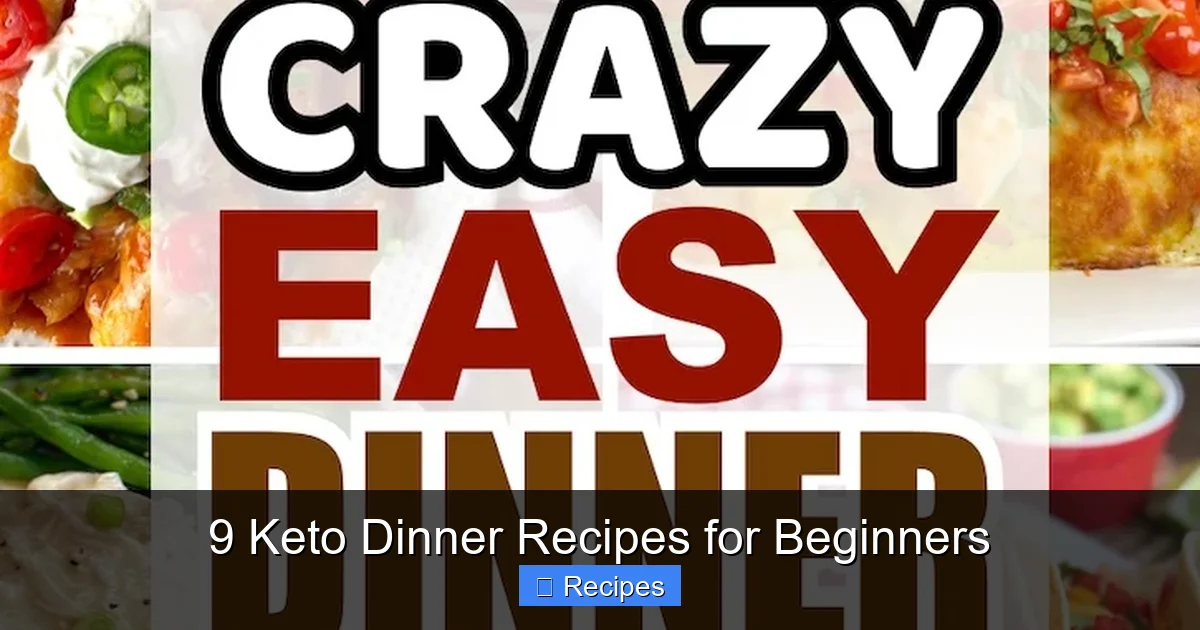
Visual guide about 9 Keto Dinner Recipes for Beginners
Image source: thelazydish.com
The Power of the “Protein + Veg + Fat” Formula
Internalize this template: Choose a protein (chicken, beef, fish, eggs), choose 1-2 low-carb vegetables, and decide on a fat (cooking oil, butter, cheese, avocado, olive). That’s your dinner. You can mix and match endlessly. Had salmon last night? Do a hamburger patty with a side salad tonight. This formula gives you infinite variety without needing a new recipe every day.
Batch Cooking & Strategic Leftovers
Dedicate 1-2 hours on a Sunday. Roast a huge tray of broccoli and cauliflower. Cook 3 pounds of ground beef with taco seasoning. Grill 6 chicken breasts. Hard-boil a dozen eggs. Store components separately. During the week, you can assemble a different meal in minutes: taco salad, chicken and veggie bowls, or a quick fried rice with cauliflower rice and leftover chicken. Leftovers from Recipe #3 (the chili) make an incredible keto-friendly “chili cheese dog” using a large, halved cucumber as the “bun.”
Eating Out & Social Situations
Keto doesn’t mean you’re chained to your kitchen. Most restaurants can accommodate you. Your order should be: “I’ll have the grilled salmon (or chicken/steak) with a double serving of broccoli/asparagus/salad, and please hold the bread, potatoes, and sugary sauces. I’d like olive oil or butter on my vegetables.” It’s not rude; it’s a dietary request. At gatherings, focus on the meat and cheese platters, the vegetable salads (skip the croutons), and the deviled eggs. Eat beforehand if you’re unsure. Your health is more important than being polite.
Troubleshooting: Common Beginner Hurdles & How to Overcome Them
Let’s address the real-world snags that trip people up in the first month.
“I’m constantly hungry!”
This is usually a sign you’re not eating enough fat or protein at meals. Fat is satiating. Add an extra tablespoon of olive oil to your salad, a slice of cheese to your burger, or half an avocado to your side. Also, ensure you’re eating enough volume from low-carb vegetables—they provide bulk and fiber. Drink a large glass of water or a cup of bone broth when hunger strikes between meals; sometimes thirst masks itself as hunger.
“I have no energy / I have the ‘keto flu.’”
This is your body adjusting to burning fat instead of glucose. It’s often just electrolyte imbalance. Drink more water than you think you need. Liberally salt your food (good quality sea salt or Himalayan pink salt). Consider a magnesium supplement (glycinate or citrate) and a potassium supplement or eat more avocado and spinach. This usually passes in 3-7 days.
“This is too expensive!”
It can be if you rely on premium packaged “keto” foods. The true keto diet is built on cheap staples: eggs, ground meat, chicken thighs, seasonal vegetables, cabbage, and frozen fish. Buy in bulk, shop sales, and use a freezer. The money you save from not buying sugary cereals, bread, chips, and soda will often offset the cost of better quality meat and fats. Think of it as investing in your health.
“My food is bland!”
Carbs are flavor carriers. Without them, you need to amp up other elements. Salt is your best friend—use it generously. Acid is another: squeeze fresh lemon or lime juice on everything. Umami from ingredients like mushrooms, soy sauce (tamari), Parmesan cheese, and Worcestershire sauce adds depth. Experiment with fresh herbs (cilantro, basil, dill), spices (smoked paprika, cumin, curry powder), and aromatics (garlic, ginger, shallots).
Conclusion: Your Delicious Keto Future Starts Tonight
Starting a ketogenic diet isn’t about a lifelong sentence of restrictive eating. It’s about discovering a new way of eating that makes you feel vibrant, satisfied, and in control. These nine recipes are your launchpad. They are designed to be approachable, scalable, and, most importantly, delicious. Cook them as written the first time. Then, have fun with them. Swap the chicken for shrimp in the Tuscan recipe. Use Italian sausage in the cabbage skillet. Add more vegetables to the chili. Make the recipes your own.
The most successful keto journey is built on consistency, not perfection. You will have days that are harder than others. You will learn to read labels like a detective. You will discover that your cravings for sugar and processed carbs diminish dramatically after a few weeks. And you will experience the incredible feeling of stable energy, mental clarity, and reduced hunger that comes from burning fat for fuel.
So, clear your schedule for tonight. Pick one of these recipes—maybe the 15-minute garlic butter steak or the dump-and-go chili. Go to the store with your simple pantry list. Turn on some music, pour a glass of sparkling water, and cook. Enjoy the process. Taste your food. Then, sit down, savor every bite, and know that you’ve taken a powerful, positive step for your health. That’s what keto dinner is really about.
Frequently Asked Questions
Is the keto diet expensive to follow?
Not if you shop smart. Focus on inexpensive, whole food staples like eggs, ground meat, chicken thighs, seasonal vegetables, cabbage, and frozen fish. Avoid pricier packaged “keto” snacks and specialty flours. Buying in bulk and planning meals around sales keeps costs manageable.
Can I eat out at restaurants while on keto?
Absolutely. Most restaurants can accommodate you. Order grilled or baked protein (steak, chicken, fish) and ask for double non-starchy vegetables (broccoli, asparagus, salad) instead of potatoes or bread. Be specific about avoiding sugary sauces and dressings. Italian, steakhouse, and salad-focused menus are usually the easiest to navigate.
What are the best keto-friendly vegetable sides?
Stick to above-ground, non-starchy vegetables. Excellent options include broccoli, cauliflower, zucchini, asparagus, spinach, kale, bell peppers, green beans, mushrooms, and leafy greens. Roast, sauté, or steam them and finish with butter, olive oil, cheese, or herbs for flavor.
I’m vegetarian. Can I do keto?
Yes, but it requires more planning. Focus on high-fat plant proteins like eggs, full-fat dairy (cheese, Greek yogurt), tempeh, tofu (in moderation), and tempeh. Combine them with low-carb vegetables and healthy fats (avocado, nuts, seeds, olive oil). Be mindful of total protein, as plant proteins often come with some carbs.
How long does it take to get into ketosis?
It varies by person, but typically 2-7 days of strict carb restriction (under 20-50g net carbs daily). You can speed it up with fasting, intense exercise, and by ensuring you’re eating enough healthy fats. The “keto flu” symptoms during this period are usually due to dehydration and electrolyte loss, so drink plenty of water and add salt to your food.
What should I do if I accidentally eat something with sugar or too many carbs?
Don’t panic or give up. One meal won’t ruin your progress. Just get back on track with your very next meal. Drink extra water, go for a walk, and resume your low-carb eating immediately. The worst thing you can do is think, “I already messed up, so I might as well have a cheat day.” That mindset leads to abandoning the diet entirely. Forgive yourself and move forward.