Unlock the secret to healthier, more flavorful desserts with sourdough. This collection proves fermented dough isn’t just for bread. Sourdough’s natural tang and fermentation process enhance texture, improve digestibility, and allow for smarter ingredient swaps. You’ll find naturally sweetened, whole-grain, and gut-friendly treats that are surprisingly simple to make. These recipes transform classic desserts into wholesome indulgences you can feel good about.
Key Takeaways
- Fermentation is Key: The sourdough process breaks down gluten and phytic acid, potentially making minerals more bioavailable and improving digestibility, even in sweet treats.
- Natural Sweetness: Many recipes use minimal refined sugar, relying on the sourdough’s tang to balance sweetness, often paired with honey, maple syrup, or fruit.
- Texture & Moisture Magic: Sourdough discard or starter adds incredible moisture and a tender, complex crumb to cakes, muffins, and brownies, often reducing the need for excess fat.
- Ingredient Swaps: These recipes frequently incorporate whole wheat or spelt flour, nut flours, and healthy fats, boosting nutrition without sacrificing taste.
- Zero Waste: Using sourdough discard (the portion you discard before feeding) is a perfect, sustainable way to bake desserts without creating extra starter.
- Versatile Flavor Base: Sourdough’s mild tang acts as a flavor amplifier, complementing chocolate, citrus, berries, and spices beautifully.
- Longer Freshness: The acidity in sourdough can act as a natural preservative, helping baked goods stay moist and fresh for an extra day or two.
📑 Table of Contents
- Why Bake Desserts with Sourdough? It’s Not Just a Trend
- Essential Ingredients & Tools for Your Sourdough Pastry Journey
- 18 Healthy Sourdough Dessert Recipes to Satisfy Any Craving
- Pro Tips for Perfect Healthy Sourdough Dessert Recipes Every Time
- Storing & Freezing Your Sourdough Sweets
- Conclusion: Your Journey into Fermented Sweets Starts Now
Why Bake Desserts with Sourdough? It’s Not Just a Trend
You might be thinking, “Sourdough for dessert? Isn’t that just for crusty loaves?” It’s a fair question! For years, sourdough lived solely in the bread aisle. But bakers and health enthusiasts are discovering its magical ability to transform sweets. The secret lies in the fermentation. When you mix sourdough starter or discard with your dessert batter, you’re introducing a living culture. This culture begins to work immediately, breaking down starches and proteins in the flour.
This pre-digestion process is the game-changer. It creates a more complex, rounded flavor profile—that pleasant tang that cuts through sweetness. It also tenderizes the gluten network, resulting in a incredibly moist, soft crumb in cakes and muffins that stays fresh longer. Think of it as a natural dough conditioner. On the health side, while the baking process kills the live probiotics, the fermentation still reduces anti-nutrients like phytic acid, which can bind to minerals. This may improve your body’s ability to absorb nutrients like iron and zinc from the whole grains in your dessert. Plus, using sourdough discard is the ultimate kitchen hack for reducing waste. That “discard” you’d normally pour down the drain becomes a precious ingredient for delicious treats.
The Discard vs. Starter Debate
It’s important to clarify terms. Sourdough starter is your active, bubbly, well-fed culture. Sourdough discard is the portion you remove and throw away (or now, bake with!) before each feeding. Discard is less active and more acidic, but it’s perfect for most quick-bread style desserts like cookies, brownies, and pancakes. It provides the flavor and moisture benefits without requiring a long rise time. For recipes that need a bit more lift, like a cake, you might use a recently fed, active starter. The recipes below will specify which to use, but generally, discard is your go-to for healthy sourdough dessert recipes.
Essential Ingredients & Tools for Your Sourdough Pastry Journey
Before we dive into the recipes, let’s stock your pantry for success. Baking with sourdough isn’t about exotic ingredients; it’s about smart swaps and understanding a few key components.
Visual guide about 18 Healthy Sourdough Dessert Recipes
Image source: enwnutrition.com
Flour Power: Beyond All-Purpose
Many of these recipes call for a mix of whole wheat or spelt flour with all-purpose. Whole grain flours add fiber, protein, and micronutrients. Spelt flour, an ancient wheat, is often easier to digest for some and has a lovely, slightly sweet, nutty flavor that pairs perfectly with sourdough’s tang. For gluten-free bakers, a good measure-for-measure blend works, but you may need to adjust liquids as whole grain gluten-free flours absorb more.
Sweeteners: Less Sugar, More Flavor
We’re moving beyond a cup of white sugar. Look for recipes that use natural liquid sweeteners like pure maple syrup, honey, or coconut nectar. These add moisture and a depth of flavor. For dry sweeteners, coconut sugar or organic cane sugar are great. Many recipes also use the natural sweetness of ripe bananas, dates, or applesauce to further reduce added sugar. Remember, the sourdough tang will make things taste less sweet than a conventional recipe, so don’t overcompensate!
Fats: Choose Wisely
Avocado oil, melted coconut oil, or even good-quality olive oil in cakes can work wonders. They’re heart-healthy monounsaturated fats. For cookies and brownies, a combination of butter (for flavor) and a neutral oil (for moisture) is a pro move. Nut butters, like almond or cashew, are fantastic for adding richness, protein, and healthy fats to bars and cookies.
Your Tool Kit
You likely have everything you need: mixing bowls, a whisk, a spatula, and baking pans. A kitchen scale is highly recommended for baking precision, especially with flours. A bench scraper is invaluable for handling sticky sourdough discards. And of course, a well-maintained sourdough starter is your most important tool. If you don’t have one, you can easily find a local baker or online community to get a piece of starter culture.
18 Healthy Sourdough Dessert Recipes to Satisfy Any Craving
Here it is! The heart of the article. We’ve grouped these healthy sourdough dessert recipes by category for easy browsing. Each one is designed to be nutritious, delicious, and approachable. We’ve focused on whole grains, reduced refined sugar, and nourishing fats. Get ready to have your dessert and eat it too.
Visual guide about 18 Healthy Sourdough Dessert Recipes
Image source: farmhouseonboone.com
1. Cookies & Bars: Chewy, Fudgy, and Perfectly Tangy
Cookies and bars are the ideal starting point for sourdough baking. The discard adds incredible chewiness and moisture, meaning you can often use less butter and egg.
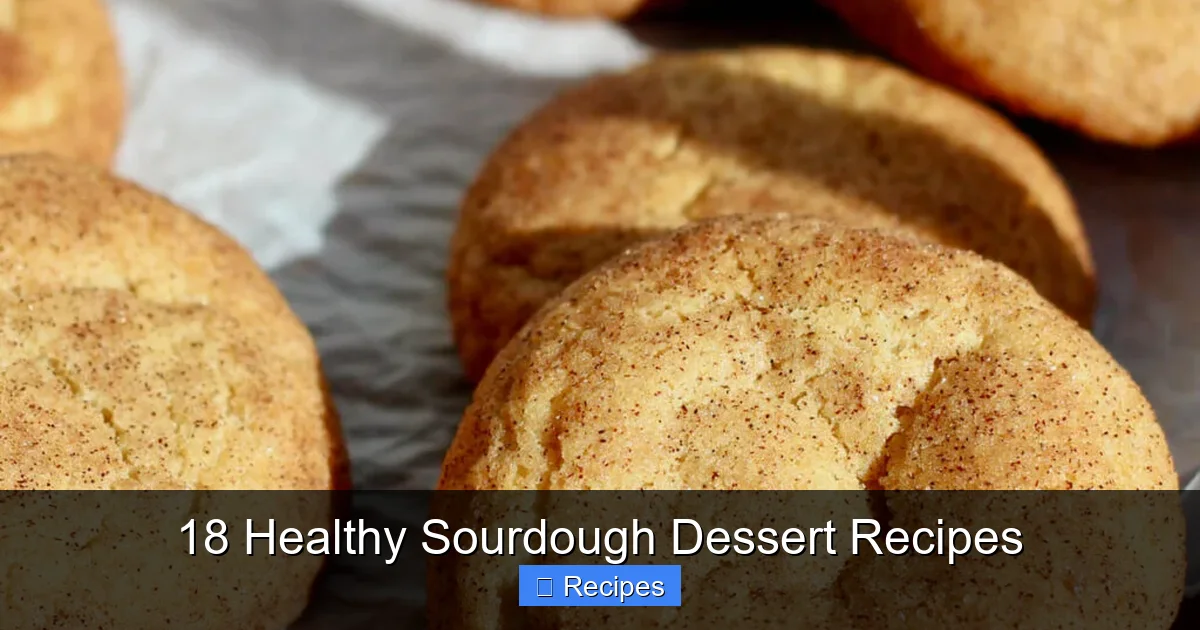
- Sourdough Discard Chocolate Chip Cookies: A legendary recipe. The discard creates a thick, chewy, almost brownie-like cookie. Use dark chocolate chunks and a mix of whole wheat and oat flour for a fiber boost. A pinch of sea salt on top is non-negotiable.
- Gluten-Free Sourdough Blondies: Rich, dense, and fudgy. A gluten-free flour blend, coconut sugar, and tahini (sesame paste) create a nutty, sophisticated bar. The sourdough discard ensures they stay impossibly moist.
- Oatmeal Sourdough Discard Cookies with Dried Cherries: Hearty and wholesome. Use old-fashioned oats, a touch of cinnamon, and tart dried cherries to balance the sweet, tangy cookie base. Sweetened with maple syrup and a little brown sugar.
- No-Bake Sourdough Date & Nut Bars: For when you don’t want to turn on the oven. Pulse dates, nuts, cocoa powder, and a couple tablespoons of sourdough discard in a food processor. Press into a pan and chill. The discard helps bind it all together with a subtle fermented note.
2. Cakes & Cupcakes: Moist, Tender, and Incredibly Light
Cakes are where sourdough truly shines. It acts as a natural emulsifier, creating a batter that bakes into a supremely tender, fine crumb that stays moist for days.
- Whole Wheat Sourdough Banana Cake: Use very ripe bananas for maximum sweetness and moisture. This one-bowl cake is dense, moist, and packed with flavor. A simple maple glaze finishes it beautifully. No need for a mixer!
- Lemon Blueberry Sourdough Cake: Bright, fresh, and perfect for spring. Zest and juice from a lemon infuse the batter, while fresh blueberries burst in every bite. A sourdough starter cake with a crumb topping is a showstopper.
- Sourdough Discard Pumpkin Bread (Cake-Style): More cake than bread, this is spiced perfectly with cinnamon, ginger, and cloves. The discard makes it incredibly tender. Use pure pumpkin puree, not pie filling.
- Chocolate Sourdough Mug Cake: The ultimate single-serving healthy dessert. Whisk together whole wheat flour, cocoa powder, baking powder, a spoonful of discard, maple syrup, and milk. Microwave for 90 seconds. Fudgy, fast, and satisfying.
3. Brownies & Blondies: The Ultimate Fudgy Indulgence
If you love a dense, fudgy, crackly-topped brownie, sourdough is your new best friend. It enhances the chocolate flavor and creates a texture that’s hard to beat.
- Sourdough Discard Fudge Brownies: These are the holy grail. They use less flour and no leavening agents besides the discard. The result is an ultra-fudgy, rich brownie with a glossy crackly top. Use high-quality dark chocolate.
- Black Bean Sourdough Brownies: A protein-packed, gluten-free twist. Blended black beans add moisture and structure without any bean flavor. Combined with cocoa powder and sourdough discard, they’re decadent and nutritious.
- Sourdough Blondies with Dark Chocolate & Sea Salt: A salted caramel-like experience without the caramel. Brown butter, dark chocolate chunks, and a heavy sprinkle of flaky sea salt on top make these irresistible. The discard ensures a chewy, not cakey, texture.
- Sweet Potato Sourdough Brownies: Pureed sweet potato adds natural sweetness, moisture, and a boost of vitamins. These are less dense than classic brownies but just as flavorful, with a moist, springy crumb.
4. Puddings, Pies & Other Creative Sweets
Think outside the baking pan! Sourdough can be used in custards, crisps, and even frozen treats.
- Sourdough Discard Chia Pudding: A no-cook, probiotic-friendly dessert (if you use active starter). Whisk discard, chia seeds, milk (dairy or plant-based), and a touch of sweetener. Let it set overnight. The discard adds a subtle tang and helps thicken it.
- Apple Sourdordough Crisp: Toss sliced apples with a little maple syrup and cinnamon. Top with a crumble made from oats, almond flour, cold butter, and a few tablespoons of sourdough discard. The discard makes the crisp topping extra shattery and crisp.
- Sourdough Discard Ice Cream (No-Churn): Whisk sweetened condensed milk, a quarter cup of discard, and vanilla. Gently fold in whipped cream. The discard adds a wonderful tang that cuts the sweetness, creating a sophisticated “sourdough ice cream” flavor.
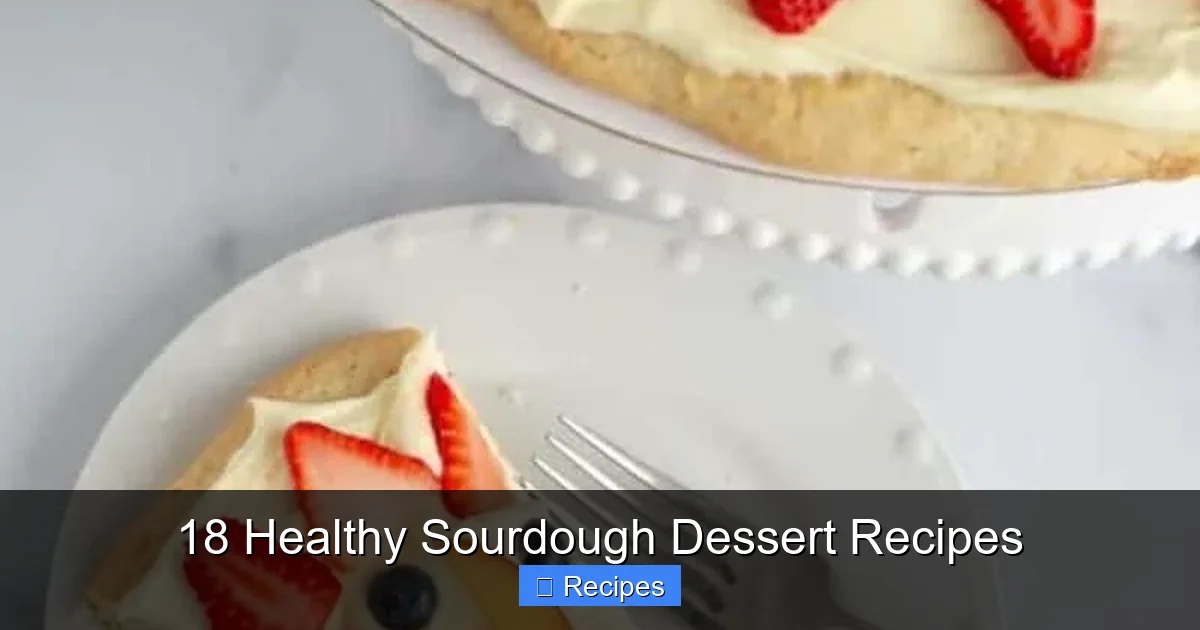
- Mini Sourdough Lemon Tarts: Use a simple whole wheat and butter tart crust. Fill with a luscious lemon curd made with eggs, lemon juice, zest, and a little honey. The sourdough in the crust provides a subtle, complex backdrop to the tart filling.
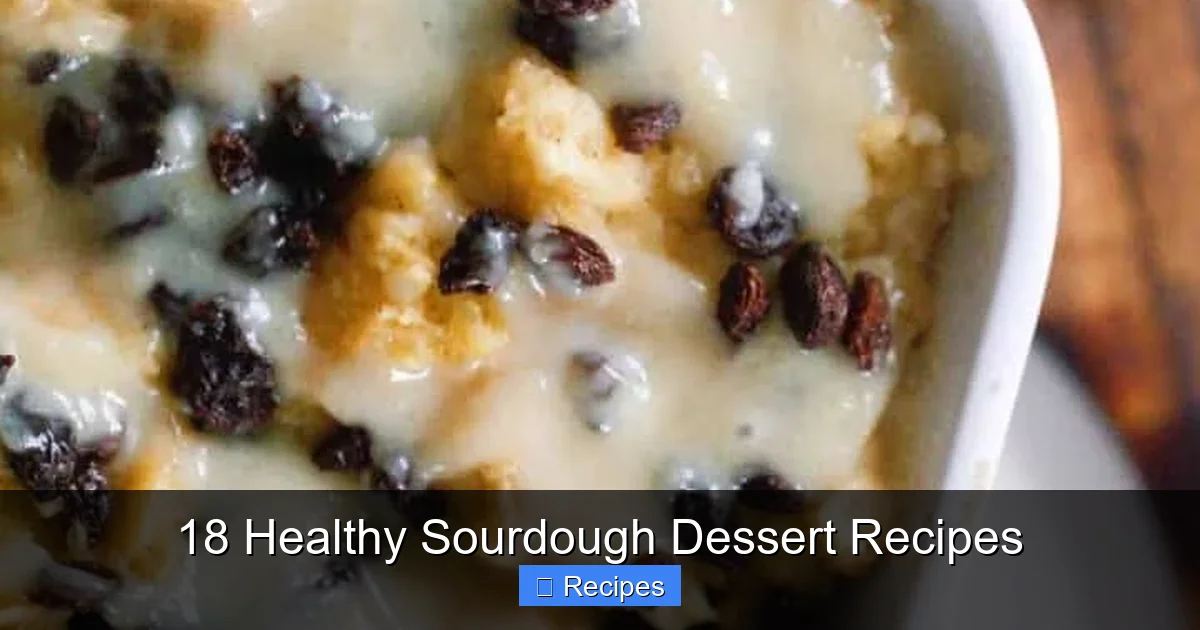
- Rice Pudding with Sourdough Discard: Stir a few tablespoons of discard into your favorite stovetop rice pudding recipe. It adds a delightful tang and helps create a creamier, thicker texture as it cooks.
- Sourdough Discard Fruit Galette: A rustic, free-form pie. Toss seasonal fruit (berries, peaches, apples) with a little sugar and cornstarch. Roll out a sourdough discard-enriched dough (like a pie crust), pile in the fruit, fold the edges, and bake. The crust is flaky and flavorful.
Pro Tips for Perfect Healthy Sourdough Dessert Recipes Every Time
Baking with sourdough is a science, but these tips will help you master it quickly and avoid common pitfalls.
Visual guide about 18 Healthy Sourdough Dessert Recipes
Image source: chickenscratchdiaries.com
Hydration is Everything
Sourdough discard can vary in thickness. If your recipe calls for “thick discard” (like pancake batter) and yours is runny, you may need to adjust the flour slightly. Conversely, if your discard is very thick and stiff, add a teaspoon or two of extra milk or water to the batter. The goal is a consistent, pourable or scoopable batter as the recipe describes.
Don’t Overmix
Once you add the flour to your wet ingredients (which include the discard), mix *just* until no dry streaks remain. Overmixing develops gluten, which can make cakes and muffins tough. A few small lumps are perfectly fine.
Adjusting for Altitude & Humidity
In high humidity, you might need 1-2 tablespoons less liquid. In dry climates, you might need a touch more. Your batter should be thick but not doughy. If it seems too wet after mixing, sprinkle in a tablespoon of flour at a time.
The “Sourdough Flavor” Factor
The longer your discard sits in the fridge before using, the more pronounced the tang will be. For a mild flavor, use discard that’s been in the fridge for 3-5 days. For a strong, robust sour note, use discard that’s 1-2 weeks old. Experiment to find your preference.
Testing for Doneness
Because sourdough desserts are often denser and moister than their conventional counterparts, the toothpick test can be tricky. For cakes and brownies, the toothpick should come out with a few moist crumbs attached, not completely clean. For cookies, look for golden edges and a set center. They will continue to cook on the hot pan.
Storing & Freezing Your Sourdough Sweets
The good news? These healthy sourdough dessert recipes are built to last. The acidity helps inhibit mold growth.
Room Temperature Storage
Most cakes, brownies, and loaves are best stored in an airtight container at room temperature for 3-5 days. They actually taste better on day two as the flavors meld. Keep them away from direct sunlight or heat.
Refrigeration for Longevity
For desserts with fresh fruit or cream cheese frosting, the fridge is necessary. They’ll keep for up to a week. Let them come to room temperature before serving for the best texture and flavor.
Freezing for Future Joy
Almost all of these baked goods freeze beautifully. Cool completely, then wrap individual slices or the whole loaf/pan tightly in plastic wrap, followed by a layer of aluminum foil. Freeze for up to 3 months. Thaw overnight in the fridge or at room temperature. Cookies and bars can often be frozen in a single layer on a baking sheet, then transferred to a freezer bag for easy single-serving access.
Conclusion: Your Journey into Fermented Sweets Starts Now
We’ve explored the why and how, and you now have 18 fantastic healthy sourdough dessert recipes in your arsenal. The beauty of this approach is its flexibility and the depth it adds to your baking repertoire. You’re not just making a dessert; you’re engaging in an ancient practice of fermentation that elevates nutrition and flavor simultaneously. Don’t be afraid to experiment—swap the berries in the crisp for apples, use almond butter instead of tahini, or try a different whole grain flour. The sourdough foundation is forgiving and rewarding.
Start with the simple discard chocolate chip cookies or the one-bowl banana cake. Feel the satisfaction of using up that discard, and taste the difference that fermentation makes. Your sweet tooth—and your gut—will thank you. Happy baking!
Frequently Asked Questions
Is baking with sourdough discard actually healthier than regular baking?
Yes, in several ways. The fermentation process breaks down phytic acid, which can improve mineral absorption. It often allows for the use of whole grain flours and less refined sugar. The resulting baked goods are typically more moist, which can mean less added fat is needed. However, they are still desserts and should be enjoyed in moderation as part of a balanced diet.
Can I use my sourdough starter straight from the fridge for these recipes?
For most recipes calling for sourdough discard, yes, you can use your unfed starter straight from the fridge. This is the point of discard—it’s the portion you’d normally throw away before feeding. If a recipe specifically calls for active sourdough starter (for more lift, like in some cakes), you’ll need to feed your starter 4-12 hours ahead so it’s bubbly and at its peak.
My sourdough discard is very thick or very runny. How do I adjust?
Consistency varies. If your discard is very thick (like cookie dough), add a teaspoon of milk or water at a time until it’s more pourable. If it’s very runny (like pancake batter), you may need to add 1-2 tablespoons of flour to the recipe, starting with one. The goal is to achieve the batter/dough consistency the recipe intends.
Do these sourdough desserts taste sour?
They have a mild, pleasant tang that balances sweetness, but they are not “sour” like a sour candy. The fermentation adds a sophisticated, complex flavor depth. The level of tang depends on the age of your discard—older discard from the fridge will have a stronger sour note than fresh, active discard. Most recipes are designed for a subtle flavor.
Can I make these recipes gluten-free?
Many can be adapted! Use a high-quality, measure-for-measure gluten-free flour blend that contains xanthan gum. Start by substituting 1:1 for the whole wheat or all-purpose flour. You may need to add 1-2 tablespoons more liquid, as gluten-free flours absorb more. Recipes relying heavily on wheat flour structure (like some cakes) might be trickier, but cookies and brownies often adapt very well.
How long do sourdough desserts last, and do they really stay fresher longer?
Due to the acidity from the fermentation, sourdough baked goods generally stay moist and fresh at room temperature for 4-7 days in an airtight container, often longer than conventional versions. They are less prone to staling. For best quality, consume within a week. They also freeze exceptionally well for up to 3 months.