This comprehensive guide delivers 17+ variations of the classic Kani Salad, centered on the beloved combination of crab and mayo. You’ll master the essential base recipe, discover creative twists, and learn expert tips for perfect texture and flavor every time. It’s the definitive resource for this crowd-pleasing, no-cook dish.
Key Takeaways
- Freshness is non-negotiable: The quality of your crab meat (real or imitation) and vegetables dictates the salad’s final taste and texture.
- The mayo base is customizable: From classic Japanese Kewpie to light Greek yogurt or spicy sriracha mayo, the dressing defines the salad’s character.
- Texture contrast is key: Combining creamy, crunchy (cucumber, bell pepper), and soft (crab, avocado) elements creates a superior mouthfeel.
- It’s a versatile template: This recipe is a foundation. Easily add proteins like shrimp or tofu, swap veggies, or adjust seasoning for endless meals.
- Make-ahead magic with a caveat: Prep components separately and combine just before serving to prevent a watery, soggy salad.
- Presentation elevates the dish: Serving in a clear bowl or on a bed of lettuce with strategic garnishes makes it restaurant-worthy at home.
- Dietary adaptable: With simple swaps (vegan mayo, sugar-free alternatives), this salad can fit keto, low-carb, and dairy-free lifestyles.
📑 Table of Contents
- Introduction: The Irresistible Allure of Kani Salad
- The History and Essence of a Modern Classic
- The Essential Foundation: Building Your Perfect Base Recipe
- Step-by-Step: Mastering the Classic Kani Salad Recipe with Crab and Mayo
- Beyond the Basics: 16 Creative Kani Salad Variations
- Pro Tips for Presentation, Storage, and Serving
- Health and Nutrition: Making It Your Own
- Conclusion: Your Kani Salad Journey Starts Now
Introduction: The Irresistible Allure of Kani Salad
There’s a reason Kani Salad is a permanent fixture on sushi restaurant menus and a staple at potlucks. It’s that perfect, no-fuss dish: cool, creamy, slightly sweet, and bursting with satisfying crunch. At its heart, it’s a celebration of simple, fresh ingredients coming together in harmony. This guide isn’t just *one* recipe; it’s your masterclass in the “Kani Salad Recipe with Crab and Mayo” universe. We’re diving deep into the classic version and exploring 16 creative variations to ensure you never make it the same way twice. Whether you’re a beginner or a seasoned home cook, you’ll find the tips and techniques here to create a showstopping salad every single time.
The beauty of this dish lies in its flexibility and speed. With no cooking required (unless you blanch your veggies), you can have a stunning, delicious salad on the table in under 15 minutes. It’s the ideal make-ahead appetizer, a light lunch, or a compelling side for grilled proteins. But to achieve that perfect balance—where the mayo coats without drowning, the crab remains sweet and flaky, and the veggies stay crisp—you need to understand the fundamentals. Let’s break it all down.
The History and Essence of a Modern Classic
From Japanese “Kani” to Global Fusion
“Kani” (蟹) simply means “crab” in Japanese. The salad as we know it today is a product of Westernized Japanese cuisine, often called “Jfusion.” It likely evolved from simpler sunomono (vinegared salads) and the use of Kewpie mayonnaise, which was invented in Japan in 1925 and has a distinct, richer, and slightly tangier profile than standard Western mayo. The addition of sweet, imitation crab sticks (kanikama) made it affordable and accessible, while real lump crab meat elevates it to luxury status. This “Kani Salad Recipe with Crab and Mayo” template is a fantastic example of how a core concept can be adapted endlessly based on regional tastes and ingredient availability.
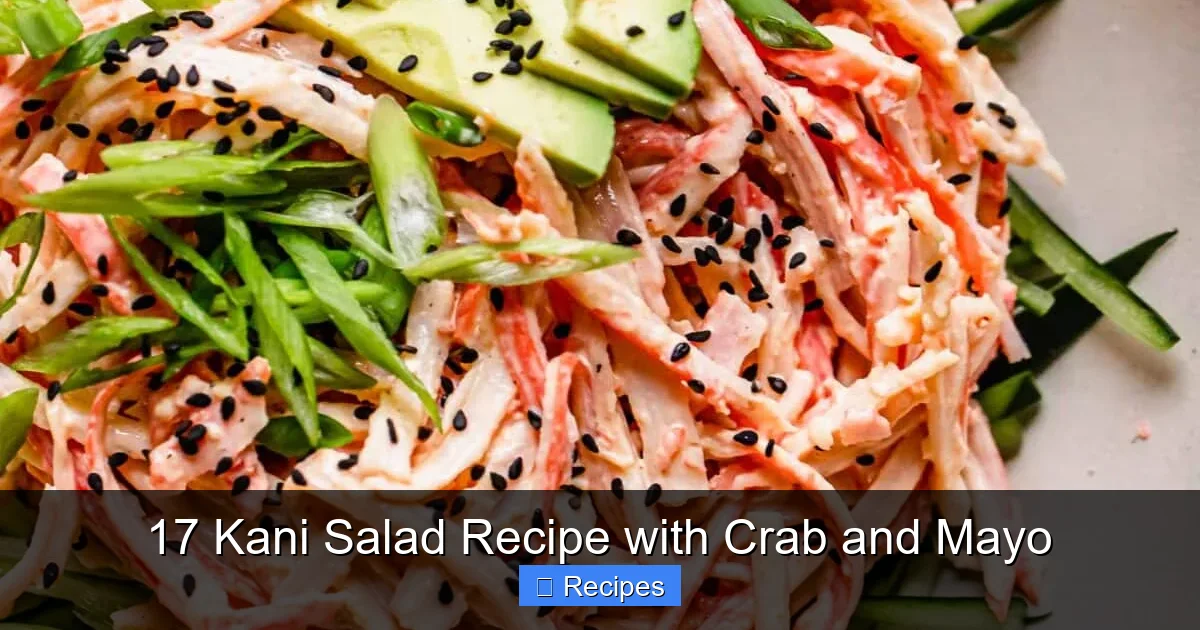
Visual guide about 17 Kani Salad Recipe with Crab and Mayo
Image source: platingsandpairings.com
The Essential Foundation: Building Your Perfect Base Recipe
Before we explore variations, we must perfect the classic. This base recipe is your canvas. Here’s the breakdown of components and why each matters.

Visual guide about 17 Kani Salad Recipe with Crab and Mayo
Image source: i.pinimg.com
The Star: Crab Meat Selection & Prep
You have two primary paths here, each with its own merits.
- Imitation Crab (Kanikama): The traditional, budget-friendly choice. It’s made from surimi (processed white fish) shaped into sticks. Look for brands with a clean, sweet flavor and a texture that shreds easily. Thaw if frozen, then pat very dry with paper towels. This is crucial to prevent a watery salad.
- Real Crab Meat: For a luxurious touch, use fresh, canned, or pasteurized lump or backfin crab meat. It’s more delicate and sweeter. Handle it gently, and check carefully for any shell fragments. Because it’s more expensive, you might mix it 50/50 with imitation crab for a hybrid that boosts flavor without breaking the bank.
Pro Tip: Regardless of your choice, give the crab a final chill in the fridge for 15 minutes before mixing. A cold, firm crab mixes better and stays intact.
The Creamy Binder: Mayonnaise Matters
This is the soul of the dish. Don’t use just any mayo.
- Kewpie Mayo: The gold standard. Made with rice vinegar and egg yolks only, it’s unctuous, rich, and has a subtle umami tang that is irreplaceable in authentic versions.
- Standard Mayo: A fine substitute. To mimic Kewpie, whisk in 1/2 teaspoon of rice vinegar and a tiny pinch of MSG (or a dash of Worcestershire sauce) per 1/2 cup of mayo.
- Light/Healthier Options: Use light mayo or blend 1/2 mayo with 1/2 plain Greek yogurt. You’ll lose some richness but gain protein and cut calories. For a vegan version, use a good-quality vegan mayo.
The Crunch & Freshness: Vegetable Triad
A classic Kani Salad relies on a core trio of crisp, watery vegetables. Their job is to provide texture and dilute the richness of the mayo.
- Cucumber: Always seed and slice. Use a mandoline for uniform, thin slices. Salt the slices lightly and let them sit for 10 minutes, then squeeze out the excess water. This step is non-negotiable for a non-soggy salad.
- Bell Pepper (usually red or yellow): Julienned or diced small. Adds sweetness and vibrant color.
- Onion: Typically a sweet onion (like Vidalia) or red onion, finely diced. For a milder bite, soak the diced onion in cold water for 5 minutes, then drain and pat dry.
The Binding & Flavor Agent: The Egg
Hard-boiled eggs, chopped or sliced, are standard. They add creaminess, protein, and help bind the salad. For a smoother texture, press the chopped egg through a sieve to create a finer crumble that integrates seamlessly. Don’t skip this if you want a traditional, hearty texture.
Step-by-Step: Mastering the Classic Kani Salad Recipe with Crab and Mayo
Now, let’s assemble. This method ensures every ingredient is prepped for maximum success.

Visual guide about 17 Kani Salad Recipe with Crab and Mayo
Image source: i.pinimg.com
- Prep Vegetables: Seed and thinly slice cucumber. Salt, wait 10 min, then squeeze vigorously. Dice bell pepper and onion (soaked if using a pungent onion). Pat all vegetables completely dry.
- Prepare Crab: Shred or chop your chosen crab meat. Pat it dry with towels if it feels moist.
- Hard-Boil Eggs: Place eggs in a pot, cover with cold water, bring to a boil, cover, remove from heat, and let sit 12 minutes. Transfer to an ice bath. Peel and chop finely or sieve.
- Make the Dressing: In a large bowl, whisk together the mayonnaise, soy sauce, sugar (or mirin), and a few drops of lemon juice or rice vinegar. Taste and adjust—it should be creamy, slightly sweet, and savory.
- Combine Gently: Add the dried cucumber, bell pepper, onion, and crab meat to the bowl with the dressing. Fold gently with a rubber spatula until everything is just coated. You want to see distinct ingredients, not a mushy mixture.
- Finish: Fold in the chopped hard-boiled egg. Taste one more time and adjust seasoning with a pinch of salt or pepper if needed.
- Chill & Serve: For best flavor, cover and refrigerate for at least 30 minutes, but no more than 2 hours before serving. Garnish with toasted sesame seeds, shredded nori (seaweed), or a sprinkle of furikake.
Critical Reminder: The #1 reason for a failed Kani Salad is excess water. Patching your veggies and crab is the single most important step. If your salad seems wet after mixing, you can carefully drain off any pooled liquid in the bowl before garnishing.
Beyond the Basics: 16 Creative Kani Salad Variations
Once you own the base, the world is your oyster (or should we say, your crab). Here are 16 inspired twists, categorized for ease.
Protein Power-Ups & Swaps
- Spicy Tuna Kani: Mix in 1/2 cup of finely diced, cooked sushi-grade tuna tossed with 1 tbsp spicy mayo (mayo + sriracha) and a dash of chili oil.
- Shrimp Scampi Style: Add 1 cup of small, cooked, chilled shrimp tossed with 1 tsp minced garlic, 1 tbsp lemon juice, and 1 tbsp melted butter before folding into the base salad.
- Smoked Salmon & Dill: Replace half the crab with flaked smoked salmon and fold in 1 tbsp of fresh chopped dill. Use a lighter lemon-dill mayo (mayo + lemon zest + dill).
- California Roll Salad: Add 1/2 cup of small diced avocado and 1/4 cup of imitation crab or real crab. The dressing can include a teaspoon of toasted sesame oil for a nuttier note.
- Tofu “Kani” for Vegans: Use firm tofu, pressed, crumbled, and pan-fried until golden. Toss with a pinch of kelp powder (kombu) and nori flakes to mimic seafood flavor. Use vegan mayo and skip the egg.
Vegetable & Fruit Infusions
- Mango Madness: Add 1 cup of diced ripe mango for a tropical, sweet counterpoint. Reduce the sugar in the dressing slightly.
- Edamame & Corn: Add 1 cup of shelled edamame (thawed) and 1/2 cup of charred corn kernels (from a can or grilled). Adds sweetness, color, and plant-based protein.
- Asian Slaw Hybrid: Replace cucumber with a bag of pre-shredded Asian slaw mix (cabbage, carrots, daikon). The dressing can be a bit tangier with extra rice vinegar and a teaspoon of grated ginger.
- Pickled Vegetable Kick: Replace raw onion with 1/4 cup of finely chopped quick-pickled radish or cucumber. Adds a vibrant, vinegary punch that cuts through the mayo.
- Watercress & Citrus: Fold in 2 cups of fresh, peppery watercress and add the zest of one orange to the dressing. Garnish with orange segments.
Dressing & Flavor Profile Variations
- Spicy Miso Mayo: Whisk 1 tbsp of white miso paste into the base mayo. Add 1 tsp of gochujang (Korean chili paste) or sambal oelek for heat.
- Citrus & Ginger: Replace soy sauce with 1 tbsp yuzu or lemon juice. Add 1 tbsp of finely grated ginger and 1 tsp of toasted sesame oil to the mayo.
- Wasabi Cream: Add 1-2 tsp of prepared wasabi (to taste) to the mayo. Garnish with extra black sesame seeds. A fiery, nasal kick.
- Creamy Sesame: Whisk 2 tbsp of tahini (sesame paste) into the mayo. Thin with a splash of water if too thick. Garnish with crushed toasted sesame seeds.
- “Unagi” Style: For a eel sauce-inspired flavor, add 1 tbsp of unagi (eel) sauce or a mix of 2 tbsp soy sauce, 1 tbsp sugar, and 1 tbsp mirin, simmered briefly to thicken, to the mayo base.
Pro Tips for Presentation, Storage, and Serving
Make-Ahead Strategies That Actually Work
To avoid sogginess, prep in stages. 1) Prep and dry all vegetables. Store in airtight containers with a paper towel to absorb moisture. 2) Prepare the dressing separately. 3) Chop the crab and egg. On the day of serving, combine everything in a large bowl 30-60 minutes before eating. If you must make it fully ahead, the absolute max is 2 hours in the fridge, and even then, expect some softening. For a buffet, consider serving the salad in a hollowed-out cabbage or lettuce head (like a lettuce cup) to contain juices.
Showstopping Presentation Ideas
Elevate your bowl:
- Use a clear glass bowl to show off the colorful layers.
- Create a “nest” of shredded romaine or butter lettuce and mound the salad in the center.
- Garnish strategically: a sprinkle of black and white sesame seeds, a few shreds of nori, a tiny pile of tobiko (flying fish roe) on one side, a fan of avocado slices.
- For individual servings, use a ring mold to create perfect cylinders on the plate, then garnish around them.
Remember, we eat with our eyes first. A little extra effort here makes it feel like a restaurant dish.
Storage and Food Safety
Due to the mayo and seafood, this salad is best consumed the day it’s made. Store leftovers in an airtight container in the refrigerator for no more than 24 hours. Discard if left at room temperature for over 2 hours. Always use fresh, high-quality crab from a reputable source. If using real crab, ensure it’s from a trusted fishmonger. For commercial use or large gatherings, please consult our Terms and Conditions regarding food handling liability and best practices.
Health and Nutrition: Making It Your Own
A standard Kani Salad is relatively high in fat and sodium due to the mayo and soy sauce. But it’s also a source of lean protein (crab) and vegetables. To lighten it up:
- Use light mayo or a 50/50 mayo-yogurt blend.
- Reduce or omit the added sugar; the sweetness from bell pepper and corn can suffice.
- Load up on extra crunchy, low-cal veggies like jicama, celery, or radish.
- For a low-carb/keto version, skip the corn and mango, load up on avocado and bell peppers, and use a sugar-free mayo.
A standard serving (about 1 cup) can range from 250-400 calories depending on your ingredients. The variations with added fruits or fried tofu will be higher.
Conclusion: Your Kani Salad Journey Starts Now
You are now equipped with the knowledge to conquer any “Kani Salad Recipe with Crab and Mayo” challenge. You understand the importance of dry ingredients, the power of a good Kewpie mayo, and the endless possibilities for customization. Start with the classic base recipe, nail the technique, and then have fun experimenting. Try the Spicy Miso version for a ramen-night side, the Mango Madness for a summer barbecue, or the Vegan Tofu “Kani” for a plant-based potluck. This salad is more than a recipe; it’s a template for creativity, a guaranteed crowd-pleaser, and a testament to the magic of simple, fresh ingredients combined with care. Now, go chop, mix, and enjoy!
Frequently Asked Questions
Can I use real crab meat instead of imitation crab?
Absolutely! Real lump crab meat is a delicious upgrade. The key is to handle it gently, pick through it for shells, and pat it very dry. You may want to use a mix of real and imitation to balance cost and flavor.
My Kani Salad is always watery. What am I doing wrong?
>This is the most common issue! You are likely skipping the step of salting and squeezing the cucumber (and other watery veggies). Always salt sliced cucumber, let it sit for 10 minutes, then squeeze out the liquid in a clean towel. Also, ensure your crab and other ingredients are patted completely dry before mixing.
Can I make Kani Salad ahead of time for a party?
For best results, prep all components (chopped veggies, dried crab, dressing, hard-boiled eggs) separately and store in the fridge. Assemble the salad no more than 1-2 hours before serving. Fully mixing it ahead will cause the vegetables to release water and make the salad soggy.
Is there a keto-friendly or low-carb version?
Yes! Use a sugar-free or low-carb mayonnaise. Skip high-carb add-ins like corn, mango, or sweet onion. Load up on low-carb veggies like bell peppers, cucumber, avocado, jicama, and shredded cabbage. The base recipe with these swaps fits well into a keto diet.
What can I substitute for Kewpie mayonnaise?
If you can’t find Kewpie, use high-quality regular mayo and whisk in 1/2 tsp of rice vinegar and a tiny pinch of MSG (or a dash of Worcestershire sauce) per 1/2 cup. This mimics Kewpie’s tangy, umami-rich profile.
Can I use this as a sushi filling?
Yes, but with a modification. The classic salad is too moist and chunky for inside rolls. For a “Kani Roll,” you’d typically use a drier version: use less mayo, ensure all ingredients are very dry, and possibly add a bit of cooked sushi rice to bind it. Alternatively, serve it as a deconstructed topping on a bowl (poke style) or as a side with your sushi.