Transform your weeknight dinner with this magical 17-minute creamy lasagna soup! This ingenious one-pot wonder captures every beloved layer of classic lasagna—savory meat, vibrant herbs, rich tomato broth, and that irreplaceable creamy, cheesy finish—without the tedious assembly and long bake time. It’s the ultimate comfort food hack: deeply flavorful, surprisingly simple, and endlessly customizable for any palate or pantry. Dive into a bowl of pure, cozy satisfaction that feels like a gourmet hug.
Have you ever stared at a pan of simmering lasagna, dreaming of its cheesy, saucy, layered glory, only to be defeated by the sheer amount of time and dirty dishes it demands? You’re not alone. Lasagna is the ultimate comfort food, but it’s also a commitment. What if I told you there’s a way to wrap every single comforting note of that classic dish into a single, soul-warming bowl of soup—and it takes less time than watching a sitcom? Enter the creamy lasagna soup. This isn’t just a soup that *tastes* a little like lasagna; it’s a deliberate deconstruction and reconstruction of the dish’s iconic flavor profile, happening right in your Dutch oven or soup pot. It’s the kitchen hack you never knew you needed, and once you try it, it will permanently earn a spot in your weekly rotation. Let’s dive into the pot and uncover why this 17-minute miracle is about to become your new best friend.
Key Takeaways
- Speed & Simplicity: This recipe delivers the complex, layered taste of traditional lasagna in under 20 minutes of active cooking time, using just one pot for minimal cleanup.
- Flavor Fusion: The magic lies in building umami-rich layers: browning meat, sautéing aromatics, simmering tomatoes with herbs, and finishing with a creamy, cheesy blend that mimics lasagna’s ricotta filling.
- Limitless Customization: Easily adapt to dietary needs—use ground turkey or lentils for a lighter or vegetarian version, swap dairy for plant-based alternatives, and load up on veggies.
- Texture Triumph: Broken lasagna noodles cook directly in the broth, absorbing flavor and providing the perfect “pasta” bite, while the final stir-in of cream and cheese creates a luxuriously thick, coating sauce.
- Meal Prep Champion: This soup tastes even better the next day as flavors meld. It freezes beautifully, making it a perfect make-ahead powerhouse for busy schedules.
- Comfort Food Elevated: It’s the ideal solution for cold nights, cozy weekends, or when you need a hearty, satisfying meal that feels special without the special effort.
📑 Table of Contents
- Why This Soup is a Game-Changer for Home Cooks
- The Magic of Creamy Lasagna Soup: Deconstructing the Flavor
- Step-by-Step: Building Your Soup from Scratch
- Customization Station: Make It Your Own
- Serving & Pairing Perfection
- Storage, Reheating & The Flavor-Melding Secret
- A Final Ladleful: Why This Recipe Belongs in Your Repertoire
Why This Soup is a Game-Changer for Home Cooks
Let’s be real: the appeal of lasagna is in its contrasts and layers. You have the meaty, herbaceous tomato sauce, the delicate pasta, the creamy ricotta, and the golden, bubbling cheese on top. Replicating that in soup form seems impossible, but it’s all about understanding the components and translating them into a liquid medium. The genius of this recipe is its efficiency. Instead of layering, we infuse. We build depth in the pot, creating a broth that is unequivocally “lasagna” in spirit. The 17-minute timeframe isn’t an exaggeration for the entire process from start to finish; it’s a realistic estimate for active cooking time once you have your ingredients prepped. This makes it a true weeknight warrior. You can come home, chop a few things, and have a spectacular, restaurant-quality bowl of comfort on the table before the kids even finish their homework. It democratizes a traditionally labor-intensive meal, making that cozy, celebratory feeling accessible any day of the week.
The Psychology of Comfort in a Bowl
Why does “lasagna soup” sound so irresistible? It taps into something called “flavor memory.” The combination of oregano, basil, garlic, tomatoes, and melted cheese is neurologically wired to signal warmth, home, and care. By combining these elements in a soup, we get all the emotional payoff with a fraction of the cognitive load. There’s no waiting for layers to set, no worrying about the pasta being perfectly al dente between sauce layers. It’s all harmonious, all at once, in every spoonful. This soup is forgiving; a slight variation in herb amounts won’t ruin the structure because there is no structure to ruin—it’s a glorious, unified liquid hug. It’s also infinitely adaptable. Don’t have ground beef? Use sausage or lentils. Out of heavy cream? A splash of milk and extra cheese works. This flexibility reduces cooking stress and makes the recipe feel like *yours*, tailored to your taste and what’s in the fridge.
The Magic of Creamy Lasagna Soup: Deconstructing the Flavor
To master this soup, we need to think like a lasagna architect. Every ingredient has a specific job to do, mirroring its role in the baked dish. The aromatics (onion, garlic) are your flavor foundation, sautéed until sweet and fragrant. The meat provides the savory, hearty backbone—browning it well is non-negotiable for that deep, almost caramelized meatiness. The tomatoes (crushed or diced) and tomato paste deliver the bright, acidic, umami-rich sauce base. The herbs and spices (oregano, basil, thyme, red pepper flakes) are the signature seasoning blend that screams “Italian-American comfort.” The broken lasagna noodles are the structural element, cooking directly in the broth to release starch that naturally thickens the soup. Finally, the cream and cheese are the transformative agents. They mellow the tomato’s acidity, create a velvety body, and replicate the luxurious, creamy ricotta and mozzarella filling you crave. Understanding this sequence is the key to building perfect flavor every time.
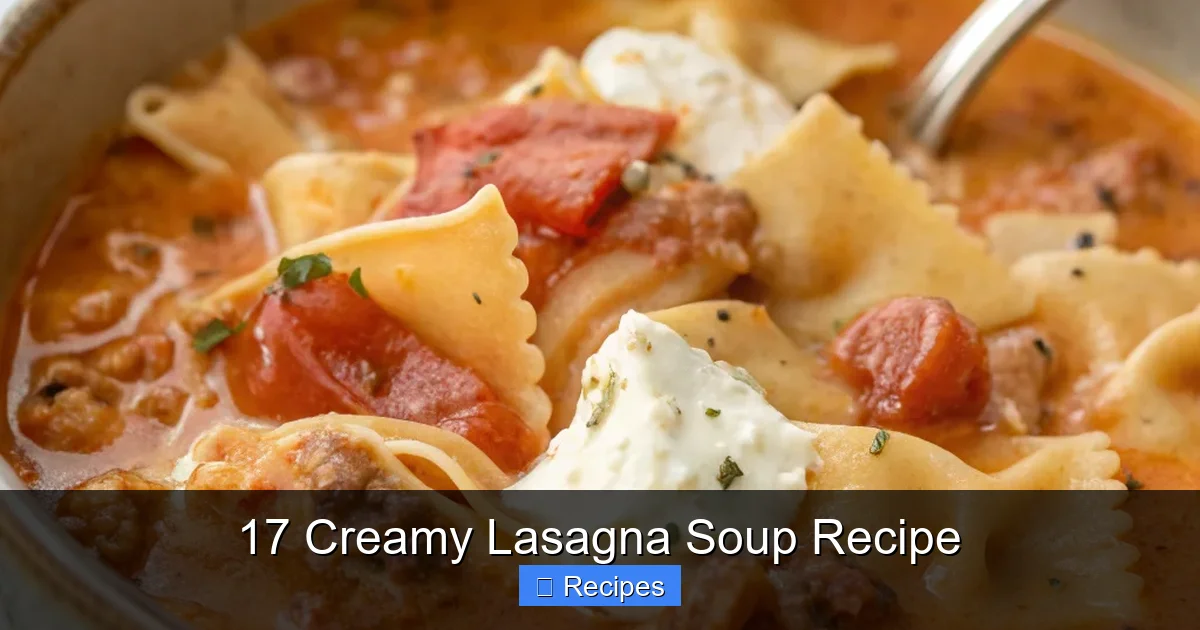
Visual guide about 17 Creamy Lasagna Soup Recipe
Image source: recipesofchicken.com
Ingredient Quality: Your Best Investment
Because this recipe has so few steps, the quality of each ingredient shines through. This isn’t the place for bargain-bin tomatoes. Opt for high-quality canned San Marzano or Roma tomatoes; their natural sweetness and lower acidity provide a superior base. Use real, full-fat dairy if you can—whole milk and heavy cream create a richer mouthfeel, and freshly grated Parmesan or Pecorino Romano melts better and has far more flavor than pre-shredded varieties (which often contain anti-caking agents that can make your soup grainy). For the meat, a blend of beef and pork offers a more complex flavor, but high-quality lean ground beef works perfectly. Fresh herbs, if you have them, are a game-changer. Stir in a handful of chopped fresh basil or parsley at the end for a vibrant, herbaceous lift that dried herbs can’t fully replicate.
Step-by-Step: Building Your Soup from Scratch
Ready to make magic? Here is the detailed, foolproof method. The sequence is crucial for layering flavor.
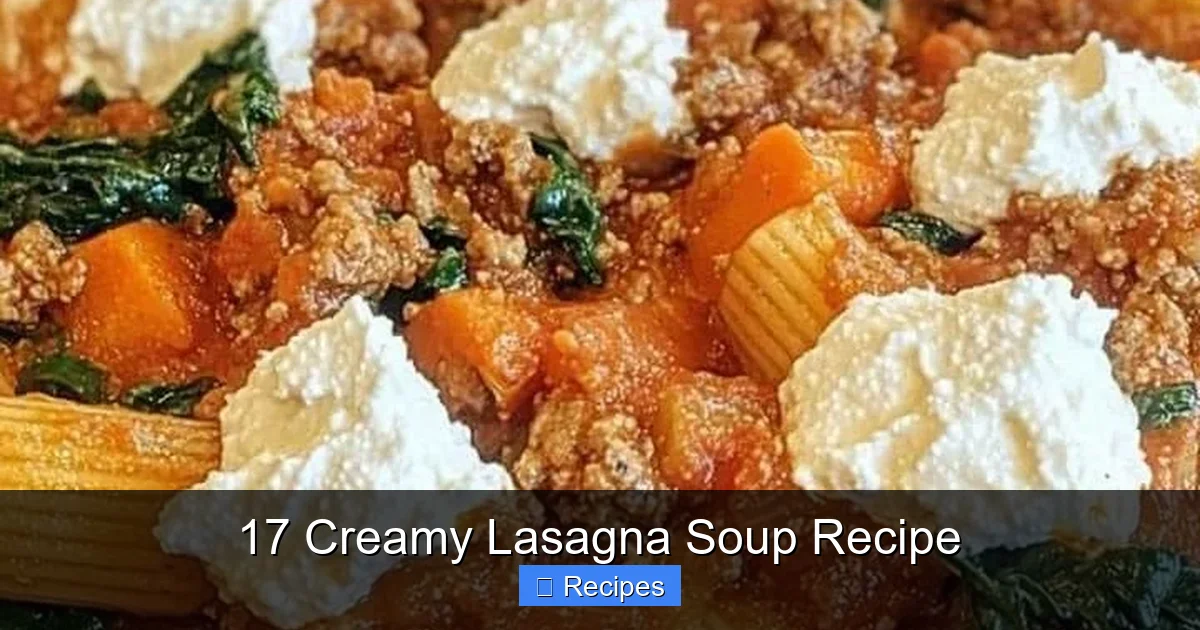
Visual guide about 17 Creamy Lasagna Soup Recipe
Image source: fullrecipy.com
1. The Aromatic Base: Sauté for Sweetness
Heat a large pot or Dutch oven over medium heat. Add a glug of olive oil and a diced onion. Cook, stirring occasionally, for 5-6 minutes until translucent and just starting to caramelize at the edges. Add minced garlic and cook for another 60 seconds until fragrant—do not let it burn, or it will turn bitter. This step builds a sweet, deep foundation for the entire soup.
2. Brown the Meat: Unlock Umami
Crank the heat to medium-high. Add your ground meat (about 1 lb). Break it up with a spoon and let it sit undisturbed for a minute to develop a good sear. Stir and continue cooking until no pink remains and the meat is browned in spots. This browning process, the Maillard reaction, is essential for that rich, savory, almost meaty umami flavor that defines a great lasagna sauce. Drain off any excess fat if your meat is particularly greasy.
3. Build the Sauce: Tomatoes and Herbs
Reduce heat to medium. Stir in 2 tablespoons of tomato paste. Cook for 2 minutes, stirring constantly, to “cook out” the raw taste and deepen the color. This is a critical flavor step many skip. Then, pour in a can (28 oz) of crushed tomatoes. Add a cup of chicken or vegetable broth, a teaspoon of dried oregano, a teaspoon of dried basil, ½ teaspoon of thyme, and a pinch of red pepper flakes (optional). Stir well, scraping the bottom of the pot to release any browned bits. Bring to a simmer.
4. The Pasta Phase: Noodles in the Broth
Once simmering, break 8-10 lasagna noodles (about 6 oz) into 1-2 inch pieces and drop them directly into the pot. Stir to separate. The noodles will cook in the simmering broth, absorbing flavor and releasing starch that helps thicken the soup. Cook according to the pasta package directions for “al dente,” usually 8-12 minutes. Stir occasionally to prevent sticking.
5. The Creamy Finish: The Lasagna Transformation
This is the moment of truth. Reduce heat to low. Stir in ½ cup of heavy cream (or half-and-half). Then, gradually add 1½ cups of shredded cheese—a blend of mozzarella for melt and Parmesan for flavor is ideal. Stir constantly until the cheese is fully melted and the soup is creamy and glossy. Do not let the soup boil after adding the dairy, or it may curdle. Taste and adjust seasoning generously with salt and black pepper. The soup should be thick enough to coat the back of a spoon. If it’s too thick, add a splash more broth or water. If too thin, let it simmer uncovered for a few more minutes.
Customization Station: Make It Your Own
The true beauty of this recipe is its modular nature. Think of the base recipe as a canvas. Here’s how to paint your masterpiece.

Visual guide about 17 Creamy Lasagna Soup Recipe
Image source: cookandairies.com
Meat & Protein Variations
- Italian Sausage: Swap beef for sweet or hot Italian sausage (remove from casing first). It brings a fantastic fennel and paprika flavor.
- Turkey or Chicken: Use lean ground turkey or chicken for a lighter version. Boost umami with a splash of Worcestershire sauce when browning.
- Vegetarian “Meat”: Brown 1 cup of finely chopped mushrooms with the onions for a meaty texture. Or, use a plant-based ground “meat” product.
- Lentil Power: For a hearty vegan protein, use 1 cup of cooked brown or green lentils added with the tomatoes.
Veggie Boosters
Sneak in extra nutrition with minimal effort. Add 1 cup of finely diced carrots with the onions for sweetness. Stir in a handful of baby spinach or chopped kale during the last 2 minutes of cooking—it wilts instantly. Roasted red peppers from a jar, chopped, add a sweet, smoky note. Even a grated zucchini stirred in with the noodles adds moisture and veggie power without changing the flavor profile.
Dairy & Cream Alternatives
- For a Lighter Soup: Use whole milk instead of cream and reduce the cheese slightly. The soup will be less rich but still flavorful.
- Vegan Version: Use olive oil instead of butter/cream. Omit cheese or use a good melting vegan cheese. For creaminess, stir in ½ cup of raw cashew cream (blend soaked cashews with water) or full-fat coconut milk. Nutritional yeast adds a cheesy, umami note.
- No Cream? No Problem: Omit the cream entirely and increase the cheese to 2 cups. The starch from the noodles and the melted cheese will still create a wonderfully thick, cohesive sauce. You can also blend 1 cup of the finished soup (mostly broth and veggies) and stir it back in for natural creaminess.
Serving & Pairing Perfection
How you serve this soup can elevate it from great to unforgettable. Think of it as a complete meal in a bowl, but a few strategic additions can make it spectacular.
The Essential Toppings Bar
Set out small bowls of toppings and let everyone customize. This is part of the fun! Must-haves include:
- Freshly grated Parmesan or Pecorino Romano – for a final salty, punchy kick.
- Fresh basil or parsley, chopped – for a bright, herbal pop.
- A drizzle of high-quality olive oil – for fruitiness and richness.
- Crumbled crispy bacon or pancetta – for smoky, salty crunch.
- Toasted garlic bread croutons – the ultimate textural contrast.
Other fun options: a dollop of ricotta, a spoonful of pesto, roasted pine nuts, or even a fried egg on top for extra protein and richness.
Perfect Pairings
You don’t need much on the side, but a simple green salad with a bright vinaigrette (like lemon-Dijon) cuts through the richness beautifully. A hunk of crusty bread—think focaccia, ciabatta, or a good baguette—is non-negotiable for dipping. For a heartier meal, serve it alongside a simple arugula salad with shaved Parmesan. If you’re feeling fancy, a glass of medium-bodied red wine like Chianti or a crisp white like Pinot Grigio complements the tomato and herb notes perfectly.
Storage, Reheating & The Flavor-Melding Secret
One of the best-kept secrets of this soup is that it often tastes better the next day. The flavors have more time to marry and meld in the refrigerator. Here’s how to handle leftovers like a pro.
Storing for Success
Let the soup cool completely before transferring it to airtight containers. It will keep in the refrigerator for 4-5 days. The noodles will continue to absorb broth as it sits, so the soup may thicken considerably. When reheating, you’ll likely need to add a splash of broth, water, or a little more cream to bring it back to the desired consistency. Gently reheat on the stovetop over medium-low heat, stirring frequently, until steaming. Avoid a rolling boil after the dairy has been added.
Freezing for Future Comfort
This soup freezes well, but with a caveat: the texture of the pasta can become softer and more fragile upon thawing and reheating. For best results, you can:
- Freeze the base without noodles: Make the soup up to the point before adding the lasagna noodles. Cool and freeze the meat and tomato broth mixture. When ready to serve, thaw, simmer, and then add fresh noodles to cook.
- Freeze the whole soup: Freeze in individual portions. Upon reheating, expect softer noodles, but the flavor will still be delicious. Stir in a bit of fresh cream or cheese at the end to refresh the texture.
Label your containers with the date. Frozen soup is best consumed within 2-3 months.
The Leftover Makeover
Don’t just reheat and repeat. Repurpose your leftover creamy lasagna soup! Thin it with extra broth and use it as a sauce for a baked ziti or penne pasta bake. Pour it over cooked polenta for a rustic bowl. Even use it as a hearty, flavorful braising liquid for chicken thighs or meatballs. The rich, tomato-cream base is incredibly versatile.
A Final Ladleful: Why This Recipe Belongs in Your Repertoire
In a world of complicated weeknight dinners and takeout fatigue, the creamy lasagna soup is a beacon of hope. It’s proof that you don’t need hours to create something that tastes like it took all day. It’s the embodiment of kitchen wisdom: understanding core flavors allows you to deconstruct and reassemble them in new, exciting ways. This recipe teaches you how to build a soup from the ground up, how to balance acidity with creaminess, and how to make a little go a long way. It’s flexible, forgiving, and adaptable to any dietary need or pantry shortfall. Most importantly, it delivers that profound, nostalgic comfort we all crave, transforming an ordinary evening into a moment of pure, delicious contentment. So, grab your biggest pot, break those noodles, and get simmering. A bowl of incredible, homemade, lasagna-inspired bliss is less than 20 minutes away.
Frequently Asked Questions
Can I use no-boil lasagna noodles for this soup?
Yes, you can! No-boil (or oven-ready) lasagna noodles will work perfectly. Break them into pieces and add them to the simmering broth. They may release a bit more starch, which can actually help thicken the soup nicely. Just ensure they are fully submerged and cook for the time recommended on the package, usually 8-10 minutes in liquid.
How can I make this soup vegetarian without using a meat substitute?
For a deeply savory vegetarian version, double down on umami. Sauté 1 cup of finely chopped cremini or portobello mushrooms with the onions until deeply browned. Add 1-2 teaspoons of soy sauce or a vegan “fish” sauce with the tomatoes. You can also add 1 cup of cooked brown or green lentils for protein and texture. Use vegetable broth as your liquid base.
My soup is too thin after adding the cream and cheese. How do I thicken it?
First, ensure you simmered the soup for a few minutes after adding the noodles to allow the starch to release. If it’s still thin, make a slurry: mix 1 tablespoon of cornstarch with 1 tablespoon of cold water. While stirring the simmering soup, slowly drizzle in the slurry. Let it cook for 1-2 minutes until glossy and thickened. Alternatively, let the soup simmer uncovered to reduce and concentrate the flavors.
Can I make this soup ahead of time for a party or meal prep?
Absolutely, and it’s a great make-ahead dish. Prepare the soup completely, but wait to add the cream and cheese until you are ready to serve. Store the cooled meat and tomato broth (without noodles) in the fridge for up to 4 days. When ready to serve, reheat the broth, add fresh noodles to cook, and then stir in the cream and cheese just before serving. This prevents the noodles from becoming mushy and the dairy from potentially separating.
Is it okay to use pre-shredded mozzarella cheese?
You can, but for the best melt and texture, block mozzarella that you shred yourself is superior. Pre-shredded cheese is coated in anti-caking agents (like cellulose) that prevent it from melting as smoothly and can sometimes leave a slightly gritty texture in your creamy soup. It’s worth the extra minute to shred your own.
My dairy-free soup is grainy or curdled. What went wrong?
This is a common issue with non-dairy milks and cheeses. Key tip: Always use full-fat, barista-style, or canned coconut milk for the best stability. Never let a non-dairy milk-based soup boil vigorously after adding the milk—keep it at a gentle simmer or even low heat. When adding vegan cheese, remove the pot from the heat entirely, stir in the cheese, and let it melt gently from the residual heat, stirring until smooth. Some vegan cheeses melt better than others; look for brands specifically designed for melting.