Unlock the secrets of authentic Vietnamese Pho with our comprehensive guide to 15 stunning home recipes. We journey from the foundational, aromatic broth—the soul of any great pho—through essential herbs, proteins, and regional styles from Hanoi to Saigon. You’ll learn precise techniques for a clear, flavorful broth, master the art of assembling the perfect bowl, and discover creative variations including chicken, vegetarian, and modern fusion takes. Whether you’re a beginner or a seasoned cook, this guide makes the iconic taste of Vietnam achievable in your own kitchen.
Key Takeaways
- The Broth is Everything: A clear, deeply flavorful broth made from bones, charred aromatics, and spices is the non-negotiable foundation of all authentic Vietnamese Pho soup recipes at home.
- Fresh Herbs are Non-Negotiable: The signature freshness comes from Thai basil, cilantro, mint, and楔 (culantro). Their vibrant aroma is as crucial as the broth itself.
- Rice Noodles (Bánh Phở) Require Proper Prep: They must be soaked and briefly boiled or blanched to achieve the perfect tender-yet-chewy texture, never mushy.
- Assembly is an Art: The order matters: noodles first, then hot broth, then cooked protein, and finally a mountain of fresh garnishes and condiments.
- Regional Styles Define Flavor: Northern (Hanoi) pho is simpler and delicate; Southern (Saigon) pho is sweeter and bolder with more herbs and condiments.
- Customization is Key: Serve with plates of fresh bean sprouts, lime wedges, chili slices, and hoisin-sriracha mix so everyone can tailor their bowl.
- Patience Rewards Flavor: A true broth simmers for at least 6 hours, sometimes up to 12. Rushing this step compromises the entire dish.
📑 Table of Contents
- The Soul of the Bowl: Understanding Vietnamese Pho
- Chapter 1: The Foundational Broth – Your Pho’s Soul
- Chapter 2: Essential Components – Noodles, Herbs & Condiments
- Chapter 3: Core Proteins – From Classic Beef to Creative Twists
- Chapter 4: Assembly & Serving – The Final 60 Seconds
- Chapter 5: 15 Recipe Variations – Building Your Pho Repertoire
- Conclusion: Your Journey to Pho Mastery
The Soul of the Bowl: Understanding Vietnamese Pho
Let’s be clear: when we talk about Vietnamese Pho soup recipes at home, we’re not just talking about a noodle dish. We’re talking about a cultural ritual, a national treasure, and a bowl of profound, healing comfort. The steam rising from a perfect bowl carries the scent of star anise, charred ginger, and simmering beef bones—a perfume that tells a story of tradition, resourcefulness, and balance. At its heart, pho is deceptively simple: broth, rice noodles, herbs, and meat. Yet, within this framework lies a universe of nuance. The magic is in the broth, a translucent, complex liquid that is the result of hours of careful skimming, gentle simmering, and the marriage of spices. It is the canvas upon which all other elements play. Mastering this broth transforms your kitchen from a cooking space into a pho sanctuary. This guide will demystify that process, breaking it down into manageable steps so you can build confidence and create bowls that would make any Vietnamese grandmother nod in approval.
Pho’s Two Great Traditions: Hanoi vs. Saigon
Before you start, know your pho geography. The two most iconic styles are Phở Bắc (Northern) and Phở Nam (Southern). Northern pho, originating from Hanoi, is the classic. It’s elegant, subtle, and brooding. The broth is clearer, the flavor profile leaner, focusing on the purity of beef and the gentle warmth of spices like cinnamon and star anise. Garnishes are minimal: just a few slices of chili, a wedge of lime, and perhaps some scallions. It’s about the broth’s integrity. Southern pho, from Saigon, is sweeter, bolder, and more exuberant. The broth often has a hint of sweetness from rock sugar and sometimes even a touch of charred onion and ginger for a deeper color. The bowl is a garden of abundant herbs—mint, basil, cilantro, and the pungent, cilantro-like wedge (ngò gai). It’s served with a wider array of condiments, including hoisin sauce and sriracha, encouraging mix-and-match. Your first few attempts should pick a lane; once you master one, you can appreciate and recreate the differences.
Chapter 1: The Foundational Broth – Your Pho’s Soul
This is the most critical, non-negotiable step in any Vietnamese Pho soup recipe at home. A cloudy, weak, or poorly spiced broth will sink your entire bowl. The goal is a crystal-clear, rich, and aromatic liquid that coats the palate with umami. We’ll build this from the ground up.
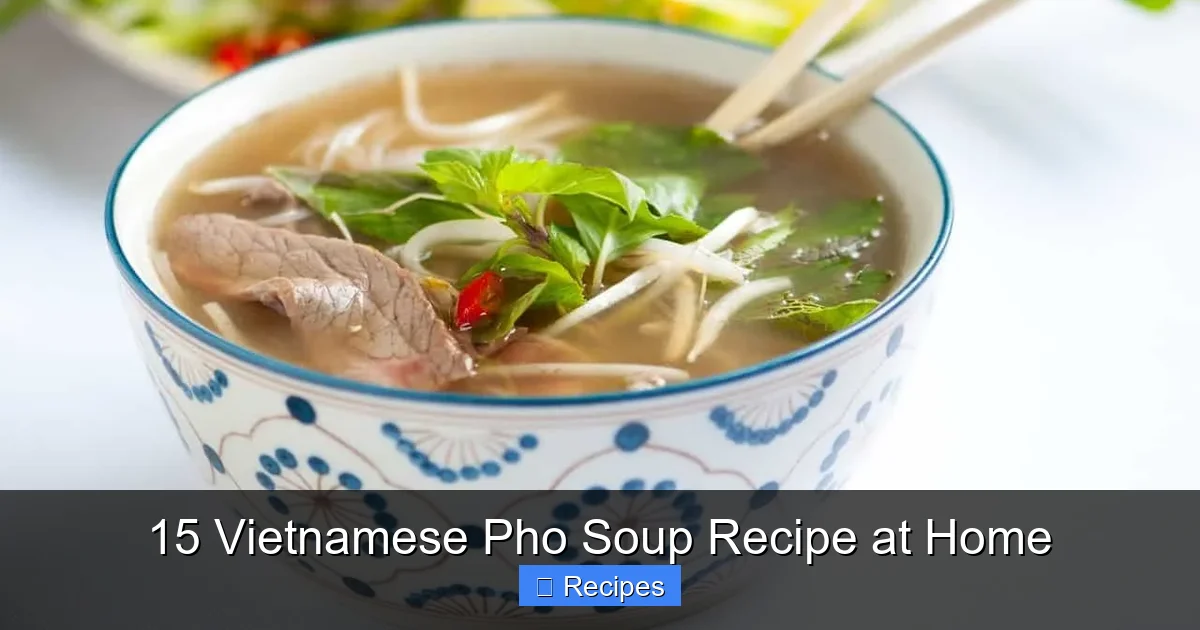
Visual guide about 15 Vietnamese Pho Soup Recipe at Home
Image source: inspiredtaste.net
Choosing Your Bones: The Flavor Foundation
For beef pho (Phở Bò), you need bones with marrow and connective tissue. The classic combination is marrow bones (for richness) and knuckle or oxtail bones (for gelatin and body). Ask your butcher for “soup bones” or “beef bones for pho.” They should be sawed into 2-3 inch pieces. For chicken pho (Phở Gà), use a whole chicken or a mix of chicken backs and wings for the best skin-to-bone ratio, which yields a richer broth than just breast meat. Always start with cold water; this helps extract impurities slowly, which you will skim away.
The Charring Ritual: Unlocking Aromatic Depth
This step is what separates good pho from great pho. You must char the ginger and onion (and sometimes a small piece of daikon). Using a kitchen torch, a broiler, or a grill pan, blacken the skin of the onion halves and the ginger slab until deeply charred and fragrant. This isn’t about cooking them through; it’s about caramelizing the sugars and adding a subtle, smoky complexity that balances the sweetness of the spices. Do not skip this. Once charred, rinse quickly under water to remove loose black bits, then add them directly to your stockpot.
The Spice Bundle (Hương Vị): Your Flavor Blueprint
Traditional spices are toasted briefly in a dry pan to wake up their oils, then bundled in a cheesecloth sachet (or a commercially available spice ball). The classic blend includes:
- Star Anise (2-3 whole): The dominant, licorice-like note.
- Cinnamon Stick (1 small): For warm, sweet depth.
- Black Cardamom (2-3 pods): Smoky and potent, use sparingly.
- Fennel Seeds (1 tsp): A subtle, sweet licorice note.
- Cloves (3-4): A pungent, warming spike.
- Coriander Seeds (1 tbsp): Citrusy and earthy.
Feel free to adjust to your taste. Some add a slice of lemongrass (white part only) or a small piece of rock sugar (about 1-2 tbsp) to balance. The sachet goes into the pot with the bones and aromatics.
The Simmer: Patience and Skimming
Bring your pot of bones, charred aromatics, spice sachet, and cold water to a bare simmer—just a few bubbles breaking the surface. Never a rolling boil, which emulsifies fat and turns the broth cloudy. As it heats, a scum will rise. Skim it off meticulously with a fine-mesh skimmer or a spoon. This first skim is the most important. After the initial 30 minutes of skimming, you can partially cover the pot and let it simmer gently for at least 6 hours for beef, 3-4 for chicken. Add water as needed to keep bones covered. The end result should be a reduced, concentrated broth. Strain it through a cheesecloth-lined sieve into a clean container. Discard the bones and spice bag. You now have your priceless, clear pho broth. Chill it overnight; a solid layer of fat will rise. Remove this fat cap for a leaner broth, or leave some for richness. This broth can be made days ahead and frozen.
Chapter 2: Essential Components – Noodles, Herbs & Condiments
With your broth ready, it’s time to assemble the supporting cast. Each element in a Vietnamese Pho soup recipe at home has a specific job: texture, freshness, acidity, or heat.
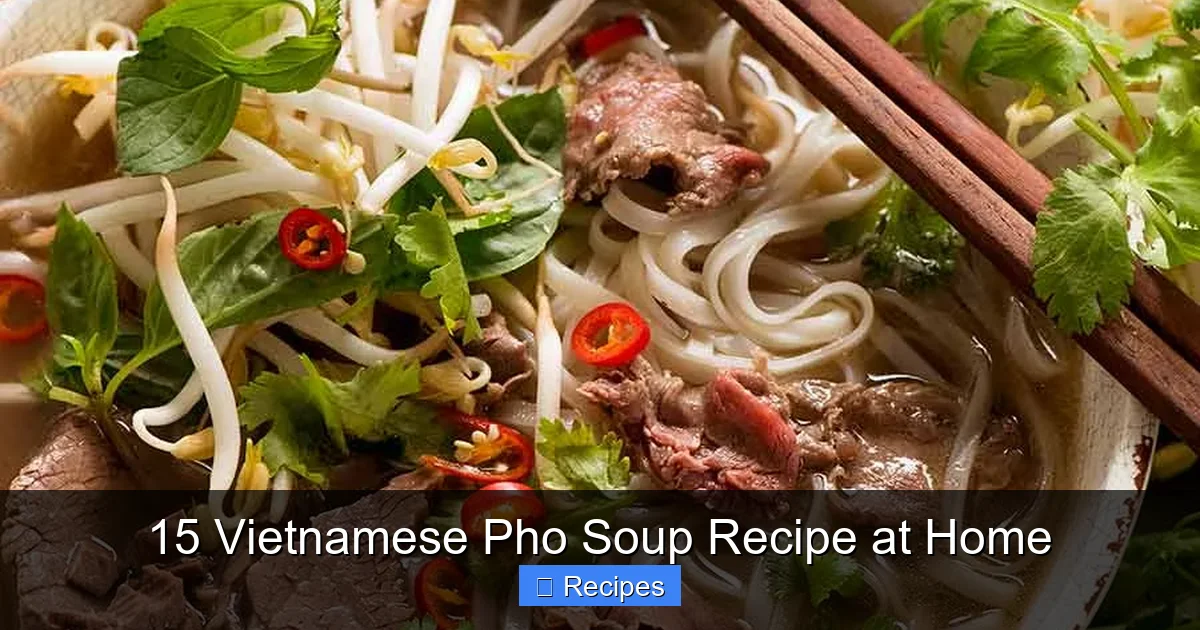
Visual guide about 15 Vietnamese Pho Soup Recipe at Home
Image source: recipetineats.com
Bánh Phở: The Perfect Rice Noodle
These are flat, fresh rice noodles, about 1/4 inch wide. They are sold in refrigerated sections of Asian markets, often in 8-10 oz packages, separated by sheets of plastic. Do not use dried rice sticks (like for pad thai). To prepare: separate the noodles by gently pulling them apart under warm running water. Soak them in very hot (not boiling) water for 15-20 minutes until pliable but still firm. Just before serving, blanch them in boiling water for 10-15 seconds—literally just until they lose their stiffness. Drain immediately and rinse with cool water to stop cooking. They should be al dente. Overcooking is the cardinal sin, leading to a gummy, disintegrated mess in your bowl.
The Herb Garden: Freshness Defined
Herbs are not a garnish; they are an integral component. You need a generous handful per bowl.
- Thai Basil (húng quế): Distinct from Italian basil, with anise-like notes. Essential.
- Cilantro (ngò): The standard, familiar leaves and stems.
- Mint (húng): Spearmint is traditional. Adds a cooling, bright note.
- Wedge/Culantro (ngò gai): Look for this! It has long, serrated leaves and a much more pungent, cilantro-forward flavor. It’s a hallmark of Southern-style bowls.
Wash, dry thoroughly (a salad spinner is perfect), and keep them whole until assembly. Tear or leave as sprigs for the eater to add.
Condiments: The Finishing Touches
Serve these on the table in small dishes. They allow diners to customize their experience.
- Hoisin Sauce: For sweetness and umami. A little goes a long way.
- Sriracha or Chili Garlic Sauce: For heat and garlicky depth.
- Lime Wedges: For bright acidity. Squeeze generously.
- Sliced Jalapeños or Thai Bird Chilis: For fresh, sharp heat.
- Bean Sprouts: For crunch. Often served on the side in the South.
- Extra Fatty Slices of Beef (for Phở Tái): Sometimes raw slices are served on the side for diners to cook in the hot broth at the table.
The classic “fusion” condiment is a mix of hoisin and sriracha on the side.
Chapter 3: Core Proteins – From Classic Beef to Creative Twists
This is where the 15 variations truly begin. The protein you choose defines the type of pho. Here are the essential methods for the most beloved versions, forming the base for your exploration.
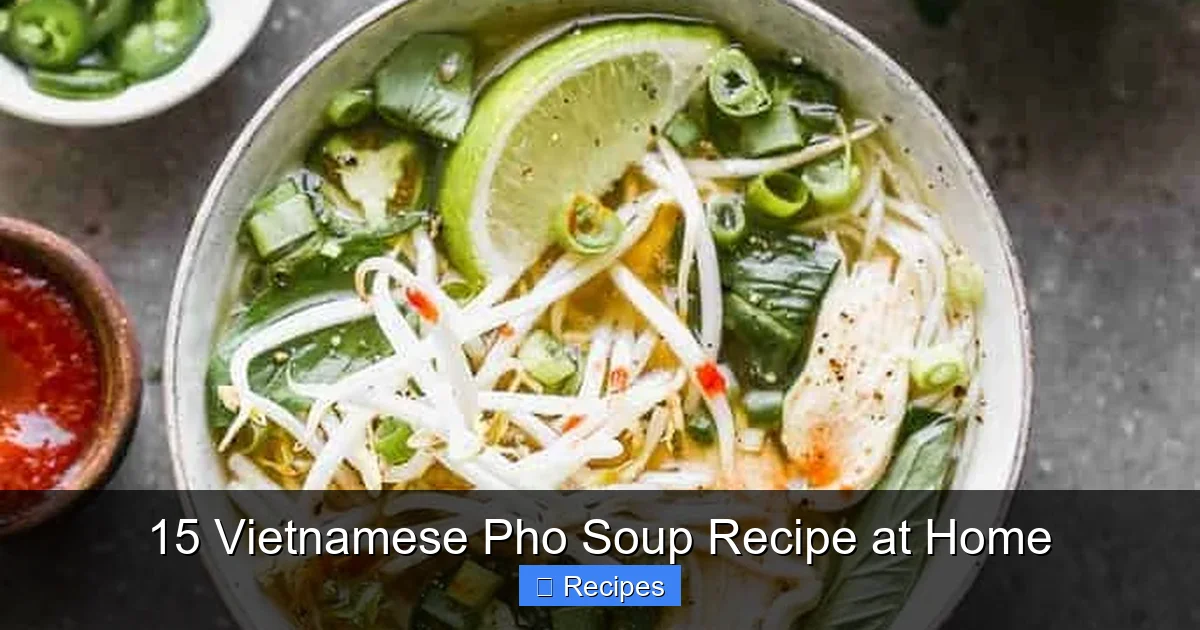
Visual guide about 15 Vietnamese Pho Soup Recipe at Home
Image source: tastesbetterfromscratch.com
Phở Tái (Rare Flank Steak)
The quintessential. Use beef flank steak or sirloin, partially frozen for easy slicing. Slice very thinly against the grain, about 1/16th inch thick. These slices go into the bowl raw, on top of the noodles. When the scorching-hot broth is ladled over, it cooks the meat instantly, leaving it tender and pink. It’s a beautiful, quick-cook technique.
Phở Bò Viên (Beef Meatballs)
These are not Italian meatballs. They are firm, dense, and springy, made from finely ground beef (often with some tendon for chew) mixed with spices like fish sauce, pepper, and sometimes a bit of baking soda for texture. You can find pre-made frozen bò viên at Asian markets, or make your own by grinding beef chuck with a few pinches of five-spice and shaping into small balls. Simmer them in the broth for 5-7 minutes until cooked through.
Phở Gà (Chicken)
For this, poach a whole chicken (or parts) directly in your simmering broth for 20-25 minutes until cooked through. Remove the chicken, let it cool, then shred or slice the meat. Strain the broth to remove the bones and any solids. The broth will be lighter and more delicate than beef pho. You can also use a combination: a chicken carcass for the broth base, and then poach chicken breasts or thighs separately for the bowl.
Phở Chay (Vegetarian)
A true vegetarian pho requires a deeply savory, “meaty” broth. Start with a base of charred onion, ginger, and mushroom stems (shiitake are best). Simmer with kombu (dried kelp) for umami, a handful of dried shiitake mushrooms, and a small piece of daikon. Toast the same spice blend. For protein, use fried tofu puffs (absorbs broth beautifully), seitan, or tempeh. You can also add blanched vegetables like broccoli, carrots, and bok choy. The key is to build layer upon layer of savory, earthy flavor without meat.
Phở Đặc Biệt (The “Special” Combination)
This is the ultimate carnivore’s bowl, featuring a combination of proteins. A classic combo includes: tái (rare steak), chín (well-done brisket/flank), nạm (flank cut with tendon), bò viên (meatballs), and sometimes gân (beef tendon) or sách (beef tripe). The variety of textures—from the melt-in-your-mouth rare steak to the chewy tendon and firm tripe—is what makes this bowl legendary.
Chapter 4: Assembly & Serving – The Final 60 Seconds
All your preparation comes down to this moment. Assembly must be swift and hot to ensure the noodles are warm and the raw meat cooks.
The Order of Operations
- Warm Your Bowl: Place your serving bowl under very hot running water or fill with boiling water for a minute, then empty and dry. A cold bowl will cool your broth instantly.
- Noodles: Place a pre-portioned, blanched nest of bánh phở in the center of the bowl.
- Raw/Cold Proteins: Artfully arrange your raw, thinly sliced beef (for tái), pre-cooked meats (brisket, meatballs, chicken), and/or tofu on top of the noodles. For a combination bowl, create little piles of each.
- Scalding Broth: Ladle your simmering, just-off-the-boil broth over the contents. The broth must be nearly boiling to cook the raw meat and heat everything through. Fill the bowl 3/4 full.
- Garnish Generously: Immediately pile on the fresh herbs—basil, cilantro, mint, wedge. Add a handful of bean sprouts if using. This is not a sprinkle; it’s a heap.
- Serve Immediately: Bring the bowl to the table with the condiment plates. The diner then adds lime, chili, and their preferred mix of hoisin and sriracha to taste.
Pro Tips for Perfection
- Broth Temperature is Critical: If your broth isn’t hot enough, the raw beef won’t cook properly and will look grey and unappetizing.
- Don’t Overfill: Leave room for the herbs and condiments without them drowning.
- Herb Handling: Tear larger basil leaves to release their oils. Add the more delicate herbs (mint, cilantro) at the very last second.
- For Extra Richness: A tiny drizzle of high-quality rendered beef tallow or a pat of compound butter (with a touch of five-spice) into the finished bowl adds a luxurious mouthfeel.
Chapter 5: 15 Recipe Variations – Building Your Pho Repertoire
Now, let’s explore the specific combinations. Think of the foundational broth (Chicken or Beef) as your canvas. The variations below mix and match proteins, cooking methods, and regional influences. Each entry is a complete Vietnamese Pho soup recipe at home variation.
1. Classic Hanoi-Style Phở Bò (Beef)
Use the pure beef broth (Chapter 1). Proteins: Rare flank steak (tái) and well-done brisket (chín). Garnish: Just a few scallions and a single chili slice. Serve with only lime on the side. The focus is 100% on the pristine broth and quality of the beef.
2. Saigon-Style Phở Tái
Use a slightly sweeter beef broth (add 2 tbsp rock sugar with spices). Proteins: Rare steak only. Garnish: A massive pile of Thai basil, mint, cilantro, and wedge. Serve with hoisin, sriracha, lime, and abundant bean sprouts on the side.
3. Phở Bò Kinh (Hanoi “Special” with Tendon & Tripe)
The ultimate Northern combination. Broth: Classic clear beef. Proteins: Pre-cooked beef tendon (gân) simmered until gelatinous, beef tripe (sách) for crunch, rare steak (tái), and brisket (chín). The textures are the star.
4. Phở Gà (Simple Chicken)
Broth: Simmered with chicken bones and a whole chicken, using the same spice blend. Strain. Proteins: Shredded poached chicken breast and thigh meat. Garnish: Cilantro and scallions. Often served with a side of fried shallots for crunch.
5. Phở Chay Đậu Phụ (Vegetarian with Tofu)
Broth: mushroom-kombu-daikon base (see Chapter 3). Proteins: Pan-fried or deep-fried tofu puffs, and maybe some seitan slices. Add blanched bok choy or broccoli. Garnish: All the herbs. Condiments: Soy sauce or vegetarian “fish” sauce in place of the usual.
6. Phở Cá (Fish)
Broth: A light, clear fish broth made from catfish or snakehead fish bones, with charred ginger and onion. Use a lighter spice hand—maybe just a touch of star anise and lemongrass. Proteins: Pan-seared or poached fish fillets (catfish, tilapia) flaked into the bowl. Garnish: Dill and cilantro (a Northern touch) or the full Southern herb garden.
7. Phở Lẩu (Pho Hot Pot / Fusion)
A modern, interactive take. Bring your beef broth to a simmer in a tabletop hot pot. Have all the classic raw ingredients on a platter: thinly sliced ribeye, brisket, meatballs, shrimp, tofu, vegetables (mushrooms, napa cabbage). Diners cook their chosen ingredients directly in the communal broth and add noodles and herbs to their individual bowls.
8. Phở Bò Hầm (Braised Beef Brisket)
Instead of just simmering the brisket in the broth, braise it separately in a mixture of broth, soy sauce, star anise, and sugar until fork-tender. Slice the braised beef and place in the bowl. Ladle the regular pho broth over it. The meat is intensely flavorful and meltingly soft.
9. Phở Gà Nước Dừa (Chicken with Coconut Broth)
A Southern/Vietnamese-Cambodian fusion. Add 1 cup of coconut water or thin coconut milk to your chicken pho broth during the last hour of simmering. It adds a subtle sweetness and silkiness. Garnish as usual.
10. Phở Tái Chín (Rare & Well-Done Combo)
The most common “combo” you’ll see. Simple and perfect. Use classic beef broth. Proteins: A mix of raw rare steak slices and pre-cooked, thinly sliced well-done flank or brisket. The contrast in textures and doneness is key.
11. Phở Bò Viên (Beef Meatball Focus)
Make the broth with a heavier hand on the fennel and coriander to complement the meatballs. Use only good-quality, homemade or premium frozen bò viên. Add a few slices of rare steak for color and texture if desired. Garnish with extra scallions and white pepper.
12. Phở Chay Nấm (Mushroom Vegetarian)
Double down on mushrooms. Use a broth loaded with dried shiitake, porcini, and fresh oyster mushrooms. Add a splash of dark soy sauce for color and depth. Proteins: Large, meaty king oyster mushroom “scallops” and fried tofu. This version is incredibly savory and satisfying.
13. Phở Trứng (Egg Topping)
A popular street food variation, especially for chicken pho. Soft-boil an egg (6-7 minutes), peel, and halve it. Place the two halves on top of the assembled bowl. The rich, runny yolk mixes into the broth as you eat, adding incredible creaminess.
14. Phở Tái Xào (Stir-Fried Rare Beef)
A quick-cook stir-fry variation. Thinly slice flank steak. Heat a wok with a little oil, sear the beef quickly with garlic and black pepper until just browned on the edges but still rare inside. Place this on the noodles before adding the broth. The beef gets a delicious sear and pepper flavor.
15. Phở Sài Gòn Đặc Biệt (The Ultimate Saigon Special)
The maximalist Southern bowl. Broth: Sweet, dark, and aromatic. Proteins: A little bit of everything: rare steak, well-done brisket, beef meatballs, and a few slices of pre-cooked beef tendon. Garnish: An overwhelming, beautiful mountain of every fresh herb—basil, mint, cilantro, wedge—plus a side plate heaped with bean sprouts, lime, and both hoisin and sriracha. This is pho as a celebration.
Conclusion: Your Journey to Pho Mastery
Making Vietnamese Pho soup at home is more than following a recipe; it’s about embracing a process. The first bowl you make will be good. The tenth will be great. The twentieth will be yours, tuned perfectly to your palate’s memory of that ideal balance of sweet, salty, spicy, and fresh. Start with the foundational beef broth. Master the skimming, the charring, the patient simmer. Get your hands on the true herbs. Then, begin to play. Try the Hanoi purity, then the Saigon exuberance. Experiment with a chicken version, then a vegetarian one. Each pot of broth you make teaches you something—about temperature, about seasoning, about the quiet alchemy of bones and spices turning into gold. The tools are simple: a pot, a strainer, a knife, and patience. The reward is a steaming bowl that connects you, across thousands of miles, to the vibrant street corners of Vietnam. It is a hug in a bowl, a testament to the power of good food made with care. Now, go forth. Simmer some bones. Char some ginger. And make your own pho magic.
Frequently Asked Questions
Can I make pho broth in a pressure cooker or Instant Pot?
Yes, you can significantly reduce cooking time. For beef, pressure cook bones and aromatics for 90 minutes on high with a natural pressure release. The broth will be darker and may require more skimming and dilution to achieve clarity. The traditional simmered depth is hard to replicate fully, but it’s a viable shortcut.
What’s the best substitute for fresh rice noodles (bánh phở)?
There is no perfect substitute. Dried flat rice noodles (for pad thai) are too thin and often too soft. The closest is to find fresh bánh phở in the refrigerated section of an Asian supermarket. If you must use dried, soak them in hot water much longer (30-40 mins) and blanch briefly, but expect a different, less ideal texture.
How do I store and reheat leftover pho?
Store components separately. Keep broth and cooked meats in airtight containers in the fridge for 4 days. Herbs should be stored like flowers in a glass with water, covered loosely with a plastic bag, and used within 2 days. To serve, reheat broth until boiling, blanch fresh noodles, and assemble fresh. Never store a fully assembled bowl—the noodles and herbs will disintegrate and wilt.
My broth is cloudy. How do I fix it?
Cloudiness comes from a rolling boil or insufficient skimming. Once it’s cloudy, you can’t truly fix it, but you can clarify it. Strain the cooled broth through several layers of cheesecloth or a coffee filter. For future batches, start with a cold water rinse of bones, bring to a bare simmer slowly, and skim obsessively for the first 30 minutes.
Is there a quick pho broth if I’m really short on time?
For an emergency 30-minute version, use a high-quality store-bought beef or chicken broth as a base. Simmer it with charred onion/ginger, a few whole spices (star anise, cinnamon), a splash of fish sauce, and a pinch of sugar. It won’t be as profound as a 6-hour broth, but with fresh noodles, herbs, and good protein, it can satisfy a craving.
Can I make pho without fish sauce for a vegetarian or allergy-friendly version?
Yes. For vegetarian pho, use soy sauce, tamari, or a store-bought vegetarian “fish” sauce made from soy and mushrooms. For a non-vegetarian but fish sauce-free beef pho, increase the salt and add a tablespoon of mushroom powder or a small piece of kombu to the broth for umami. The flavor profile will be different but still delicious.