Liver is a nutritional powerhouse, offering more protein and iron per serving than most foods. This collection of 16 recipes transforms this superfood into delicious, approachable meals for any skill level. From classic pâtés to quick sautéed dinners, you’ll learn how to cook liver perfectly every time.
Key Takeaways
- Liver is nature’s multivitamin: It provides high-quality protein, heme iron (the most absorbable type), vitamin A, B vitamins, and copper in a single serving.
- Overcoming the “flavor fear”: Proper cooking (not overdoing it) and using strong marinades or sauces effectively mellow liver’s distinct taste.
- Soaking is your secret weapon: Soaking liver in milk, lemon juice, or water before cooking removes bitterness and ensures a tender texture.
- Variety is key: Explore beef, chicken, pork, and lamb liver—each has a unique texture and flavor profile suitable for different recipes.
- It’s budget-friendly nutrition: Liver is one of the most affordable sources of complete protein and essential minerals.
- Pair for maximum absorption: Serve iron-rich liver with vitamin C-rich foods (like bell peppers, citrus, or tomatoes) to significantly boost iron uptake.
- Frequency matters: Due to its high vitamin A content, enjoy liver 1-2 times per week for optimal benefits without overconsumption.
📑 Table of Contents
Why Your Diet Needs Liver: The Ultimate Protein & Iron Source
Let’s be honest. The word “liver” doesn’t always spark joy. For many, it conjures memories of a strongly flavored, overcooked slice from childhood. But what if we told you that this humble organ meat is arguably one of the most nutrient-dense foods on the planet? It’s time to reframe your thinking. Liver is a culinary goldmine, a natural superfood that delivers an unparalleled punch of high-quality protein and highly bioavailable heme iron in every bite.
Heme iron, the type found in animal sources like liver, is absorbed by your body at a rate of 15-35%, compared to just 2-20% from plant-based non-heme iron. For anyone battling low energy, supporting athletic recovery, or managing iron-deficiency anemia, this is a critical distinction. A single 3-ounce serving of beef liver can provide over 100% of your daily iron needs. It’s not just about iron, though. Liver is a complete protein source, meaning it contains all nine essential amino acids your body can’t make. It’s also bursting with vitamin A (as retinol), B vitamins (especially B12 and folate), copper, and selenium. Essentially, it’s a multivitamin you can eat.
This guide isn’t just a list of recipes; it’s a masterclass in making liver delicious. We’ll start with foundational techniques to conquer any texture or flavor concerns, then dive into 16 diverse, foolproof recipes that will have you and your family asking for seconds.
Mastering the Basics: How to Buy, Store, and Prepare Liver
Before we get cooking, we need a solid foundation. The success of your liver dish hinges on the quality of the ingredient and the prep work. Here’s your non-negotiable starter kit.
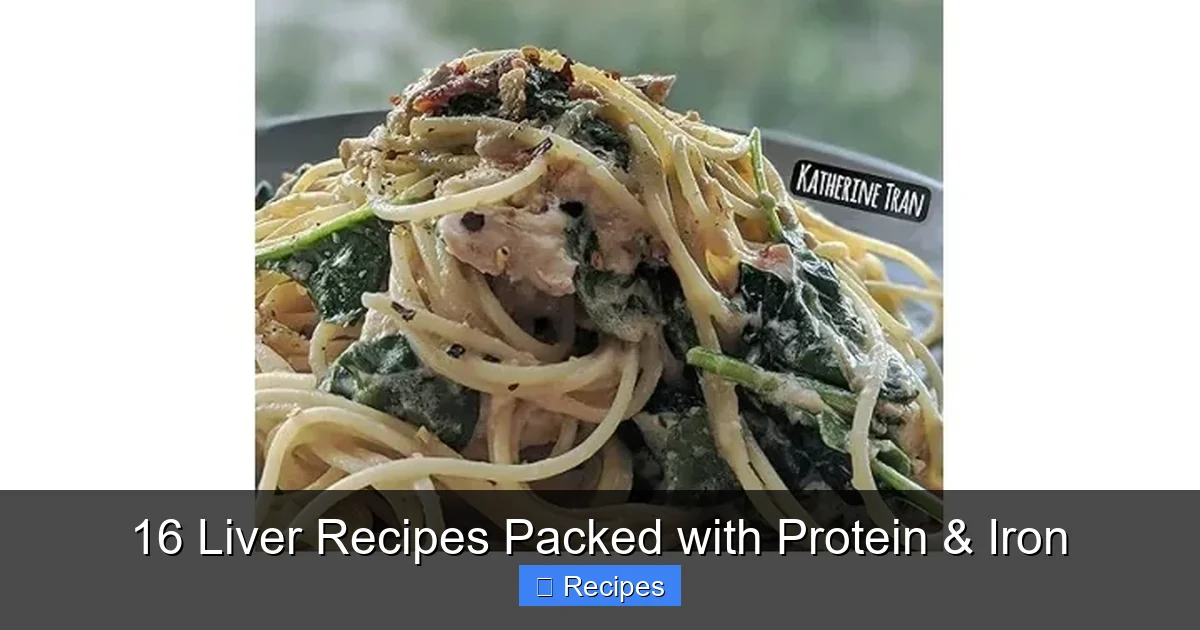
Visual guide about 16 Liver Recipes Packed with Protein & Iron
Image source: cdn7.slideserve.com
Choosing Your Liver: A Shopper’s Guide
Not all liver is created equal. The most common and widely available options are:
- Beef Liver: The classic. Large, robust, and with a pronounced flavor. It’s the king of iron and nutrient content but can be tough if overcooked. Ideal for robust recipes like liver and onions or pâtés.
- Chicken Liver: Smaller, milder, and more tender. It cooks very quickly and has a creamy texture when prepared correctly. Perfect for pâtés, mousses, and quick sautés.
- Pork Liver: A great middle ground—milder than beef but with more substance than chicken. Excellent for stir-fries, chopped liver, and stuffings.
- Lamb Liver: Similar in size to beef but with a richer, slightly gamey taste. A delicacy in many cuisines, best when quickly seared.
Pro Tip: Always look for liver that is deep red or burgundy in color, moist but not slimy, and has a clean, slightly metallic smell (not sour). If possible, buy from a trusted butcher who can tell you the animal’s diet; grass-fed liver often has a superior nutrient profile and flavor.
The Golden Rule: Soaking
This is the single most important step for taming liver’s potential bitterness and ensuring a tender result. Soak the slices or whole lobes in one of these liquids for 30 minutes to 4 hours in the refrigerator:
- Whole Milk: The classic choice. The enzymes and fat help neutralize bitterness.
- Lemon Juice or Vinegar: An acidic soak “cooks” the surface slightly, firming it up and removing metallic notes.
- Plain Water: A simple, effective option that helps rinse out blood and impurities.
After soaking, rinse the liver thoroughly under cold water and pat it completely dry with paper towels. This is crucial for a good sear.
Cooking Temperature is Everything
Liver is a lean muscle that continues to cook from residual heat. Your goal is a pink, juicy interior. Overcooking by even a minute turns it grainy and tough. Use these guidelines:
- For pan-seared slices: Cook over medium-high heat for 1-2 minutes per side for beef/lamb, 1 minute per side for chicken/pork.
- For chopped or ground applications (like in a stir-fry): Cook just until it loses its raw color, about 2-3 minutes total.
- For pâtés: The liver is gently cooked in a pan with aromatics before being blended, so precise timing is less critical but still aim for just-cooked.
Always let it rest for 2-3 minutes after cooking before slicing or serving. This allows juices to redistribute.
Recipe Roundup: 16 Ways to Love Liver
Now, the fun part. We’ve organized these recipes by style and primary liver type, from gentle introductions to full-flavor adventures. Each recipe includes a key tip for success.
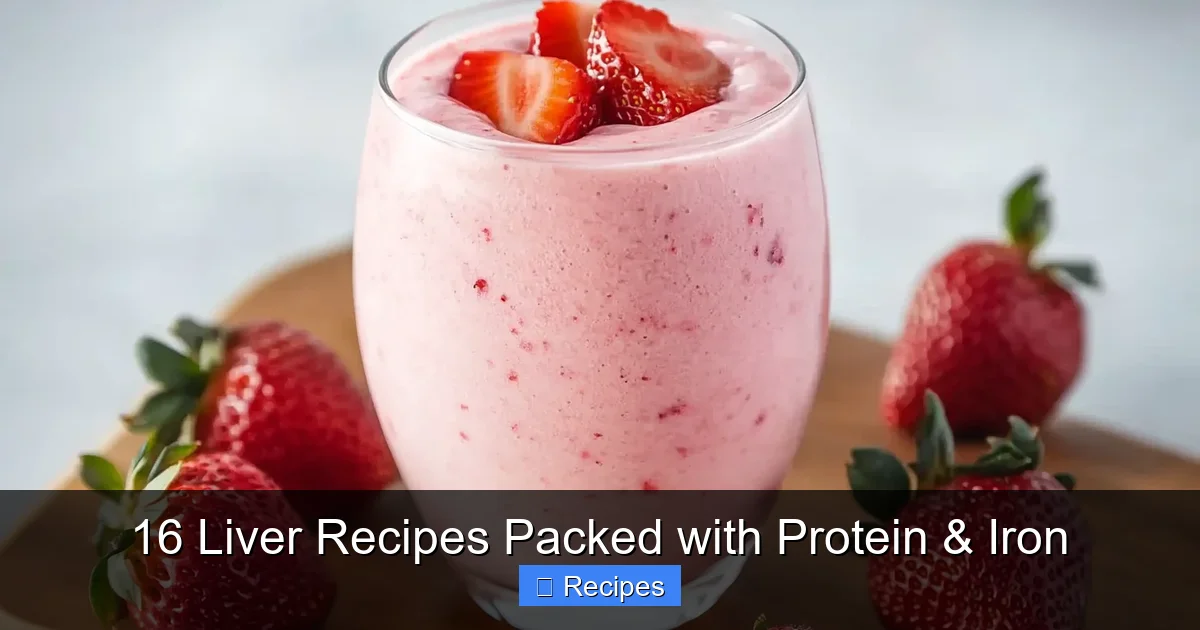
Visual guide about 16 Liver Recipes Packed with Protein & Iron
Image source: recipejoyful.com
Category 1: The Gentle Introduction (Chicken Liver Focus)
These recipes use the mildest liver, often blended into smooth, rich spreads or quickly cooked with sweet or acidic elements to balance flavor.
1. Silky Chicken Liver Pâté with Caramelized Onions
This is the ultimate gateway recipe. The caramelized onions add a deep sweetness that perfectly complements the creamy, earthy liver. Serve with toasted brioche or crisp crackers.
Key Technique: Cook the chicken livers gently in butter until just firm but still pink inside (about 5 minutes total). Let them cool slightly before blending with softened butter, caramelized onions, a splash of brandy, and thyme. The butter emulsion creates an unbelievably smooth texture.
2. Quick Sautéed Chicken Livers with Garlic and Lemon
A 15-minute weeknight hero. The high heat creates a flavorful crust while the lemon juice and garlic create a bright, pan sauce.
Key Technique: After searing the livers, remove them. Deglaze the pan with chicken broth and lemon juice, scraping up browned bits. Whisk in a cold cube of butter at the end for a glossy finish. Return livers to the pan to coat.
3. Chicken Liver & Mushroom Ragù
Chop the livers finely and simmer them in a rich tomato and mushroom sauce. The long, slow cooking breaks them down completely, making the sauce deeply meaty and complex—perfect over polenta or pasta.
Key Technique: Finely chop the livers (almost like ground meat) so they integrate seamlessly into the sauce. Add them in the last 10 minutes of simmering to avoid toughness.
Category 2: Classic Comfort (Beef Liver Focus)
The iconic “Liver and Onions” gets a gourmet upgrade, and we explore other hearty preparations that celebrate beef liver’s robust character.
4. Perfect Pan-Fried Beef Liver with Caramelized Shallots
This is the technique you must master. A hot, oiled pan, a light dusting of flour, and precise timing yield a crisp exterior and a melt-in-your-mouth interior.
Key Technique: Dredge soaked, dried slices in a mix of flour, salt, and pepper. Shake off excess. Get your oil shimmering hot before adding the liver. Don’t overcrowd the pan. Cook 90 seconds to 2 minutes per side. Serve immediately with the sweet, soft shallots.
5. Smoked Paprika Beef Liver Skewers (Anticuchos Style)
Inspired by Peruvian street food, this recipe uses a tangy, smoky marinade to transform beef liver cubes. The high heat of the grill chars the outside while keeping the inside tender.
Key Technique: Cut liver into 1-inch cubes and marinate for at least 4 hours in a mixture of garlic, vinegar, cumin, and smoked paprika. Thread onto skewers (soak wooden ones first!) and grill over high heat for 2-3 minutes per side.
6. Hearty Beef Liver and Vegetable Stew
A warming, one-pot meal. The liver is added in the last 15 minutes of cooking a rich beef and vegetable stew, so it stays tender and doesn’t disintegrate.
Key Technique: Brown stew meat first. Add broth, root vegetables, and herbs, and simmer until tender. Then, add 1-inch pieces of liver and cook for just 10-12 minutes. The stew’s acidity and moisture protect the liver from drying out.
Category 3: Global Flavors (Pork & Lamb Liver)
Travel the world with these recipes that use bold spices, sauces, and techniques to highlight pork and lamb liver’s unique qualities.
7. Moroccan-Spiced Lamb Liver with Preserved Lemon
Lamb liver’s slight gaminess is a perfect match for warm spices like cumin, coriander, and cinnamon. The salty, bright punch of preserved lemon cuts through the richness.
Key Technique: Make a quick spice rub. Sear the lamb liver quickly over high heat to a medium-rare center. Let rest, then slice and serve with a salsa made from chopped preserved lemon, cilantro, and a drizzle of olive oil.
8. Korean-Style Pork Liver Stir-Fry (Kimchi Jjigae Variation)
Incorporate chopped pork liver into a bubbling, spicy kimchi stew. The liver soaks up the fiery, fermented flavors and becomes incredibly succulent.
Key Technique: After sautéing kimchi and aromatics, add your broth and bring to a boil. Add cubed pork liver and simmer for exactly 5 minutes. Overcooking is the enemy here.
9. Italian ‘Fegatini’ – Chicken Livers in White Wine Sauce
A rustic Tuscan classic. Chicken livers are simmered in a sauce of white wine, garlic, and sage, then finished with a touch of tomato paste for depth. Serve over toasted rustic bread.
Key Technique: After searing the livers, pour in a dry white wine to deglaze. Scrape the pan, add a few sage leaves and a tablespoon of tomato paste, and simmer gently for 8-10 minutes until the sauce thickens slightly.
Category 4: Hidden Nutrition (Blended & Baked)
These recipes “hide” or integrate liver into familiar forms like meatloaf, burgers, and meatballs, making them perfect for families and skeptics.
10. Superfood Meatloaf with Pureed Beef Liver
Blend soaked, sautéed beef liver until smooth and mix it into your favorite meatloaf recipe. You’ll get all the nutrients without a distinct liver flavor. The moisture from the puree also keeps the meatloaf juicy.
Key Technique: Puree ½ pound of cooked beef liver with a little beef broth. Substitute up to 25% of the total ground meat weight with this puree. Use standard meatloaf binders (breadcrumbs, egg) as usual.
11. “Everything” Liver Burgers
Grind your own burger blend using a mix of beef and beef liver (a 4:1 ratio is a great start). The liver adds unparalleled juiciness and a beefy, rich flavor. Top with caramelized onions and Swiss cheese.
Key Technique: Keep the meat and liver cold. Grind them together. Form patties gently and do not over-work. Cook to medium-rare for best texture and flavor.
12. Iron-Boosting Meatballs in Marinara
Finely mince or grind pork or beef liver and mix it into your meatball blend. The sauce’s acidity and herbs perfectly mask any liver taste while boosting the iron content of a classic comfort food.
Key Technique: Finely mince the liver (or use pre-ground). Use a 3:5 ratio of regular ground meat to minced liver. Sauté the meatballs first to set their shape, then finish in the simmering sauce.
Category 5: Light & Fresh
These preparations use quick cooking methods, fresh herbs, and acidic components to create vibrant, salad-friendly liver dishes.
13. Seared Beef Liver Salad with Warm Bacon Vinaigrette
Thinly sliced beef liver is quickly seared and served warm over a bed of bitter greens (like arugula or radicchio). The dressing, made from bacon fat, shallots, and red wine vinegar, is the star.
Key Technique: Slice liver ¼-inch thick for quick cooking. After searing, let it rest 5 minutes before slicing against the grain. Toss the greens in the warm vinaigrette just before plating so they wilt slightly.
14. Chicken Liver & Avocado “Sushi” Rolls
A creative, no-cook (for the liver) option. Use a food processor to make a smooth chicken liver pâté, then roll it with avocado and cucumber in nori sheets. It’s a unique, nutrient-packed lunch.
Key Technique: For the pâté, gently cook the livers in butter with shallots, then blend until completely smooth. Chill thoroughly before spreading on nori to make rolling easier.
15. Pickled Pork Liver (Traditional-style)
Inspired by traditional Jewish “chopped liver” but with a tangy twist. Cooked pork liver is finely chopped and mixed with sautéed onions, hard-boiled eggs, and a generous amount of sweet and sour pickles.
Key Technique: The key is texture. Use a mezzaluna or food processor to chop the cooked liver and onions to your desired consistency—some prefer it chunky, others smooth. The pickles provide essential acidity and crunch.
16. Simple Pan-Fried Lamb Liver with Rosemary & Balsamic
Let the quality of the lamb liver shine. A hot pan, fresh rosemary, and a final splash of aged balsamic vinegar create an elegant, restaurant-worthy dish in under 10 minutes.
Key Technique: Pat lamb liver slices completely dry. Season just before cooking. Sear for 60-90 seconds per side for a rare center. Remove, add fresh rosemary and a splash of balsamic to the pan, swirl, and pour over the liver.
Making Liver a Weekly Habit: Storage, Leftovers, and Meal Prep
Incorporating liver regularly is easy with a little planning. Here’s how to handle it from market to meal.
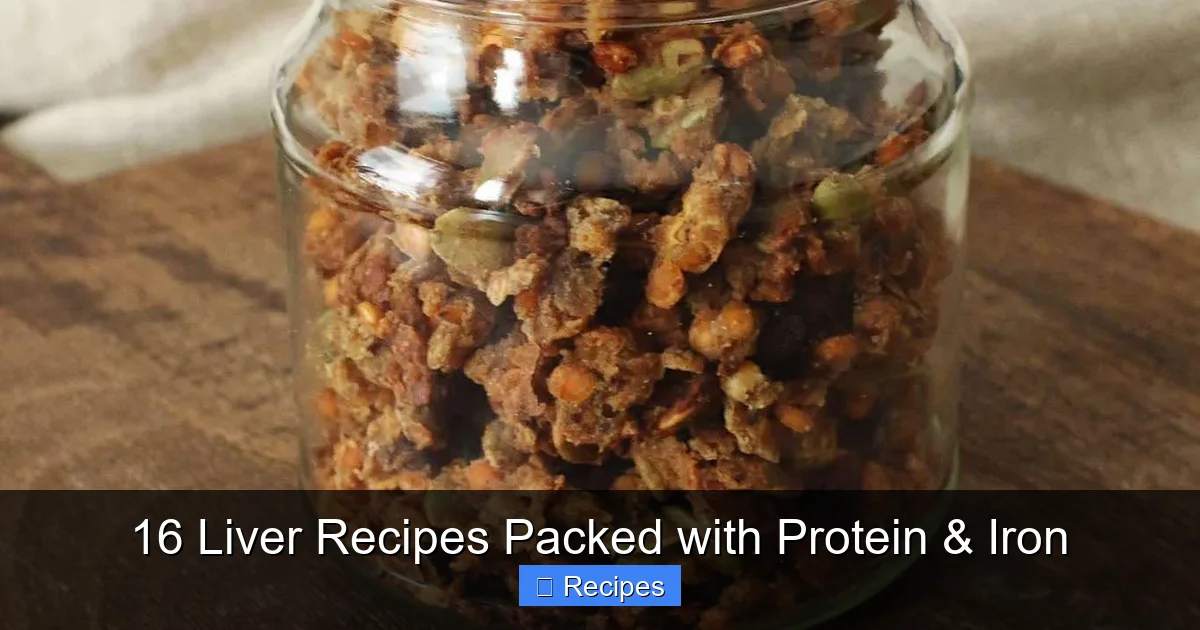
Visual guide about 16 Liver Recipes Packed with Protein & Iron
Image source: nutritionbymichaela.com
Smart Storage for Freshness
Fresh liver is highly perishable. Use it within 1-2 days of purchase. Store it in the coldest part of your refrigerator, ideally on a plate or tray wrapped tightly in plastic wrap. For longer storage, freeze it:
- Freezing Slices: Place parchment paper between slices, wrap tightly in plastic wrap, then foil. Use within 3 months.
- Freezing Puree: Portion cooked, pureed liver into ice cube trays. Once frozen, transfer cubes to a freezer bag. Perfect for adding to sauces, meatballs, or burgers.
Leftover Love
Cooked liver is best eaten immediately, but leftovers can be repurposed:
- Chop and fold into scrambled eggs or an omelet for a protein-packed breakfast.
- Blend leftover pâté into a sandwich spread with cream cheese.
- Add chopped, cooked liver to soups or stews in the last few minutes of reheating.
Avoid reheating liver repeatedly, as it will become increasingly tough. Reheat gently in a sauce or covered in the microwave on low power.
Meal Prep Strategy
Dedicate 30 minutes on a weekend to:
- Soak and portion your liver for the week. Pat dry and store in an airtight container.
- Make a large batch of liver pâté for snacks and appetizers.
- Pre-portion pureed, cooked liver for freezing (as mentioned above).
- Prep marinades or spice rubs for your chosen recipes.
With these components ready, a protein- and iron-rich meal is never more than 15 minutes away.
Conclusion: Embrace the Power of the Plate
Liver’s reputation as a challenging or acquired taste is a myth waiting to be busted. With the right selection, a quick soak, and precise cooking, you unlock a world of deep, savory flavor and unparalleled nutrition. These 16 recipes are your toolkit—from the smoothest pâté to the most robust stew. They prove that eating for your health doesn’t mean sacrificing enjoyment. In fact, it can open the door to some of the most satisfying, traditional, and globally-inspired dishes in your culinary repertoire. So, take a trip to your butcher, grab some liver, and start cooking. Your muscles, your blood, and your taste buds will thank you.
Frequently Asked Questions
Does liver taste “gamey” or bitter?
Yes, it can if not prepared correctly. The bitterness is neutralized by soaking in milk, lemon juice, or water. Cooking it to just pink (not well-done) and pairing it with strong flavors like onions, garlic, herbs, or acidic sauces effectively masks any gaminess, leaving a rich, savory taste.
Can I use frozen liver?
Yes, but it’s not ideal. Freezing can slightly alter the texture, making it a bit more crumbly when cooked. Thaw it slowly in the refrigerator overnight. For the best results, use fresh liver, especially for quick-sear recipes where texture is paramount.
I hate the texture of liver. Are there any recipes where I won’t notice it?
Absolutely. Blending cooked liver into a smooth pâté, pureeing it for meatloaf/burgers, or finely mincing it into a ragù or meatballs are the best strategies. These methods distribute the liver completely, so you get all the nutrition without a distinct “liver texture.”
How often should I eat liver for health benefits?
Due to its extremely high vitamin A content (which can be toxic in excess), moderation is key. For most adults, 1-2 servings (about 3-4 ounces) per week is sufficient to reap the massive protein and iron benefits without risk. Pregnant women should consult a doctor due to vitamin A concerns.
What are the best side dishes to serve with liver?
Pair with foods that complement its richness and boost iron absorption. Excellent choices include caramelized onions, sautéed mushrooms, creamy mashed potatoes or cauliflower, bitter greens (arugula, kale), and anything with vitamin C like a tomato salad, roasted bell peppers, or a squeeze of lemon.
Can I substitute one type of liver for another in a recipe?
Generally yes, but with adjustments. Chicken and pork liver are milder and cook faster (1-2 minutes per side). Beef and lamb liver are stronger and slightly tougher, needing 2-3 minutes per side. Adjust cooking time accordingly. For blended recipes (pâté, meatloaf), they are mostly interchangeable based on your flavor preference.