Facing chemotherapy means navigating unique eating challenges like nausea, taste alterations, and extreme fatigue. This guide provides 16 specifically crafted, gentle meal recipes that prioritize easy digestion, maximum nutrition, and adaptable flavors. Each idea is designed to be soothing, simple to prepare, and packed with the protein and calories needed to maintain strength during treatment. Remember, the best meal is the one you can keep down—these recipes offer a flexible starting point to nourish your body when it needs it most.
Key Takeaways
- Prioritize Protein & Calories: During chemo, the body needs extra protein and energy to repair tissue and maintain strength, even if appetite is low. Small, frequent, nutrient-dense meals are key.
- Texture is Everything: Mouth sores, dry mouth, and difficulty swallowing are common. Opt for soft, smooth, moist, or pureed foods that require minimal chewing and are easy to swallow.
- Flavor is Personal & Variable: Taste can change dramatically—foods may taste metallic, bitter, or overly sweet. Offer mild base flavors and let the patient add their own toppings (lemon, herbs, sauces) to find what works.
- Combat Nausea with Gentle Ingredients: Ginger, mint, plain carbohydrates (toast, crackers), and cool or room-temperature foods are often better tolerated than hot, greasy, or strongly aromatic dishes.
- Hydration is Non-Negotiable: Sipping fluids throughout the day is crucial. Include broths, smoothies, gelatins, and ice chips if plain water is unappealing. Electrolyte drinks can help if vomiting occurs.
- Safety First: A suppressed immune system means strict food safety. Avoid raw/undercooked eggs, meat, and seafood. Wash produce thoroughly. Reheat leftovers to steaming hot and discard anything perishable left out too long.
- Flexibility Over Perfection: Some days, only one food will be tolerable. That’s okay. Keep a list of “safe foods” and have pre-made or easy options (like yogurt, applesauce, or a protein shake) on hand for the hard days.
📑 Table of Contents
Understanding the “Why” Behind Gentle & Nourishing Chemo Meals
Undergoing chemotherapy is a profound physical and emotional journey. One of the most immediate and daily challenges is eating. The treatment that targets fast-growing cancer cells also affects other fast-growing cells in the body—including those in the digestive tract, taste buds, and mouth lining. This can lead to a frustrating constellation of symptoms: nausea, vomiting, diarrhea, constipation, loss of appetite, taste changes (a persistent metallic or bitter taste), dry mouth, and painful mouth sores (mucositis).
Because of this, the goal of a chemo meal shifts dramatically from culinary creativity to strategic nourishment. The primary objective is to provide enough calories and high-quality protein to prevent unwanted weight loss and muscle wasting (cachexia), which can delay treatment and weaken the body’s resilience. At the same time, the food must be gentle enough not to aggravate sensitive systems. This means focusing on soft textures, mild flavors, and easy-to-digest ingredients. The recipes that follow are built on these principles. They are not about deprivation; they are about building a toolbox of reliable, soothing options that can be adapted as symptoms ebb and flow.
The Pillars of a Gentle Chemo Meal: Texture, Flavor, and Nutrition
Before diving into recipes, it’s helpful to understand the three core pillars that make a meal suitable for someone in active treatment. Mastering these concepts allows you to modify almost any recipe to meet the day’s specific needs.

Visual guide about 16 Chemo Meal Recipes That Are Gentle & Nourishing
Image source: i.pinimg.com
Pillar 1: Mastering Texture for Comfort
Texture can be a deal-breaker. If chewing is painful or swallowing feels like sandpaper, even the most nutritious meal will be rejected. The texture spectrum for chemo meal recipes should include:
- Smooth & Pureed: Think velvety soups, smoothies, and mashed potatoes. A blender or immersion blender is your best friend. Add broth, olive oil, or avocado to achieve a luxuriously smooth consistency that slides down easily.
- Soft & Moist: Scrambled eggs, moist meatballs, soft-cooked vegetables, oatmeal, and ripe banana. These require minimal chewing and are held together by moisture.
- Easy-to-Chew: For better days, include tender fish, well-cooked pasta, soft-cooked lentils, and avocado. Avoid anything tough, crusty, crunchy, or with small, hard pieces (like nuts or seeds, unless finely ground).
Pillar 2: Navigating the Flavor Maze
A mouth that tastes only metal or bitterness can make eating a chore. The strategy is to offer neutral bases with separate, strong condiments.
- Go Neutral: Use plain, mild ingredients like plain chicken, white rice, plain yogurt, or steamed vegetables without strong spices. These become a canvas.
- Offer “Flavor Boosters” on the Side: Serve meals with small dishes of lemon wedges, lime juice, fresh herbs (mint, cilantro, basil), mild salsa, grated Parmesan, or a simple herb butter. This puts control back in the patient’s hands—they can add what appeals to their shifting palate.
- Manage Metallic Taste: Use plastic utensils instead of metal. Rinse the mouth with a mild baking soda solution (1/2 tsp in 8 oz water) before eating. Citrus and tart flavors can sometimes cut through metallic tastes.
Pillar 3: Packing in Nutrition Discreetly
When portions are small, every bite must count. This is where “calorie and protein boosting” becomes essential.
- Boost Calories: Add healthy fats like olive oil, avocado, nut butters (if tolerated), or full-fat dairy (cheese, cream, whole milk) to soups, smoothies, and mashed potatoes. A tablespoon of oil adds 120 calories with zero volume.
- Boost Protein: Incorporate Greek yogurt, cottage cheese, eggs, soft tofu, canned fish (tuna, salmon), or a scoop of unflavored or vanilla protein powder (whey, pea, soy) into smoothies, oatmeal, or baked goods. Powdered milk can be added to soups and sauces.
16 Gentle & Nourishing Chemo Meal Recipes
The following recipes are organized by category to match common symptoms. They are designed to be simple, using minimal ingredients and steps. Always check with the oncology care team or a registered dietitian specializing in oncology for personalized advice, especially regarding specific dietary restrictions or interactions.
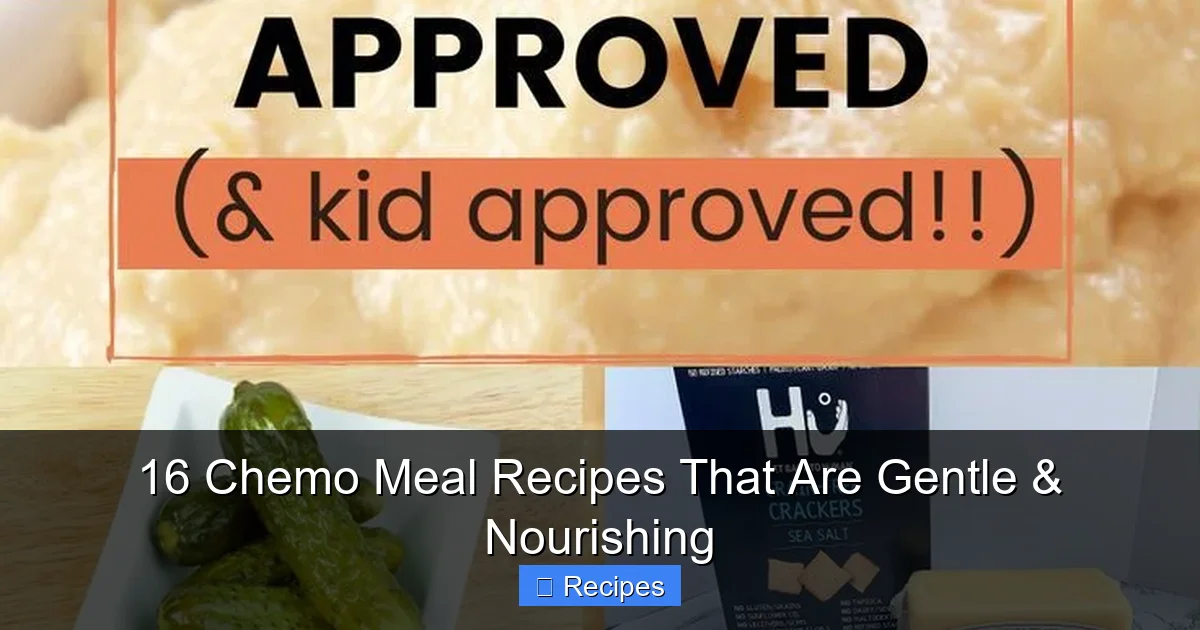
Visual guide about 16 Chemo Meal Recipes That Are Gentle & Nourishing
Image source: i.pinimg.com
Category 1: For Nausea & Settling the Stomach
When nausea is the primary obstacle, the goal is bland, binding, and cool foods. Ginger is a proven anti-nausea agent.
Recipe 1: Classic Ginger-Scallion Congee (Rice Porridge)
A staple in many Asian cultures for its soothing, easy-to-digest nature. It’s essentially rice cooked in a large amount of water or broth until it breaks down into a creamy, porridge-like consistency.
- Ingredients: 1 cup short-grain white rice, 8-10 cups low-sodium chicken or vegetable broth, 1-inch piece of fresh ginger (sliced), 2 scallions (chopped), 1 tbsp neutral oil, salt to taste.
- Method: Rinse rice. In a large pot, bring broth and rice to a boil. Reduce heat to low, add ginger, and simmer, stirring occasionally, for 1-1.5 hours until rice is completely broken down and mixture is creamy. Stir in oil and scallions just before serving. Serve warm or at room temperature. Add shredded cooked chicken or a soft-boiled egg for protein.
Recipe 2: Cool Cucumber & Mint Yogurt Soup (Tarator)
This no-cook, chilled soup from the Balkans is incredibly refreshing and hydrating. The cool temperature and mint are inherently settling.
- Ingredients: 2 large cucumbers (peeled if desired), 2 cups plain whole-milk Greek yogurt, 1/4 cup fresh mint leaves, 1 tbsp lemon juice, 1 clove garlic (optional), salt, water to thin.
- Method: Blend cucumbers, yogurt, mint, lemon juice, and garlic (if using) until smooth. Season with salt. Thin with cold water to desired soup consistency. Chill for at least 1 hour. Garnish with a drizzle of olive oil and extra mint.
Recipe 3: BRAT Diet Banana Smoothie
A modern, nutrient-boosted take on the classic BRAT diet (Bananas, Rice, Applesauce, Toast) for diarrhea or upset stomach.
- Ingredients: 1 ripe banana, 1/2 cup unsweetened applesauce, 1/2 cup plain full-fat yogurt or kefir, 1/4 tsp ground cinnamon, 1/4 cup ice or cold water, 1 scoop unflavored protein powder (optional).
- Method: Blend all ingredients until completely smooth. The banana and applesauce provide binding pectin, while yogurt offers probiotics and protein.
Category 2: For Mouth Sores & Dry Mouth (Mucositis)
Foods must be cool, soft, non-acidic, and non-abrasive. Avoid anything spicy, salty, or citrus-based.
Recipe 4: Silky Potato & Leek Soup
Using a blender creates a perfectly smooth, velvety texture. Leeks are milder than onions.
- Ingredients: 2 tbsp butter or olive oil, 2 leeks (white and light green parts, sliced and washed), 2 cloves garlic (minced), 4 cups low-sodium vegetable broth, 4 cups peeled, diced russet potatoes, 1/2 cup heavy cream or full-fat coconut milk, salt.
- Method: In a pot, melt butter and sauté leeks until soft. Add garlic, cook 1 minute. Add potatoes and broth. Bring to a boil, reduce heat, cover, and simmer until potatoes are very tender (20 mins). Carefully blend with an immersion blender until silky smooth. Stir in cream, heat gently (do not boil), and season.
Recipe 5: Avocado & Mango “Nice” Cream
A dairy-free, no-sugar-added frozen treat that’s cool, creamy, and packed with healthy fats and vitamins.
- Ingredients: 2 ripe avocados, 1 cup frozen mango chunks, 1/4 cup coconut milk (or other milk), 1 tbsp honey or maple syrup (optional), 1/2 tsp vanilla extract.
- Method: Blend all ingredients in a high-speed blender until completely smooth and creamy, scraping down sides as needed. Serve immediately as a soft-serve texture, or freeze for 30 minutes for a firmer scoop.
Recipe 6: Scrambled Eggs with Cream Cheese
The ultimate soft, high-protein option. The cream cheese makes them extra moist and easy to swallow.
- Ingredients: 3 eggs, 2 tbsp milk or water, 1 oz cream cheese (cut into small pieces), 1 tsp butter, salt, pepper.
- Method: Whisk eggs, milk, salt, and pepper. Melt butter in a non-stick pan over low-low heat. Pour in eggs. As they start to set, gently stir with a spatula. When mostly set but still slightly wet, dot with cream cheese pieces and remove from heat. The residual heat will melt the cheese and finish cooking the eggs without over-drying them.
Category 3: For Taste Changes & Low Appetite
When food tastes “off,” we need to stimulate the senses with contrasting textures and strong, clean flavors. Small, frequent “tasting plates” can be less intimidating than a full plate.
Recipe 7: Build-Your-Own Bento Plate
A deconstructed, no-pressure meal. Offer 3-4 small portions of different foods.
- Components: Soft protein: shredded rotisserie chicken, cubed soft tofu, or canned salmon. Soft carb: small cheese cubes, hummus with pita, mashed sweet potato. Fresh element: peeled and thinly sliced cucumber, ripe melon cubes, avocado slices. Crunch (if tolerated): plain crackers, soft pretzel bites. Serve everything at room temperature—hot foods can amplify off-flavors.
Recipe 8: Honey-Mustard Glazed Salmon
Salmon is rich in omega-3s and protein. The sweet-savory glaze can help mask metallic tastes. The sauce keeps it incredibly moist.
- Ingredients: 1 salmon fillet (about 6 oz), 1 tbsp honey, 1 tbsp Dijon mustard, 1 tsp olive oil, salt.
- Method: Preheat oven to 375°F. Place salmon on a parchment-lined baking sheet. Mix honey, mustard, oil, and salt. Pour over salmon. Bake for 12-15 minutes until flaky and cooked through. The sauce creates a protective, flavorful coating.
Recipe 9: Cheesy Broccoli & Rice Casserole (Simplified)
Comfort food that’s soft, cheesy, and familiar. The cheese sauce coats everything in a palatable, mild flavor.
- Ingredients: 1 cup instant white rice, 2 cups chicken or vegetable broth, 1 (10 oz) package frozen broccoli florets (thawed and chopped), 1 cup shredded cheddar or mild cheese, 1/2 cup sour cream or plain Greek yogurt, 1/4 cup milk.
- Method: Cook rice in broth according to package. Steam broccoli until very tender, then chop finely. In a bowl, mix cooked rice, broccoli, cheese, sour cream, and milk. Transfer to a small baking dish and bake at 350°F for 20-25 minutes until bubbly and golden.
Category 4: For Fatigue & Energy Conservation
These are “dump-and-cook” or minimal-effort meals. Utilize slow cookers, store-bought shortcuts, and batch cooking on good days.
Recipe 10: Slow-Cooker Pulled Chicken
Dump ingredients in the morning, come home to shredded chicken that can be used in tacos, sandwiches, or over rice.
- Ingredients: 1.5 lbs boneless, skinless chicken breasts, 1 cup low-sodium chicken broth, 1 packet of mild taco seasoning or 2 tbsp BBQ sauce.
- Method: Place chicken in slow cooker. Pour broth and seasoning/sauce over top. Cook on LOW for 6-8 hours or HIGH for 3-4 hours. Shred with two forks. Keep the cooking liquid for moistening.
Recipe 11: 5-Ingredient Lentil & Vegetable Soup
Uses pre-washed greens and canned lentils for zero chopping. Cooks in 20 minutes.
- Ingredients: 1 tbsp olive oil, 4 cups low-sodium vegetable broth, 1 can (15 oz) low-sodium diced tomatoes, 1 can (15 oz) lentils (rinsed), 5 oz (about 5 cups) baby spinach.
- Method: In a pot, heat oil. Add broth, tomatoes, and lentils. Bring to a simmer and cook for 10 minutes. Stir in spinach until wilted. Season with salt and pepper. For extra protein, stir in a can of rinsed white beans or a scoop of cooked, shredded chicken from Recipe 10.
Recipe 12: Store-Bought Shortcut “Baked” Potato
For days when even turning on the oven feels like too much.
- Ingredients: 1 microwavable “baking” potato (like a Russet), 1/2 cup canned chili (with beans, mild), 1/4 cup shredded cheese, 1 tbsp sour cream.
- Method: Prick potato and microwave on high for 5-7 minutes, flipping halfway. Split open, fluff with a fork. Top with heated chili, cheese, and sour cream. The chili provides a complete protein, and everything is shelf-stable until needed.
Category 5: Hydration & Nutrient-Dense Snacks
When you can’t manage a meal, focus on sipping and grazing. These are calorie- and protein-rich options that feel like treats.
Recipe 13: Hydrating Electrolyte Ice Cubes
Make plain water more appealing and add electrolytes.
- Ingredients: 1 cup coconut water (no sugar added), 1/2 cup water, juice of 1/2 lime, pinch of salt.
- Method: Mix ingredients. Pour into ice cube trays. Freeze. Add 1-2 cubes to a glass of water or sip on them alone as they melt.
Recipe 14: No-Bake Energy Bites (Nut-Free)
Packed with calories, protein, and fiber. No baking required.
- Ingredients: 1 cup rolled oats, 1/2 cup sunflower seed butter, 1/4 cup honey or maple syrup, 1/4 cup ground flaxseed, 1/4 cup mini chocolate chips or dried cranberries, 1 scoop vanilla or unflavored protein powder (optional).
- Method: Mix all ingredients in a bowl until combined. If too dry, add a tsp of milk. If too wet, add more oats. Roll into tablespoon-sized balls. Refrigerate for at least 30 minutes to set. Store in the fridge.
Recipe 15: Chocolate Avocado Pudding
A decadent-tasting, nutrient-dense dessert that’s also a snack. The avocado provides healthy fats and creaminess without a strong flavor.
- Ingredients: 1 ripe avocado, 1/4 cup cocoa powder, 1/4 cup milk or milk alternative, 2-3 tbsp maple syrup or honey, 1 tsp vanilla extract, pinch of salt.
- Method: Blend all ingredients in a blender or food processor until completely smooth and fluffy. Chill for 30 minutes before eating for best texture.
Recipe 16: Savory Cottage Cheese Bowl
For those who prefer savory over sweet snacks. Cottage cheese is an excellent, affordable source of protein.
- Ingredients: 1 cup small-curd cottage cheese, 1/2 cup canned peach slices (drained) or pineapple tidbits, 1 tbsp roasted sunflower seeds or crushed saltine crackers, sprinkle of everything bagel seasoning or dried herbs.
- Method: Combine cottage cheese with fruit. Top with seeds/crackers for crunch and seasoning for flavor. The fruit adds a touch of sweetness and vitamins to balance the salty, milky cheese.
Making It Work: Practical Tips for Caregivers & Patients
Having the recipes is one thing; implementing them is another. Here is actionable advice for the day-to-day reality.
Visual guide about 16 Chemo Meal Recipes That Are Gentle & Nourishing
Image source: scatteredwoman.com
Stock a “Chemo Kitchen” Pantry
On a good day, prepare for the tough ones. Keep on hand: high-protein shelf-stable items (canned fish, shelf-stable milk, broth, nut butters if tolerated), easy carbs (crackers, plain cereals, instant rice/potatoes), smoothie staples (frozen fruit, yogurt, protein powder), and pre-made freezer meals (soups, casseroles).
Embrace the “Taste Test” Ritual
Before cooking a full recipe, taste a small spoonful of a new food or spice. Have a “flavor booster” station ready (lemon, herbs, hot sauce, salt). The patient’s sense of taste is the ultimate guide—what works one day may not the next, and that’s normal.
Presentation Matters, But Don’t Stress It
A small, colorful plate with separate elements can be more appealing than a piled-high, mixed-up mound of food. Use fun bowls or dividers. But if the energy is zero, eating from the pot with a spoon is 100% acceptable. The priority is consumption, not presentation.
Listen to the Body’s Signals
If the thought of food causes nausea, try sipping a clear broth or an electrolyte drink first. Sometimes starting with liquids can ease the stomach into accepting more substantial food later. Never force eating, but gently encourage small sips and bites every 1-2 hours if possible.
Conclusion: Nourishment as an Act of Care
Navigating nutrition during chemotherapy is a dynamic, often frustrating, but deeply important part of the treatment journey. These 16 gentle and nourishing chemo meal recipes are a starting point—a collection of ideas that prioritize the fundamental needs of a body under stress: easy digestion, sufficient protein and calories, and sensory comfort. The most critical ingredient in any of these meals is flexibility. Some days, the avocado pudding will be perfect. Other days, only the cool cucumber soup will stay down. Both are victories. For caregivers, your role in preparing, offering, and adapting these foods is a profound act of support. It’s about removing the barrier of “what to eat” so the patient can focus their limited energy on healing. Keep this guide handy, listen closely, and remember that nourishment comes in many forms. A perfectly blended smoothie, a few spoonfuls of creamy soup, or even a homemade ice pop made from 100% juice are all meaningful steps in maintaining strength and resilience.
Frequently Asked Questions
What is the best food to eat during chemotherapy for nausea?
For nausea, focus on cool, bland, binding foods. Try ginger-based options like ginger tea or ginger-scallion congee, cool cucumber soup, plain crackers, BRAT diet foods (bananas, rice, applesauce, toast), and small sips of clear broth or electrolyte drinks. Avoid anything greasy, overly sweet, or with strong odors.
How can I get enough protein if I have no appetite and mouth sores?
Prioritize liquid and ultra-soft protein sources. Make smoothies with Greek yogurt, cottage cheese, or protein powder. Drink bone broth or strained bean soups. Eat scrambled eggs (made moist with cream), soft tofu, or very moist canned fish like salmon. Add a spoonful of nut butter (if tolerated) to oatmeal or smoothies.
My food tastes metallic—what can I do to make it taste normal?
Use plastic utensils and glass cookware to avoid a metallic taste. Rinse your mouth with a baking soda solution before eating. Add strong, clean flavors like lemon or lime juice, fresh herbs (mint, cilantro), or a splash of vinegar. Serve food at room temperature, as hot foods can intensify metallic tastes. Experiment with different seasonings and marinades for meats.
Is it safe to eat raw fruits and vegetables during chemotherapy?
Due to a potentially suppressed immune system, it’s generally safest to avoid raw produce that can’t be peeled. Choose cooked vegetables, peeled fruits (like bananas, oranges), and fruit juice from a sealed container. If you eat raw produce, wash it thoroughly under running water and consider using a produce wash. Avoid raw sprouts, which carry a high risk of bacterial contamination.
Can I prepare chemo meals in advance and freeze them?
Absolutely. This is one of the best strategies. Soups, stews, casseroles, and cooked meats freeze and reheat very well. Portion them into single-serve containers. Label with the date. Thaw in the refrigerator overnight and reheat to steaming hot (165°F) to ensure food safety. This provides “grab-and-heat” meals for low-energy days.
Should I take nutritional supplements or shakes instead of trying to eat real food?
Whole foods are always the first goal because they provide a complex array of nutrients and fiber. However, on days when eating is impossible, nutritional supplement drinks (like Ensure, Boost, or organic equivalents) are an excellent backup to provide calories and protein. They can also be used to boost the nutrition of meals (e.g., blend into a smoothie or soup). Discuss long-term use with your doctor or dietitian.