Bone-in pork chops are a cut above for delivering unmatched flavor and juiciness. This collection of 16 recipes spans global cuisines and cooking techniques, from a quick 30-minute weeknight pan-sear to a comforting weekend braise. You’ll learn pro tips for perfect doneness, versatile marinades, and ideal side pairings to transform this affordable protein into extraordinary meals every time.
Key Takeaways
- The Bone is Key: The bone acts as an insulator, conducting heat more gently and protecting the meat from overcooking, resulting in a more juicy and flavorful chop compared to boneless.
- Don’t Overcook: Pork is safely cooked at an internal temperature of 145°F (63°C), followed by a 3-minute rest. Cooking beyond this is the primary cause of dry, tough pork chops.
- Brining is a Game-Changer: A simple salt-water brine for 30 minutes to 4 hours seasons the meat deeply and helps it retain moisture during cooking, ensuring tenderness.
- Patience with the Sear: For a beautiful crust, get your pan or grill piping hot and press the chop onto the surface. Don’t move it for the first 2-3 minutes to allow a proper sear to form.
- Rest is Non-Negotiable: Letting cooked chops rest for 5-10 minutes before slicing or serving allows the juices to redistribute throughout the meat, preventing them from spilling out.
- Versatility is King: Bone-in pork chops adapt beautifully to dry rubs, wet marinades, simple salt-and-pepper, and sauces. They shine in quick sautés, slow braises, and everything in between.
- Size Matters: Look for chops that are at least 1-inch thick. Thicker chops are more forgiving and offer a better meat-to-bone ratio, staying juicy even with a slight overcook.
📑 Table of Contents
- Why Bone-In Pork Chops Deserve a Spot in Your Dinner Rotation
- The Essential Foundation: Techniques for Perfect Bone-In Pork Chops
- Recipe Collection: From Classic Comfort to Global Adventures
- Crafting the Perfect Plate: Ideal Side Dish Pairings
- Your Bone-In Pork Chop Questions, Answered
- Conclusion: The Endless Joy of the Bone-In Chop
Why Bone-In Pork Chops Deserve a Spot in Your Dinner Rotation
Let’s settle this once and for all: when it comes to pork chops, the bone-in version isn’t just a nostalgic throwback—it’s a culinary powerhouse. That central bone does more than just look rustic on the plate; it fundamentally changes the cooking dynamics. During heat exposure, the bone warms more slowly than the surrounding meat, creating a thermal buffer. This means the meat nearest the bone cooks more gently and is less likely to dry out, while the bone itself imparts a subtle, savory richness into the meat as it cooks. The result? A chop that is consistently juicier, more tender, and packed with deeper flavor from edge to center.
Beyond superior taste, bone-in chops are incredibly economical. You’re getting a fantastic cut of meat that often costs less than its boneless counterpart, making it perfect for feeding a family without breaking the bank. Their thickness and structure make them forgiving for home cooks—a few extra seconds on the grill won’t ruin them. This guide isn’t just a list; it’s your masterclass in everything bone-in pork chop recipes. We’ll walk through essential techniques, then dive into 16 distinct recipes that will take you from a simple, perfect weeknight chop to globally inspired feasts. Get ready to revolutionize your pork dinner.
The Essential Foundation: Techniques for Perfect Bone-In Pork Chops
Before we explore the recipes, mastering a few core techniques is non-negotiable. These are the building blocks that turn a good chop into a great one, regardless of the final flavor profile.
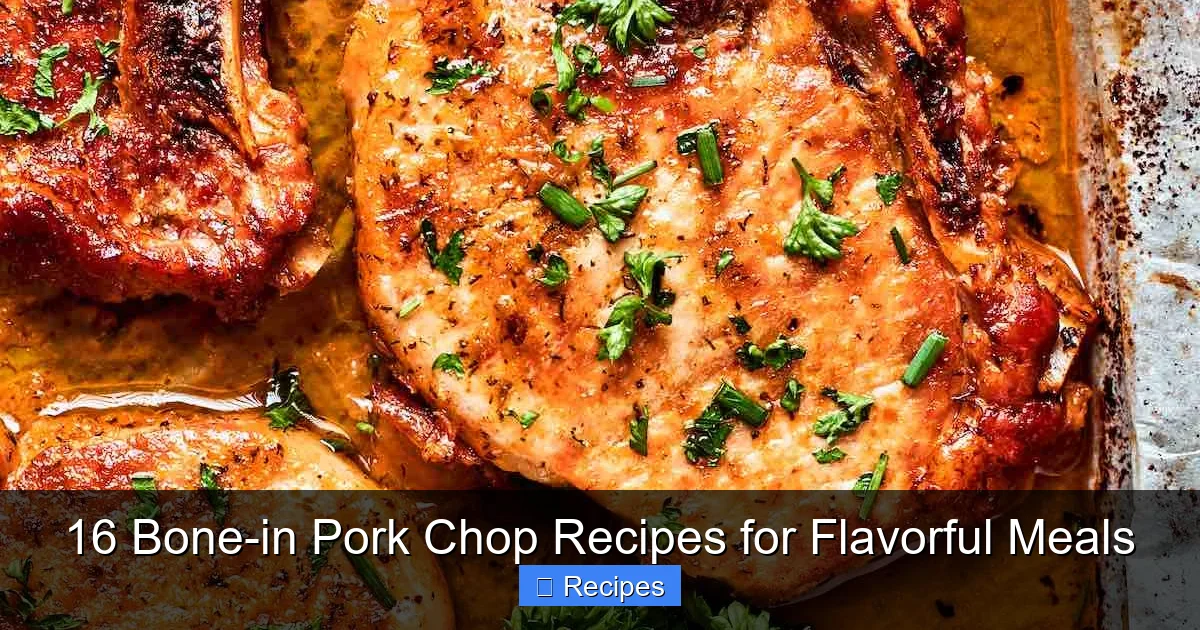
Visual guide about 16 Bone-in Pork Chop Recipes for Flavorful Meals
Image source: thebigmansworld.com
The Sacred Science of Temperature & Resting
The single biggest mistake with pork chops is overcooking. Thanks to modern, leaner pork breeds, the USDA updated its safe cooking temperature to 145°F (63°C) with a mandatory 3-minute rest. Use an instant-read thermometer—it’s the best $20 you’ll ever spend in the kitchen. Insert it into the thickest part, away from the bone. Once it hits 145°F, remove the chops from the heat, tent them loosely with foil, and let them rest. This isn’t just for safety; it’s for science. The resting period allows the muscle fibers to relax and reabsorb the hot, flavorful juices that have been forced to the center during cooking. If you slice immediately, all that precious moisture will run onto your cutting board, leaving you with a dry chop.
Brining for Unshakeable Juiciness
Brining is the secret weapon for pork, especially thicker, bone-in chops. A basic brine is just 4 cups of water and 1/4 cup of kosher salt. You can add sugar, peppercorns, garlic, or herbs for extra flavor. Submerge the chops for 30 minutes to 4 hours (refrigerated). After brining, rinse thoroughly and pat *very* dry with paper towels. This step seasons the meat from the inside out and alters the protein structure to hold onto more water during cooking. It’s a simple step that guarantees a moist, flavorful bite every single time.
Mastering the Sear: Pan, Grill, or Oven
A proper sear creates that irresistible, caramelized crust (the Maillard reaction) that is the hallmark of a great chop. The key is a screaming-hot surface and dry meat. Whether using a cast-iron skillet, grill grates, or a broiler, the surface should be hot enough that a few drops of water sizzle and evaporate instantly. Pat your chops bone-dry after any marinating or brining. Place the chop on the hot surface and *leave it alone* for 2-3 minutes. Resist the urge to peek or move it. This allows a full crust to form, which will then release easily. Flip only once, if possible, to cook the other side.
Recipe Collection: From Classic Comfort to Global Adventures
Now, the fun part. These 16 recipes are organized by primary cooking method and flavor inspiration, giving you a clear path based on your mood and available time. Each recipe is designed to let the bone-in pork chop shine.

Visual guide about 16 Bone-in Pork Chop Recipes for Flavorful Meals
Image source: cookinglsl.com
Category 1: The Quick & Classic Weeknight Wins (30 Minutes or Less)
These are your go-to solutions for a chaotic Tuesday. They use pantry staples and minimal active time.
- Garlic-Herb Butter Basted Chops: Season chops generously with salt and pepper. Sear in a hot skillet with a tablespoon of oil for 3 minutes per side. Reduce heat to medium, add 2 tbsp butter, 3 minced garlic cloves, and a sprig of thyme/rosemary. As the butter foams, tilt the pan and continuously spoon it over the chops for 1-2 minutes until they reach temperature. Rest and serve.
- Maple-Dijon Glaze: Whisk together 2 tbsp pure maple syrup, 1 tbsp Dijon mustard, and 1 tsp apple cider vinegar. Sear chops as above. In the last minute of cooking, pour the glaze over them, letting it bubble and coat the surface.
- Simple Paprika & Onion: Rub chops with a mixture of 1 tsp sweet paprika, 1/2 tsp garlic powder, salt, and pepper. Sear. In the last 3 minutes of cooking, add 1 sliced onion to the pan and let it soften in the rendered fat as the chops finish.
Category 2: The Braised & Slow-Cooked Comforts
These recipes use low, slow heat to make the most tender, fall-off-the-bone (almost!) meat. Perfect for a lazy Sunday.
- Apple Cider & Onion Braise: Preheat oven to 300°F. Season and sear chops in a Dutch oven. Remove. Add 2 sliced onions and 2 diced apples to the pot, cook until softened. Pour in 1 cup apple cider and 1/2 cup chicken broth. Return chops, cover, and bake for 1.5-2 hours until fork-tender.
- Mexican-Style Chipotle Adobo: Blend 2-3 canned chipotle peppers in adobo with 1/4 cup orange juice and 1 tbsp honey. Sear chops. Add the sauce to the pan, bring to a simmer, cover, and simmer on low for 45-60 minutes until the meat is tender.
- German-Style Braised with Sauerkraut: After searing, layer 1 cup drained sauerkraut and 1 sliced apple over the chops. Pour in 1/2 cup dry white wine or beer and 1/4 cup broth. Cover and simmer for 1 hour. The acidity cuts through the richness perfectly.
Category 3: Grilled & Smoky Creations
Fire up the barbecue for these charred, smoky delights.
- Classic BBQ Glaze: Mix your favorite BBQ sauce with a splash of apple cider vinegar. Grill chops over medium-high heat, brushing with the glaze in the last 5 minutes of cooking. Watch for burning sugars.
- Charred Scallion & Ginger: Whisk 2 tbsp soy sauce, 1 tbsp honey, 1 tbsp grated ginger, and 1 tbsp sesame oil. Grill chops. During the last few minutes, grill a bunch of scallions until charred. Chop and toss with the sauce. Serve sauce over chops.
- Smoked Paprika Rub: Combine 2 tbsp smoked paprika, 1 tbsp cumin, 1 tbsp brown sugar, salt, and pepper. Rub on chops and let sit for 30 minutes. Grill over medium heat, turning often, until cooked through.
Category 4: International Inspirations
Take your taste buds on a trip without leaving your kitchen.
- Thai Coconut Curry: Sauté 1 tbsp red curry paste in 1 tbsp oil for 1 minute. Add 1 can coconut milk and 1 tbsp fish sauce. Simmer. Add seared chops and simmer gently for 20-25 minutes. Finish with fresh basil and lime juice.
- Italian Porchetta-Style: Mix 2 tbsp minced rosemary, 3 minced garlic cloves, zest of 1 lemon, and 2 tbsp olive oil. Rub under the fat cap of the chop (if present) and all over. Sear skin-side down first if there’s fat, then finish in a 375°F oven for 15-20 minutes.
- Japanese Miso Glaze: Whisk 2 tbsp white miso paste, 1 tbsp mirin, 1 tbsp sake (or water), and 1 tsp sugar. Sear chops, brush with glaze, and broil for 2-3 minutes until caramelized and sticky.
Category 5: The Elevated & Festive
When you want to impress, these recipes deliver sophisticated flavor.
- Cherry & Red Wine Reduction: After searing, remove chops. Add 1/2 cup red wine to the pan, scrape up bits, and reduce by half. Stir in 1/2 cup frozen cherries and 1 tbsp butter. Return chops to coat in the glossy sauce.
- Mustard-Crusted with Herbs: Mix 2 tbsp Dijon mustard, 1 tbsp chopped fresh tarragon, 1 tsp lemon zest. Spread over chops, then press on a mixture of 1/4 cup panko breadcrumbs and 1 tbsp chopped parsley. Broil for 2-3 minutes to crisp the topping.
- Pecan & Bourbon Maple Syrup: Toast 1/4 cup chopped pecans in a dry pan. In a saucepan, combine 1/2 cup maple syrup and 2 tbsp bourbon. Simmer until slightly thickened. Stir in pecans. Pour over grilled or pan-seared chops.
Category 6: The Soup & Stew Star
These chops become the succulent centerpiece of a hearty bowl.
- Hearty Pork & Potato Stew: Brown chops in a pot. Remove. Sauté 2 diced carrots, 2 diced celery, and 1 diced onion. Add 4 cups broth, 1 cup diced potatoes, and the chops back in. Simmer for 45 minutes until potatoes are tender and pork is cooked.
- White Bean & Kale Soup: Sauté onions and garlic. Add 4 cups broth, 1 can cannellini beans (drained), 1 cup chopped kale, and seared chops. Simmer for 20 minutes. The beans and greens make it a complete meal.
Crafting the Perfect Plate: Ideal Side Dish Pairings
Your pork chop is the star, but a great supporting cast makes the meal unforgettable. Think contrast in texture and flavor.

Visual guide about 16 Bone-in Pork Chop Recipes for Flavorful Meals
Image source: i.pinimg.com
For Rich, Braised Chops:
Cut through the richness with bright, acidic, or crunchy sides. A crisp Fennel & Apple Salad with a lemon vinaigrette is perfect. Braised red cabbage with apple and vinegar offers sweet-tart balance. Buttered egg noodles or creamy polenta are excellent for sopping up all the delicious braising liquid.
For Grilled or Pan-Seared Chops:
Lean into fresh, herby, or starchy accompaniments. A simple Cherry Tomato & Basil Salad is a summer dream. Garlic-Herb Roasted Potatoes or parmesan-crusted asparagus add substance. A tangy coleslaw (vinegar-based, not mayo-heavy) provides a necessary crunch and acidity.
The Universal Pairing:
Apples are the classic for a reason—their sweetness and acidity complement pork beautifully. Think beyond just a side salad: caramelized onion & apple compote, roasted sweet potato cubes with apple, or even a simple thinly sliced crisp apple on the side.
Your Bone-In Pork Chop Questions, Answered
Even the best recipes can raise questions. Here are clear answers to the most common concerns.
What is the safest internal temperature for bone-in pork chops?
The USDA recommends cooking pork to an internal temperature of 145°F (63°C), followed by a 3-minute rest. Using a reliable meat thermometer is the only surefire way to know. This temperature ensures safety while guaranteeing maximum juiciness.
Can I substitute boneless pork chops in these recipes?
You can, but with caution. Boneless chops are much leaner and thinner, making them prone to drying out very quickly. You’ll need to reduce cooking times significantly (often by 30-50%) and should strongly consider brining them. The results will be good, but they won’t have the same inherent juiciness and flavor as a bone-in chop.
How long can I marinate pork chops in the refrigerator?
For an acidic marinade (containing vinegar, citrus, or wine), limit marinating time to 8-12 hours, as the acid can start to “cook” the surface of the meat and make it mushy. For non-acidic marinades (oil-based, herb-based), 12-24 hours is fine. Always marinate in the refrigerator in a sealed container.
Are bone-in pork chops freezer-friendly?
Absolutely. For best results, freeze chops individually on a baking sheet until solid, then transfer to a freezer bag, squeezing out excess air. They’ll keep for 3-4 months. Thaw slowly in the refrigerator overnight before cooking. Freezing can cause some moisture loss, so brining after thawing is highly recommended.
What’s the best way to reheat leftover pork chops without drying them out?
Avoid the microwave! The best method is to reheat gently in a skillet with a splash of broth, apple cider, or water. Cover the pan with a lid to steam the meat back to temperature. Alternatively, wrap the chop in foil with a tablespoon of liquid and warm in a 300°F oven for 10-15 minutes.
My chop has a thick fat cap. Should I trim it?
Don’t trim it! Render that fat down. When searing, start the chop fat-cap side down (if your pan can handle it) for 3-4 minutes. This crisps the fat, renders it into the pan for incredible flavor, and creates a delicious, crunchy topping. You can then trim the crispy fat off before eating if desired, but the rendered fat is gold for the pan sauce.
Conclusion: The Endless Joy of the Bone-In Chop
There you have it—16 pathways to pork perfection, all starting with one simple, magnificent ingredient: the bone-in pork chop. This cut is a testament to the idea that great food doesn’t have to be complicated. With a few foundational techniques—respecting temperature, embracing a brine, and mastering a sear—you have a canvas for endless creativity. Whether you’re craving the comforting sweetness of apples, the smoky kiss of the grill, the deep warmth of a braise, or the bright notes of a global spice blend, these recipes provide a roadmap.
So, the next time you’re at the butcher or grocery store, bypass the boneless, uniform chops. Seek out the character, the thickness, and the promise of that beautiful bone. Pick a recipe from this list that speaks to your hunger and your schedule. You’ll be rewarded with a meal that is deeply satisfying, remarkably flavorful, and sure to become a beloved staple in your home. Now, go forth and chop—bone-in, that is.
Frequently Asked Questions
Can I cook bone-in pork chops from frozen?
It’s not ideal, as it makes achieving an even cook and proper sear difficult. For food safety and best texture, thaw them slowly in the refrigerator overnight. If you must cook from frozen, increase cooking time by about 50% and use a thermometer to ensure they reach 145°F internally, but expect less juiciness.
What’s the difference between a pork chop and a pork loin chop?
All pork chops come from the loin, which runs along the pig’s back. A “pork chop” is a general term. A “loin chop” specifically refers to a chop cut from the center of the loin, which is the most tender part. Bone-in loin chops are what we’re focusing on—they are the premium, tender option. Chops from the shoulder (blade chops) are less tender but more flavorful and benefit greatly from slow, moist cooking.
Why is my pork chop tough even though I cooked it to 145°F?
This is almost always due to one of two things: 1) The chop was very lean and was cooked *just* past 145°F during the resting period (carryover cooking). Pull it off the heat at 140°F and let it rest to 145°F. 2) It was not brined or rested properly. Brining helps the meat retain moisture, and resting allows juices to redistribute. Both steps are critical for tenderness.
Can I use these recipes for thick-cut “porterhouse” style pork chops?
Yes! These are essentially two chops (the loin and the tenderloin) connected by a single bone. They are fantastic. Because they are very thick (often 1.5-2 inches), you’ll need to adjust cooking methods. For pan-searing, you may need to finish them in a 375°F oven after searing to cook the interior through without burning the exterior. For grilling, use indirect heat.
What wine pairs best with pork chops?
Pork’s versatility means it pairs with many wines. For richer, braised or BBQ chops, choose a medium-bodied red like Pinot Noir, Zinfandel, or a Grenache-based blend. For lighter, herbaceous, or citrusy preparations (like the Thai or Italian recipes), a crisp white like Sauvignon Blanc, Pinot Grigio, or a dry rosé is excellent. When in doubt, a versatile red like a Chianti Classico or a fruity Beaujolais works beautifully.
My chop is sticking to the pan when I try to sear it. What am I doing wrong?
The problem is almost certainly that the pan isn’t hot enough or the meat isn’t dry. Ensure your cast-iron or stainless steel pan is heated over medium-high to high heat for a full 3-5 minutes. The meat surface must be patted completely dry with paper towels after any liquid (brine, marinade) has been removed. A properly heated, dry pan will create an instant bond (the sear) and the chop will release easily once that crust forms. If it sticks, give it another 30 seconds.
Pingback: Roasting Time for Pork Tenderloin - kitchenandhouseware.com
Pingback: Bone in Rib Roast Temp Chart - kitchenandhouseware.com
Pingback: Baked Bone in Pork Chops - kitchenandhouseware.com
Pingback: Bone in Loin of Pork Roasting Times - kitchenandhouseware.com
Pingback: Pork Chops in Mushroom Soup - kitchenandhouseware.com
Pingback: Pork Tenderloin Recipes in Oven Moist - kitchenandhouseware.com
Pingback: Roasted Pork Shoulder - kitchenandhouseware.com
Pingback: Marinade for Pork Carnitas - kitchenandhouseware.com