Borscht is a vibrant, cultural icon, not just a soup. This guide dives into 15 traditional borscht soup recipes, from hearty Ukrainian red to chilled Polish kholodnik. You’ll learn the essential techniques, key regional differences, and practical tips to master this beloved beet-based dish in your own kitchen, celebrating a rich culinary heritage with every bowl.
Picture a steaming bowl of deep magenta soup, flecked with green dill and crowned with a cloud of sour cream. That’s borscht. It’s a sight, a smell, and a taste that instantly evokes stories of grandmother’s kitchens, winter holidays, and summer gardens overflowing with beets. But here’s the beautiful truth: there is no single “borscht.” To call it a beet soup is both correct and a vast understatement. It’s a entire family of soups, a culinary chameleon with at least 15 distinct traditional recipes, each with its own loyal following and fiercely guarded secrets. This isn’t just about cooking; it’s about traveling through history, culture, and soil, all from your stovetop. We’re going to explore the full spectrum, from the iconic Ukrainian red borscht that most people know, to the surprising white borscht of Poland, the chilled refreshment of kholodnik, and special occasion versions featuring fish or dried fruits. Get ready to see this legendary soup in a whole new light.
The magic of borscht lies in its balance. It’s a dance between sweet earthiness (from beets and often carrots), savory depth (from a long-simmered broth), and a crucial, bright acidity. That sour note is the soul-lifter, preventing the soup from feeling heavy. Across the 15 recipes we’ll cover, you’ll see this balance achieved in different ways—some with a splash of vinegar, others with the fermented tang of rye starter, and some with the natural tartness of sorrel or pickles. The base vegetables also shift: cabbage is common, but not universal. Potatoes appear in some, beans in others. Meat can be beef, pork, or poultry, or omitted entirely. This diversity is what makes mastering borscht so rewarding. Once you understand the core principles, you can navigate any traditional recipe with confidence.
Key Takeaways
- Borscht is a cultural cornerstone: More than food, it’s a symbol of identity and hospitality across Eastern Europe, with each region claiming its own “true” version.
- The holy trinity is non-negotiable: All traditional recipes rely on beets for color and earthiness, a robust broth (meat, vegetable, or bone), and a sour element (vinegar, lemon, or fermented liquids) for balance.
- Regional diversity is vast: From the meat-heavy Russian version to the dairy-based Polish white borscht and the chilled Ukrainian kholodnik, ingredients and preparation methods vary dramatically by locality and season.
- Sour is the secret weapon: The tangy note is essential. Traditional methods use beet kvass, fermented rye (żurek), or lemon juice/vinegar added at the end to brighten the deep flavors.
- It’s a make-ahead masterpiece: Authentic borscht tastes better the next day as flavors melle. Proper storage and reheating (gently, never boiling) are key to preserving its complex profile.
- Garnishes are part of the ritual: Serving is an art with dollops of sour cream (smetana), fresh herbs (dill, parsley), garlic-rubbed toast (pampushky), or boiled potatoes on the side.
- It’s surprisingly adaptable: While traditional recipes are specific, the core concept is flexible. You can find vegan, pescatarian, and gluten-free versions that still honor the soup’s soulful character.
📑 Table of Contents
- The Soul of Borscht: A Journey Through History and Culture
- Building the Perfect Borscht: Core Ingredients and Techniques
- Iconic Red Borscht Recipes: Ukrainian, Polish, Russian, and Romanian
- Chilled and Fermented Delights: Cold Borscht and Żurek
- Heritage Variants: White, Green, and Cabbage Borscht
- Regional and Occasion Borscht: From Lithuania to Christmas
- Modern Adaptations and the Art of Serving & Storing
- Conclusion: Your Borscht Journey Begins
The Soul of Borscht: A Journey Through History and Culture
To understand borscht, you must understand its contested homeland. The soup’s origins are ancient, likely born from a Slavic proto-soup of pickled vegetables and wild herbs. The defining ingredient, the beet, wasn’t always central. Early versions used hogweed or sorrel for tartness and green color. The red beet, now inseparable from borscht, only became widely cultivated in Eastern Europe around the 16th century. Its vibrant color and storage capability made it a winter staple, and it quickly took over the soup. This history explains why you’ll find “green borscht” (with sorrel) and “white borscht” (with dairy) in the traditional canon—they are likely older forms that persisted in specific regions.
A Symbol of Identity and Celebration
Borscht is deeply woven into the cultural fabric. In Ukraine, it’s a point of national pride, often called “borshch” (with the characteristic guttural “kh” sound). A proper Ukrainian Christmas Eve supper (Sviata Vecheria) is incomplete without a lean, meatless version. In Poland, “barszcz” is equally beloved, with the clear, ruby-red “barszcz czerwony” for celebrations and the cloudy white “barszcz biały” for Easter. For Ashkenazi Jews, a sweet-and-sour borscht with raisins and sugar was a Passover staple. These aren’t just meals; they are edible heirlooms, passed down through generations, each family tweaking the recipe to mark their own territory. The very debate over which is “best” is part of the tradition, a delicious argument that keeps the soup alive.
The Great Borscht Divide: Red vs. Not-Red
When most people think of borscht, they imagine the crimson, vegetable-packed soup. That’s the “red” or “Ukrainian” borscht, and it’s the most globally recognized. But the traditional world is much broader. You have the chilled, refreshing “kholodnik” (cold borscht) served with boiled potatoes and fresh dill on a hot day. You have the creamy, dairy-rich “white borscht” (barszcz biały) made with soured rye or flour. There’s “green borscht” with sorrel, “cabbage borscht” (kapusniak) that’s almost a stew, and even “fish borscht” for Lent. Understanding this divide is the first step to appreciating the full scope of the 15 recipes we’ll explore. Each serves a different purpose: hearty winter fuel, spring tonic, or festive centerpiece.
Building the Perfect Borscht: Core Ingredients and Techniques
Before we dive into the specific recipes, we need a universal toolkit. While ingredients vary, the method and core components have a common logic. Mastering these will make any traditional borscht soup recipe accessible. The process usually follows a sequence: build a flavorful broth, sauté the “soffritto” of vegetables, add the star (beets or other main ingredient), simmer to meld flavors, and finish with the sour element and fresh herbs. Rushing any step, especially the simmering, can leave a soup that tastes disjointed.
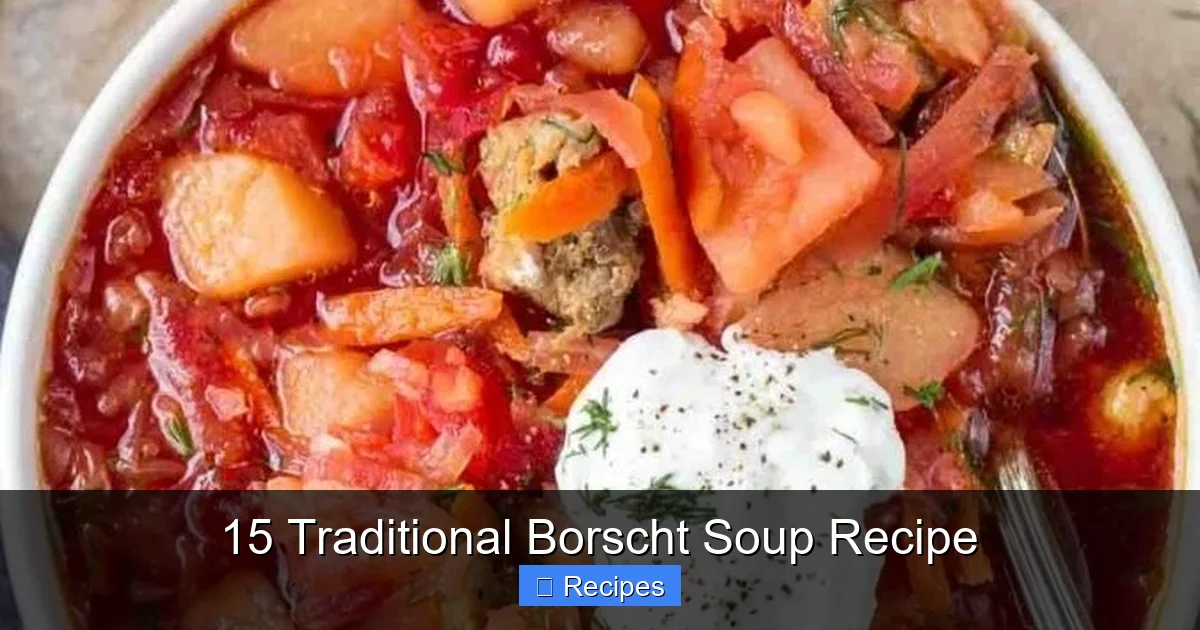
Visual guide about 15 Traditional Borscht Soup Recipe
Image source: i.pinimg.com
The Holy Trinity: Beets, Broth, and Sour
Beets: They provide the signature color, earthy sweetness, and texture. Use a mix of red and golden beets for complexity if you like. Always peel and dice them. A key pro tip: save the beet greens! They are edible and nutritious, and can be sautéed with the other vegetables or used as a garnish. The cooking liquid from the beets is gold—it’s packed with color and flavor. Don’t discard it; add it to the soup.
Broth: This is the foundation. Traditional recipes use a meat broth—beef, pork, or a combination—simmered for hours with bones for gelatinous richness. For a leaner or vegetarian version, a robust vegetable broth is essential. Use dried mushrooms (especially porcini) to add umami depth that mimics meat. The broth should be clear and flavorful, not greasy. Skim off any excess fat.
Sour: This is the non-negotiable balancing act. The sour element cuts through the richness and sweetness. Traditional sources include:
- Beet kvass: A fermented, salty, tangy drink made from beets. A few tablespoons added at the end is the gold standard for authenticity in many Ukrainian recipes.
- Fermented rye starter (żurek): Used in Polish white and sour rye borscht, it provides a complex, bread-like tang.
- Tomato paste or fresh tomatoes: In many red borscht recipes, they add a fruity acidity and deepen the color. They’re usually sautéed with the vegetables.
- Vinegar or lemon juice: The most common modern shortcut. Add it gradually at the end of cooking until the broth tastes bright and lively, not vinegary.
The Sofrito: Layering Flavor
Most traditional recipes start by sautéing a base of diced onions, carrots, and sometimes celery in fat (butter, oil, or rendered pork fat). This “soffritto” is cooked slowly until sweet and soft, not browned. Then, other vegetables like cabbage, potatoes, or beans are added and cooked briefly. This step builds a savory-sweet foundation before the beets and broth are introduced. In some recipes, like Polish white borscht, the base is a roux (flour cooked in fat) that thickens and adds a nutty note. Paying attention to this layering—sweating onions, caramelizing carrots just a bit—makes a huge difference in the final depth of flavor.
Herbs, Garnishes, and the Final Touch
Fresh herbs are almost always added at the very end, off the heat, to preserve their brightness. Dill is the most classic, but parsley, chives, or bay leaves (added earlier and removed) are also common. The final sour adjustment is critical. Taste after simmering. If it tastes flat or too sweet, add your sour element a teaspoon at a time. The soup should be robust but singing with a tangy note. Finally, the garnish is part of the experience. A dollop of sour cream or smetana is standard. Some serve with a side of boiled new potatoes, a slice of garlic-rubbed rye bread (pampushky), or a hard-boiled egg. These aren’t extras; they’re integral to the traditional eating ritual.
Iconic Red Borscht Recipes: Ukrainian, Polish, Russian, and Romanian
This is the family most people recognize. Deep red, hearty, and packed with vegetables and often meat, these are the winter-warriors of the borscht world. They share a common DNA but have distinct personalities based on vegetable ratios, meat choices, and finishing touches. Mastering one gives you a framework for all.
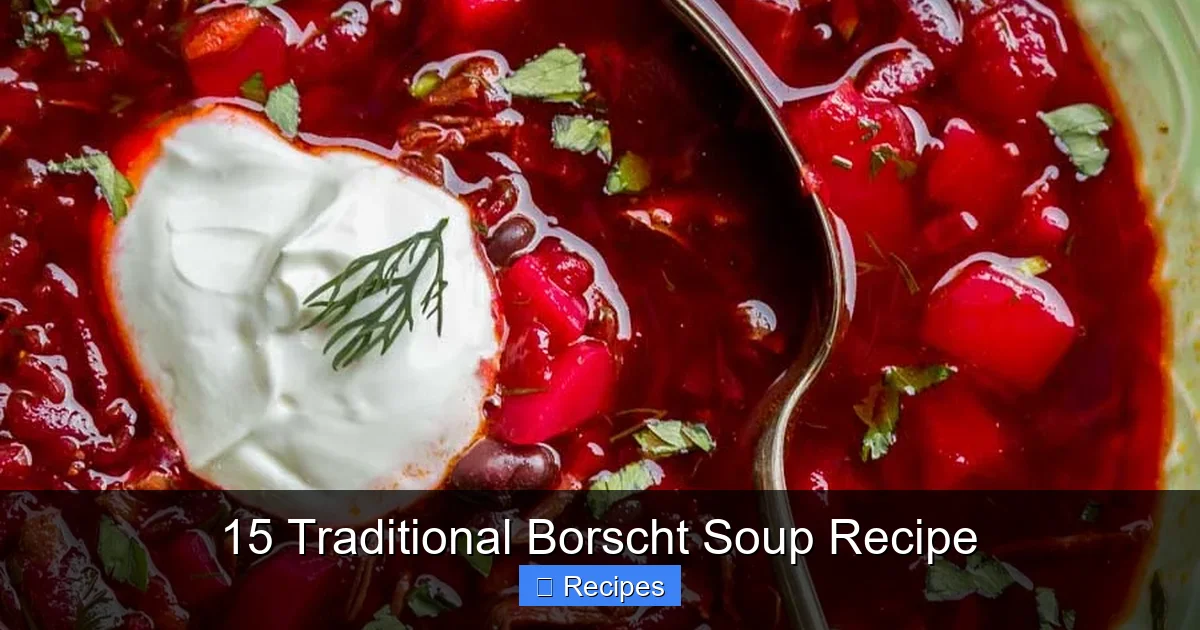
Visual guide about 15 Traditional Borscht Soup Recipe
Image source: letthebakingbegin.com
Ukrainian Red Borscht (Borshch)
This is the archetype. A true Ukrainian borscht is a complete meal-in-a-bowl, often containing meat (usually beef or pork), potatoes, cabbage, carrots, onions, and of course, beets. The broth is rich and clear. The signature is the use of beet kvass for souring, though vinegar or tomato paste are common substitutes. It’s always served with a generous dollop of sour cream and fresh dill. A key tip: many Ukrainian recipes call for adding a small amount of the raw, grated beet at the very end, off the heat, to boost the color and fresh beet flavor. The soup is simmered for a long time—at least 1.5 hours—to let the flavors marry. It’s traditionally eaten with a side of boiled potatoes or pampushky (garlic-rubbed buns).
Polish Barszcz Czerwony (Clear Red Borscht)
Don’t confuse this with the Ukrainian version. Polish barszcz czerwony is often clearer and more broth-focused, with the vegetables (beets, cabbage, carrots) cooked separately and then added to a seasoned meat or vegetable broth. The vegetables are typically diced smaller. The souring agent is usually vinegar or lemon juice, and it’s often finished with a touch of sugar to balance the acidity—a distinctly Polish sweet-and-sour profile. It’s the star of the Polish Christmas Eve supper, served without meat (though the broth might be meat-based) and accompanied by uszka (mushroom or sauerkraut-filled dumplings). The emphasis is on a elegant, ruby-red, transparent broth rather than a thick, vegetable-dense stew.
Russian Borscht with Meat (Borshch s Myasom)
Russian borscht tends to be heartier and more rustic than its Polish counterpart. It often uses a mix of beef and pork, sometimes with smoked meats like kielbasa or brisket for extra depth. The vegetable medley is generous, frequently including beans (white or kidney) and sometimes even prunes or raisins for a subtle sweet note, especially in older recipes. The souring is robust, often with a good amount of tomato paste and vinegar. It’s a thick, satisfying soup meant to stick to your ribs during harsh winters. A classic serving includes a scoop of sour cream and a sprinkle of fresh dill, often with a side of dark rye bread for dipping.
Romanian Ciorbă de Bure
In Romania, borscht is called ciorbă, and it’s defined by its pronounced sourness. The Romanian version is usually made with a chicken or pork broth and is notably tangy, using fermented wheat bran (borș) or lemon juice/vinegar. It often contains potatoes, carrots, celery root, and sometimes rice or small pasta. The beets are added relatively late to preserve their color. What sets it apart is the common addition of a beaten egg yolk stirred in at the end (tempered with hot broth first) to create a silky, rich texture, similar to a light egg drop soup. It’s served with a dollop of sour cream and fresh dill or parsley.
Chilled and Fermented Delights: Cold Borscht and Żurek
Not all borscht is hot. Two of the most revered traditional versions are served chilled, perfect for summer, and are defined by their unique fermented bases that provide a complex, natural sourness.
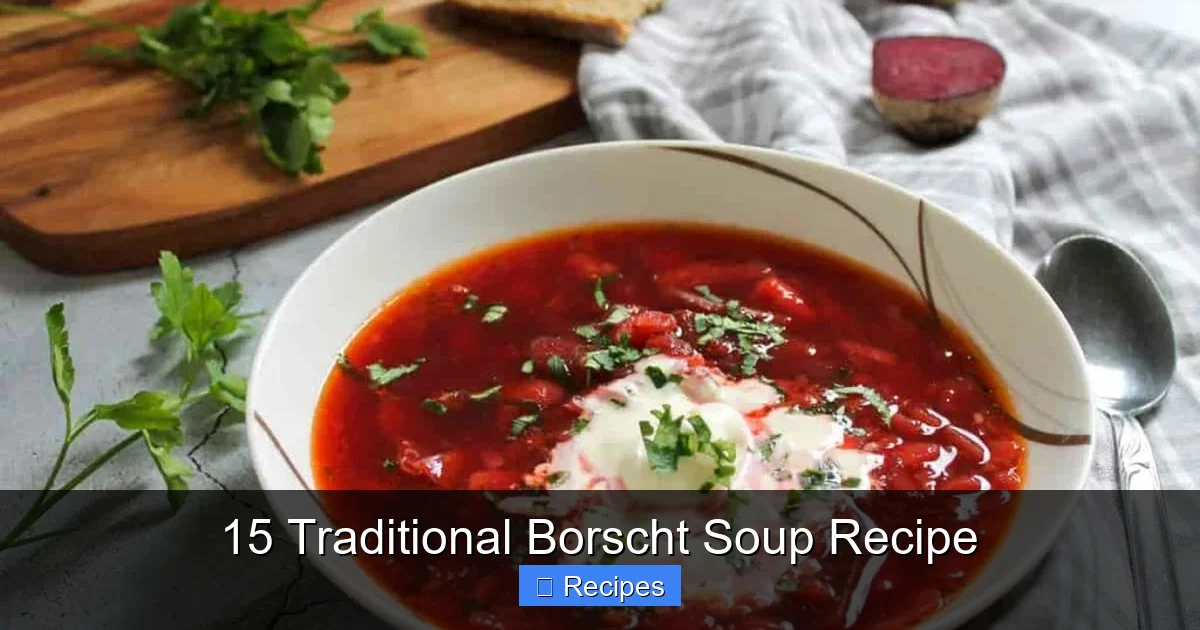
Visual guide about 15 Traditional Borscht Soup Recipe
Image source: cookhomey.com
Ukrainian Kholodnik (Cold Borscht)
Kholodnik is the ultimate summer soup. It starts with a cooked, cooled beet broth (often from boiling beets and other veggies), which is then thinned with cold water or kefir. The key is the sourness from beet kvass or lemon juice. It’s packed with finely diced cooked beets, potatoes, carrots, and hard-boiled eggs, and always includes fresh, chopped dill. The magic is in the texture and temperature: cool, refreshing, and slightly viscous. It’s served in deep bowls with a scoop of sour cream and often accompanied by cold, sliced boiled potatoes or a piece of crisp rye bread. It’s a revelation if you’ve only ever had hot borscht.
Polish Żurek (Sour Rye Borscht)
While technically a sour rye soup, żurek is considered a borscht variant in Poland and is a traditional Easter dish. Its soul is the żytniej zakwas—a fermented rye flour starter. This gives it a distinctive, earthy, bread-like tang that is completely unique. The base is a roux (flour browned in fat) thinned with the fermented starter and broth. It contains potatoes, often sausage (kiełbasa) or bacon, and hard-boiled eggs. The eggs are usually served halved in the bowl. It’s thick, creamy, and powerfully flavorful. The sourness is complex and fermented, not sharp like vinegar. Making a good żurek from a reliable starter is a point of pride for many Polish cooks.
Heritage Variants: White, Green, and Cabbage Borscht
These recipes break the “beet = red” rule and showcase the soup’s ancient roots and regional ingenuity. They highlight other vegetables and dairy as the stars.
Polish Barszcz Biały (White Borscht)
This is a Easter specialty, a creamy, pale yellow soup that couldn’t look more different from its red cousin. Its base is a white roux (flour cooked in butter until pale), which is whisked into a meat or vegetable broth. The sourness comes from either fermented rye starter (żurek) or lemon juice/vinegar. It contains potatoes, sometimes sausage, and is finished with a swirl of sour cream and chopped fresh dill or chives. The texture is velvety and light. The flavor is tangy, savory, and subtly eggy from the roux. It’s a beautiful, delicate soup that represents spring and renewal.
Ukrainian Green Borscht (Zelenyj Borshch)
This is likely one of the oldest forms of borscht, predating the beet’s dominance. Its star is sorrel (shchavelia), a tart, lemony leafy green. The soup is a vibrant green, made with a meat or vegetable broth, potatoes, and sometimes carrots. The sorrel is added at the very end, as it wilts quickly. The sourness is naturally from the sorrel itself, though a splash of lemon juice or vinegar is common. It’s light, refreshing, and has a spinach-like quality but with a sharp, citrusy tang. It’s often served with a hard-boiled egg and a dollop of sour cream. It’s a spring tonic, celebrated when sorrel is in season.
Ukrainian Kapusniak (Cabbage Borscht)
This is less of a soup and more of a hearty, stew-like dish, often eaten as a main course. It’s built on a base of sautéed cabbage (fresh or sauerkraut), onions, and carrots, with potatoes and sometimes meat (pork is classic). The broth is thick and savory. The sour element can come from sauerkraut (if using fresh cabbage, a splash of vinegar is added), tomato paste, or both. It’s deeply comforting, with a long simmer that breaks down the cabbage into a tender, almost melting texture. It’s typically served with a chunk of dark bread and sometimes a spoonful of mustard. It’s the ultimate peasant food, filling and nutritious.
Regional and Occasion Borscht: From Lithuania to Christmas
The borscht family tree branches out into fascinating regional specialties, often tied to religious holidays, available ingredients, or local fermentation traditions. These recipes are treasures of specific communities.
Lithuanian Borscht (Barščiai)
Lithuanian borscht is usually a clear, red beet broth, similar to Polish barszcz czerwony but often with a more pronounced sourness from lemon juice or vinegar. It’s frequently served with a side of boiled potatoes or kugelis (a potato pudding). A unique touch is the addition of a small amount of heavy cream or sour cream stirred in at the table, creating a marbled effect. Some versions include diced beets, carrots, and onions cooked separately and added to the hot broth. It’s a simple, elegant, and tangy soup, reflecting the Baltic preference for clean, sharp flavors.
Moldovan Borscht (Borș de Bure)
Moldovan borscht is known for its generous use of vegetables and a distinctive souring agent: borș, a fermented liquid made from wheat bran or beets. It’s similar to Romanian ciorbă but often includes a wider variety of vegetables like bell peppers, tomatoes, and even green beans. The broth is rich, tangy, and slightly cloudy. It’s a daily meal soup, hearty and nutritious, often made with pork ribs or chicken. The sourness is deep and fermented, not sharp. It’s typically served with a dollop of sour cream and a sprinkle of fresh dill, accompanied by a slice of fresh bread.
Jewish Sweet and Sour Borscht
This is a beloved Ashkenazi version, particularly associated with Passover. It’s characterized by a unique sweet-and-sour profile, achieved with sugar (or honey) and vinegar or lemon juice. Raisins and sometimes prunes are added for sweetness and texture. The broth is often made with beef or a mix of meats. The soup is thick with vegetables—beets, carrots, cabbage, potatoes—and sometimes includes a matzo meal or potato starch slurry for slight thickening. It’s a nostalgic, complexly flavored soup that balances sweet, sour, and savory in every spoonful, served with sour cream and fresh dill.
Fish Borscht (Rybnii Borshch)
A traditional Lenten or Friday dish in many Orthodox Christian communities, fish borscht replaces meat broth with a strong fish stock, usually from carp, pike, or other freshwater fish. The vegetables are similar to red borscht (beets, carrots, cabbage, potatoes), but the flavor is distinctly briny and delicate. The souring is crucial to balance the fishiness—vinegar, lemon juice, or sometimes a bit of fermented rye. It’s lighter than meat borscht but deeply flavorful. The cooked fish is often flaked into the bowls at serving. It’s a beautiful example of how the borscht template adapts to dietary restrictions while remaining soul-satisfying.
Bean Borscht (Bobovyi Borshch)
Hearty and protein-packed, bean borscht is a meal in itself. It uses a meat or vegetable broth loaded with white beans (like navy or great northern) that are cooked until tender. The classic vegetable mix includes beets, carrots, cabbage, and potatoes. The souring is typically from tomato paste and vinegar. It’s thick, rustic, and incredibly filling. In Ukraine, it’s often made with smoked pork hocks for flavor, but a vegetarian version with smoked paprika and mushrooms works beautifully. It’s a winter staple,fuel for cold days, served with sour cream and a chunk of bread.
Christmas Borscht (Sviata Vecheria Borscht)
This refers specifically to the Ukrainian (and broader Orthodox) Christmas Eve supper borscht. It is strictly meatless (as the fast requires), so it uses a rich vegetable or mushroom broth. It contains all the traditional vegetables—beets, cabbage, carrots, potatoes, sometimes dried mushrooms and peas. The souring is gentle, often from a bit of lemon juice or a very mild vinegar. What makes it special is the addition of uzvar—a sweet compote of dried fruits (apples, pears, prunes) that is sometimes stirred in small amounts to lend a subtle, festive sweetness. It’s a complex, layered soup that embodies the solemnity and joy of the holiday, served as the first course of a 12-dish meal.
Modern Adaptations and the Art of Serving & Storing
While we’ve focused on tradition, the borscht spirit is inherently adaptable. The core principle—a balance of sweet, savory, and sour—is a playground for modern cooks. You’ll find vegan versions using mushroom broth and liquid smoke, quick weeknight borscht with canned beets, and even raw “borscht” salads. The key is to respect the balance. If you skip the sour element, you have a vegetable soup, not borscht. Experiment with different souring agents—a splash of good quality cider vinegar, a spoonful of sauerkraut juice, or a squeeze of blood orange can work wonders. The garnish is also where you can play: try a swirl of pesto, a sprinkle of toasted pumpkin seeds, or a few crispy fried shallots on top of your sour cream.
The Perfect Pairings: What to Serve with Borscht
Borscht is often a complete meal, but sides elevate it. The classic companion is dark, dense rye bread, perfect for soaking up the broth. In Ukraine and Poland, pampushky (soft, yeasted buns) are brushed with oil and rubbed with garlic—they are heavenly. Boiled new potatoes, served on the side or cubed in the soup, are common. For a heartier meal, serve a simple sausage or a boiled beef tongue. With cold borscht, a side of cold boiled potatoes or a slice of cured salmon is traditional. The garnish of sour cream is almost universal, but in some regions, a spoonful of plain yogurt or even a drizzle of olive oil is used. Fresh herbs are a must—dill is king, but parsley or chives are excellent too.
Storing and Reheating Like a Pro
Here’s the best news: borscht improves with age. The flavors deepen and meld overnight. Let it cool completely, then store it in airtight containers in the refrigerator for up to 5 days. The fat from the broth will solidify on top; this is a good thing—it seals in moisture and flavor. Reheat gently on the stovetop over low heat, never a rolling boil, which can make vegetables mushy and dull the color. If the soup has thickened too much, thin it with a little broth or water. For freezer storage, it lasts 3 months. Freeze in portion sizes. Note that dairy-based garnishes (sour cream) should never be frozen with the soup; add them fresh when serving. The best experience is always from a soup that’s rested for at least a few hours.
Conclusion: Your Borscht Journey Begins
We’ve traveled from the ancient fields where hogweed soup was the norm to the modern kitchen where a can of beets can start a traditional meal. The 15 traditional borscht soup recipes we’ve explored are more than instructions; they are stories of survival, celebration, and regional pride. They teach us about fermentation (kvass, żurek), about the magic of sour, and about the profound comfort of a well-made broth. Don’t feel you must master all 15 at once. Start with the Ukrainian Red Borscht—the foundational recipe. Get the balance of sweet, savory, and sour right. Then, explore a chilled version in summer, or a white borscht for a special brunch. Each recipe connects you to a place and a people. The beauty of borscht is that it belongs to everyone. It’s a soup that welcomes adaptation while fiercely guarding its soul. So grab your beets, your pot, and a sense of adventure. Your bowl of history, culture, and deliciousness is waiting.
Frequently Asked Questions
What is the true origin of borscht?
The exact origin is debated among Ukraine, Poland, and Russia, as all have ancient versions. The soup likely began as a Slavic broth of pickled vegetables and herbs. The red beet version became dominant in the 16th century after beets were widely cultivated in Eastern Europe. It’s a shared culinary heritage of the region.
Can I make a truly traditional vegan borscht?
Yes, many traditional borscht recipes are already vegan or can be easily adapted, especially Lenten versions like fish borscht (omit fish) or Christmas Eve borscht. Use a rich vegetable or mushroom broth, and rely on the natural sourness of beet kvass, lemon juice, or vinegar. Traditional garnishes like sour cream can be swapped for vegan sour cream or a drizzle of olive oil.
How long does homemade borscht last in the refrigerator?
Properly stored in an airtight container, borscht lasts 4-5 days in the refrigerator. In fact, it often tastes better on the second or third day as the flavors meld. Always reheat gently on the stove over low heat; do not microwave, as it can unevenly cook the vegetables and dull the color.
Why is my borscht too sweet and not tangy enough?
Beets are naturally sweet, so a balanced sour element is essential. After simmering, taste your soup. If it tastes flat or sweet, you need to add your souring agent. Start with a teaspoon of white wine vinegar, apple cider vinegar, or lemon juice. Stir and taste again. For a more complex sourness, use a tablespoon of beet kvass or a splash of fermented rye starter (żurek). Add gradually until the broth sings with acidity.
What are the essential garnishes and sides for an authentic experience?
At a minimum, serve with a generous dollop of sour cream or smetana and a heavy sprinkle of fresh dill. The classic side is dark rye bread, often rubbed with a raw garlic clove (making “pampushky”). Boiled new potatoes are also traditional, either on the side or cubed in the soup. For a full traditional meal, especially with red borscht, a slice of cold boiled beef or sausage is common.
Is borscht just beet soup?
No, that’s a common simplification. While beets are the star in the famous red versions, traditional borscht is defined more by its balance of sweet, savory, and sour flavors within a broth, and by its cultural context. There are green borscht (with sorrel), white borscht (with dairy/rye), cold borscht, and cabbage borscht. The common thread is the technique and the role as a central, often festive, dish in Eastern European cuisine.
Pingback: Authentic Hungarian Goulash Recipe - kitchenandhouseware.com