Unlock the secrets to the perfect bowl of matzo ball soup with our collection of 14 authentic recipes. We journey from the essential, classic chicken broth and light-as-air matzo balls to cherished family variations and modern twists. You’ll learn the non-negotiable techniques for soup clarity, the debate over schmaltz vs. oil, and how to achieve that elusive float. This guide is your comprehensive toolkit for honoring tradition and creating comfort in a bowl, every single time.
There is perhaps no dish more iconic, more comforting, or more steeped in tradition than a steaming bowl of matzo ball soup. It is the definitive starter at Passover, a requested cure-all for colds and woes, and a taste of home for millions. But within that seemingly simple bowl of golden broth and pale, round dumplings lies a universe of opinion, technique, and family lore. What makes a matzo ball float or sink? Should you use schmaltz or oil? How long should you simmer the broth? For years, these questions have sparked friendly debates at dinner tables. Today, we’re cutting through the noise. We’ve gathered 14 authentic matzo ball soup recipes that span the spectrum from purist classic to creative variation, all grounded in the techniques that guarantee success. Whether you’re a first-time cook or a seasoned bubbe, this guide will help you build your own perfect, soul-warming pot.
Key Takeaways
- The broth is the foundation: A clear, deeply flavorful golden chicken broth is non-negotiable. It requires patience, skimming impurities, and a combination of aromatic vegetables and herbs.
- Matzo ball texture is everything: The goal is a light, fluffy matzo ball that floats. This is achieved by a proper ratio of liquid to matzo meal, gentle handling, and crucial resting time for the batter to hydrate.
- Schmaltz (rendered chicken fat) is the traditional secret: It provides unparalleled richness and flavor. For a pareve (dairy-free) version, a high-quality vegetable oil or duck fat can be used, but the texture may differ slightly.
- Resting the batter is not optional: Allow the mixed matzo ball batter to rest in the refrigerator for at least 30 minutes, preferably several hours or overnight. This allows the matzo meal to fully absorb the liquid, preventing dense, gritty balls.
- Gentle simmering, never boiling: Once the matzo balls are added, the soup must remain at a very gentle simmer. A rolling boil will cause them to disintegrate. Cover the pot to steam them gently.
- Seasoning is layered: Salt and pepper are added in stages—to the broth as it cooks, and again to the finished soup. Fresh dill and parsley are stirred in at the end for a vibrant finish.
- This soup freezes beautifully: Prepare the matzo balls and broth separately. Freeze the broth in airtight containers. Matzo balls can be frozen on a baking sheet and stored in a bag, then dropped directly into simmering broth when ready to serve.
📑 Table of Contents
The Soul of the Soup: History and Tradition
To understand matzo ball soup is to understand a piece of Jewish history. Matzo itself is the unleavened bread eaten during Passover, commemorating the Israelites’ hasty exodus from Egypt, when there was no time for bread to rise. The humble matzo ball, or knaidel (from the Yiddish קניידל), is a brilliant invention born of necessity and ingenuity—transforming the plain, cracker-like matzo into something soft, substantial, and delicious.
A Dish of Diaspora
As Jewish communities spread across Europe and later to America, the matzo ball evolved. In Eastern Europe, it was a peasant food, a way to stretch meager resources. The soup was often a simple, clear broth made from whatever meat or bones were available. When Jewish immigrants arrived in the United States, the soup became a staple in delicatessens, often served with a generous amount of chicken and vegetables. It cemented its place in American food culture not just as a holiday food, but as a year-round symbol of comfort. The debates that rage today—the floaters vs. sinkers, schmaltz vs. oil—are part of this rich tapestry. They are the culinary equivalent of family heirlooms, passed down through generations.
Building the Perfect Foundation: The Broth
You can have the world’s best matzo ball, but if it’s floating in a weak, cloudy, or bland broth, the entire dish is compromised. The broth is the canvas. It must be clear, golden, and deeply flavorful without being greasy. This requires a few key steps that are often skipped in rushed recipes.
Visual guide about 14 Authentic Matzo Ball Soup Recipe
Image source: soupchick.s3.amazonaws.com
The Classic Method: Bones, Vegetables, and Patience
Start with quality bones—chicken backs, necks, and wings are ideal. They have a good mix of meat, cartilage, and fat, which creates body and flavor. Roasting the bones first is a game-changer. It adds a layer of caramelized, rich flavor that a simple boil cannot achieve. Toss them in a little oil and roast at 400°F until deeply browned. This step is your first secret to a profound broth.
Next, the mirepoix: a classic combination of onion, carrot, and celery. For an authentic, clear broth, these are used whole or in large chunks and then strained out. Adding a head of garlic, cut in half crosswise, and a few peppercorns rounds everything out. The crucial technique is the cold-water start. Place your roasted bones and vegetables in a pot, cover with cold water, and bring it slowly to a simmer. This allows impurities to rise to the surface, where they can be skimmed away. A rolling boil will emulsify fat into the broth, making it cloudy. Maintain the barest simmer for 3 to 4 hours, skimming occasionally. Strain through a fine-mesh sieve lined with cheesecloth for ultimate clarity. Season only at the end with salt, as salting too early can make the broth cloudy and draw out moisture from the bones.
Quick-Broth Alternatives
Not everyone has 4 hours on a Tuesday. For a fantastic weeknight version, use a high-quality, low-sodium store-bought chicken broth or stock as your base. Elevate it by simmering it for 20 minutes with a few smashed garlic cloves, a halved onion, a couple of celery ribs, and a few sprigs of fresh thyme and parsley. Strain and use. While not as profound as a from-scratch bone broth, this method creates a clean, tasty foundation that lets your matzo balls shine. Recipe #3 in our collection is a streamlined version using this technique.
The Alchemy of the Matzo Ball: From Meal to Magic
This is where the magic—and the most heated debates—happen. The matzo ball is a simple batter of matzo meal, eggs, fat, and liquid (usually water or broth). The chemistry is straightforward, but the execution is everything. The goal is a dumpling that is tender, light, and holds together without being gummy or dense.

Visual guide about 14 Authentic Matzo Ball Soup Recipe
Image source: soupchick.s3.amazonaws.com
The Ingredient Trinity: Meal, Fat, and Liquid
Matzo Meal: Use plain, fine-textured matzo meal. Coarse meal will yield a gritty texture. Sift it before using to break up any lumps. Fat: This is the soul of the matzo ball. Traditionalists swear by schmaltz, rendered chicken fat. It adds an irreplaceable richness and tenderness. For a pareve (dairy-free) soup, use a neutral oil like vegetable or canola. Some modern cooks use duck fat for a luxurious twist. Liquid: Water is classic, but using a bit of the hot, strained broth from your soup pot infuses more flavor. Some recipes call for seltzer or club soda; the bubbles can create a slightly lighter texture.
The Technique: Mix, Rest, Form, Cook
The cardinal rule is do not overmix. Combine the beaten eggs and melted fat first. Then, gently fold in the sifted matzo meal until just combined. Overworking the gluten in the matzo meal will make the balls tough. Next, stir in the liquid (water/broth) until the batter is uniform. It will be quite wet and loose. This is correct. Cover the bowl and refrigerate for at least 30 minutes, but ideally 2 hours or overnight. This resting period is critical. The matzo meal absorbs the liquid, swelling and softening, which prevents a gritty, dense result and allows the balls to hold their shape when cooked.
To form the balls, wet your hands slightly to prevent sticking. Scoop a tablespoon of batter and gently roll it into a ball. They will expand during cooking, so make them slightly smaller than you want the final result. Bring your finished, seasoned broth to a very gentle simmer. Drop the matzo balls into the simmering liquid. Immediately reduce the heat to low, cover the pot tightly, and let them steam gently for 20-25 minutes. Do not lift the lid during this time. The steam is what cooks them through. After 20 minutes, turn off the heat and let them sit, covered, for another 10 minutes. They will finish cooking and firm up slightly. This method yields the coveted, fluffy, floating matzo ball.
The Great Debate: Floaters vs. Sinkers
This is the ultimate family argument. A “floater” is considered the pinnacle of achievement—a light, airy matzo ball with a porous interior that floats readily. A “sinker” is denser and more compact. The primary cause of sinkers is a lack of air pockets, often from overmixing the batter or not allowing it to rest properly. Using schmaltz generally promotes a fluffier texture than oil. The resting time is the single most important factor in achieving a floater. Don’t skip it!
14 Authentic Recipes: From Classic to Creative
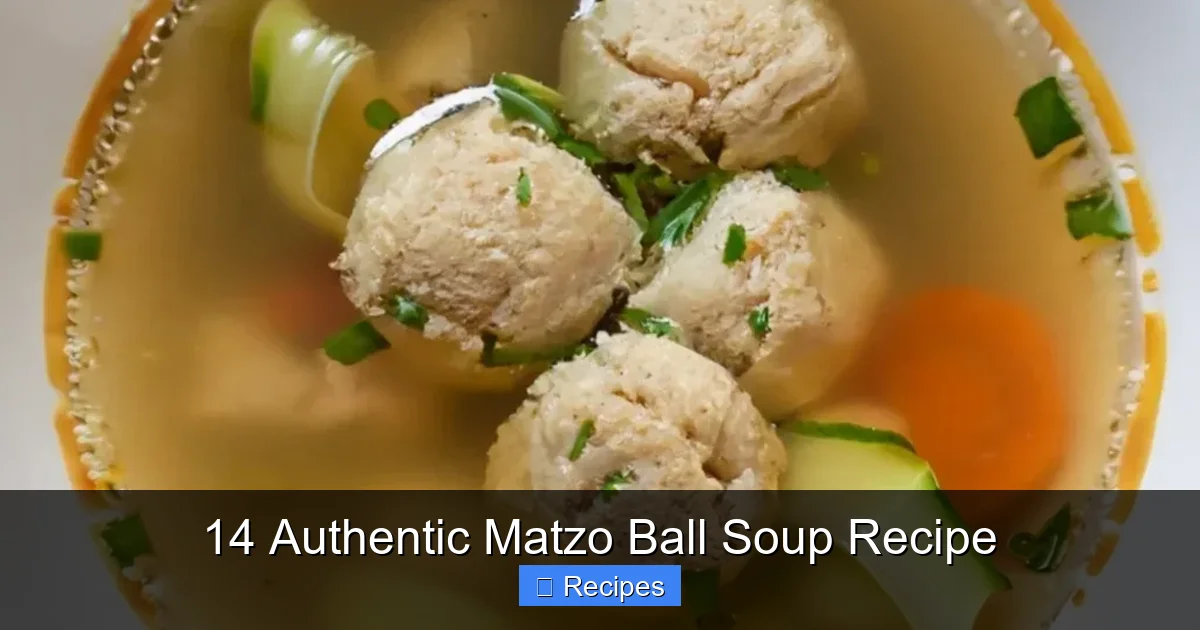
Now, the moment you’ve been waiting for. These 14 recipes are not random variations; they are curated to teach you the core principles and then inspire you with regional and family-style twists. We start with the absolute classic and build from there.

Visual guide about 14 Authentic Matzo Ball Soup Recipe
Image source: beyondthebayoublog.com
Recipe 1: The Bubbe’s Classic
This is the baseline. It uses schmaltz, a long broth simmer, and the classic rest method. The matzo balls are medium-sized, and the broth is finished with a heavy shower of fresh dill. It is the taste of a thousand Eastern European kitchens.
Recipe 2: The Light & Airy Floater
This recipe is engineered for maximum float. It uses a touch of seltzer water in the batter and insists on a full overnight rest. The schmaltz is kept cold when mixed, which may help with aeration. The matzo balls are slightly smaller and cooked with extra care to maintain a bare simmer.
Recipe 3: The Speedy Weeknight Version
For when the craving hits but time is short. It uses a high-quality store-bought broth and a simplified matzo ball mix (with oil, not schmaltz). The matzo balls are cooked directly in the store-bought broth, which is simmered with a few aromatics first. It delivers 80% of the experience in 30 minutes.
Recipe 4: The Vegetarian “Chicken” Style
A fully vegetarian take that doesn’t feel like an afterthought. The broth is built from roasted mushrooms, caramelized onions, and a splash of soy sauce or tamari for umami depth. The matzo balls use olive oil and are studded with minced herbs. It’s robust and deeply satisfying.
Recipe 5: The Persian-Inspired (Ab Goosht)
In Persian Jewish tradition, the soup is heartier. The broth is made with beef or lamb bones, turmeric, and dried lime (limoo amani). The matzo balls are often larger and may contain a pinch of cumin. The finished soup is served with the tender stew meat and sometimes chickpeas alongside the matzo balls.
Recipe 6: The “Drop” Style (Small & Abundant)
Instead of rolling balls, this method uses a teaspoon to drop small, irregular bits of batter directly into the simmering broth. They cook faster and create a rustic, scattered look. They are more like soft, savory croutons. Perfect for a casual, family-style meal.
Recipe 7: The Sweet & Sour Hungarian
A nod to Hungarian csipetke (egg dumplings). The broth is a rich chicken soup with a pronounced note of sweet paprika. The matzo balls are flavored with a pinch of sugar and caraway seeds. A splash of white wine vinegar or lemon juice added at the end provides the signature sweet-sour tang.
Recipe 8: The “Everything” Matzo Ball
A fun, modern twist. The matzo ball batter is mixed with 1-2 tablespoons of “everything” bagel seasoning (sesame seeds, poppy seeds, dried garlic, dried onion, salt). It adds a wonderful textural crunch and savory flavor to each bite. Keep the broth classic to let the matzo balls shine.
Recipe 9: The Parmesan-Infused
An Italian-Jewish fusion. A modest amount of finely grated Parmesan or Pecorino cheese is folded into the matzo ball batter along with a pinch of nutmeg. The cheese adds saltiness and a slight firmness to the ball. The broth remains a simple, clear chicken broth to balance the richness.
Recipe 10: The Herb Garden
The matzo ball batter is loaded with a mixture of finely chopped fresh herbs—parsley, dill, chives, and tarragon. The herbs are gently sautéed first in a little schmaltz or oil to soften their raw bite and release their oils, then cooled and added to the batter. Each bite is bursting with green flavor.
Recipe 11: The Low-Carb/Gluten-Free Note
While traditional matzo meal is made from wheat, some brands offer a gluten-free matzo meal made from alternative flours like potato or tapioca. The technique remains identical, but the absorbency can vary. You may need to adjust the liquid slightly. The result is a soup that honors the tradition for those with dietary restrictions.
Recipe 12: The “Matzo Ball” Ramen
A playful crossover. The clear, golden chicken broth is treated like a ramen dashi, with a piece of kombu (dried kelp) simmered with the bones and removed. The matzo balls are the “tofu” or “chashu” substitute. Serve the soup in deep bowls with a few strands of cooked ramen noodles, a soft-boiled egg, and some shredded nori.
Recipe 13: The Deconstructed Soup
For a modern presentation: serve the clear, hot broth in a cup or small bowl alongside a single, perfect, large matzo ball on a plate, perhaps with a few shreds of tender chicken and a sprig of dill. The diner can add the ball to the broth or eat it separately. It’s elegant and interactive.
Recipe 14: The Holiday “Double”
For a festive, company-worthy soup. Use a rich, double-strength broth (more bones, longer simmer). Make two types of matzo balls: classic schmaltz balls and a smaller, herb-filled variety. Serve each bowl with 2-3 of each, along with a few slices of poached chicken breast, a few carrots and celery from the broth, and a generous grating of fresh horseradish on the side.
Assembly, Serving, and Storage
The final steps are just as important as the cooking. A poorly assembled soup can undo all your hard work.
The Final Touches
Once the matzo balls have finished their steam-rest, gently reheat the broth if it has cooled. Taste it critically. This is your last chance to adjust seasoning with salt and freshly ground black pepper. Stir in a generous amount of very finely chopped fresh dill and/or parsley just before serving. The herbs should be vibrant and green, not cooked to death. If you have reserved any cooked chicken from the broth, shred it and add a few pieces to each bowl.
Serving Etiquette
Ladle the hot broth into warmed bowls. Using a slotted spoon, place 2-3 matzo balls (depending on size) into each bowl. Add a few pieces of chicken and some of the cooked carrots and celery if desired. Pass the extra dill and a cruet of good olive oil or a dish of schmaltz at the table for those who want more. In many traditions, a dollop of sour cream or a spoonful of horseradish is served on the side.
Storing and Reheating Like a Pro
Matzo ball soup is a gift that keeps on giving. Store the broth and matzo balls separately in airtight containers in the refrigerator for up to 4 days. The matzo balls will continue to absorb broth and soften. For best results, store them in a little bit of the broth, but not submerged completely. To reheat, gently simmer the broth. Drop the stored matzo balls into the simmering broth and heat through for 5-7 minutes. Do not boil. The soup also freezes exceptionally well. Freeze the broth in portions. The matzo balls can be frozen on a parchment-lined baking sheet until solid, then transferred to a freezer bag. Drop them frozen into the simmering broth; they will take a few extra minutes to heat through.
Troubleshooting and Pro Tips
Even with the best recipes, things can go awry. Here’s how to fix common problems and adopt pro-level habits.
My Matzo Balls Are Dense and Sink.
The culprit is almost always overmixed batter or insufficient resting time. Next time, fold the meal in gently and let the batter rest for at least 2 hours. Ensure your simmer is gentle; cooking them in a rapid boil will compact them. Using schmaltz instead of oil also promotes a lighter texture.
My Broth Is Cloudy.
This is usually from a few causes: not starting with cold water (so impurities don’t get trapped and later emulsify), boiling instead of simmering, or adding salt too early. Always start with cold water, maintain a gentle simmer with occasional skimming, and salt only at the end.
The Matzo Balls Fell Apart in the Pot.
The batter was likely too wet or the water wasn’t hot enough when they were added. Make sure your broth is at a bare simmer before dropping the balls in. Also, ensure you’ve measured the liquid correctly; a batter that’s too wet won’t hold together. The resting time helps firm it up.
They’re Too Salty/Not Salty Enough.
Always under-salt your broth during cooking. It’s much easier to add salt at the table than to fix an over-salted pot. Taste and adjust seasoning just before serving. Remember that the matzo balls themselves contain salt, so factor that into your final taste.
Pro Tip: The “Float Test”
Before cooking all your matzo balls, test one. Drop a small ball into a simmering cup of broth. It should float to the top within a minute or two. If it sinks and stays at the bottom, your batter likely needs more resting time or a slightly different liquid-to-meal ratio. Adjust and test again.
Frequently Asked Questions
Can I make matzo ball soup ahead of time for Passover?
Absolutely. The soup is actually better when made a day or two ahead. Prepare the broth and matzo balls separately. Store them in the refrigerator. When ready to serve, gently reheat the broth and carefully add the matzo balls to simmer for 5-7 minutes to heat through. This method also allows the flavors to meld beautifully.
What is the difference between matzo meal and matzo cake meal?
Matzo meal is coarser, made by grinding whole matzo. It’s used for traditional matzo balls and as a coating for fried foods. Matzo cake meal is much finer, almost like flour, and is used for baking Passover cakes and cookies. They are not interchangeable in matzo ball soup; using cake meal will yield a gummy, pasty texture.
Why do my matzo balls always turn out gummy?
A gummy texture is almost always caused by overmixing the batter or using too much liquid. Mix just until the ingredients are combined. The batter should be wet but not soupy. The most important step is letting it rest in the refrigerator for several hours. This allows the matzo meal to fully hydrate and prevents the raw, starchy taste and texture.
Is schmaltz necessary for authentic matzo ball soup?
For traditional Ashkenazi (Eastern European) style, schmaltz is considered the gold standard for its rich flavor and tenderizing effect on the matzo balls. However, a high-quality vegetable oil or even duck fat can be used for a pareve or different variation. The soup will still be authentic to your family’s tradition, even if it differs from another’s.
Can I use a slow cooker or Instant Pot for the broth?
Yes, but with caveats. A slow cooker on low for 8-10 hours can produce a good, clear broth, but you must still start with cold water and skim the fat. An Instant Pot/pressure cooker can make a flavorful broth very quickly (60-90 minutes on high pressure), but the rapid pressurization can sometimes make the broth slightly cloudier than a traditional simmer. The flavor will be excellent, but clarity may suffer.
How can I make my broth clearer and more golden?
Start with cold water and roasted bones. Simmer gently, never boil, and skim the foam and fat from the surface regularly. Use a fine-mesh strainer lined with cheesecloth for the final straining. Adding a few egg whites to the cold broth before heating and then straining them out (a technique called “clarifying”) can also trap fine particles for an ultra-clear consommé-like result, though this is an advanced step.