Shrimp is the ultimate fast, flexible protein for weeknight dinners and impressive gatherings alike. This collection of 15 raw shrimp recipes focuses on two perfect cooking methods—grilling for smoky char and sautéing for quick, saucy perfection. You’ll master the essential prep steps, discover vibrant global flavors from Cajun to Thai, and learn pro tips to avoid common pitfalls like rubbery shrimp. Get ready to transform simple raw shrimp into extraordinary meals in minutes.
Key Takeaways
- Proper prep is non-negotiable: Always devein, pat completely dry, and lightly coat with oil before cooking to ensure even browning and better seasoning adhesion.
- Grilling and sautéing have opposite rhythms: Grilling requires high, direct heat for 2-3 minutes per side, while sautéing uses medium-high heat in a pan with fat for 3-5 minutes total.
- Marinades add flavor but not tenderizing: Acidic marinades (citrus, vinegar) can make shrimp mushy if left too long. Limit marinating time to 15-30 minutes for flavor without texture loss.
- Don’t crowd the pan or grill: Overcrowding steams shrimp instead of searing them. Cook in a single layer with space between each piece for optimal caramelization.
- Shrimp cook incredibly fast: They are done the moment they turn opaque and pink, with a firm yet slightly springy texture. There is no “medium rare” for shrimp—overcooking is the primary cause of toughness.
- Seasoning is layered: Salt the shrimp before cooking, but finish with fresh herbs, citrus zest, or a splash of acid (like lemon juice) right after cooking to brighten the dish.
- Safety first: Raw shrimp must be cooked to an internal temperature of 145°F (63°C). Always source from reputable suppliers and keep refrigerated until ready to use.
📑 Table of Contents
- Why Shrimp is Your Secret Weapon for Amazing Meals
- The Essential Foundation: Prepping Raw Shrimp for Success
- Grilling Mastery: Char, Smoke, and Juicy Perfection
- Sautéing Secrets: Quick, Saucy, and Versatile
- Global Flavor Tours: Shrimp Recipes from Around the World
- Perfect Pairings: What to Serve with Your Shrimp
- Pitfalls to Avoid & Pro Tips for Flawless Shrimp Every Time
- Wrapping It Up: Your Shrimp Journey Starts Now
Why Shrimp is Your Secret Weapon for Amazing Meals
Let’s be honest: finding a protein that’s both incredibly fast to cook and universally loved can feel like a holy grail. Enter the humble shrimp. These little crescent-shaped wonders are the ultimate culinary shortcut, transforming from raw to ready in the time it takes to boil water for pasta. But “fast” doesn’t mean “boring.” With the right techniques, raw shrimp recipes become a canvas for bold, exciting flavors from around the world.
This guide is your definitive resource for mastering two of the best shrimp-cooking methods: grilling and sautéing. We’re moving beyond basic boiled shrimp. Here, you’ll find 15 curated raw shrimp recipes designed to build your confidence and expand your repertoire. From a 5-minute garlic butter sauté to a smoky, spicy grill masterpiece, each recipe teaches a fundamental skill. We’ll start with the absolute essentials—the non-negotiable steps that separate good shrimp from great shrimp—before diving into the recipes themselves. Think of this as your friendly, no-nonsense shrimp boot camp. The only requirement is a love for delicious, easy food.
The Essential Foundation: Prepping Raw Shrimp for Success
Before any recipe, before any heat, there is prep. Skipping these steps is the fastest route to disappointing shrimp—rubbery, unevenly cooked, or bland. Mastering this foundation makes every single one of these 15 raw shrimp recipes 10 times better.

Visual guide about 15 Raw Shrimp Recipes for Grilling & Sautéing
Image source: acouplecooks.com
Deveining & Peeling: To Peel or Not to Peel?
The dark vein running along the back of the shrimp is its digestive tract. While not harmful to eat, it can be gritty and bitter. For most recipes, especially grilling where you eat the shrimp shell-on for flavor and ease, you’ll want to devein but leave the shell intact. Here’s the quick method: use a small paring knife or a dedicated shrimp deveiner to make a shallow cut along the back. Use the tip of your knife or a toothpick to lift out the vein. If you’re making a sauté where you’ll eat the shrimp out of the shell, peel and devein. For peeled shrimp, look for the “butterfly” cut where the shrimp is split open and flattened—this is perfect for stuffing or quick cooking.
The Golden Rule: Pat, Pat, Pat
This cannot be stressed enough. Whether you’re grilling or sautéing, your shrimp must be bone-dry on the surface. Any moisture will steam the shrimp instead of creating a beautiful sear or grill marks. After rinsing, lay the shrimp on a plate lined with paper towels and press another towel on top. Let them sit for 5-10 minutes. For extra insurance, you can even sprinkle them lightly with salt and let them sit for 15 minutes, then rinse and pat dry again—this helps draw out even more surface moisture.
Oil & Season: The Flavor Base
Once dry, toss the shrimp in a light coating of high-smoke-point oil like avocado, grapeseed, or refined olive oil. This ensures they don’t stick and promotes even browning. Now is the time for your foundational seasoning: a generous pinch of kosher salt and freshly cracked black pepper. For most recipes, this is your base layer. More complex spices (like Cajun or chili powder) can be added here or in a marinade, but salt is essential for flavor penetration.
Grilling Mastery: Char, Smoke, and Juicy Perfection
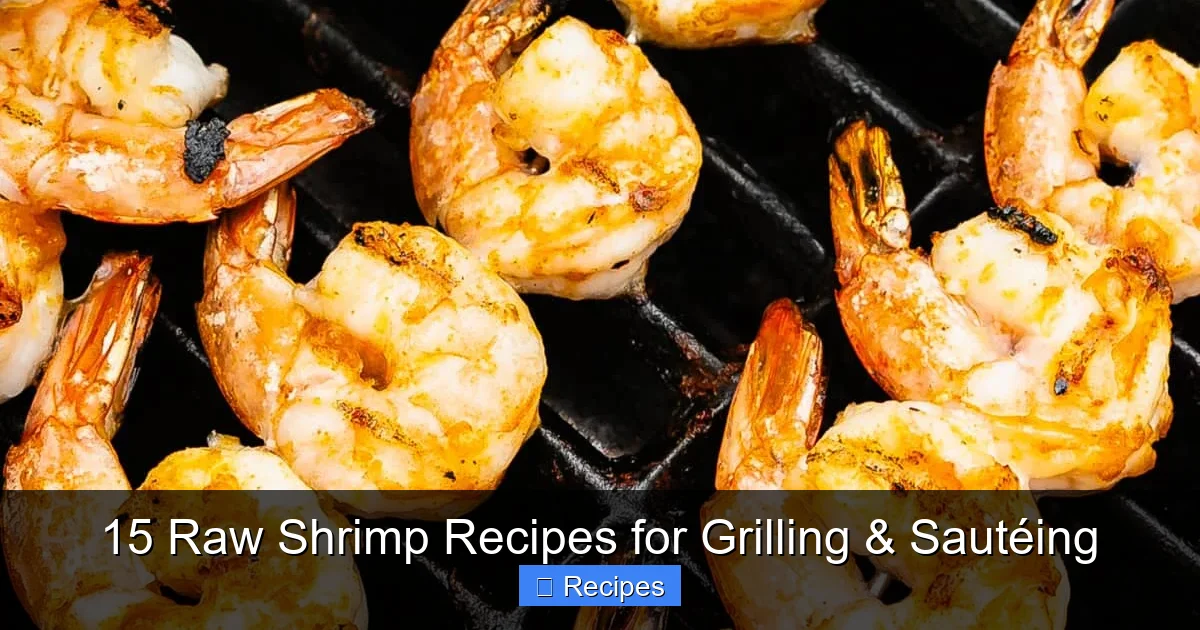
The grill is where shrimp truly shine, adding a smoky dimension that’s impossible to replicate indoors. The key is high heat and speed. Shrimp cook in mere minutes on the grill, so you must be ready.

Visual guide about 15 Raw Shrimp Recipes for Grilling & Sautéing
Image source: valentinascorner.com
Setting Up for Grill Success
Preheat your grill to medium-high (about 400-450°F). For charcoal, you want a solid bed of white-hot coals spread evenly. For gas, heat one side if you want a safety zone for flare-ups. Always clean and oil the grates thoroughly right before cooking—use a paper towel dipped in oil and tongs to rub it on the hot grates. This is the single most important step to prevent sticking.
Recipe 1: Classic Grilled Shrimp Skewers
This is the gateway recipe. Thread 4-6 large (16/20 count) peeled, deveined, and patted-dry shrimp onto metal or soaked wooden skewers. Brush with oil and season with salt, pepper, and garlic powder. Grill over direct heat for 2-3 minutes per side, until bright pink and lightly charred. Squeeze fresh lemon juice over the top just before serving. Pro Tip: Soak wooden skewers for at least 30 minutes to prevent burning.
Recipe 2: Smoky Chipotle-Lime Grilled Shrimp
For a bold, Southwestern kick, make a paste with 2 canned chipotle peppers in adobo (minced), 2 tbsp adobo sauce, 1 tbsp lime juice, 1 tbsp honey, and 2 tbsp oil. Toss with 1 lb of large, shell-on shrimp. Grill as above. The sugars in the honey help create a gorgeous glaze. Serve with extra lime wedges and a sprinkle of chopped cilantro.
Recipe 3: Grilled Shrimp with Herb Butter
After grilling your basic skewers (Recipe 1), immediately toss them in a pan off-heat with 3 tbsp of softened butter, 1 tbsp chopped fresh herbs (tarragon, parsley, chives), and a squeeze of lemon. The residual heat melts the butter into a luscious coating. This technique, called “finishing with butter,” adds richness and moisture.
Sautéing Secrets: Quick, Saucy, and Versatile
Sautéing is the workhorse method for raw shrimp recipes. It’s done entirely on the stovetop in a skillet, offering incredible control and the ability to build a sauce in the same pan. The goal is a quick sear followed by a brief simmer in a flavorful liquid.
Visual guide about 15 Raw Shrimp Recipes for Grilling & Sautéing
Image source: skinnytaste.com
Pan Choice & Heat Management
Use a heavy, reliable skillet—a 10-12 inch stainless steel or cast iron pan is ideal. Heat it over medium-high until a drop of water sizzles and evaporates instantly. Add your oil (just enough to coat the bottom), and when it shimmers, add the shrimp in a single layer. Do not touch them for 60-90 seconds to get a good sear. Then flip and cook for another 60-90 seconds. They should be about 80% cooked at this point.
Recipe 4: 5-Minute Garlic Butter Shrimp
The undisputed champion of quick meals. After searing the shrimp as above, remove them to a plate. Reduce heat to medium, add 4 tbsp butter, and 4-5 minced garlic cloves. Cook for 30 seconds until fragrant (don’t let it brown!). Add 1/4 cup white wine or lemon juice, scrape up any browned bits, and let reduce for 1 minute. Return shrimp to the pan, add 2 tbsp chopped parsley, and toss to coat. Serve immediately over pasta or crusty bread.
Recipe 5: Cajun Shrimp Sauté with Andouille
This is a hearty, one-pan meal. Slice 4 oz of andouille sausage and brown in the pan first. Remove and set aside. Add shrimp (seasoned with Cajun seasoning) to the rendered fat and sauté. Remove shrimp. Add 1 diced bell pepper, 1 diced onion, and 2 stalks chopped celery to the pan, cooking until soft. Add 1 cup chicken broth, 1 can diced tomatoes (with juice), and the sausage. Simmer for 5 minutes, then add shrimp back in to warm through. Serve over rice.
Recipe 6: Lemon-Caper Shrimp with White Wine
Elegant and bright. After searing shrimp, remove. Add 1/4 cup dry white wine, 2 tbsp capers, and the juice of 1/2 lemon to the pan. Simmer for 2 minutes to reduce slightly. Stir in 2 tbsp cold butter, one pat at a time, off the heat, until glossy. Return shrimp to the pan and toss. This is perfect served on a bed of sautéed spinach or over grilled chicken.
Global Flavor Tours: Shrimp Recipes from Around the World
Shrimp is a global citizen, absorbing and complementing flavors from every cuisine. These recipes prove it.
Recipe 7: Thai Coconut Curry Shrimp (Sauté)
This is a 15-minute flavor explosion. In your sauté pan after removing shrimp, cook 1 tbsp red curry paste in 1 tbsp oil for 1 minute. Add 1 can (13.5 oz) full-fat coconut milk and 1 tbsp fish sauce. Simmer for 3 minutes. Add a handful of snap peas or bamboo shoots and cook for 2 more minutes. Finally, add shrimp and 1 tsp lime zest, simmer for 1 minute to coat. Stir in a big handful of Thai basil or cilantro just before serving. Serve with jasmine rice.
Recipe 8: Spanish Garlic Shrimp (Gambas al Ajillo) – Sauté
Simple, stunning, and ready in 7 minutes. In a cold skillet, combine 1/4 cup olive oil, 8-10 thinly sliced garlic cloves, and 1 tsp smoked paprika. Turn heat to medium and cook, stirring, until garlic is fragrant and just starting to turn golden (about 2 minutes). Add 1 lb of large, peeled shrimp, a pinch of salt, and the juice of 1/2 lemon. Sauté, stirring, until shrimp are just cooked through, 3-4 minutes. Finish with 2 tbsp chopped flat-leaf parsley. Serve sizzling in the pan with crusty bread for dipping.
Recipe 9: Mediterranean Grilled Shrimp with Oregano & Lemon
Marinate 1 lb of large, shell-on shrimp for 15 minutes in 1/4 cup olive oil, 2 tbsp fresh lemon juice, 3 minced garlic cloves, 2 tbsp dried oregano, salt, and pepper. Grill as per the classic method. The dried oregano becomes wonderfully fragrant and charred on the grill. Serve with a Greek salad and warm pita.
Recipe 10: Japanese Miso-Glazed Grilled Shrimp
Whisk together 2 tbsp white miso paste, 1 tbsp mirin, 1 tbsp sake (or dry sherry), and 1 tsp sugar. Marinate peeled, large shrimp for 15-20 minutes. Grill on a clean, well-oiled grate over medium heat, watching closely as the sugar in the miso can cause flare-ups. The shrimp will develop a gorgeous, savory-sweet caramelized glaze. Garnish with toasted sesame seeds and scallions.
Perfect Pairings: What to Serve with Your Shrimp
Shrimp recipes are incredibly versatile. The pairing depends entirely on the cooking method and sauce.
For Grilled Shrimp
Think fresh and light to complement the smoke. A crisp, chilled rosé or a pilsner-style beer is a match made in heaven. On the side, serve a simple green salad with a lemony vinaigrette, grilled vegetables (zucchini, bell peppers, onions), corn on the cob, or a vibrant quinoa tabbouleh. For a heartier meal, pile grilled shrimp onto a bed of herbed rice or alongside grilled sausage.
For Sautéed Shrimp
Here, the sauce dictates the side. Garlic butter shrimp demands pasta (linguine or spaghetti) or crusty bread for dipping. Cajun shrimp calls for a bed of steamed white rice to soak up the spicy, tomatoey sauce. Thai curry shrimp is perfect over jasmine rice or even rice noodles. For a low-carb option, serve lemon-caper shrimp on a bed of zucchini noodles (“zoodles”) or sautéed spinach.
Don’t Forget the Bread!
Sopping up pan sauces is one of life’s great pleasures. Always have a good bread on hand. A baguette, focaccia, or even a simple stack of toast points elevates any shrimp dish from “dinner” to “feast.”
Pitfalls to Avoid & Pro Tips for Flawless Shrimp Every Time
Even with the best raw shrimp recipes, small mistakes can lead to big disappointments. Avoid these common traps.
The Overcooking Epidemic
This is the #1 sin. Shrimp go from perfect to tough in 30 seconds. They are done the moment they turn from translucent to opaque pink and form a loose “C” shape. A tight “O” shape means they are overcooked. When in doubt, take them off the heat a touch early, as residual heat will continue to cook them. For large shrimp, 2-3 minutes total on the grill and 3-4 minutes in a sauté pan is usually the sweet spot.
Crowding is the Enemy of Crispness
If you add too many shrimp to your pan or grill at once, they will release their liquid, steam, and boil in their own juices. You’ll end up with grey, soggy shrimp. Cook in batches if necessary. It’s better to have two perfect batches than one ruined batch.
Marinating in Acid for Too Long
Lemon juice, lime juice, and vinegar are fantastic for flavor, but prolonged exposure (more than 30 minutes) will start to “cook” the shrimp proteins, making them mushy and opaque before they even hit the heat. Always set a timer for marinating.
Using Frozen Shrimp Without Proper Thawing
If using frozen shrimp (which is often higher quality than “fresh” that’s been thawed for days), thaw them slowly in the refrigerator overnight. For a quick thaw, place them in a sealed bag and submerge in cold water for 15-20 minutes. Never thaw at room temperature. Once thawed, pat them extremely dry—frozen shrimp often hold more moisture.
Seasoning Only at the End
Sprinkling salt on cooked shrimp only seasons the surface. Season generously with salt and pepper before cooking, when the shrimp are dry. This allows the seasoning to adhere and penetrate slightly during cooking. You can always add a final pinch of flaky sea salt (like Maldon) at the table for texture.
Bonus Pro Tip: The Butterfly Cut for Even Cooking
For large shrimp, especially for grilling, a butterfly cut (splitting the shrimp open along the back but not all the way through) creates two flat halves. This increases surface area for beautiful char marks, ensures even cooking, and makes the shrimp look impressively large on the plate. Simply make a deeper cut along the deveined back and gently open it up like a book.
Wrapping It Up: Your Shrimp Journey Starts Now
You are now equipped with the knowledge, techniques, and 15 fantastic raw shrimp recipes to become a shrimp master in your own kitchen. Remember, the magic is in the details: dry shrimp, hot pans, and a watchful eye. Start with the simplest recipe—the 5-minute Garlic Butter Sauté—and build your way up to the more complex global flavors. Shrimp’s greatest strength is its flexibility; it’s just as suitable for a casual Tuesday night as it is for a sophisticated weekend dinner party.
So grab some fresh, high-quality shrimp, fire up the grill or heat that skillet, and get cooking. The journey from raw to remarkable is shorter than you think. With these recipes in your back pocket, you’ll never look at a bag of shrimp the same way again. Happy cooking!
Frequently Asked Questions
Can I use frozen shrimp for these recipes?
Yes, absolutely. Thaw them slowly in the refrigerator overnight or quickly in a sealed bag submerged in cold water for 15-20 minutes. Once thawed, pat them extremely dry with paper towels, as frozen shrimp often retain more surface moisture.
How can I tell when shrimp are perfectly cooked?
Shrimp are cooked the moment they turn opaque and pink, with a firm texture that springs back slightly when pressed. They will curl from a straight line into a loose “C” shape. A tight “O” shape indicates overcooking. They cook very fast—usually 2-3 minutes per side on the grill or 3-4 minutes total in a sauté pan.
Do I need to devein shrimp if I’m leaving the shell on for grilling?
Yes, you should devein even if grilling shell-on. The vein is the digestive tract and can be gritty. You can make a shallow cut along the back with a knife or use a dedicated shrimp deveiner to lift it out while leaving the shell intact. This improves both texture and appearance.
Why are my shrimp sticking to the grill or pan?
Sticking is almost always due to a dirty or insufficiently oiled cooking surface, or shrimp that isn’t pat completely dry. Always preheat and clean your grill grates or skillet, then oil them right before adding shrimp. Ensure your shrimp are 100% dry on the surface, as moisture causes them to steam and stick.
What’s the best oil to use for cooking shrimp?
Use an oil with a high smoke point for grilling and sautéing. Excellent choices include avocado oil, grapeseed oil, or refined olive oil. For finishing or in lower-heat sauté sauces (like garlic butter), extra virgin olive oil or butter are perfect.
Can I marinate shrimp overnight?
No, avoid long marinating times, especially with acidic ingredients (citrus, vinegar). The acid can break down the delicate shrimp proteins, making them mushy. For flavor without texture loss, limit marinating to 15-30 minutes in the refrigerator. For non-acidic dry rubs, you can season up to 1 hour ahead.
Pingback: Shrimp Cocktail Sauce - kitchenandhouseware.com