Forget everything you know about cold, mayo-heavy potato salad. Authentic German potato salad, or *Kartoffelsalat*, is a warm, tangy, and deeply savory dish built on a broth and vinegar dressing, crispy bacon, and fresh herbs. This guide explores 14 distinct regional recipes, revealing the core techniques that make it a beloved staple from beer gardens to Christmas markets across Germany.
There’s a certain magic that happens when a bowl of steaming, glistening potato salad hits the table at a German beer garden. It’s not the pale, mayonnaise-slathered version you might picture. No, this is Kartoffelsalat—a dish of profound depth, where tender cubes of potato are cloaked in a warm, glossy dressing that sings with vinegar, broth, and the smoky essence of bacon. It’s hearty, comforting, and utterly irresistible. But to call it just one recipe is a mistake. Germany is a patchwork of culinary traditions, and potato salad is one of its most deliciously varied canvases. From the creamy, broth-rich Swabian style to the sharp, punchy Berlin version, we’re diving into 14 authentic recipes that show you what true German potato salad is all about.
Key Takeaways
- It’s Served Warm: Unlike its American cousin, traditional German potato salad is served warm or at room temperature, allowing the potatoes to soak up the hot dressing for maximum flavor.
- The Dressing is Broth-Based: The signature tang comes from a combination of meat broth (often from the bacon) and vinegar, not mayonnaise. Mustard and onions are essential aromatics.
- Bacon is Non-Negotiable: Crispy, rendered bacon (or *Speck*) and its fat are fundamental. They provide the rich, smoky backbone for the dressing in nearly every regional variation.
- Potato Choice Matters: Waxy, firm potatoes (like German *Salatkartoffeln*, Yukon Gold, or red potatoes) are used. They hold their shape when cooked and tossed in the hot dressing.
- Regional Diversity is Huge: From the broth-heavy Swabian style to the vinegar-forward Lower Saxon version, “German potato salad” is an umbrella term for at least a dozen unique recipes.
- Make-Ahead Magic: It tastes even better after resting for a few hours or overnight, as the flavors meld. It’s a perfect picnic and potluck dish that travels well.
- It’s a Main Event: In Germany, this is often a substantial side dish for *Schnitzel*, *Bratwurst*, or *Eisbein* (pig’s knuckle), but it can easily be a light vegetarian main with a hardy bread.
[FEATURED_IMAGE_PLACEHOLDER]
📑 Table of Contents
- 1. Debunking the Myth: What *Is* Authentic German Potato Salad?
- 2. A Regional Tour: 14 Authentic Recipes
- 3. Mastering the Core Technique: Step-by-Step
- 4. The Essential Toolkit: Ingredients & Equipment
- 5. Serving & Pairing: The German Way
- 6. Troubleshooting & Pro Tips
- 7. Conclusion: More Than a Side, It’s a Story
1. Debunking the Myth: What *Is* Authentic German Potato Salad?
Before we embark on our regional tour, let’s clear the air. The biggest misconception is that German potato salad is defined by mayonnaise. In reality, the vast majority of traditional recipes from Germany itself are vinegar and broth-based. The creamy, cold, mayo-heavy version is largely an American or international adaptation, sometimes called “German-style” outside of Europe. The authentic heart of the dish lies in its warm preparation and its dressing, which is built in the pan after cooking the bacon.
The Holy Trinity: Potatoes, Bacon, and Dressing
Every single authentic recipe starts with these three pillars. The potatoes are almost always waxy varieties that boil firm. The bacon is typically cut into small cubes (Gewürfelter Speck) and fried until crispy. The magic happens next: you remove the bacon, leaving the fat, and use it to sauté onions. Then, you deglaze the pan with vinegar and splash in hot broth (often the potato cooking water, sometimes beef or chicken broth). This hot, bubbling liquid is what “cooks” the salad slightly and allows the potatoes to drink it up. Mustard, sugar, salt, and pepper finish the dressing. This technique creates a cohesive, warm, and deeply flavorful salad that is nothing like a cold potato and mayo mix.
2. A Regional Tour: 14 Authentic Recipes
Now, for the fun part. Here are 14 distinct recipes from across Germany, each with its own character but all adhering to the core principles above.
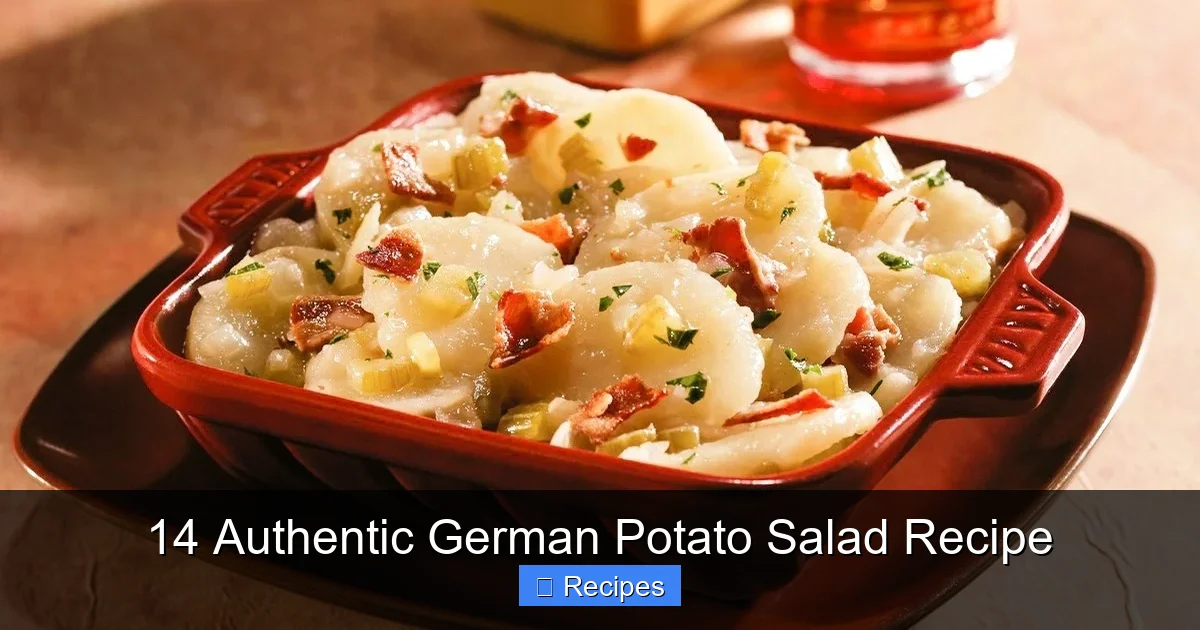
Visual guide about 14 Authentic German Potato Salad Recipe
Image source: fishandmeat.hk
Swabian Potato Salad (*Schwäbischer Kartoffelsalat*)
Hailing from Baden-Württemberg, this is perhaps the most famous style outside Germany. It’s unapologetically rich and brothy. The dressing uses a generous amount of the bacon fat, a good glug of white wine vinegar, and a full cup of hot potato broth or beef broth. It’s finished with a spoonful of sugar for balance, a heavy hand of mustard (often coarse), and plenty of fresh chives. The result is creamy, glossy, and deeply savory. Tip: For authenticity, use a pinch of Fischbrühe (fish broth) or a dash of Fischsoße (fish sauce) for an umami kick—a true Swabian secret.
Bavarian Potato Salad (*Bayerischer Kartoffelsalat*)
Its neighbor to the east has a similar but slightly distinct take. Bavarian salad often uses a touch more vinegar than Swabian and sometimes includes a splash of beer (*Bier*) in the dressing for maltiness. The onions are often sweated until very soft, almost melting into the dressing. It’s a perfect, robust companion to a big, pretzel-studded *Brettljause* (cold cut platter) or a smoky *Schweinshaxe* (pork knuckle).
Lower Saxon Potato Salad (*Norddeutscher Kartoffelsalat*)
From the flat, northern plains comes a brighter, sharper version. Here, the vinegar-forward dressing is king. Apple cider vinegar is common, and the broth amount is reduced, creating a tangier, less creamy salad. It often features finely diced pickles (*Gewürzgurken*) or even a bit of apple for sweetness and crunch. This is the style you’d likely find with *Labskaus* (a corned beef and beetroot mash).
Berlin Potato Salad (*Berliner Kartoffelsalat*)
True Berlin style is an exercise in bold, punchy flavors. It’s very vinegar-heavy, often using a mix of white and apple cider vinegar. The bacon is fried extra crispy, and the onions are finely chopped and added raw to the hot dressing for a sharp bite. A key differentiator is the frequent addition of a hard-boiled egg, chopped and stirred in at the end. It’s rustic, strong, and perfect with a simple grilled *Bockwurst*.
Rhenish Potato Salad (*Rheinischer Kartoffelsalat*)
Along the Rhine River, the salad takes on a slightly sweeter profile. This version often includes a spoonful of sugar and sometimes even a dash of cherry juice or red wine for color and fruitiness. The bacon is still central, but the overall effect is a bit more rounded and less aggressive than the northern styles. It’s a classic side for *Rheinischer Sauerbraten* (marinated beef roast).
Franconian Potato Salad (*Fränkischer Kartoffelsalat*)
In northern Bavaria, the salad becomes notably drier. The dressing is used more as a seasoning than a coating; the potatoes are gently folded with just enough hot broth-vinegar mix to flavor without making it soupy. It’s all about the texture of the potato cubes and the concentrated bacon-onion flavor. This style is a staple at the region’s famous Christmas markets.
Hessian Potato Salad (*Hessischer Kartoffelsalat*)
Similar to its Franconian neighbor but with a key twist: the inclusion of chopped, cooked apples or pears. This adds a lovely sweetness and soft texture that contrasts beautifully with the salty bacon and tangy dressing. It’s a fantastic autumn and winter variation.
Palatinate Potato Salad (*Pfälzer Kartoffelsalat*)
From the wine-growing region, this salad sometimes gets a splash of the local dry white wine (like *Riesling*) in the dressing. It’s lighter and more acidic, reflecting the local palate. You might also find finely diced radishes or spring onions added for freshness.
East Prussian Potato Salad (*Ostpreußischer Kartoffelsalat*)
This historic style is known for being exceptionally simple and frugal. The dressing is often just hot broth, vinegar, and a huge amount of fried bacon and onions. The focus is purely on the potato and bacon synergy, with minimal seasoning beyond salt and pepper. It’s the ultimate peasant food, deeply satisfying.
Saarland Potato Salad (*Saarländischer Kartoffelsalat*)
Influenced by French cuisine, this version sometimes includes a touch of cream or crème fraîche in the dressing, making it slightly richer and paler in color. It’s a hybrid that bridges the gap between the German broth style and a creamier texture.
Thuringian Potato Salad (*Thüringer Kartoffelsalat*)
Thuringia, famous for its sausages, makes a potato salad that is robust enough to stand beside them. The dressing is usually on the tangier side, and the salad is often allowed to cool completely and set, becoming almost like a potato salad “terrine” that can be sliced. It’s a fantastic make-ahead dish.
Mecklenburg Potato Salad (*Mecklenburgischer Kartoffelsalat*)
From the Baltic coast, this version frequently incorporates herring or pickled herring fillets (*Bismarckhering*) into the mix. The salty, briny fish elevates the dish to a main course, especially when served with boiled potatoes on the side. It’s a true coastal specialty.
Silesian Potato Salad (*Schlesischer Kartoffelsalat*)
This style from the historic region of Silesia (now partly in Poland) is known for its sweetness. A significant amount of sugar is added to the dressing, and it’s common to stir in a spoonful of plum jam (*Pflaumenmus*) or a few chopped prunes. It’s a unique sweet-and-savory profile that pairs wonderfully with roasted meats.
Modern Vegetarian & Vegan “Bacon” Versions
While pork bacon is traditional, modern kitchens adapt beautifully. For a vegetarian version, use smoked tempeh, seitan, or portobello mushrooms, fried until crispy in oil. Use a rich vegetable broth. The technique remains identical: fry the “bacon,” sauté onions in the fat, deglaze with vinegar and broth. You’ll lose some smoky fat but gain a delicious plant-based alternative that honors the method. For vegans, ensure your mustard and sugar are vegan-certified.
3. Mastering the Core Technique: Step-by-Step
Regardless of the regional twist, the fundamental method is the same. Nail this, and you can make any variation.
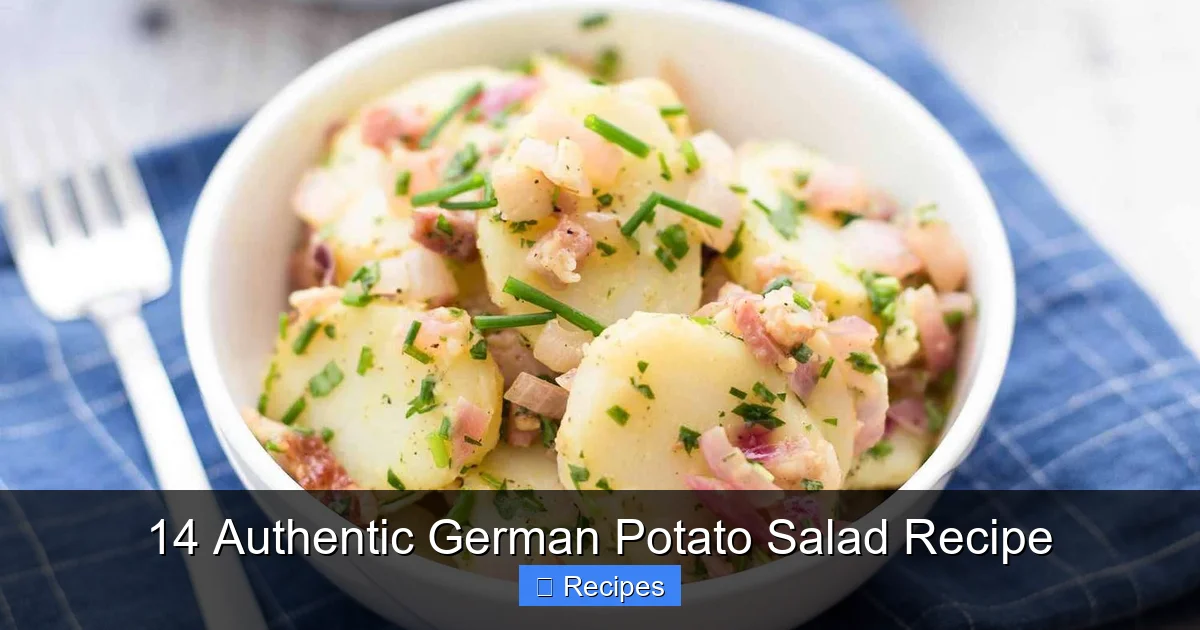
Visual guide about 14 Authentic German Potato Salad Recipe
Image source: thepawn.com.hk
Step 1: Choosing and Cooking Potatoes
Use 2 lbs (about 1 kg) of waxy potatoes. German *Salatkartoffeln* are ideal, but Yukon Gold or red-skinned potatoes work perfectly. Do not use russets; they’ll fall apart. Scrub them clean, but don’t peel unless the skins are very thick. Cut into uniform 1/2-inch cubes. Place in a pot, cover with cold, salted water, and bring to a boil. Reduce to a simmer and cook until just tender when pierced with a fork, about 10-15 minutes. Drain, but keep about 1 cup of the starchy cooking water—this is your secret broth. Let potatoes steam-dry for a few minutes in the colander.
Step 2: The Bacon and Onion Base
While potatoes cook, dice 8 oz (225g) of smoked bacon (*Frühstücksspeck* or slab bacon) into 1/4-inch pieces. In a large, deep skillet or Dutch oven, fry the bacon over medium heat until deeply golden and crispy, about 8-10 minutes. Use a slotted spoon to transfer the crispy bacon bits to a plate, leaving all the glorious fat in the pan. Add 2 large, finely chopped onions (yellow or sweet) to the fat. Cook gently, stirring, until softened and translucent, about 5-7 minutes. They should not brown aggressively.
Step 3: Building the Dressing
This is the critical moment. With the onions still in the pan, sprinkle in 2 tablespoons of sugar and let it caramelize slightly for 1 minute. Then, pour in 1/3 cup of white wine vinegar or apple cider vinegar. It will sizzle violently—this is good! Scrape the bottom of the pan to release any browned bits. Let it bubble for 30 seconds. Now, pour in 1 cup of the reserved hot potato broth or a combination of broth and water. Bring to a simmer and let it cook for 2 minutes. Turn off the heat. Stir in 2-3 tablespoons of coarse or Dijon mustard, and season generously with salt and black pepper. Taste and adjust: more vinegar for tang, more sugar for balance, more mustard for kick.
Step 4: Combining and Resting
Immediately add the hot, drained potato cubes and the reserved crispy bacon bits to the skillet with the hot dressing. Using a large spatula, gently fold everything together until the potatoes are well-coated. They will absorb the dressing like sponges. If the salad seems dry, add a splash more broth or water. Transfer to a large serving bowl or keep in the skillet. Let it rest, covered, for at least 15-30 minutes before serving. This allows the flavors to penetrate the potatoes. Serve warm or at room temperature, garnished with fresh chopped chives or parsley.
4. The Essential Toolkit: Ingredients & Equipment
To achieve authenticity, your ingredient choices matter. This isn’t a dish for fancy, obscure items, but for the right *kind* of common ones.

Visual guide about 14 Authentic German Potato Salad Recipe
Image source: thriftyveggiemama.com
Potatoes: The Firm Foundation
Seek out waxy potatoes. They have a lower starch content and a smooth, firm texture that holds up to boiling and tossing. In the US, look for “Yukon Gold,” “Red Bliss,” or “new potatoes.” In Europe, ask for “Salatkartoffeln” or “festkochende Kartoffeln.” Avoid starchy baking potatoes like Russets or King Edwards—they’ll turn to mush.
Bacon: The Flavor Engine
Use a good-quality, smoked, slab bacon (*Durchwurstspeck* or *Frühstücksspeck*). It should be meaty and fatty. Avoid pre-cooked, thin-sliced “bacon bits” or Canadian bacon. Dice it yourself from a slab for the best texture and rendering. If you can find it, German *Kassler* (smoked pork loin) diced small is a fantastic, leaner alternative.
Vinegar & Broth: The Dynamic Duo
For vinegar, use a clean, white wine vinegar for brightness or apple cider vinegar for a rounder, fruitier tang. Avoid harsh distilled white vinegar. For broth, the starchy potato cooking water is traditional and excellent. For extra depth, use a low-sodium store-bought beef or chicken broth, or even a cube dissolved in hot water. The broth provides body; the vinegar provides accent.
Mustard: The Secret Weapon
Coarse, whole-grain mustard (*Körner Senf*) or sharp Dijon is essential. It adds emulsifying power and a pungent, complex heat that cuts through the fat. Smooth, yellow American mustard is too mild and sweet for this application.
Equipment: Keep it Simple
A large pot for potatoes, a large, deep skillet or Dutch oven (this is your dressing-making pan—you’ll assemble the salad in it), a sharp knife, a slotted spoon, and a large wooden spoon or heatproof spatula for folding. No special gadgets needed.
5. Serving & Pairing: The German Way
How and what you serve potato salad with is as important as the recipe itself.
Temperature is Key
Serve it warm or at a cool room temperature. Never serve it ice-cold from the fridge, as this mutes the flavors and firms up the fat. If making ahead, let it come to room temp before serving. It can be served slightly warm straight from the pan after its 30-minute rest.
Classic Pairings
This is not a delicate side. It’s built for hearty, rich, or smoky mains.
- Grilled Sausages: *Bratwurst*, *Nuremberg Rostbratwurst*, or *Bockwurst* are its best friends.
- Schnitzel: A perfect counterpoint to a crispy *Wiener Schnitzel* or *Jägerschnitzel*.
- Eisbein or Schweinshaxe: The ultimate Oktoberfest combination. The salty, fatty pork knuckle and the tangy salad are a match made in heaven.
- Leberkäse: The baked meatloaf specialty of Bavaria is often served with a side of warm potato salad.
- As a Vegetarian Main: Pile it high on a plate with a simple green salad, a few slices of hearty rye bread (*Bauernbrot*), and maybe a soft-boiled egg on top.
Garnishes & Variations
Finish with a heavy sprinkle of fresh, chopped chives (*Schnittlauch*) or parsley. Some regions add sliced hard-boiled eggs. A few grinds of black pepper are mandatory. For a special touch, garnish with a few crispy bacon crumbles reserved from the top.
6. Troubleshooting & Pro Tips
Even a simple dish can go wrong. Here’s how to ensure success every time.
Problem: My potato salad is dry and bland.
Solution: You likely didn’t use enough dressing or your potatoes weren’t hot enough to absorb it. Ensure your dressing is simmering hot when you add the potatoes. Use the full amount of broth called for. Let it rest covered for the full time; the potatoes need to steam in the dressing.
Problem: My salad is mushy and falling apart.
Solution: You overcooked the potatoes or used the wrong type. Next time, use a waxy potato and set a timer. Test for doneness at the minimum time. Also, fold gently—don’t stir vigorously.
Problem: It’s too salty/sour/bitter.
Solution: Balance is key. If too salty, add a teaspoon of sugar or a splash more broth. If too sour, add more sugar and a touch more broth. If bitter from over-caramelized onions or burnt bacon, unfortunately, the batch is likely a loss—start over with a careful eye on the heat.
Pro Tip: The Overnight Rest
This salad is a champion of the make-ahead. The flavors deepen and mellow dramatically after 12-24 hours in the fridge. The potatoes firm up slightly and absorb the dressing completely. If making ahead, let it cool completely, then cover and refrigerate. Bring it out of the fridge an hour before serving to take the chill off.
Pro Tip: Double the Bacon
Don’t be shy. The bacon fat is liquid flavor. If your salad seems a bit lean, fry an extra 2-4 oz of bacon and stir the crispy bits in at the end for a textural and flavor boost.
7. Conclusion: More Than a Side, It’s a Story
Exploring German potato salad is like taking a culinary road trip through the country’s farms, forests, and cities. Each of these 14 recipes tells a story of local ingredients—the smoky bacon from the Black Forest, the crisp vinegar from the Rhine, the apples of Hesse, the herring of the Baltic coast. Yet they all share the same soul: a warm, hearty, and deeply satisfying union of simple ingredients transformed by a smart, hot-pan technique. So, the next time you think of potato salad, forget the mayo. Grab some waxy potatoes, a slab of smoky bacon, and a bottle of good vinegar. You’re not just making a side dish; you’re connecting with a centuries-old tradition that turns a humble tuber into something truly special. Prost und guten Appetit!
Frequently Asked Questions
Can I make German potato salad ahead of time?
Absolutely. In fact, it’s highly recommended. The salad tastes best after resting for several hours or overnight in the refrigerator, as the potatoes fully absorb the dressing. Let it come to room temperature before serving for the best texture and flavor.
What’s the main difference between German and American potato salad?
The fundamental difference is the dressing and serving temperature. Authentic German potato salad uses a warm, broth and vinegar-based dressing with bacon and is served warm or at room temperature. American potato salad is typically cold, made with mayonnaise, and often includes hard-boiled eggs and celery.
What kind of vinegar should I use?
White wine vinegar or apple cider vinegar are the most common and authentic choices. White wine vinegar provides a clean, sharp tang, while apple cider vinegar offers a slightly fruitier, rounder acidity. Avoid harsh distilled white vinegar.
Can I use any potato?
No, the potato choice is critical. You must use waxy, firm potatoes that hold their shape when boiled, like German Salatkartoffeln, Yukon Gold, or red-skinned potatoes. Starchy potatoes like Russets will disintegrate when mixed with the hot dressing.
Is there a vegetarian version that’s still authentic?
While bacon is traditional, you can create a delicious vegetarian version by substituting smoked tempeh, seitan, or portobello mushrooms, fried until crispy. Use a rich vegetable broth for the dressing. This honors the technique while making it plant-based, though it would be considered a modern adaptation rather than a historically “authentic” regional recipe.
How long does it keep in the fridge?
Stored in an airtight container, it will keep for 4-5 days in the refrigerator. The flavors will continue to meld. It is safe to eat cold from the fridge, but for optimal taste and texture, let it sit out for 30-60 minutes to lose its chill before serving.