Who says pasta can’t be healthy? This collection proves you can enjoy comforting, satisfying pasta dinners that are packed with nutrients. We focus on whole grains, lean proteins, and loads of vegetables, all tied together with smart, flavorful sauces. These recipes are designed for real life—easy to make, great for meal prep, and endlessly customizable to suit your taste. Get ready to reinvent your pasta night without any of the heaviness.
Key Takeaways
- Pasta can be a nutritious foundation: When paired with vegetables, lean proteins, and healthy fats, pasta becomes part of a balanced, energy-sustaining meal.
- Choose your pasta wisely: Opt for whole wheat, legume-based, or vegetable-infused pastas for more fiber and protein, or stick to traditional pasta and load up on add-ins.
- Sauce is the secret weapon: The healthiest sauces are vegetable-based, light cream sauces made with milk or cauliflower, or simple oil-and-garlic blends with tons of herbs.
- Load up on vegetables and protein: The key to a healthy pasta dish is making vegetables the star and adding a lean protein like chicken, shrimp, beans, or lentils for staying power.
- Control the cheese: Use strong-flavored cheeses like Parmesan or Pecorino sparingly for big impact, or try nutritional yeast for a dairy-free, cheesy flavor.
- Meal prep is easy: Most of these sauces and cooked components store beautifully, allowing you to assemble a fresh pasta dinner in minutes during the week.
- Customization is key: These recipes are templates. Swap proteins, use whatever veggies are in your fridge, and adjust seasonings to make them perfectly yours.
📑 Table of Contents
Why Healthy Pasta is Your New Weeknight Hero
Let’s clear the air right away: pasta isn’t the enemy. The beautiful, simple combination of pasta and sauce is one of the world’s great culinary comforts. The problem often lies in the execution—heavy, cream-laden sauces, oversized portions, and a lack of balancing nutrients. Healthy pasta recipes flip that script. They treat pasta as the canvas for a masterpiece of nutrition: fiber-rich whole grains, a rainbow of vegetables, and lean sources of protein. The result is a dinner that satisfies that carb craving without weighing you down, provides steady energy, and can easily fit into most dietary lifestyles. Whether you’re feeding a family, meal-prepping for the week, or just treating yourself, these dishes prove that “healthy” and “delicious” are not mutually exclusive. In this guide, we’ll walk through the principles of building a better pasta dish and then dive into 12 fantastic, dinner-ready recipes that will become staples in your rotation.
The Foundation: Choosing the Right Pasta and Building Balance
Before we get to the recipes, understanding the two core components—the pasta itself and the balance of the dish—will set you up for success every time. It’s not about rigid rules, but about making informed choices that boost nutrition and flavor.
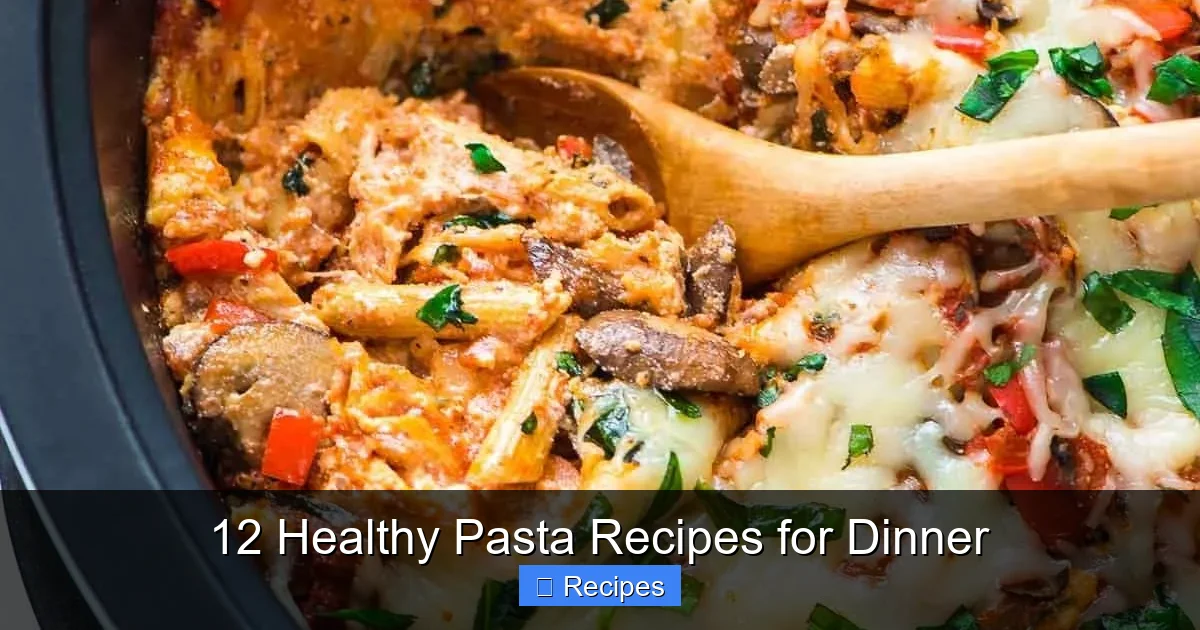
Visual guide about 12 Healthy Pasta Recipes for Dinner
Image source: wellplated.com
Pasta: Beyond White Flour
The pasta aisle is more exciting than ever. You don’t have to abandon classic spaghetti, but exploring alternatives can significantly up the nutritional ante.
- Whole Wheat Pasta: The most accessible swap. It has more fiber and protein than refined pasta, offering a nuttier flavor and chewier texture. It pairs exceptionally well with robust sauces like marinara or pesto.
- Legume-Based Pasta: Made from chickpeas, lentils, or black beans, these are protein and fiber powerhouses. They’re fantastic for gluten-free diets and have a mild flavor that soaks up sauces well. Cook them carefully to avoid mushiness.
- Vegetable-Infused Pasta: Spinach, tomato, or zucchini pastas add a subtle veggie flavor and a pop of color. They often have a similar nutritional profile to regular pasta but can be a fun visual twist.
- Classic Pasta (Durum Semolina): Don’t discount this! A traditional pasta made from quality durum wheat has a low glycemic index and a perfect al dente texture. The health game here is in portion control (about 2 oz dry per person) and what you mix it with.
Pro Tip: No matter which pasta you choose, cook it in well-salted boiling water until just al dente. It will finish cooking in the hot sauce, and that slight resistance is key to a perfect, non-mushy dish.
The Formula for a Balanced Bowl
A truly healthy pasta dish follows a simple visual formula when you plate it: 1 part pasta, 2 parts vegetables, 1 part protein. This automatically creates a nutrient-dense, satisfying meal without excessive carbs.
- Vegetables are Non-Negotiable: Aim to incorporate at least 2 cups of veggies per serving. This can be in the sauce itself (like a roasted red pepper sauce), sautéed and stirred in (spinach, mushrooms, zucchini), or served as a raw garnish (cherry tomatoes, arugula). They add volume, fiber, vitamins, and color.
- Lean Protein for Fullness: Protein slows digestion, keeping you full longer. Think grilled chicken breast, shrimp, lean turkey sausage, white beans, chickpeas, lentils, or even crumbled tofu. A serving is about 3-4 ounces of meat or ½ cup of beans.
- Healthy Fats for Flavor: A drizzle of extra virgin olive oil, a handful of nuts or seeds (pine nuts, walnuts), or half an avocado adds richness and helps your body absorb fat-soluble vitamins from the veggies.
- Smart Cheese Usage: Cheese is great for flavor, but it can add up quickly. Use a small amount of a strongly flavored cheese like Parmesan, Pecorino Romano, or feta to go a long way. For a dairy-free option, try a sprinkle of nutritional yeast.
12 Healthy Pasta Recipes for Dinner
Now for the fun part! These recipes are organized by their primary vegetable or protein focus. Each one serves 4, takes 30 minutes or less (except noted), and is designed with the balance formula in mind. We’ll start with veggie-loaded dishes.
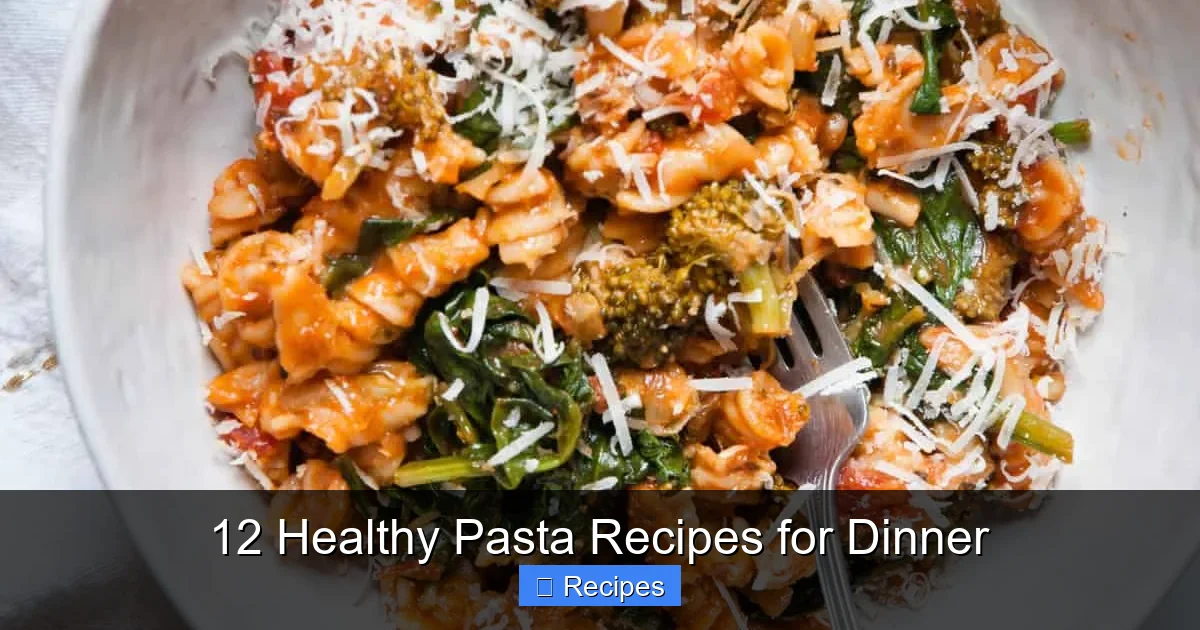
Visual guide about 12 Healthy Pasta Recipes for Dinner
Image source: erinliveswhole.com
1. Creamy Avocado & Spinach Pasta with Cherry Tomatoes
This is a genius, no-cook sauce that feels indulgent but is packed with healthy fats and greens. The avocado creates an unbelievably silky texture without any cream.
Ingredients:
- 12 oz whole wheat or chickpea pasta (fusilli or penne)
- 2 ripe avocados, pitted and scooped
- 2 cups fresh baby spinach, packed
- 1 cup cherry tomatoes, halved
- 3 cloves garlic, minced
- Juice of 1 lemon
- ¼ cup extra virgin olive oil
- ½ cup fresh basil, chopped
- Salt and pepper to taste
- Red pepper flakes (optional)
Instructions:
- Cook pasta according to package directions. In the last minute of cooking, add the spinach to the pot to wilt. Reserve 1 cup pasta water before draining.
- While pasta cooks, combine avocado, garlic, lemon juice, olive oil, and half the basil in a food processor. Blend until completely smooth, adding reserved pasta water a splash at a time to reach desired consistency.
- In a large bowl, toss the drained pasta/spinach with the avocado sauce, cherry tomatoes, and remaining basil. Season generously with salt and pepper. Add more pasta water if it seems dry.
- Serve immediately, topped with red pepper flakes if desired.
Chef’s Tip: This sauce is best served fresh. If you need to prep ahead, make the sauce and store it with lemon juice (to prevent browning) in the fridge, then toss with hot pasta and spinach right before serving.
2. Spicy Garlic Shrimp & Broccoli Rabe with Linguine
A 20-minute flavor bomb. The broccoli rabe (or broccoli) adds a slightly bitter, hearty green that balances the spicy, garlicky shrimp perfectly.
Ingredients:
- 12 oz linguine
- 1 lb large shrimp, peeled and deveined
- 1 large bunch broccoli rabe, trimmed and chopped (or 4 cups broccoli florets)
- 6 cloves garlic, thinly sliced
- ½ tsp red pepper flakes (adjust to taste)
- ¼ cup white wine or vegetable broth
- Zest of 1 lemon
- 2 tbsp olive oil
- Salt and pepper
Instructions:
- Cook pasta. In the last 3 minutes of cooking, add the chopped broccoli rabe to the pasta water to blanch. Drain together, reserving 1 cup pasta water.
- Meanwhile, heat olive oil in a large skillet over medium-high heat. Pat shrimp dry, season with salt and pepper, and cook for 1-2 minutes per side until pink. Remove to a plate.
- In the same skillet, add garlic and red pepper flakes. Cook for 30 seconds until fragrant (don’t burn!). Add white wine, scraping up any bits.
- Add the drained pasta and broccoli rabe to the skillet. Toss to coat. Add lemon zest and the shrimp back in. Toss everything together, adding reserved pasta water as needed to create a silky sauce. Season to taste.
Meal Prep Note: Cook the pasta and shrimp separately. Store in containers. At lunchtime, quickly reheat the shrimp and toss everything together with a splash of water or broth.
3. Roasted Red Pepper & Walnut Pesto with Whole Wheat Penne
A vibrant, sweet, and earthy pesto that uses jarred roasted red peppers for speed. The walnuts add healthy fats and a wonderful texture.
Ingredients:
- 12 oz whole wheat penne
- 1 jar (12 oz) roasted red peppers, drained
- 1 cup walnuts, toasted
- 2 cloves garlic
- ¼ cup fresh parsley
- 2 tbsp nutritional yeast or grated Parmesan
- 3 tbsp olive oil
- Salt and pepper
- 2 cups baby arugula
Instructions:
- Cook pasta. Reserve 1 cup pasta water.
- Make pesto: In a food processor, combine roasted peppers, walnuts, garlic, parsley, and nutritional yeast. Pulse until chunky. With processor running, stream in olive oil until smooth. Season with salt and pepper.
- Toss hot pasta with pesto, adding pasta water to loosen. Stir in arugula until just wilted. Serve immediately.
Flavor Boost: Add a squeeze of lemon juice or a pinch of smoked paprika to the pesto for a different dimension.
4. Turkey Bolognese with Zucchini “Noodles”
This is a leaner take on the Italian classic, using ground turkey and sneaking in extra veggies. Serve it over a bed of sautéed zucchini noodles for a lower-carb option, or with whole wheat spaghetti for a more traditional feel.
Ingredients:
- 1 lb lean ground turkey (93/7)
- 1 onion, finely diced
- 2 carrots, finely diced
- 2 celery stalks, finely diced
- 4 cloves garlic, minced
- 1 (28 oz) can crushed tomatoes
- 2 tbsp tomato paste
- 1 tsp dried oregano
- 1 tsp dried basil
- ½ cup low-sodium chicken broth
- Salt and pepper
- 3 medium zucchinis, spiralized (or 12 oz whole wheat spaghetti)
- 1 tbsp olive oil
Instructions:
- Heat olive oil in a large pot over medium heat. Add onion, carrot, and celery; cook 5-7 minutes until softened.
- Add garlic and ground turkey. Cook, breaking up meat, until turkey is no longer pink.
- Stir in tomato paste, oregano, and basil; cook 1 minute. Add crushed tomatoes and broth. Bring to a simmer, then reduce heat to low. Cover and cook for at least 20 minutes, stirring occasionally (longer is better, up to 1 hour). Season with salt and pepper.
- If using zucchini noodles, sauté them in a separate pan with a tsp of oil for 2-3 minutes until just tender. If using whole wheat pasta, cook according to package.
- Serve Bolognese over your chosen “noodles.” Top with a sprinkle of Parmesan if desired.
Make-Ahead Magic: This Bolognese freezes incredibly well. Make a double batch and freeze portions for an instant future dinner.
5. Lemon Herb Chickpea Pasta with Asparagus
A bright, fresh, and protein-packed dish that comes together in the time it takes to boil water. The chickpeas get crispy in the pan, adding fantastic texture.
Ingredients:
- 12 oz short pasta (orzo, ditalini, chickpea pasta)
- 1 (15 oz) can chickpeas, rinsed and drained
- 1 bunch asparagus, trimmed and cut into 1-inch pieces
- Zest and juice of 1 lemon
- 3 cloves garlic, minced
- ¼ cup fresh dill, chopped
- ¼ cup fresh parsley, chopped
- 3 tbsp olive oil
- Salt and pepper
Instructions:
- Cook pasta. In the last 4 minutes of cooking, add asparagus pieces to the pasta water to blanch. Drain together, reserving 1 cup pasta water.
- While pasta cooks, heat 2 tbsp olive oil in a skillet over medium-high heat. Add chickpeas, season with salt and pepper, and cook 5-7 minutes until lightly browned and crispy. Remove half for garnish.
- In the same skillet, reduce heat to medium. Add remaining 1 tbsp oil, garlic, and lemon zest. Cook 30 seconds until fragrant.
- Add the drained pasta/asparagus and chickpeas back to the skillet. Toss to coat. Stir in lemon juice, dill, and parsley. Add pasta water as needed to create a light coating. Season with salt and pepper.
- Serve topped with the reserved crispy chickpeas and an extra drizzle of olive oil.
Vegetable Swap: Asparagus can be swapped for green beans, peas, or even chopped broccoli.
6. Puttanesca with White Beans and Olives
A classic, bold, and briny sauce that requires no cooking (except for the pasta). It’s a pantry-staple dream that comes together in minutes. The white beans add creaminess and plant-based protein.
Ingredients:
- 12 oz spaghetti or linguine
- 1 (15 oz) can white beans (cannellini or Great Northern), rinsed
- 1 (14 oz) can diced tomatoes, undrained
- ½ cup pitted Kalamata olives, halved
- 3 cloves garlic, minced
- 2 tbsp capers, rinsed
- ½ tsp red pepper flakes
- ¼ cup fresh parsley, chopped
- 3 tbsp olive oil
- Salt to taste (olives and capers are salty, so taste first!)
Instructions:
- Cook pasta according to package.
- While pasta cooks, combine all remaining ingredients (tomatoes, beans, olives, garlic, capers, pepper flakes, parsley, olive oil) in a large serving bowl. Season with a tiny pinch of salt if needed.
- When pasta is done, reserve 1 cup pasta water. Drain pasta and immediately toss it with the raw puttanesca mixture. The heat from the pasta will warm the sauce slightly and meld the flavors.
- If it seems dry, add reserved pasta water a few tablespoons at a time until silky. Serve immediately.
No-Cook Shortcut: This sauce can be made a day ahead and stored in the fridge. Toss with hot pasta at dinner for an even more flavorful, chilled sauce.
7. Chicken & Vegetable “Pasta” with Cauliflower Alfredo
Here’s the ultimate creamy comfort food makeover. A sauce made from blended cauliflower and low-fat milk mimics Alfredo with a fraction of the calories and fat.
Ingredients:
- 1 large head cauliflower, cut into florets (about 4 cups)
- 1 cup low-fat milk or unsweetened almond milk
- 2 cloves garlic
- ½ cup low-sodium chicken broth
- 1 tbsp nutritional yeast
- 1 lb boneless, skinless chicken breast, cut into bite-sized pieces
- 1 bell pepper (any color), sliced
- 1 cup sliced mushrooms
- 2 cups baby spinach
- 1 tbsp olive oil
- Salt and pepper
Instructions:
- Steam cauliflower florets until very tender, about 10 minutes. Meanwhile, season chicken with salt and pepper.
- Heat olive oil in a large skillet over medium-high heat. Cook chicken pieces until browned and cooked through. Remove to a plate.
- In the same skillet, add bell pepper and mushrooms; cook 5 minutes until softened. Add spinach and cook until wilted. Return chicken to skillet.
- Transfer steamed cauliflower to a blender. Add garlic, milk, broth, and nutritional yeast. Blend until completely smooth and creamy.
- Pour the cauliflower sauce into the skillet with the chicken and vegetables. Stir to combine and heat through. Season with salt and pepper.
- Serve over 12 oz of cooked whole wheat pasta or 4 cups of steamed cauliflower rice for a fully low-carb option.
Texture Tip: For an ultra-smooth sauce, pass the blended cauliflower through a fine-mesh sieve before adding it to the skillet.
8. Mediterranean Quinoa Pasta Salad with Lemon-Tahini Dressing
This isn’t a hot dish, but a fantastic, protein-packed cold pasta salad perfect for a warm evening or meal prep. Quinoa pasta adds extra protein and a nice bite.
Ingredients:
- 12 oz quinoa or whole wheat pasta (fusilli, rotini)
- 1 (15 oz) can chickpeas, rinsed
- 1 cup diced cucumber
- 1 cup halved cherry tomatoes
- ½ cup chopped Kalamata olives
- ¼ cup finely diced red onion
- ½ cup crumbled feta cheese (optional)
- Dressing:
- ¼ cup tahini
- ¼ cup lemon juice
- 3 tbsp water
- 1 clove garlic, minced
- 1 tbsp olive oil
- 1 tsp maple syrup or honey
- Salt and pepper
Instructions:
- Cook pasta according to package. Drain, rinse with cold water, and let cool completely.
- In a large bowl, combine cooled pasta, chickpeas, cucumber, tomatoes, olives, red onion, and feta (if using).
- Make dressing: Whisk tahini, lemon juice, water, garlic, olive oil, and maple syrup in a small bowl until smooth. It may seize up at first; keep whisking. Season with salt and pepper.
- Pour dressing over the pasta salad and toss thoroughly to coat. Let sit for 30 minutes before serving for flavors to meld.
Make-Ahead: This salad tastes even better the next day. Store in an airtight container for up to 4 days.
9. Spicy Sausage & Lentil Pasta with Fennel
Italian sausage adds tons of flavor with minimal effort. We use just a little bit of spicy chicken sausage and bulk it up with earthy lentils and sweet roasted fennel.
Ingredients:
- 12 oz whole wheat rigatoni or penne
- 1 lb spicy chicken sausage (links or casings removed)
- 1 large fennel bulb, cored and sliced thin
- 1 (14 oz) can brown or green lentils, rinsed and drained
- 1 (14 oz) can diced tomatoes
- 2 cloves garlic, minced
- 1 tsp dried fennel seeds (optional, for extra flavor)
- ½ cup low-sodium chicken broth
- 2 tbsp olive oil
- Fresh parsley for garnish
Instructions:
- Preheat oven to 400°F. Toss sliced fennel with 1 tbsp olive oil, salt, and pepper on a baking sheet. Roast for 20-25 minutes until caramelized and tender.
- Cook pasta.
- While fennel roasts and pasta cooks, heat 1 tbsp olive oil in a large pot or Dutch oven over medium heat. Add sausage and cook, breaking it up, until browned.
- Add garlic and fennel seeds (if using); cook 1 minute. Stir in lentils, diced tomatoes (with juices), and chicken broth. Bring to a simmer, reduce heat, and let it bubble for 10-15 minutes to thicken slightly. Stir in the roasted fennel.
- Toss sauce with drained pasta. Garnish with fresh parsley.
Flavor Note: If you can’t find spicy sausage, use sweet Italian sausage and add an extra pinch of red pepper flakes to the pot.
10. Garlic Butter Mushroom & Spinach Pasta with White Beans
A deeply savory, umami-packed dish that feels luxurious but is incredibly simple. The combination of mushrooms and white beans is unmatched.
Ingredients:
- 12 oz pasta (soba noodles, udon, or whole wheat spaghetti)
- 1 lb mixed mushrooms (cremini, shiitake), sliced
- 4 cloves garlic, minced
- 1 (15 oz) can cannellini beans, rinsed
- 4 cups fresh spinach
- ¼ cup unsalted butter
- Zest of 1 lemon
- 2 tbsp fresh thyme leaves (or 1 tsp dried)
- Salt and pepper
- Parmesan cheese for serving (optional)
Instructions:
- Cook pasta. Reserve 1 cup pasta water.
- Melt butter in a large skillet over medium-high heat. Add mushrooms and cook without stirring for 3-4 minutes to get a good sear. Stir and cook until all liquid evaporates and mushrooms are golden brown, about 8-10 minutes total.
- Add garlic and thyme; cook 1 minute until fragrant. Stir in white beans and cook for 2 minutes.
- Add spinach and toss until just wilted. Add lemon zest.
- Add drained pasta to the skillet. Toss everything together, adding reserved pasta water as needed to create a glossy sauce. Season generously with salt and pepper.
- Serve with a grind of black pepper and Parmesan if using.
Umami Boost: Add 1 tbsp of low-sodium soy sauce or a teaspoon of miso paste with the garlic for an incredible depth of flavor.
11. Thai-Inspired Peanut Noodle Bowl with Shredded Chicken
Think of this as a deconstructed, healthier pad Thai. The sauce is a balance of sweet, salty, sour, and spicy, and it clings beautifully to noodles and veggies.
Ingredients:
- 12 oz brown rice noodles or whole wheat spaghetti
- 2 cups shredded rotisserie chicken (or cook 2 chicken breasts)
- 2 cups shredded purple cabbage
- 1 red bell pepper, julienned
- 1 carrot, julienned
- ½ cup chopped peanuts
- 2 green onions, sliced
- Sauce:
- ¼ cup natural peanut butter (or almond butter)
- 3 tbsp lime juice
- 2 tbsp low-sodium soy sauce or tamari
- 1 tbsp honey or maple syrup
- 1 tbsp grated ginger
- 1 clove garlic, minced
- 1 tsp sriracha (or to taste)
- 3-4 tbsp warm water
Instructions:
- Cook noodles according to package. Drain and rinse with cold water.
- Make sauce: In a bowl, whisk together peanut butter, lime juice, soy sauce, honey, ginger, garlic, and sriracha. Whisk in warm water, a tablespoon at a time, until the sauce is smooth and pourable.
- In a large bowl, combine cooled noodles, shredded chicken, cabbage, bell pepper, and carrot. Pour sauce over and toss to combine thoroughly.
- Divide into bowls and top with chopped peanuts and green onions.
Make it Vegan: Swap the chicken for baked tofu or a can of drained and rinsed edamame. Ensure your soy sauce is vegan (tamari is a safe bet).
12. Simple Tomato-Basil Pasta with White Beans and Fried Eggs
This is the ultimate 15-minute, pantry-to-table dinner. It’s essentially a deconstructed Shakshuka on pasta. The fried egg on top makes it a complete, luxurious meal.
Ingredients:
- 12 oz spaghetti or bucatini
- 1 (28 oz) can whole peeled San Marzano tomatoes, crushed by hand
- 3 cloves garlic, thinly sliced
- 1 (15 oz) can cannellini beans, rinsed
- 1 tsp dried oregano
- ¼ cup fresh basil, torn
- 4 large eggs
- 2 tbsp olive oil, divided
- Salt and pepper
Instructions:
- Cook pasta.
- While pasta cooks, heat 1 tbsp olive oil in a large skillet over medium heat. Add garlic slices and cook until just golden, about 1 minute. Add crushed tomatoes (with juices), beans, oregano, salt, and pepper. Simmer for 10 minutes, stirring occasionally. Stir in fresh basil.
- In a separate non-stick skillet, heat the remaining 1 tbsp olive oil over medium heat. Fry eggs to your desired doneness (sunny-side up is classic).
- Toss drained pasta with the tomato-bean sauce. Divide among bowls. Top each serving with a fried egg. Season the egg with a pinch of salt and pepper.
Protean Punch: For extra protein, cook a few slices of turkey bacon or Canadian bacon and crumble it on top with the egg.
Mastering Meal Prep and Storage
One of the greatest advantages of these healthy pasta recipes is their meal-prep friendliness. Smart planning means you can cook once and eat healthy dinners all week.
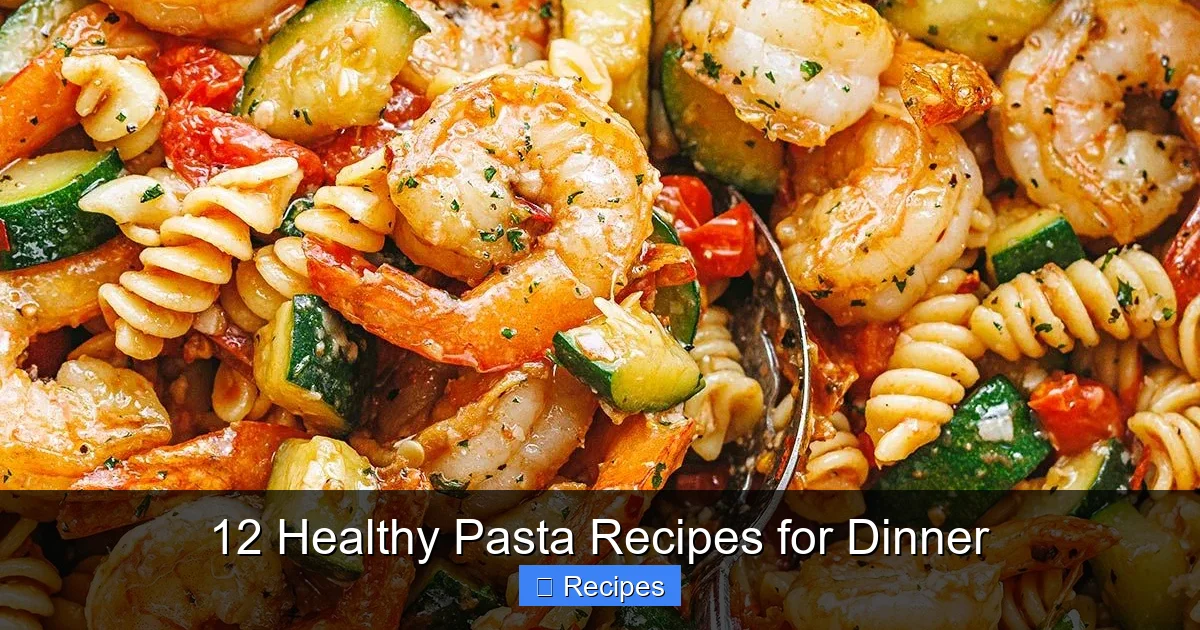
Visual guide about 12 Healthy Pasta Recipes for Dinner
Image source: i.pinimg.com
What to Prep Ahead
- Sauces (Most): Almost all the sauces from the recipes above (Bolognese, pesto, tomato-based, cauliflower Alfredo) can be made 3-4 days ahead and stored in airtight containers in the fridge. They often taste better the next day as flavors meld.
- Cooked Proteins: Grill or bake chicken breasts, cook shrimp, or brown sausage in bulk. Store in portioned containers.
- Vegetable Components: Roast a big tray of mixed vegetables (broccoli, peppers, onions, zucchini) to add to any pasta. Sautéed mushrooms or spinach also store well.
- Grain or Legume Bases: Cook a big batch of quinoa, farro, or lentils to mix into sauces for extra bulk and protein.
Assembly Line Strategy
On your prep day, store components separately:
- Container 1: Cooked pasta (toss with a tiny bit of oil to prevent sticking) or raw zucchini noodles.
- Container 2: Sauce.
- Container 3: Cooked protein.
- Container 4: Sautéed/roasted vegetables.
- Container 5: Toppings (nuts, cheese, fresh herbs).
To serve, simply reheat the sauce and protein in a pan, add the pasta and vegetables, toss to coat, and finish with fresh toppings. This method keeps everything from getting soggy and ensures a fresh, restaurant-quality bowl every time.
Conclusion: Your Healthy Pasta Journey Starts Now
These 12 recipes are your toolkit for transforming pasta night from a potential diet derailment into a cornerstone of your healthy eating plan. Remember the core principles: choose whole grains when you can, pack in the vegetables, balance with lean protein, and create sauces that highlight whole foods instead of masking them with cream. The beauty of pasta is its versatility—it’s a blank slate for whatever fresh, nutritious ingredients you have on hand. Don’t be afraid to experiment, swap out proteins based on what’s on sale, and use the “1 part pasta, 2 parts veg, 1 part protein” rule as your guide. Cooking and eating this way isn’t about restriction; it’s about abundance, flavor, and feeling great after your meal. So grab your pot, your favorite vegetables, and get cooking. Your future self—the one who just enjoyed a delicious, satisfying, and truly healthy dinner—will thank you.
Frequently Asked Questions
Can I use gluten-free pasta in these recipes?
Absolutely! All these recipes work perfectly with gluten-free pasta made from rice, corn, quinoa, or legumes. Just be mindful that some gluten-free pastas (especially rice-based) can become mushy more easily, so cook them to just al dente and serve immediately for best texture.
How do I meal prep pasta so it doesn’t get soggy or stick together?
Cook the pasta to just al dente, drain it, and toss it with 1-2 teaspoons of olive oil. Store it in an airtight container separately from wet sauces. When ready to eat, reheat the pasta and sauce together in a skillet with a splash of water, broth, or more olive oil to rehydrate and prevent sticking.
What’s a good plant-based protein to add to these pasta dishes?
Excellent options include canned chickpeas or white beans (rinsed), lentils, edamame, tofu cubes (baked or pan-fried), tempeh, or a plant-based ground “meat.” For a quick boost, stir in a scoop of cooked quinoa or a handful of nuts like walnuts or almonds.
How can I make my pasta sauce creamier without using heavy cream?
There are several fantastic methods: blend soaked raw cashews with water, use blended cauliflower or white beans, stir in a spoonful of plain Greek yogurt or cottage cheese (add off-heat to prevent curdling), or use silken tofu. These add creaminess with protein and fewer calories.
Is it okay to use jarred pasta sauce for a healthy meal?
Yes, if you read the label carefully. Look for sauces with no added sugar, low sodium, and a short ingredient list (tomatoes, garlic, onions, herbs, olive oil). To boost its nutrition, always add extra vegetables (sautéed spinach, mushrooms, peppers) and a lean protein to the jarred sauce before serving.
How much pasta is considered a healthy serving?
A standard serving of dry pasta is about 2 ounces (56g), which yields roughly 1 cup cooked. For most adults, a balanced dinner would include 2-2.5 ounces of dry pasta per person, loaded with at least 1.5-2 cups of vegetables and a good source of protein. Using a smaller plate can help with visual portion control.