Losing weight doesn’t mean boring dinners. This guide provides 12 truly delicious, balanced recipes packed with protein and fiber to keep you full. Each meal is simple to make, under 500 calories, and designed to crush cravings without deprivation. Learn the core principles of building weight-loss-friendly meals and get inspired to cook your way to your goals with flavor and ease.
Let’s be honest: the word “diet” often conjures images of sad, flavorless lettuce leaves and a gnawing sense of hunger. But what if your dinner was the best part of your day? A vibrant, sizzling plate of food that not only tastes incredible but actively supports your weight loss goals? That’s not a fantasy—it’s the reality of cooking with intention. This collection of 12 healthy dinner recipes for weight loss is built on a simple, sustainable philosophy: eat more of the good stuff. We’re talking lean proteins that build muscle and boost metabolism, piles of colorful vegetables that fill you up with fiber and nutrients, and smart doses of healthy fats that satisfy. No complicated techniques, no rare ingredients, just real food cooked in delicious ways that prove you can lose weight without ever feeling restricted. Get ready to fall in love with dinner all over again.
Key Takeaways
- Balance is Non-Negotiable: Every successful weight-loss dinner combines lean protein, fiber-rich vegetables, and healthy fats for maximum satiety and nutrition.
- Flavor is Your Secret Weapon: Using herbs, spices, citrus, and aromatics creates satisfying meals that prevent feelings of deprivation and reduce cravings for less healthy options.
- Prep is the Ultimate Hack: Spending 60-90 minutes on weekly meal prep (chopping veggies, cooking proteins, making sauces) makes healthy dinners effortless during busy weeknights.
- Portion Awareness Matters: Even healthy foods have calories. Using measuring cups or a food scale initially helps you learn proper serving sizes for components like grains, nuts, and oils.
- Cook Once, Eat Twice: Intentionally making extra servings of soups, chilis, and roasted proteins provides built-in, healthy lunches for the next day, saving time and ensuring consistency.
- Customize to Your Taste: These templates are meant to be adapted. Swap proteins, change veggies based on what’s fresh, and adjust seasonings to create endless variety from a few core concepts.
📑 Table of Contents
- The Winning Formula: What Makes a Dinner “Weight-Loss Friendly”?
- Lean & Mean: Protein-Packed Powerhouses (Under 450 Calories)
- Veggie-Centric Marvels: Plants as the Main Event (Under 400 Calories)
- One-Pot Wonders: Minimal Cleanup, Maximum Flavor (Under 500 Calories)
- Plant-Based Power: Meatless Meals That Satisfy (Under 450 Calories)
- Light & Fresh: No-Cook and 20-Minute Marvels (Under 400 Calories)
- How to Make These Recipes Work For YOU: The Sustainability Blueprint
- Conclusion: Dinnertime is Your Ally
The Winning Formula: What Makes a Dinner “Weight-Loss Friendly”?
Before we dive into the recipes, understanding the “why” behind them is crucial. You can apply this framework to any meal, forever. A truly supportive weight-loss dinner follows a simple visual plate model and a few key principles.
The ½ Plate Veggies, ¼ Plate Protein, ¼ Plate Smart Carb Rule
Start by visualizing your dinner plate. Fill half of it with non-starchy vegetables—think broccoli, spinach, peppers, zucchini, asparagus, and salads. These are low in calories but high in volume and fiber, physically crowding out less healthy options and keeping you full. Next, dedicate a quarter of your plate to a lean protein source like chicken breast, fish, tofu, lentils, or eggs. Protein is the most satiating macronutrient; it digests slowly and helps preserve muscle mass during weight loss, which is critical for maintaining a healthy metabolism. The final quarter is for a “smart carb”—a complex carbohydrate like quinoa, sweet potato, brown rice, or beans. These provide sustained energy and additional fiber. Finally, add a thumb-sized portion of healthy fats from sources like avocado, olive oil, nuts, or seeds. This combo stabilizes blood sugar, preventing the crashes that lead to snacking.
Flavor Without the Calories
The biggest trap in “healthy” eating is bland food. Boredom leads to quitting. Our weapon? The vast world of herbs, spices, acids, and aromatics. Fresh garlic, ginger, cilantro, and basil; ground spices like cumin, paprika, chili powder, and turmeric; bright accents from lemon or lime juice and vinegar—these add layers of taste with virtually no calories. We’ll use them generously.
Cook Smart, Not Hard
Efficiency is key. Techniques like sheet-pan roasting (everything cooks together with minimal cleanup), one-pot soups/chilis, and quick stir-fries get dinner on the table in under 30 minutes. We prioritize recipes that are realistic for a Tuesday night, not just a Sunday.
Lean & Mean: Protein-Packed Powerhouses (Under 450 Calories)
These recipes center on a star protein, prepared in a way that maximizes flavor and moisture. They are the anchors of your meal plan.
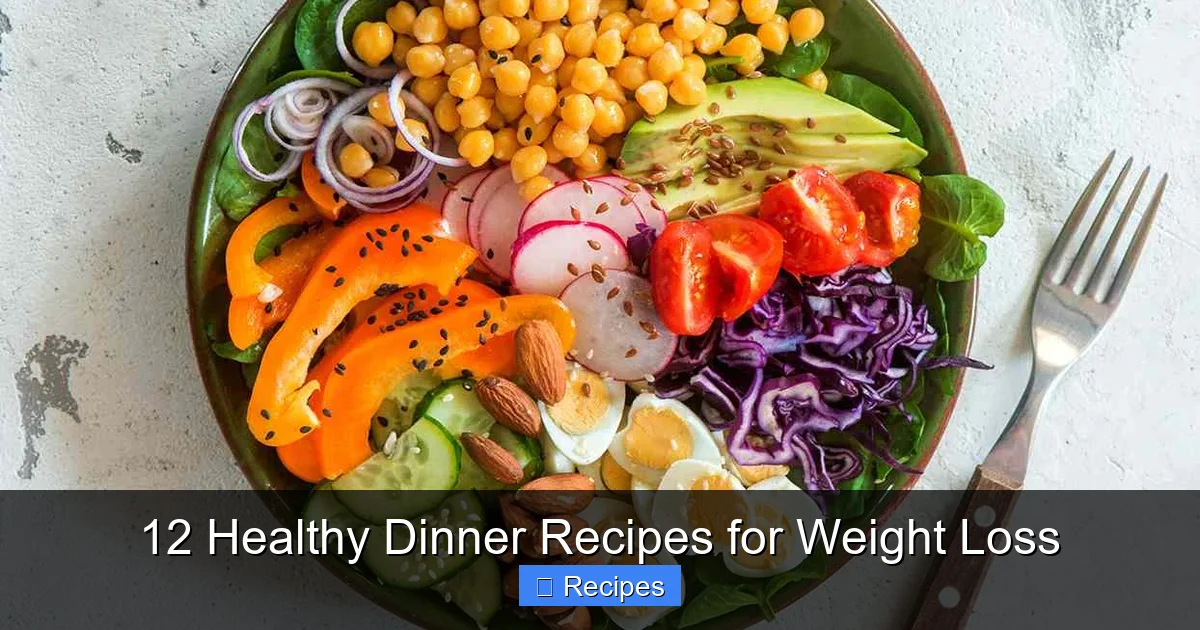
Visual guide about 12 Healthy Dinner Recipes for Weight Loss
Image source: static.onecms.io
1. Lemon-Herb Baked Salmon with Roasted Asparagus
Salmon is a weight-loss superhero: rich in protein and omega-3 fatty acids, which reduce inflammation. Baking it in a parchment packet (“en papillote”) steams it perfectly, keeping it juicy and infusing it with lemon and herbs.
Ingredients: 1 salmon fillet (6oz), 1 bunch asparagus, 1 lemon (sliced), 2 tbsp chopped fresh dill, 1 minced garlic clove, 1 tsp olive oil, salt & pepper.
Method: Preheat oven to 400°F. Toss asparagus with oil, salt, pepper, and half the garlic. Place on a parchment-lined baking sheet. Place salmon on top of asparagus. Drizzle with remaining garlic, sprinkle with dill and lemon slices. Fold parchment to seal. Bake for 12-15 minutes until salmon flakes. Serve directly from the packet.
Weight Loss Tip: The parchment packet method requires zero added cooking fat. The lemon and herbs provide all the flavor. Serve with a small side of quinoa (¼ cup dry) to complete the plate.
2. Spicy Black Bean & Chicken Chili
A one-pot wonder that’s filling, freezer-friendly, and packed with fiber and protein. The beans and chicken make it incredibly satisfying, while the spices boost metabolism slightly.
Ingredients: 1 lb boneless, skinless chicken breast (diced), 1 can (15oz) black beans (rinsed), 1 can (14.5oz) diced tomatoes (no salt added), 1 cup chicken broth, 1 diced onion, 1 diced bell pepper, 2 minced garlic cloves, 1 tbsp chili powder, 1 tsp cumin, 1 tsp smoked paprika, 1 tbsp olive oil.
Method: Heat oil in a large pot. Sauté onion and bell pepper until soft. Add garlic and spices, cook 1 minute. Add chicken and cook until no longer pink. Stir in beans, tomatoes, and broth. Bring to a simmer, reduce heat, cover, and cook for 20-25 minutes. Adjust seasoning.
Weight Loss Tip: This chili is a complete meal on its own (veggies, protein, complex carb from beans). For a lower-calorie version, skip any cheese or sour cream topping and use a dollop of plain Greek yogurt and fresh cilantro instead.
3. Ginger-Scallion Turkey Lettuce Wraps
Using large lettuce leaves (like romaine or butter lettuce) as a “wrap” eliminates the calories and carbs of a tortilla while adding crunch and freshness. The savory, umami-packed turkey mixture is incredibly flavorful.
Ingredients: 1 lb lean ground turkey, 2 tbsp soy sauce (or tamari), 1 tbsp grated fresh ginger, 3 chopped scallions (white and green parts separated), 1 minced garlic clove, 1 cup finely diced mushrooms, 1 cup shredded carrots, 1 tbsp hoisin sauce (optional), large lettuce leaves for serving.
Method: Heat a large skillet over medium-high heat. Add turkey and cook, breaking it up, until browned. Add garlic, ginger, and scallion whites; cook 1 minute. Add mushrooms and carrots; cook until softened. Stir in soy sauce and hoisin (if using). Simmer for 2-3 minutes. Stir in most of the green scallion parts. Serve mixture in lettuce leaves, garnished with remaining green scallions.
Weight Loss Tip: The lettuce provides volume with almost zero calories. Ensure you’re using a lean (93/7 or 99/1) ground turkey to keep the saturated fat low. The mushrooms and carrots add bulk and nutrients for very few calories.
Veggie-Centric Marvels: Plants as the Main Event (Under 400 Calories)
These dishes put vegetables front and center, using them to create hearty, meaty textures and deep flavors. They are incredibly low in calorie density, meaning you can eat a large, satisfying portion.
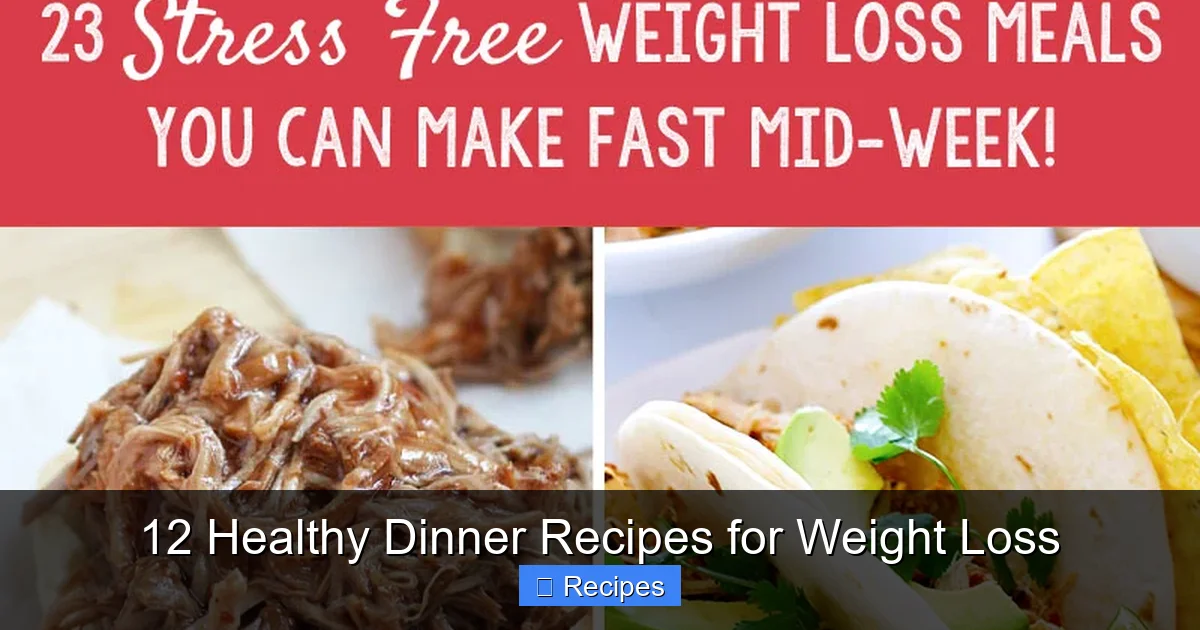
Visual guide about 12 Healthy Dinner Recipes for Weight Loss
Image source: trimmedandtoned.com
4. Creamy Cauliflower & Chickpea Rice Bowl
This is a masterclass in vegetable transformation. Cauliflower is pulsed into “rice” and sautéed with spices, while chickpeas provide protein and fiber. A touch of tahini and lemon creates a “creamy” sauce without dairy.
Ingredients: 1 large head cauliflower (cut into florets), 1 can (15oz) chickpeas (rinsed, patted dry), 1 tsp each ground cumin and coriander, 1/2 tsp turmeric, 1 tbsp olive oil, juice of 1 lemon, 2 tbsp tahini, salt & pepper, fresh parsley for garnish.
Method: Pulse cauliflower in a food processor until rice-like. Heat ½ tbsp oil in a large skillet. Add chickpeas and spices, cook 5 minutes until slightly crispy. Remove and set aside. In the same pan, heat remaining oil, add cauliflower rice, and sauté for 5-7 minutes until tender and slightly browned. Return chickpeas to pan. Whisk lemon juice and tahini with 2 tbsp water until smooth. Stir into the cauliflower mixture until coated. Season and serve, garnished with parsley.
Weight Loss Tip: Cauliflower rice has about 1/4 the calories of white rice. The tahini-lemon sauce adds richness without dairy. This bowl is naturally gluten-free and vegan.
5. Zucchini Noodle (Zoodle) Bolognese
Spiralized zucchini noodles (“zoodles”) replace traditional pasta, slashing carbs and calories while adding a serving of vegetables. A rich, slow-simmered meat sauce makes it feel indulgent.
Ingredients: 1 lb lean ground beef or turkey, 1 diced onion, 3 minced garlic cloves, 1 carrot (finely grated), 1 celery stalk (finely diced), 1 can (28oz) crushed tomatoes (no salt added), 1 tbsp tomato paste, 1 tsp dried oregano, 1/2 tsp red pepper flakes (optional), 2 tbsp fresh basil, 3-4 medium zucchinis (spiralized), salt & pepper.
Method: Sauté onion, carrot, and celery in a large pot until soft. Add garlic and meat; cook until browned. Stir in tomato paste, oregano, and pepper flakes; cook 1 minute. Add crushed tomatoes and simmer for 20-25 minutes. Stir in basil. In a separate pan, quickly sauté zoodles in a little olive oil for 1-2 minutes just until tender (don’t overcook!). Divide zoodles among bowls, top generously with Bolognese sauce.
Weight Loss Tip: Sautéing the zoodles briefly is key—it removes excess water and gives a better texture than eating them raw. Using lean ground meat (93/7) keeps the sauce lean. You can make a huge batch of sauce and freeze it for future ultra-fast meals.
6. Rainbow Buddha Bowl with Peanut-Lime Dressing
A beautiful, customizable bowl where you control the portions. The magic is in the homemade dressing—it’s tangy, savory, and slightly sweet with no refined sugar.
Base Bowl: 1 cup cooked quinoa or brown rice, 1 cup roasted sweet potato cubes, 1 cup raw or roasted broccoli florets, ½ cup shredded red cabbage, ½ cup edamame (shelled), ¼ avocado (sliced), 2-3 oz cooked chicken or tofu (optional).
Dressing: 3 tbsp natural peanut butter (or almond butter), juice of 1 lime, 1 tbsp soy sauce/tamari, 1 minced garlic clove, 1 tsp grated ginger, 1-2 tbsp water to thin.
Method: Roast sweet potato at 400°F for 20 minutes with a spray of oil. Steam broccoli for 5 minutes if not roasting. Whisk all dressing ingredients until smooth. Assemble bowls with quinoa, sweet potato, broccoli, cabbage, edamame, protein, and avocado. Drizzle generously with dressing.
Weight Loss Tip: The peanut-lime dressing is the flavor star. Use it sparingly (about 1-2 tbsp per bowl) as it is calorie-dense. The combination of complex carbs (quinoa), protein (edamame/chicken), and healthy fats (avocado, peanut butter) creates perfect balance.
One-Pot Wonders: Minimal Cleanup, Maximum Flavor (Under 500 Calories)
These are the ultimate weeknight saviors. Everything cooks in a single pot or pan, meaning less time on dishes and more time enjoying your meal.
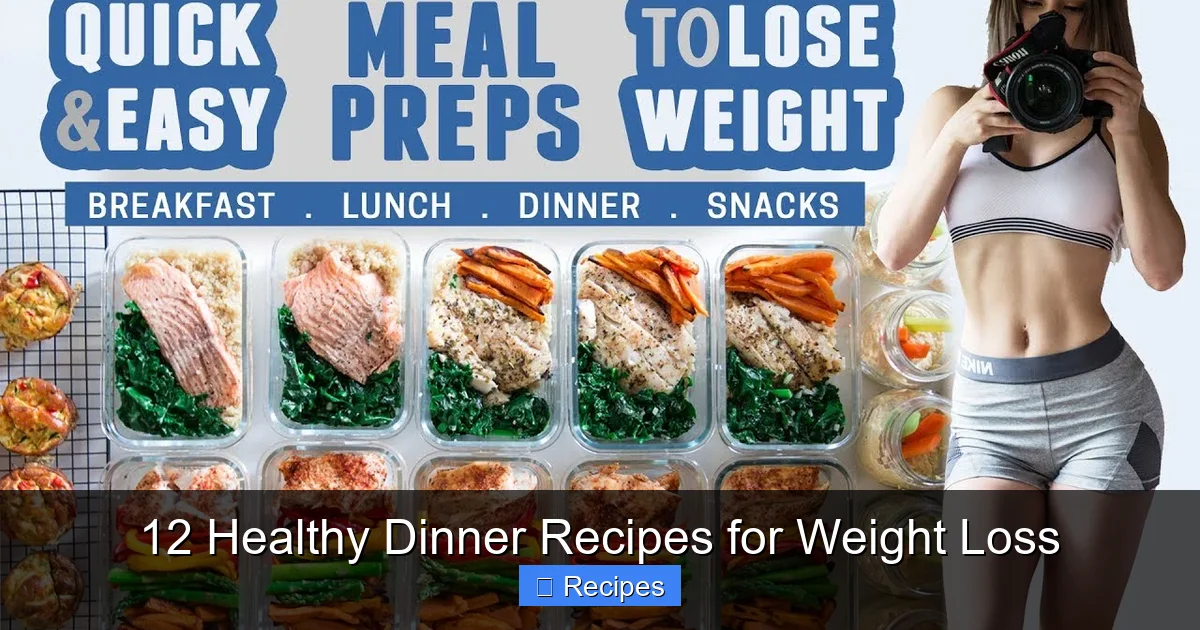
Visual guide about 12 Healthy Dinner Recipes for Weight Loss
Image source: i.ytimg.com
7. Mediterranean Chickpea & Spinach Stew (Shakshuka-Style)
Eggs poached in a spiced tomato and chickpea sauce make for a protein-rich, deeply flavorful dinner that comes together in 20 minutes. It’s vegetarian, satisfying, and feels luxurious.
Ingredients: 1 tbsp olive oil, 1 diced onion, 1 diced bell pepper (any color), 3 minced garlic cloves, 1 tsp ground cumin, 1 tsp smoked paprika, 1 can (14.5oz) diced tomatoes, 1 can (15oz) chickpeas (rinsed), 2 cups fresh spinach, 4 eggs, salt & pepper, fresh parsley or cilantro for garnish.
Method: Heat oil in a large, deep skillet or Dutch oven. Sauté onion and bell pepper until soft. Add garlic, cumin, and paprika; cook 1 minute. Stir in tomatoes and chickpeas; bring to a simmer. Cook for 5 minutes until slightly thickened. Add spinach and stir until wilted. Create 4 small wells in the sauce and crack an egg into each. Cover the pan and cook for 5-7 minutes until eggs are set to your liking. Garnish and serve directly from the skillet with a side of whole-wheat pita or a small piece of crusty bread for dipping.
Weight Loss Tip: Poaching the eggs in the sauce means no added cooking fat. The eggs provide high-quality protein. The chickpeas and spinach add fiber. This is a nutrient-dense, calorie-conscious meal. Skip the bread or keep it to a small 1-oz portion.
8. Lightened-Up Chicken & Vegetable Curry
Using light coconut milk (or a mix of coconut milk and broth) drastically reduces the calories of traditional curry while keeping the creamy texture and rich flavor. Load up on vegetables to bulk it up.
Ingredients: 1 lb chicken breast (cubed), 1 tbsp red or yellow curry paste, 1 can (13.5oz) light coconut milk, 1 cup low-sodium chicken broth, 2 cups mixed veggies (bell peppers, snap peas, carrots), 1 cup chopped cauliflower, 1 tbsp fish sauce (or soy sauce), juice of 1 lime, fresh basil leaves, 1 tbsp olive oil.
Method: Heat oil in a pot or Dutch oven. Add chicken and cook until browned. Remove and set aside. In the same pot, add curry paste and cook for 1 minute. Stir in coconut milk and broth, whisking to combine. Add all vegetables. Bring to a simmer, cover, and cook for 8-10 minutes until veggies are tender-crisp. Return chicken to pot. Stir in fish sauce and lime juice. Simmer 2 more minutes. Stir in fresh basil.
Weight Loss Tip: The light coconut milk saves hundreds of calories. The huge volume of vegetables makes this dish very low in calorie density. Serve over a small bed of cauliflower rice instead of white rice to cut carbs and calories further.
Plant-Based Power: Meatless Meals That Satisfy (Under 450 Calories)
You don’t need meat to have a protein-packed, satisfying dinner. These vegetarian recipes use legumes, tofu, and eggs to create complete meals that are kind to your waistline and the planet.
9. Lentil & Vegetable Shepherd’s Pie
A comforting classic made healthy. Lentils replace ground beef, providing protein and fiber with a meaty texture. The mashed cauliflower topping adds creaminess with a fraction of the calories of mashed potatoes.
Filling: 1 cup brown or green lentils (cooked), 1 diced onion, 2 diced carrots, 2 diced celery stalks, 2 minced garlic cloves, 1 cup frozen peas, 1 cup beef or vegetable broth (low-sodium), 1 tbsp tomato paste, 1 tsp Worcestershire sauce, 1 tsp dried thyme, 1 tbsp olive oil.
Topping: 1 large head cauliflower (cut into florets), 1 clove garlic, 2 tbsp plain Greek yogurt or low-fat milk, salt & pepper.
Method: Steam or boil cauliflower until very tender. Drain well. Mash with garlic, yogurt, salt, and pepper until smooth. Preheat oven to 375°F. Heat oil in a skillet. Sauté onion, carrot, celery until soft. Add garlic, cook 1 minute. Stir in cooked lentils, tomato paste, Worcestershire, thyme, and broth. Simmer 10 minutes until thickened. Stir in peas. Transfer mixture to a baking dish. Spread cauliflower mash over top. Bake for 20-25 minutes until golden and bubbling.
Weight Loss Tip: This is a perfect example of volume eating—a huge, comforting portion for relatively few calories because the base is vegetables and lentils. The Greek yogurt in the topping adds protein without the fat of butter or cream.
10. Tofu & Broccoli “Stir-Fry” with Cauliflower Rice
A classic takeout dish made healthy at home. Firm tofu is baked until crispy, eliminating the need for deep-frying. A simple, savory sauce coats the tofu and broccoli, served over low-calorie cauliflower rice.
Ingredients: 1 block (14-16oz) extra-firm tofu (pressed & cubed), 1 tbsp cornstarch, 1 tbsp soy sauce, 4 cups broccoli florets, 2 minced garlic cloves, 1 tbsp grated ginger, 3 tbsp low-sodium soy sauce, 1 tbsp rice vinegar, 1 tsp honey or maple syrup (optional), 1 tsp sesame oil, 1 head cauliflower (riced), 1 tsp sesame seeds for garnish.
Method: Preheat oven to 400°F. Toss tofu cubes with cornstarch and 1 tbsp soy sauce. Spread on a parchment-lined baking sheet and bake for 20-25 minutes until golden and crispy. Meanwhile, steam broccoli for 4-5 minutes until bright green and tender-crisp. In a small bowl, whisk together soy sauce, vinegar, honey, and ginger. Heat a large non-stick skillet over medium-high. Add a splash of water or broth, then add broccoli and garlic. Stir-fry for 1 minute. Add the sauce and simmer for 1 minute. Add the baked crispy tofu and sesame oil; toss to coat. Serve immediately over cauliflower rice, sprinkled with sesame seeds.
Weight Loss Tip: Baking the tofu instead of frying saves significant oil and calories. The cornstarch coating helps it get crispy. Cauliflower rice is the ultimate low-carb, low-calorie swap. Control the sauce—the soy sauce provides saltiness, so you don’t need much.
Light & Fresh: No-Cook and 20-Minute Marvels (Under 400 Calories)
When the thought of cooking feels like too much, these no-cook or lightning-fast recipes save the day. They rely on fresh ingredients and bright, bold flavors.
11. No-Cook Mason Jar Salads with Lemon-Tahini Dressing
Mason jar salads are the ultimate grab-and-go healthy dinner. Layering ingredients prevents sogginess. The creamy, tangy tahini dressing is a game-changer.
Jar Layering (from bottom to top): 2 tbsp Lemon-Tahini Dressing (recipe below), 1 cup chopped romaine or kale (massaged if kale), ½ cup cooked quinoa or chickpeas, ½ cup chopped cucumber, ½ cup cherry tomatoes, ¼ cup shredded carrots, 2 oz grilled chicken or shrimp (optional), 1 tbsp sunflower seeds or slivered almonds.
Dressing: 3 tbsp tahini, juice of 1 lemon, 1 minced garlic clove, 1 tsp maple syrup or honey, salt & pepper, water to thin (2-4 tbsp).
Method: Whisk dressing ingredients until smooth. Pour 2 tbsp into the bottom of a wide-mouth mason jar. Layer ingredients in the order listed, packing them gently but firmly. Seal and refrigerate. When ready to eat, shake vigorously to distribute the dressing and mix everything together.
Weight Loss Tip: Portion control is built into the jar. The tahini dressing is nutrient-dense but calorie-dense; stick to the 2-tbsp serving. Using a vinegar-based dressing initially helps preserve the crispness of the veggies.
12. 15-Minute Garlic Shrimp & Zucchini Noodles
This is the fastest recipe on the list, coming together in the time it takes to spiralize the zucchini. Shrimp cooks in minutes, and a garlicky white wine sauce adds tons of flavor without heaviness.
Ingredients: 1 lb large shrimp (peeled, deveined), 3 medium zucchinis (spiralized), 4 minced garlic cloves, 1/4 cup dry white wine or chicken broth, juice of 1/2 lemon, 1 tbsp olive oil, 1/4 tsp red pepper flakes, 2 tbsp chopped fresh parsley, salt & pepper.
Method: Heat oil in a large skillet over medium-high. Add garlic and red pepper flakes; cook 30 seconds until fragrant (don’t let it burn!). Add shrimp in a single layer. Cook 1-2 minutes per side until pink and opaque. Remove shrimp to a plate. Pour in wine/broth and lemon juice, scraping up any browned bits. Add zucchini noodles and toss for 1-2 minutes until just tender. Return shrimp to pan. Add parsley, toss everything together, and season with salt and pepper. Serve immediately.
Weight Loss Tip: Zucchini noodles have about 30 calories per cup versus 200 for pasta. The shrimp is pure protein. This dish is essentially a low-calorie, low-carb flavor bomb. Ensure you don’t overcook the zoodles—they should be al dente.
How to Make These Recipes Work For YOU: The Sustainability Blueprint
Knowing *how* to cook is only half the battle. The other half is building systems so healthy eating becomes your default, not a constant struggle.
Master the Art of Meal Prep (Your Future Self Will Thank You)
Dedicate 60-90 minutes on a Sunday. Here’s a winning strategy: Roast a large sheet pan of mixed vegetables (bell peppers, onions, broccoli, asparagus). Cook a big batch of a smart carb like quinoa or brown rice. Grill or bake several chicken breasts or a flank steak. Hard-boil a dozen eggs. Store each component separately in airtight containers. During the week, you can assemble a Buddha bowl, a salad, or a stir-fry in under 10 minutes because the work is already done. The 12 healthy dinner recipes for weight loss in this guide are all prep-friendly. Soups, chilis, and sauces taste even better on day two.
Listen to Your Body: The “Stop When 80% Full” Rule
Portion sizes in recipes are guides, not dictators. The goal is to eat until you are no longer hungry, not until you are stuffed. It takes about 20 minutes for your brain to register fullness from your stomach. Practice putting your fork down between bites and checking in. If you’re still hungry 20 minutes after your first serving, have a little more of the vegetable component. This mindful approach prevents overeating even the healthiest foods.
Flavor First, Always
If your meal is boring, you will eventually rebel. Don’t be afraid of spices. Keep a well-stocked spice rack. Use fresh herbs when you can. A squeeze of citrus at the end of cooking elevates everything. A splash of vinegar (balsamic, apple cider, rice wine) can brighten a heavy dish. Investing in a good quality olive oil and a few finishing salts (like Maldon) makes a huge difference. Delicious food is sustainable food.
Conclusion: Dinnertime is Your Ally
Transforming your dinner routine is one of the most powerful steps you can take for sustainable weight loss and overall health. These 12 healthy dinner recipes for weight loss are more than just meals; they are a new toolkit. They teach you how to build a balanced plate, how to maximize flavor without excess calories, and how to work smarter in the kitchen. Start by trying two or three that excite you most. Master them. Then, use the formulas—the ½-¼-¼ plate rule, the protein-veggie-smart carb combo—to create your own variations based on what’s in season and on sale. Remember, the goal isn’t perfection. It’s about making consistently better choices that you enjoy. A vibrant, nourishing, and delicious dinner every night isn’t a sacrifice—it’s a celebration of taking care of yourself. Now, go chop those vegetables and fire up that pan. Your best, most satisfying dinner is waiting.
Frequently Asked Questions
Can I still eat carbs for dinner if I’m trying to lose weight?
Absolutely. The key is choosing the right *type* and *amount* of carbs. Focus on complex carbohydrates like quinoa, sweet potatoes, brown rice, oats, or beans. These are high in fiber, which slows digestion and keeps you full. Pair them with plenty of protein and vegetables. A small, controlled portion (about 1/4 of your plate) of these healthy carbs is not only fine but beneficial for energy and nutrient intake.
How do I prevent dinner from being boring on a weight loss plan?
Boredom comes from a lack of flavor and variety. Combat it by: 1) Using a wide array of herbs, spices, and citrus, 2) Trying new vegetables each week, 3) Rotating your protein sources (fish, chicken, tofu, lentils, eggs), and 4) Making your own sauces and dressings (like the peanut-lime or lemon-tahini in this guide). Experiment with global cuisines like Mexican, Thai, or Mediterranean, which naturally use lots of vegetables and spices.
Is it better to eat dinner earlier or later for weight loss?
For most people, eating dinner earlier (at least 2-3 hours before bedtime) is beneficial. It gives your body time to digest before you sleep, which can improve sleep quality and align better with your body’s natural circadian rhythm. Late-night eating is often mindless and can lead to poorer food choices. However, the most important factor is your total daily calorie and nutrient intake. If a later dinner works for your schedule, just ensure it’s balanced and not too close to bed.
Are these recipes high in protein? How much protein should I aim for at dinner?
Yes, these recipes are specifically designed to be good sources of protein, which is crucial for satiety and muscle maintenance during weight loss. A general guideline is to aim for 20-30 grams of protein at your main meals, including dinner. The salmon, chicken chili, turkey wraps, and shrimp recipes in this guide all hit or exceed that target. Plant-based options like the chickpea stew and lentil shepherd’s pie also provide significant protein from legumes.
What if I’m not a great cook? Are these recipes too complicated?
Not at all. These recipes were chosen for their simplicity. Most require basic techniques like chopping, sautéing, baking, or boiling. They use common ingredients and have clear, step-by-step instructions. Start with the “Light & Fresh” section (the 15-minute shrimp or no-cook salad) to build confidence. The one-pot chili and sheet-pan salmon are also extremely forgiving and hard to mess up. Remember, cooking is a skill that improves with practice.
Should I count calories for these dinner recipes?
Initially, tracking can be a valuable educational tool to understand portion sizes and calorie content of different foods. It helps you learn the “budget” you have for dinner. However, long-term, the goal is to move away from strict counting and toward intuitive eating using the plate method and portion awareness. If you follow the ½-¼-¼ rule with whole foods, you will naturally control calories without needing an app. Use tracking as a temporary guide, not a permanent crutch.