Storing food without a refrigerator is not only possible but can be highly effective with the right knowledge. By understanding the principles of food spoilage and employing time-tested techniques like drying, salting, fermenting, and proper pantry management, you can safely preserve a wide variety of foods. This guide provides practical, actionable strategies to reduce waste, save energy, and maintain a resilient kitchen, whether you’re off-grid, camping, or simply looking for alternatives.
Key Takeaways
- Control Moisture & Air: The primary enemies of stored food are moisture and oxygen, which breed mold and bacteria. Use airtight containers, desiccants, and low-humidity environments.
- Master Temperature & Darkness: Cool, dark, and stable temperatures dramatically slow spoilage. Utilize cellars, basements, closets, or insulated boxes.
- Embrace Ancient Preservation: Techniques like dehydration, salting, sugaring, and fermentation are scientifically proven to make food inhospitable to pathogens.
- Know Your Foods: Different foods have unique storage needs. Root vegetables love humidity, while grains and beans demand extreme dryness.
- Practice Vigilance: Regularly inspect stored food for signs of spoilage like off smells, texture changes, or visible mold. When in doubt, throw it out.
- Use Acid & Fat Wisely: Acidic environments (vinegar, lemon juice) and barriers like oil or wax can protect surfaces from oxygen and microbes.
[FEATURED_IMAGE_PLACEHOLDER]
📑 Table of Contents
- Introduction: Rediscovering Food Resilience
- Part 1: The Science of Spoilage – Knowing Your Adversary
- Part 2: Ancient Wisdom, Modern Application – Core Preservation Techniques
- Part 3: The Modern Pantry – Storing Dry Goods & Grains
- Part 4: Fresh Without Cold – Storing Fruits & Vegetables
- Part 5: Dairy & Protein – Rethinking Perishables
- Part 6: Safety First – The Golden Rules & Red Flags
- Conclusion: Empowerment Through Tradition
Introduction: Rediscovering Food Resilience
Imagine opening your kitchen to find the power has been out for days, or picture yourself on a rustic camping trip miles from the nearest store. The modern convenience of a refrigerator, a true marvel of engineering, suddenly isn’t an option. Panic? Not if you’ve learned how to store food without a fridge. This isn’t just about emergency preparedness; it’s about reconnecting with the intuitive wisdom our ancestors used for millennia. It’s about reducing your energy footprint, minimizing food waste, and gaining a profound sense of kitchen resilience. The principles are simple, rooted in science, and surprisingly effective. Forget the idea that everything must be chilled. Many foods thrive in the right conditions, and with a few key strategies, you can keep your kitchen stocked and safe, fridge or no fridge.
This guide will demystify the art and science of non-refrigerated food storage. We’ll move beyond basic pantry organization to explore the “why” behind spoilage and the “how” of preservation. From the crispness of a stored apple to the savory depth of fermented vegetables, you’ll learn to work with nature, not against it. Whether you’re a prepper, a sustainable living enthusiast, a camper, or just a curious cook, these techniques will transform your relationship with food.
Part 1: The Science of Spoilage – Knowing Your Adversary
To successfully store food without a fridge, you must first understand what you’re fighting. Food spoilage is primarily caused by three things: microorganisms (bacteria, yeasts, molds), enzymes naturally present in food, and pests (insects, rodents). The refrigerator works by drastically slowing the growth of microorganisms and enzymes with cold. Without it, we must attack these enemies through other means: removing their essentials for life.

Visual guide about How to Store Food Without Fridge
Image source: cdn.uppromote.com
The Spoilage Triad: Moisture, Warmth, and Oxygen
Microbes need three key things to multiply: moisture, warmth, and food (your groceries). Oxygen often aids their growth and supports oxidation, which leads to rancidity in fats and nutrient loss. Our core strategy is to remove or severely limit at least one of these elements. For example:
- Drying removes moisture, the most critical factor.
- Salting/Sugaring draws out moisture through osmosis and creates an environment too salty or sweet for most bacteria.
- Acidification (fermentation, pickling) lowers pH, creating an environment hostile to harmful bacteria.
- Temperature Control uses cool, stable environments to slow all biological activity.
- Exclusion uses airtight containers, wax, or oil to block oxygen and pests.
Part 2: Ancient Wisdom, Modern Application – Core Preservation Techniques
Before electricity, our pantries were laboratories of preservation. These techniques are not just historical curiosities; they are highly effective, low-tech solutions.
Visual guide about How to Store Food Without Fridge
Image source: storables.com
1. Dehydration: The Ultimate Moisture Removal
Drying food is the oldest and one of the most reliable preservation methods. By reducing the water activity to a level where microbes cannot grow, you create a shelf-stable product. While sun-drying is traditional, modern methods offer more control and hygiene.
- How-To: Slice food uniformly (1/4 inch thick for fruits/veggies). Use a food dehydrator, a very low oven (140-160°F with the door ajar), or a solar dehydrator. The goal is to dry until the product is leathery or brittle, with no moist spots.
- Best For: Herbs, fruits (apples, berries, apricots), vegetables (mushrooms, tomatoes, peppers), meat (jerky), and even fruit leathers.
- Storage: Store completely cooled, brittle dried goods in airtight glass jars or Mylar bags with oxygen absorbers in a cool, dark pantry. They can last 6-12 months.
2. Salting & Curing: Drawing Out Life
Salt is a powerful preservative because it pulls water out of microbial cells through osmosis, essentially dehydrating them from the inside out. It also denatures proteins.
- How-To: For quick preservation (e.g., green beans), pack layers with salt. For meats, a dry cure (rubbing with salt, sugar, and spices) or a wet brine (submersion in salty water) is used over days or weeks.
- Best For: Fatty fish (salmon, cod), meats (prosciutto, bacon), and certain vegetables like cabbage (for sauerkraut, where salt also aids fermentation).
- Note: Cured meats require careful process and often subsequent drying/airing to be safe long-term without refrigeration.
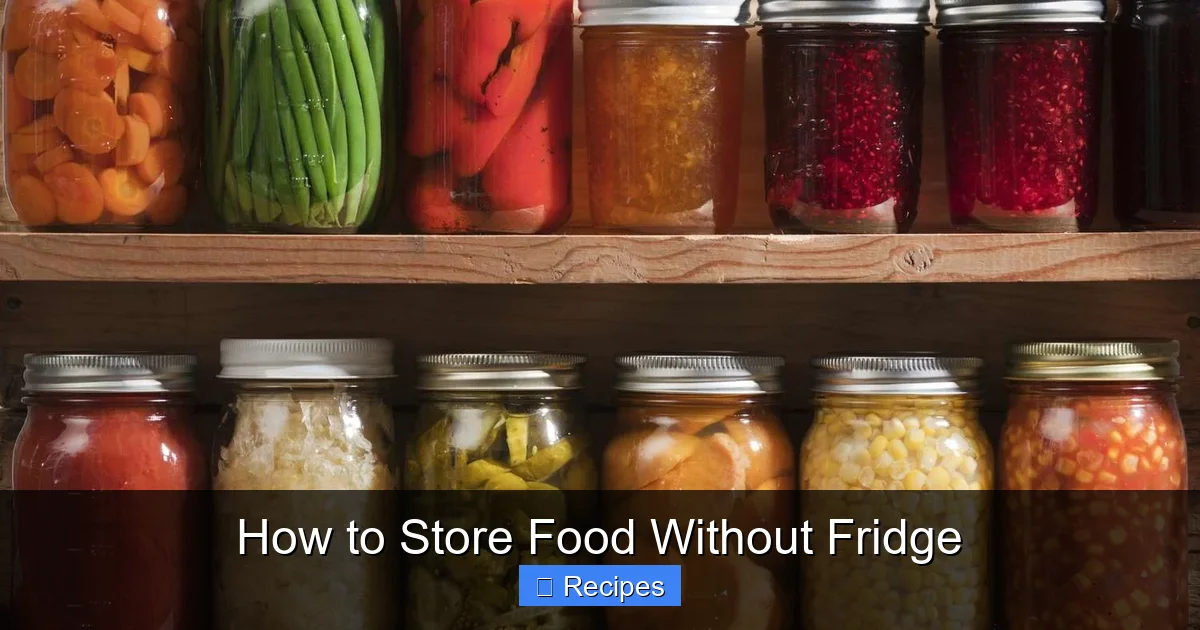
3. Fermentation & Pickling: The Power of Acid
Friendly bacteria (lactic acid bacteria) convert sugars into acid, creating a tangy, preserved product. The resulting low pH (high acidity) is a formidable barrier to pathogens like botulism.
- How-To: Submerge shredded vegetables (cabbage for sauerkraut, cucumbers for pickles) in a salt brine (typically 2-3% salt by weight). Keep below the brine surface with weights. Ferment at room temperature for days to weeks, then can or move to a cool place.
- Best For: Cabbage, cucumbers, carrots, radishes, beets, and even hot sauces. Vinegar-based pickling (quick pickles) is also excellent for fast, crisp results.
- Storage: Properly fermented and sealed pickles/sauerkraut can last months in a cool, dark cellar. Once opened, they are more stable than fresh veggies but will eventually soften.
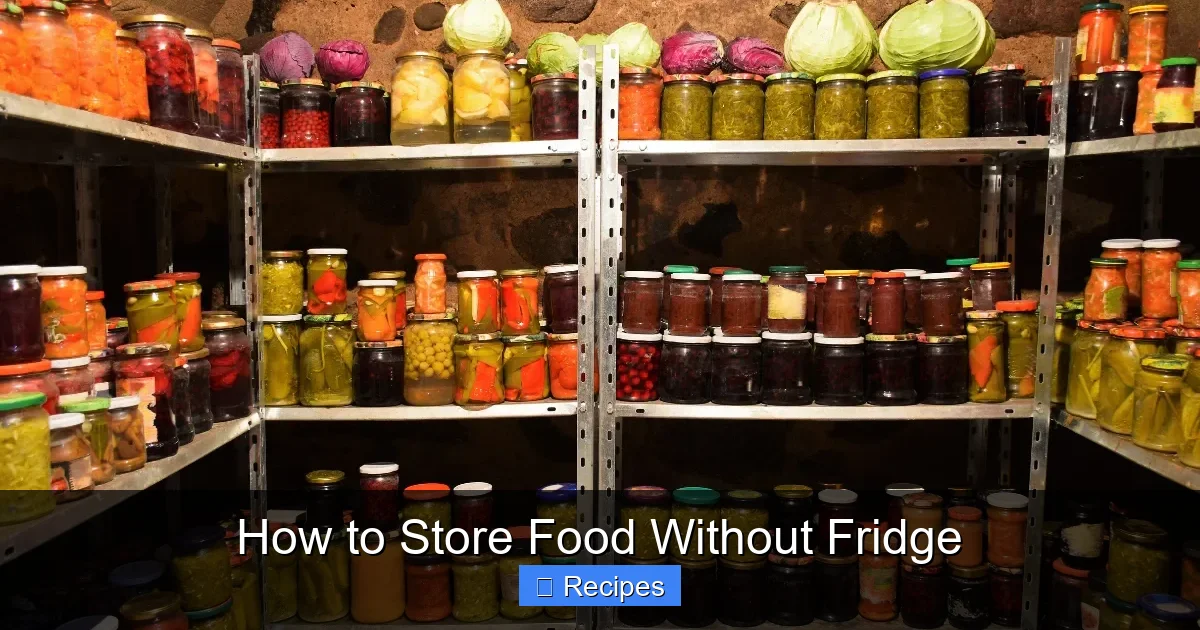
4. Root Cellaring: Nature’s Refrigerator
This is the pinnacle of non-refrigerated fresh food storage. A root cellar is any cool (32-50°F), humid (85-95%), dark, and well-ventilated space. It mimics the underground conditions where root vegetables naturally overwinter.
- How-To: Ideal spaces are basements, crawl spaces, or buried structures. Use shelves, bins, or sand/peat moss bedding. Separate ethylene-producing foods (apples) from ethylene-sensitive ones (potatoes).
- Best For: Root vegetables (potatoes, carrots, beets, parsnips), winter squash, onions, garlic, and apples.
- Lifespan: Can extend the storage life of these items from weeks to many months.
Part 3: The Modern Pantry – Storing Dry Goods & Grains
This is the easiest and most familiar category for fridge-free storage. The goal is absolute dryness and protection from pests.
Visual guide about How to Store Food Without Fridge
Image source: emergencyprepguy.com
The Pillars of Pantry Perfection
Your dry goods (flour, rice, beans, pasta, sugar) are naturally low-moisture. The main threats are moisture absorption (leading to mold), oxidation (rancidity in oils), and pantry moths/weevils.
- Airtight is Everything: Transfer all purchased packages into superior containers. Glass jars with clamping lids and rubber seals, food-grade plastic buckets with gamma lids, or Mylar bags with oxygen absorbers are gold standards. The classic cardboard box or plastic bag is not sufficient.
- Oxygen Absorbers: For long-term storage (1+ year) of grains, beans, and dried foods, use the appropriate size oxygen absorber in your sealed container. They scavenge residual oxygen, preventing rancidity and killing any insect eggs.
- The Freezer First Method: Before storing bulk grains or flour, freeze them for 3-5 days. This kills any existing insect eggs or larvae, preventing an infestation.
- Cool & Dark: Store your sealed containers in the coolest, darkest part of your pantry. A thermometer can help you monitor. Ideal is below 75°F.
Special Considerations for Specific Dry Foods
- Flour & Nut Meals: Highly perishable due to oils. Store in the fridge if you have one, or in small, airtight containers in a very cool, dark pantry. Use within 3-6 months. For longer storage, freeze.
- Whole Grains & Beans: More resilient than flours. In airtight containers with oxygen absorbers in a cool pantry, they can last 10+ years.
- Nuts & Seeds: Like flour, prone to rancidity. Store in airtight containers in the fridge or freezer for best quality.
- Brown Rice & Whole Wheat Flour: The oils in the bran make them spoil faster than their white counterparts. Use within 6 months or freeze.
Part 4: Fresh Without Cold – Storing Fruits & Vegetables
This is where technique becomes crucial. Not all produce likes the same thing. The fridge’s crisper drawer works by maintaining high humidity. We must replicate this selectively.
The Ethylene Factor & Separation Strategy
Many fruits (apples, bananas, tomatoes, avocados) release ethylene gas, a natural ripening agent that accelerates spoilage in nearby produce. The first rule: separate ethylene producers from ethylene-sensitive vegetables (leafy greens, cucumbers, carrots, potatoes). Store producers in a separate basket or bin.
Storage Methods by Type
- Root Vegetables (Potatoes, Onions, Garlic, Winter Squash): The root cellar champions. Store in complete darkness (to prevent sprouting/greening), with good ventilation, at cool room temp (50-60°F). Onions and garlic like it warmer and drier. Use burlap sacks, bins with ventilation holes, or wooden crates. Never store potatoes with onions—gases from onions cause potatoes to sprout.
- Cabbage, Cauliflower, Brussels Sprouts: These are surprisingly robust. Store whole heads in a cool, humid place. Wrap the cut end of a partial head in plastic wrap to slow moisture loss. They can last 2-3 weeks.
- Apples & Pears: Store in the coldest part of your non-fridge storage (like a cellar or garage) in single layers, ideally on trays or in perforated bags. They emit ethylene, so keep them isolated. A damp cloth can help maintain humidity.
- Leafy Greens & Herbs: The most challenging. Treat them like cut flowers. Trim ends, place upright in a jar with 1-2 inches of water, cover loosely with a plastic bag, and store in a cool, dark place. Change water daily. Alternatively, wrap dry leaves in a slightly damp cloth and store in an airtight container in the coldest spot you have. Use within 3-5 days.
- Tomatoes: Never refrigerate! Store stem-side down on a counter away from direct sunlight. They will continue to ripen. For slightly underripe tomatoes, place in a paper bag to concentrate ethylene.
- Citrus & Tropical Fruits: Oranges, lemons, limes, and pineapples are excellent countertop dwellers. Store in a bowl in a cool spot, not piled on top of each other. They last 1-3 weeks.
- Cucumbers, Zucchini, Peppers: Best eaten quickly. For short storage (3-5 days), keep in a perforated plastic bag in the coolest part of your pantry. The humidity from the bag helps, but avoid airtight sealing which promotes rot.
Part 5: Dairy & Protein – Rethinking Perishables
Without a fridge, traditional liquid milk and fresh meat are off the table for long-term storage. But that doesn’t mean you can’t have dairy or protein. It means choosing the right forms.
Dairy Alternatives That Don’t Need Chilling
- Powdered Milk: The ultimate shelf-stable dairy. Store in an airtight container with an oxygen absorber in a cool, dark pantry. Can last 10+ years.
- UHT (Ultra-High Temperature) Milk: Boxed or shelf-stable milk, sold unrefrigerated. Once opened, it must be used within 5-7 days and kept as cool as possible.
- Hard Cheeses: Parmesan, Pecorino Romano, aged cheddars. Their low moisture and high salt content make them stable. Store in wax paper or cheese cloth, then a loose container in a cool, humid place (like a cellar). They can last weeks. Soft cheeses (brie, mozzarella) are not suitable for non-fridge storage.
- Butter: Can be stored at cool room temperature (65°F or below) for 1-2 weeks if kept in an airtight butter dish or crock, away from light. Salted butter lasts longer than unsalted. For longer storage, freeze.
- Yogurt & Kefir: These are fermented and acidic, but still require refrigeration once cultured. Instead, buy as probiotic powders or make your own from a starter and consume immediately.
Protein Without the Icebox
- Canned & Dried Legumes: The backbone. Canned beans are ready-to-use. Dried beans, lentils, and peas are storage champions when kept dry and airtight. Soak and cook as needed.
- Canned Fish & Meat: Tuna, salmon, chicken, and Spam are obviously shelf-stable and excellent protein sources.
- Jerky & Biltong: Properly dried and salted meat products are designed for room-temperature storage. Check for low moisture content and commercial processing for safety if making your own.
- Nuts & Seeds: A fantastic source of protein and fats. Store as outlined above to prevent rancidity.
- Eggs: Fresh, unwashed eggs with their natural bloom intact can be stored at cool room temperature for 2-3 weeks. Store pointy end down in a carton in a cool place. Washed, refrigerated eggs from the store should be treated as refrigerated.
Part 6: Safety First – The Golden Rules & Red Flags
Storing food without a fridge shifts responsibility to you. There is no cold safety net. Adhere strictly to these rules.
The Golden Rules
- Cleanliness is Non-Negotiable: All containers, surfaces, and hands must be impeccably clean to prevent introducing contaminants.
- When in Doubt, Throw it Out: This is the cardinal rule. The cost of a ruined meal is nothing compared to the risk of food poisoning.
- Know Your Acid & Salt Percentages: For safe pickling/fermenting, follow tested recipes. The acidity (pH below 4.6) or salt concentration is what makes it safe. Do not guess.
- First In, First Out (FIFO): Organize your storage so older items are used first. Label containers with dates.
Recognizing Spoilage – The Red Flags
Learn to use your senses. Discard any food that shows:
- Off Odors: Sour, rancid, “off,” or putrid smells are the first and most reliable indicator.
- Texture Changes: Excessive sliminess, stickiness, or mushy spots (outside of expected fermented textures).
- Visible Mold: Any fuzzy, colored growth (green, black, white, pink) means discard. Note: Some hard cheeses and fermented sausages develop harmless surface molds, but for the home cook, it’s safer to discard.
- Bulging Cans/Jars: A sign of gas production by bacteria. Discard immediately, carefully.
- Bubbling or Leaking: In a sealed jar of something that shouldn’t be fizzy, this is a major red flag.
Conclusion: Empowerment Through Tradition
Learning how to store food without a fridge is more than a practical skill; it’s an act of empowerment. It connects you to the cycles of nature, the seasons, and the ingenuity of generations past. You’ll reduce your reliance on the electrical grid, slash food waste, and discover new flavors in preserved foods—the deep sweetness of a sun-dried tomato, the complex tang of homemade sauerkraut, the satisfying crunch of a winter-stored apple.
Start small. Try storing a few apples in a cool closet, or make a batch of quick pickles. Dry a tray of herbs from your garden. As your confidence grows, experiment with a simple root cellar setup or long-term grain storage with oxygen absorbers. The goal isn’t to replicate a refrigerator’s capacity perfectly, but to build a complementary, resilient system. You’ll find that with knowledge and a little forethought, your kitchen can thrive, cool breeze or not. The humble pantry, armed with these ancient techniques, becomes a fortress of flavor and nutrition, ready to serve you in any situation.
Frequently Asked Questions
Is it safe to eat food stored without a refrigerator?
Yes, it is safe when you use proven preservation techniques (drying, salting, fermenting) and store appropriate foods (dry goods, root vegetables, hard cheeses) in proper conditions (cool, dark, dry, airtight). Always inspect for signs of spoilage and follow strict hygiene. Perishable items like fresh milk, soft cheese, and raw meat are not safe without refrigeration.
How long can grains and beans last without a fridge?
When stored in airtight containers with oxygen absorbers in a consistently cool (below 75°F), dark, and dry pantry, dried grains and beans can last for 10 years or more while remaining nutritious and safe. Flours and meals, which contain oils, have a much shorter shelf life of 6-12 months and benefit from freezer storage.
What is the best way to store leafy greens like spinach and lettuce without a fridge?
Treat them like cut flowers: trim the stems, stand them upright in a jar with 1-2 inches of cold water, cover loosely with a plastic bag, and store in the coolest, darkest spot available (a basement or cellar). Change the water daily. Alternatively, wrap dry leaves in a slightly damp cloth or paper towel and place in an airtight container in the coolest location, using within 3-5 days.
Can I store eggs at room temperature?
Yes, but only if they are fresh, unwashed, and unrefrigerated from the start. The natural protective coating (bloom) on the shell keeps bacteria out. Store them pointy end down in a carton in a cool (55-65°F), consistent place. They will keep for 2-3 weeks. Store-bought eggs in the US are washed and refrigerated, so they must stay cold.
How do I prevent pantry moths and weevils in my stored food?
Prevention is key: 1) Freeze all bulk grains, flour, and dried goods for 3-5 days before storing to kill any eggs. 2) Store everything in truly airtight containers—glass jars, thick plastic bins with gasketed lids, or Mylar bags. 3) Keep your pantry clean and wipe shelves regularly. 4) Use natural deterrents like bay leaves, neem oil sachets, or cedar blocks, though these are not a substitute for airtight storage.
What are the signs that a home-canned or fermented food has gone bad?
>Discard immediately if you see: 1) A bulging lid or leaking jar. 2) Mold growth (fuzzy spots) on the surface or under the lid. 3) A fermented or alcoholic smell when opening (beyond the expected tang of fermentation). 4) Cloudiness in a clear brine that should be clear. 5) Any spurting liquid or foam upon opening. When in doubt, throw it out—do not taste.
Pingback: Can You Eat Freezer Burned Food - kitchenandhouseware.com