Finding the best chestnut roasting pan for open fire cooking transforms a simple autumn tradition into a flawless, smoky delight. This guide reviews top-rated pans, explains key features like durability and heat distribution, and offers practical tips for achieving perfectly roasted chestnuts with ease and safety.
Key Takeaways
- Material Matters: Cast iron and heavy-gauge steel pans offer superior heat retention and durability for consistent roasting over open flames.
- Ventilation is Key: Look for pans with ample holes or a perforated design to allow smoke and heat to circulate evenly around each chestnut.
- Handle Safety: A long, heat-resistant handle is essential for safely maneuvering the pan over an open fire without risk of burns.
- Size and Capacity: Choose a pan size that fits your fire pit or grill grate, balancing batch size with manageable weight.
- Pre-Scoring Nuts: Always score chestnuts before roasting to prevent dangerous steam buildup and ensure easy peeling.
- Seasoning for Flavor: A well-seasoned cast iron pan can add a subtle, savory depth to your roasted chestnuts.
- Easy Cleanup: Opt for pans with a non-stick coating or those that develop a natural patina for simpler post-roast maintenance.
📑 Table of Contents
- Introduction: The Joy of Roasting Chestnuts Over an Open Fire
- What to Look for in a Chestnut Roasting Pan
- Top Picks for the Best Chestnut Roasting Pan for Open Fire
- How to Use Your Chestnut Roasting Pan: A Step-by-Step Guide
- Tips for Perfectly Roasted Chestnuts Every Time
- Care and Maintenance of Your Roasting Pan
- Conclusion: Embrace the Tradition with the Right Pan
Introduction: The Joy of Roasting Chestnuts Over an Open Fire
There’s something magical about the smell of chestnuts roasting over a crackling fire. It’s a timeless autumn ritual that brings people together. But to get that perfect, smoky flavor and tender texture, you need the right tool. That’s where finding the best chestnut roasting pan for open fire cooking becomes essential.
Using a flimsy or poorly designed pan can lead to burnt exteriors, raw interiors, and a frustrating experience. The right pan ensures even heat distribution, proper ventilation, and safe handling. Whether you’re a seasoned outdoor cook or trying this for the first time, this guide will help you choose the perfect pan and master the art of open-fire chestnut roasting.
What to Look for in a Chestnut Roasting Pan
Not all pans are created equal when it comes to open-fire cooking. The unique demands of direct flame and high heat require specific features. Here’s what separates a good pan from a great one.
Visual guide about Best Chestnut Roasting Pan for Open Fire
Image source: c8.alamy.com
Material and Durability
The material of your pan dictates its performance and longevity. Cast iron is the gold standard for open-fire roasting. It retains heat incredibly well, providing a consistent temperature that cooks chestnuts evenly. It’s virtually indestructible and, when properly seasoned, develops a natural non-stick surface. Heavy-gauge stainless steel is another excellent option, offering durability and resistance to rust, though it may not retain heat as efficiently as cast iron.
Design and Ventilation
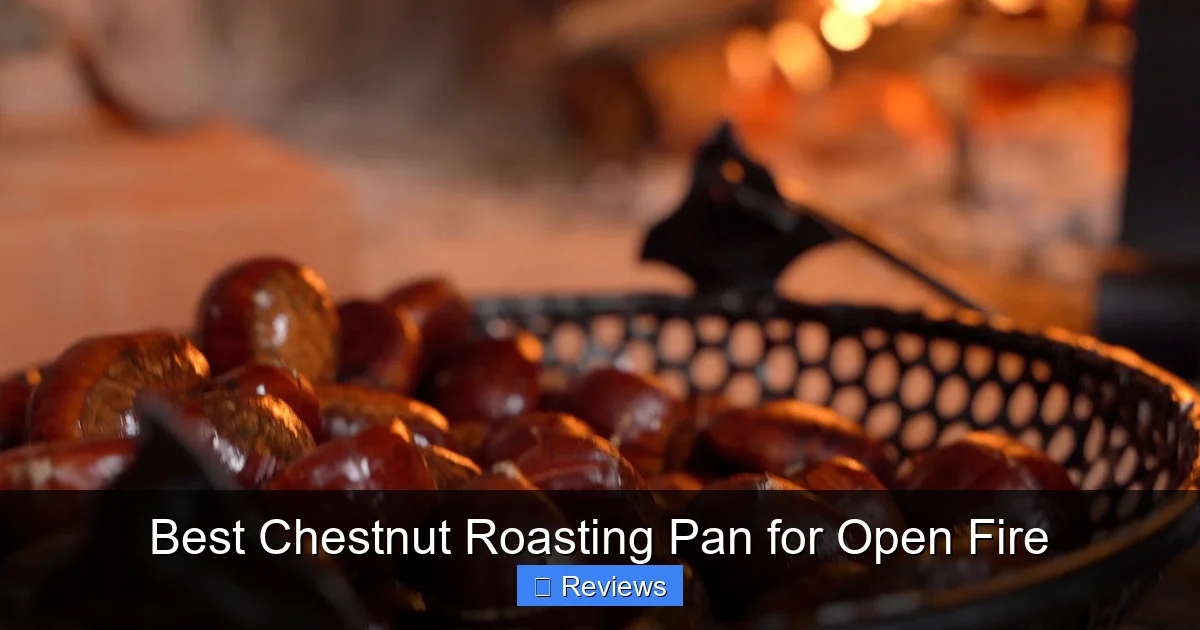
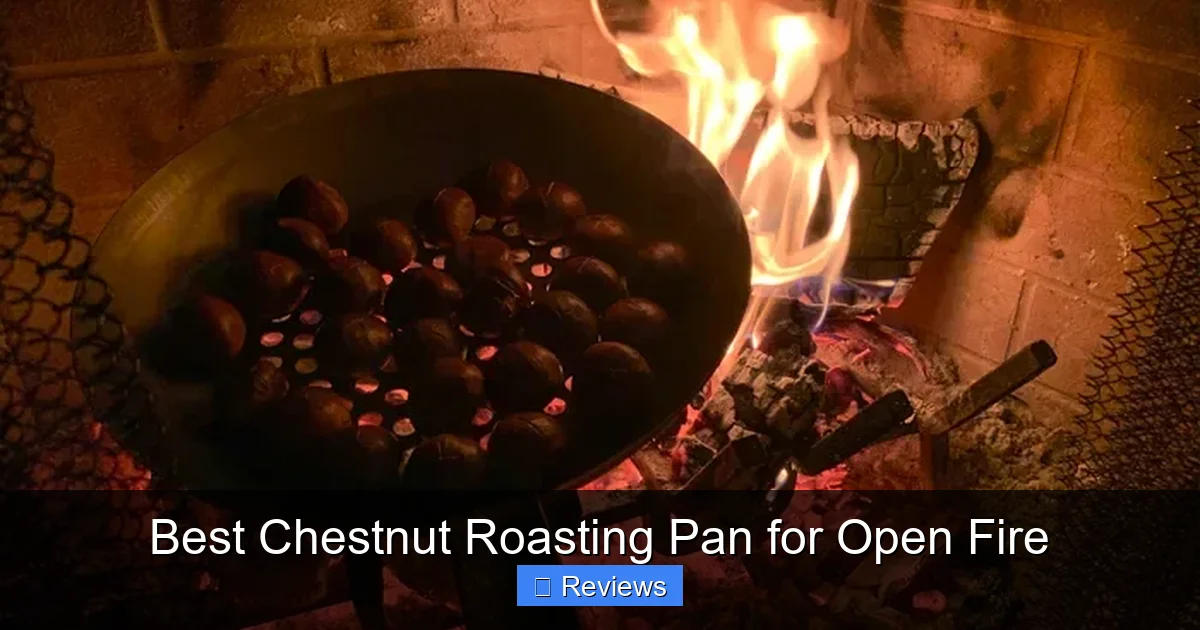
A proper chestnut roasting pan for open fire use isn’t a solid skillet. It needs perforations—holes or slots—that allow flames and smoke to reach the nuts directly. This ventilation is crucial for that signature smoky flavor and for preventing the chestnuts from steaming instead of roasting. Look for a pan with a pattern of holes that’s dense enough to hold small nuts but open enough for ample airflow.
Handle and Safety Features
Safety is paramount when working with open flames. The best pans feature a long handle, often made of wood or with a heat-resistant silicone grip. This keeps your hands a safe distance from the fire. Some models come with a secondary helper handle for better control when shaking the pan, which is necessary to prevent scorching.
Top Picks for the Best Chestnut Roasting Pan for Open Fire
Based on material, design, and user feedback, here are some top contenders that excel in open-fire conditions.
Visual guide about Best Chestnut Roasting Pan for Open Fire
Image source: outdoorhappens.com
The Classic Cast Iron Perforated Pan
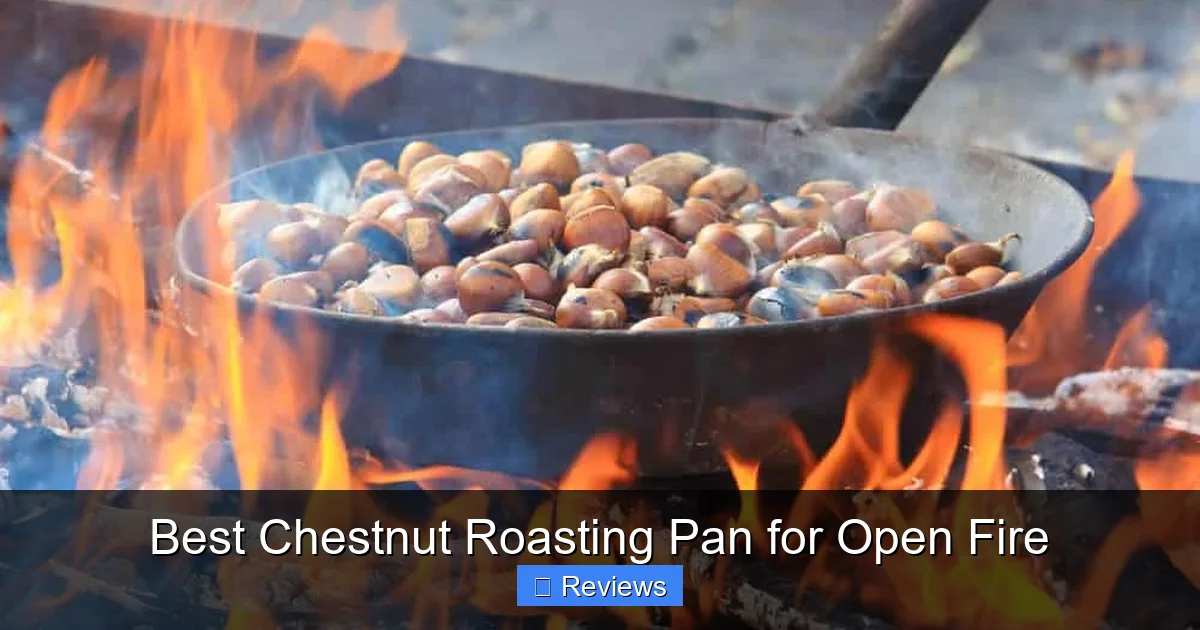
This is the traditional choice for a reason. A well-made cast iron pan with a long handle and a perforated bottom is incredibly effective. It gets searing hot, roasts nuts quickly, and the weight keeps it stable on a grill grate. The main downside is its weight, but the unparalleled heat performance makes it a favorite for purists.
Stainless Steel Long-Handled Pan
For those who prefer a lighter option, a stainless steel pan is a great alternative. It heats up faster than cast iron and is easier to clean. Ensure it’s made from heavy-gauge steel to avoid warping over high heat. Many come with a clever folding handle for easy storage, making them perfect for camping trips.
The Multi-Purpose Grill Basket
Some versatile grill baskets designed for vegetables or seafood can double as a chestnut roaster. Look for one with a fine mesh or small holes. Their locking mechanism and long handle make them easy to shake and toss the nuts, promoting even cooking. They are often more affordable and easier to store than a dedicated pan.
How to Use Your Chestnut Roasting Pan: A Step-by-Step Guide
Having the right pan is only half the battle. Proper technique ensures delicious results every time.
Visual guide about Best Chestnut Roasting Pan for Open Fire
Image source: piattorecipes.com
Step 1: Score Your Chestnuts
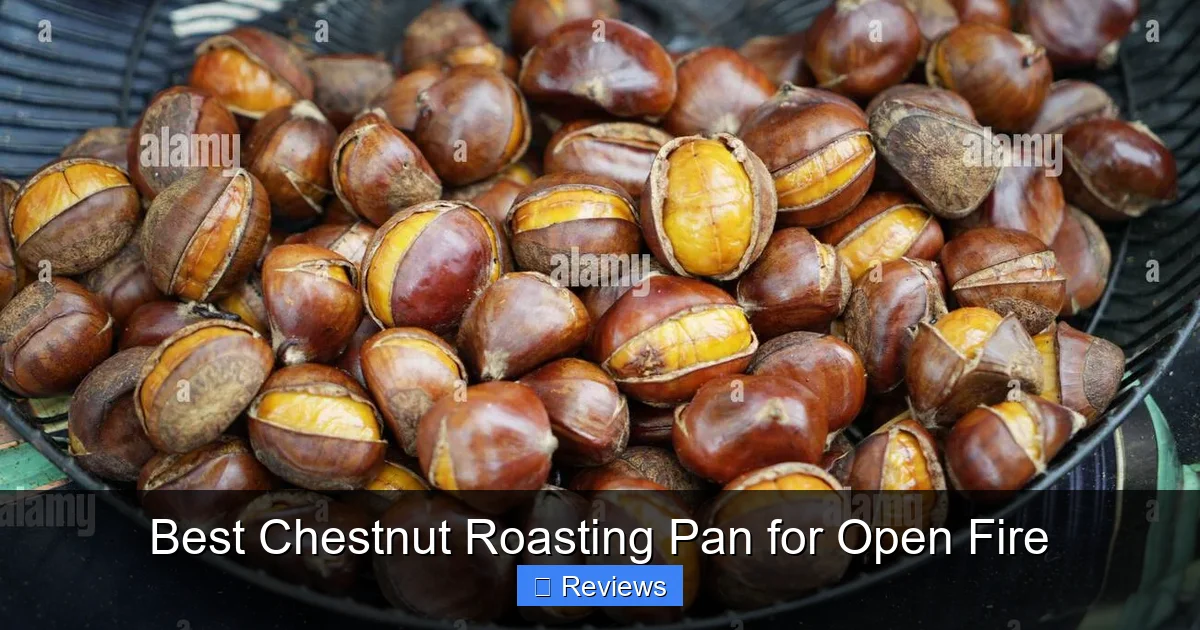
This is the most critical safety step. Using a sharp knife, cut a deep “X” or a straight line through the flat side of each chestnut shell. This allows steam to escape during roasting, preventing them from exploding. It also makes peeling much easier afterward.
Step 2: Preheat the Pan
Place your empty chestnut roasting pan over the fire for a few minutes. A hot pan ensures the nuts start cooking immediately, sealing in moisture and preventing them from becoming tough.
Step 3: Roast with Patience
Add a single layer of scored chestnuts to the hot pan. Shake the pan frequently—every 30 seconds to a minute—to move the nuts around and prevent burning. Roasting typically takes 15-20 minutes. You’ll know they’re done when the shells peel back at the score marks and the nutmeat inside is golden and tender.
Step 4: Cool and Peel
Transfer the roasted chestnuts to a towel-lined bowl and cover them for a few minutes. The steam will help loosen the shells. Peel while they’re still warm for the best texture and flavor.
Tips for Perfectly Roasted Chestnuts Every Time
Elevate your roasting game with these simple, expert tips.
Visual guide about Best Chestnut Roasting Pan for Open Fire
Image source: i2.wp.com
- Soak Briefly: Soaking scored chestnuts in water for 15-30 minutes before roasting adds internal moisture, resulting in a steamier, more tender nut.
- Control Your Heat: Avoid placing the pan directly in the hottest part of the flame. Use medium, consistent heat for even cooking. A bed of hot coals is often better than roaring flames.
- Listen for the Pop: As chestnuts roast, you might hear a slight popping sound. This is normal steam escaping. If you hear sharp, loud pops, your heat is too high.
- Season After Roasting: Toss your warm, peeled chestnuts with a pinch of sea salt, a drizzle of melted butter, or a sprinkle of rosemary for an extra flavor boost.
Care and Maintenance of Your Roasting Pan
Proper care ensures your pan lasts for many seasons of roasting.
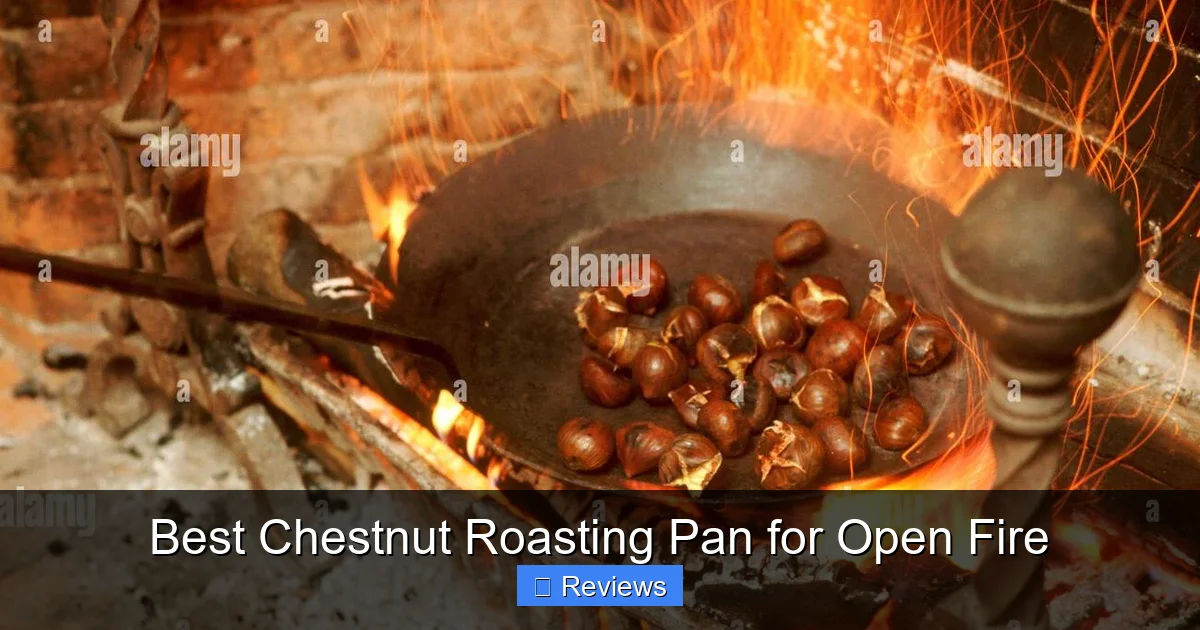
Visual guide about Best Chestnut Roasting Pan for Open Fire
Image source: c8.alamy.com
For Cast Iron Pans
After use, let the pan cool. Clean it with hot water and a stiff brush—avoid soap if possible, as it can strip the seasoning. Dry it thoroughly over low heat on a stove or in an oven. While still warm, apply a thin layer of food-safe oil (like vegetable or flaxseed) to maintain the non-stick surface and prevent rust.
For Stainless Steel Pans
These are generally easier to clean. Soak in warm, soapy water to loosen any stuck-on bits. Use a non-abrasive scrubber to avoid scratching the surface. Ensure it is completely dry before storing to prevent water spots or potential corrosion.
Conclusion: Embrace the Tradition with the Right Pan
Roasting chestnuts over an open fire is a simple pleasure that connects us to the season. By investing in the best chestnut roasting pan for open fire cooking, you guarantee a safer, more efficient, and more enjoyable experience. Whether you choose the timeless heft of cast iron or the lightweight convenience of stainless steel, the right pan makes all the difference.

Visual guide about Best Chestnut Roasting Pan for Open Fire
Image source: theinsightfulmedia.com
Remember to prioritize safety with a long handle, ensure proper ventilation with a perforated design, and always score your nuts. With the right tool and a little practice, you’ll be serving up perfectly smoky, tender chestnuts that will become a cherished part of your autumn gatherings. So gather your firewood, pick your pan, and get ready to create some warm, delicious memories.
Frequently Asked Questions
Can I use a regular skillet to roast chestnuts over a fire?
While possible, a regular skillet is not ideal. It lacks ventilation holes, which can cause chestnuts to steam instead of roast and may lead to dangerous steam buildup. A dedicated perforated pan is much safer and more effective.
How do I prevent chestnuts from burning?
The key is constant motion and medium heat. Shake the pan frequently to move the nuts around, and avoid placing it over the hottest flames. A bed of glowing coals provides more even, controllable heat than open flames.
Do I need to soak chestnuts before roasting?
Soaking is optional but recommended. A brief soak (15-30 minutes) adds moisture inside the shell, leading to a steamier, more tender nut and can help prevent them from drying out over the fire.
What is the best material for a chestnut roasting pan?
Cast iron is widely considered the best material due to its superior heat retention and even cooking. Heavy-gauge stainless steel is a great lighter alternative that heats quickly and is easier to maintain.
How do I know when chestnuts are fully roasted?
Chestnuts are done when the shells have peeled back significantly at the score marks, revealing the golden nutmeat inside. The nut should feel tender when squeezed and have a sweet, smoky aroma.
Can I roast chestnuts in an oven with a pan designed for open fire?
Yes, you can. Place the perforated pan on a baking sheet in a preheated oven (around 425°F or 220°C). The oven method provides more consistent heat but will lack the distinctive smoky flavor of an open fire.