Having trouble with a standing pool of water in your Asko dishwasher? Our friendly, step‑by‑step guide shows you exactly how to drain an Asko dishwasher, fix common issues, and keep it running smoothly. Follow these simple tips and say goodbye to soggy floors and costly repairs.
Key Takeaways
- Identify the problem quickly: Knowing whether the issue is a clogged filter, a faulty pump, or a blocked hose helps you choose the right solution.
- Safety first: Always disconnect power and water before you start any drainage work on your Asko dishwasher.
- Manual drainage is easy: A simple bucket and a few turns of the drain hose can clear most minor backups.
- Regular maintenance prevents clogs: Cleaning the filter and checking the spray arms weekly keeps water flowing freely.
- When to call a professional: If the pump won’t run or you hear strange noises, it’s time to get expert help.
- Use the right tools: A screwdriver, pliers, and a wet‑dry vacuum make the process faster and cleaner.
- Test after each step: Running a short cycle after any fix confirms that the dishwasher is draining properly.
📑 Table of Contents
- Introduction: Why Your Asko Dishwasher Might Not Be Draining
- 1. Preparing to Drain Your Asko Dishwasher
- 2. Understanding the Drainage System Inside an Asko Dishwasher
- 3. Step‑by‑Step Guide: How to Drain an Asko Dishwasher Manually
- 4. Common Drainage Problems and How to Fix Them
- 5. Preventive Maintenance: Keep Your Asko Dishwasher Draining Perfectly
- Conclusion: Mastering How to Drain an Asko Dishwasher
Introduction: Why Your Asko Dishwasher Might Not Be Draining
If you’ve ever opened the door of your kitchen only to see a puddle of sudsy water on the floor, you know how frustrating a dishwasher that won’t drain can be. Asko dishwashers are known for their sleek design and powerful cleaning, but like any appliance, they can develop drainage problems over time. Understanding how to drain an Asko dishwasher is the first step toward fixing the issue and avoiding water damage.
In this guide we’ll walk you through every scenario—from a simple clogged filter to a malfunctioning pump—so you can confidently say, “I know how to drain an Asko dishwasher.” The tone is casual, like a chat with a friend, and each step is broken down into bite‑size actions. Let’s get started!
1. Preparing to Drain Your Asko Dishwasher
Gather the right tools
Before you begin, collect a few basic items. Having everything at hand saves time and prevents you from scrambling mid‑repair.
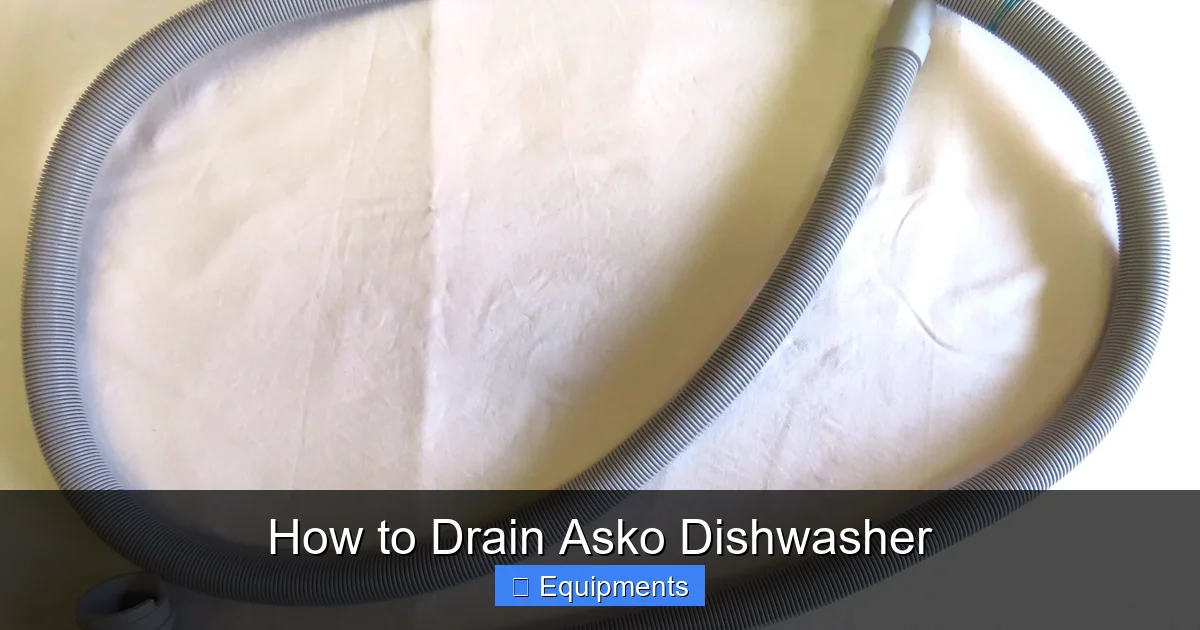
Visual guide about How to Drain Asko Dishwasher
Image source: wwspares.com.au
- Screwdriver set: Most Asko models use Phillips heads.
- Pliers: Useful for pulling out hose clamps.
- Bucket or large bowl: To catch any water that spills.
- Wet‑dry vacuum (optional): Great for sucking out stubborn water.
- Soft cloths and towels: For drying and cleaning.
Safety first
Turning off power and water is a must. Even though many Asko dishwashers have built‑in safety features, you’ll protect yourself and the appliance by following these steps:
- Locate the circuit breaker for the kitchen and flip it to the “off” position.
- Turn off the water supply valve located under the sink or behind the dishwasher.
- Unplug the dishwasher or disconnect the power cord if it’s hard‑wired.
Now you’re ready to learn how to drain an Asko dishwasher without any risk of electric shock or flooding.
2. Understanding the Drainage System Inside an Asko Dishwasher
Key components that affect drainage
Knowing the parts that move water helps you troubleshoot faster. The main components are:
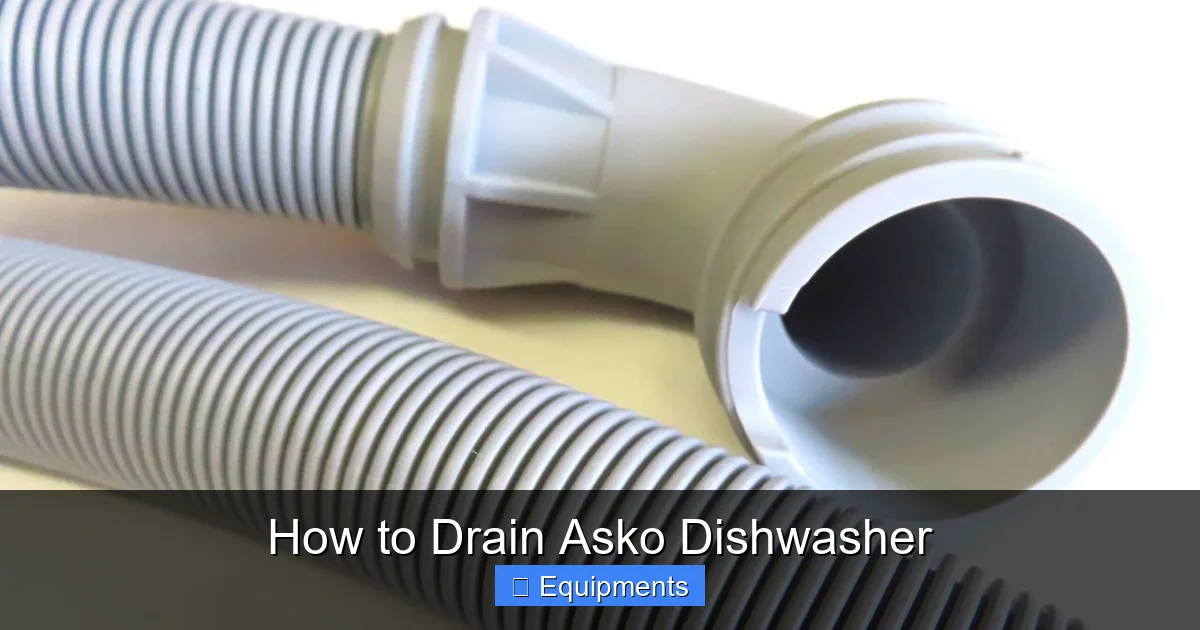
Visual guide about How to Drain Asko Dishwasher
Image source: wwspares.com.au
- Drain pump: Pushes water out through the hose.
- Drain hose: Carries water to the sink or garbage disposal.
- Filter and sump: Catches food particles before water reaches the pump.
- Check valve: Prevents backflow of water into the dishwasher.
How they work together
During a wash cycle, water is sprayed onto dishes, then collected in the sump. The filter catches debris, and the pump forces the water through the hose to the drain. If any of these parts become blocked or fail, the dishwasher won’t drain properly. This is why knowing how to drain an Asko dishwasher involves checking each component in turn.
3. Step‑by‑Step Guide: How to Drain an Asko Dishwasher Manually
Step 1 – Remove the bottom rack
Slide the bottom rack out completely. This gives you clear access to the filter and the area where water collects.
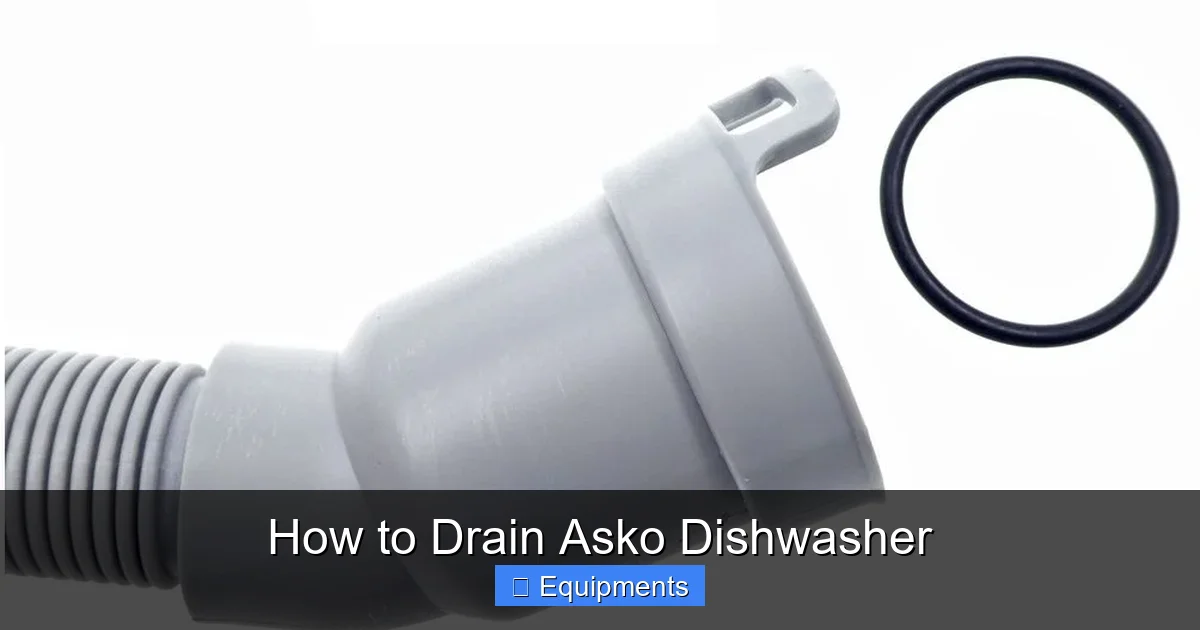
Visual guide about How to Drain Asko Dishwasher
Image source: opdistributors.com.au
Step 2 – Check and clean the filter
Locate the cylindrical filter at the base of the tub. Twist it counter‑clockwise and lift it out. Rinse under warm running water, removing any food particles. A clogged filter is the most common reason you need to learn how to drain an Asko dishwasher.
Step 3 – Locate the drain pump and hose
Behind the filter you’ll see a small cover that protects the pump. Remove the screws with a screwdriver and set the cover aside. You’ll see a short hose attached to the pump with a clamp.
Step 4 – Detach the drain hose
Using pliers, loosen the hose clamp and gently pull the hose away from the pump. Place the bucket underneath to catch any standing water. If the hose is long, you may need a second person to hold it.
Step 5 – Empty the water
Pour the water from the bucket into the sink. If there’s still water in the tub, use a wet‑dry vacuum to suck it out, or carefully tilt the dishwasher forward (with the front lowered) to let gravity do the work.
Step 6 – Inspect the pump impeller
With the hose removed, you can see the pump’s impeller (a small fan‑like blade). Rotate it by hand—if it spins freely, the pump is likely fine. If it feels stuck, clear any debris you see.
Step 7 – Reassemble and test
Reattach the hose, tighten the clamp, replace the pump cover, and reinstall the filter. Slide the bottom rack back in, restore power and water, then run a short “rinse” cycle. Listen for the pump and watch for water exiting the drain. If it drains correctly, you’ve successfully learned how to drain an Asko dishwasher!
4. Common Drainage Problems and How to Fix Them
Clogged filter
Even a small piece of food can block the flow. Clean the filter weekly. This simple habit reduces the need to learn how to drain an Asko dishwasher frequently.
Blocked drain hose
Over time, the hose can kink or collect debris. Detach the hose as described in Step 4 and blow through it or flush it with a garden hose. If the hose is damaged, replace it with a compatible Asko part.
Faulty pump
If the pump makes a humming noise but no water moves, the motor may be burnt out. In this case, you’ve learned how to drain an Asko dishwasher, but you’ll need a professional to replace the pump.
Check valve failure
A malfunctioning check valve can let water flow back into the dishwasher. Remove the valve (usually near the pump) and inspect it for cracks. Replace if necessary.
Improper installation
Sometimes the issue is not a malfunction but an installation error. Verify that the drain hose loops upward at least 10 cm before descending to the sink. This “high loop” prevents backflow and is essential for proper drainage.
5. Preventive Maintenance: Keep Your Asko Dishwasher Draining Perfectly
Weekly routine
Take 5 minutes after each use to scrape large food bits into the trash and rinse the filter. This quick habit means you’ll rarely need to ask, “How to drain an Asko dishwasher?”
Monthly deep clean
Run a cleaning cycle with a dishwasher cleaner tablet. After the cycle, wipe the door gasket and the interior walls with a damp cloth. This removes grease that can later clog the pump.
Inspect the spray arms
Remove the spray arms and rinse them under running water. Use a toothpick to clear any holes. A free‑flowing spray arm reduces the amount of food that reaches the filter, making drainage easier.
Check the hose connections
Every few months, loosen the hose clamp just enough to feel the hose move. Tighten it back securely. Loose connections can cause leaks that mimic drainage problems.
Professional service schedule
Even with diligent care, parts wear out. Schedule a service check every 2‑3 years. A technician can test the pump, replace seals, and ensure that the dishwasher continues to drain efficiently.
Conclusion: Mastering How to Drain an Asko Dishwasher
Learning how to drain an Asko dishwasher empowers you to tackle most water‑related issues without calling a repair service. By following the step‑by‑step instructions, checking the filter, hose, and pump, and keeping up with regular maintenance, you’ll enjoy a dry kitchen and sparkling dishes for years to come. Remember, safety first, take your time, and don’t hesitate to reach out to a professional if the pump itself fails. Happy draining!
Frequently Asked Questions
Why does my Asko dishwasher stop mid‑cycle with water still inside?
Most often this happens because the filter or drain hose is clogged, preventing water from exiting. Clean the filter and check the hose to resolve the issue.
Can I use a wet‑dry vacuum to remove water from the dishwasher?
Yes, a wet‑dry vacuum is an excellent tool for quickly sucking out standing water after you’ve detached the drain hose.
Is it safe to unplug the dishwasher while water is still inside?
Yes, but you should first turn off the water supply and use a bucket to catch any water that may spill when you open the door.
How often should I clean the filter in my Asko dishwasher?
Cleaning the filter weekly is recommended. This simple habit prevents most drainage problems and keeps the dishwasher running efficiently.
What does a humming noise from the drain pump indicate?
A humming sound usually means the pump is trying to work but is blocked or the motor is failing. Check for debris in the pump and, if the noise persists, call a technician.
Do I need a special tool to remove the drain hose clamp?
No special tool is required; a pair of regular pliers works fine for loosening the hose clamp on an Asko dishwasher.