Closing the dishwasher detergent cup correctly is essential for a leak‑free, sparkling clean load. Follow our step‑by‑step guide, discover common pitfalls, and master quick tricks that work for any dishwasher model. Save time, prevent messes, and keep your dishes shining.
Key Takeaways
- Right placement matters: The cup must sit level and fully engaged in its slot.
- Check the latch: A secure latch prevents detergent from spilling during the wash cycle.
- Clean before closing: Removing residue ensures a tight seal and proper dosing.
- Know your model: Different brands have unique cup designs; read the manual.
- Regular maintenance: Inspect seals and hinges weekly to avoid wear.
- Use the correct detergent type: Powder, gel, or pods each affect how the cup closes.
- Quick troubleshooting: If leaks persist, re‑seat the cup or replace worn parts.
📑 Table of Contents
- Introduction: Why the Detergent Cup Deserves Attention
- 1. Understanding Your Dishwasher Detergent Cup
- 2. Preparing the Detergent Cup Before Closing
- 3. Step‑by‑Step Guide to Closing the Cup
- 4. Common Mistakes and How to Fix Them
- 5. Maintenance Tips for Long‑Term Success
- Conclusion: Master the Cup, Master the Clean
Introduction: Why the Detergent Cup Deserves Attention
Imagine loading a hot, sudsy cycle only to discover a mess of foam spilling onto the kitchen floor. Most people blame the dishwasher itself, but the real culprit is often a simple oversight: the detergent cup isn’t closed properly. The cup may look tiny, but it plays a huge role in delivering the right amount of cleaner at the right time.
Getting this step right saves you from costly repairs, prevents water damage, and guarantees that every plate, glass, and pan comes out spotless. In this guide we’ll walk you through the exact motions, common mistakes, and handy tricks to master the art of closing the dishwasher detergent cup—no matter the brand or model.
1. Understanding Your Dishwasher Detergent Cup
1.1 What Is the Detergent Cup?
The detergent cup (sometimes called a dispenser) is a small, hinged compartment located on the door of most built‑in dishwashers. Its purpose is to hold powdered, gel, or pod detergent until the wash cycle reaches the “release” point, usually a few minutes into the main wash.
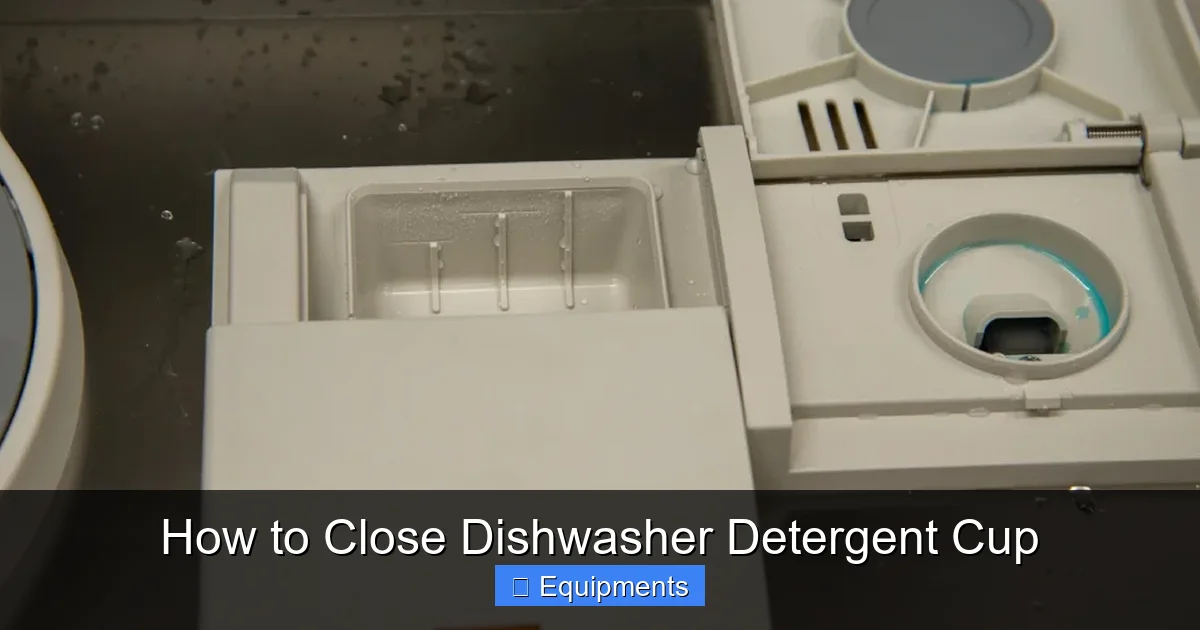
Visual guide about How to Close Dishwasher Detergent Cup
Image source: thekitchenix.com
1.2 Different Designs Across Brands
While the basic function stays the same, manufacturers add their own twists:
- Pull‑out cups: Slide out like a drawer, then snap back.
- Flip‑top cups: Lift a lid, fill, and close with a latch.
- Rotating dispensers: Turn a knob to lock the cup in place.
Knowing which type you have will dictate the exact closing motion, so keep the user manual handy.
1.3 Why Proper Closing Is Crucial
A loosely closed cup can cause:
- Detergent leakage and foaming.
- Uneven cleaning because the detergent never reaches the spray arms.
- Potential damage to the dishwasher’s interior seals.
- Unpleasant odors from detergent residue.
All of these issues are avoidable with a few mindful steps.
2. Preparing the Detergent Cup Before Closing
2.1 Clean the Cup and Surrounding Area
Before you even think about closing, wipe the cup’s interior and the surrounding door seal with a damp cloth. Residue from previous cycles can create a gap that prevents a tight seal.

Visual guide about How to Close Dishwasher Detergent Cup
Image source: thekitchenix.com
2.2 Choose the Right Detergent Form
Each detergent type behaves differently inside the cup:
- Powder: Needs a dry cup; moisture can cause clumping.
- Gel: Requires a smooth surface to avoid drips.
- Pods: Usually placed directly in the cup without additional water.
Follow the manufacturer’s dosage recommendations. Over‑filling is a common cause of leaks.
2.3 Measure Accurately
Use the measuring line inside the cup (if present) or the scoop that came with the detergent. Even a half‑spoon too much can push the lid open during the high‑pressure wash.
3. Step‑by‑Step Guide to Closing the Cup
3.1 Pull‑Out Cup Method
- Slide the cup out fully. Listen for a click that signals it’s disengaged from the latch.
- Fill the cup. Use the scoop or line marker, then tap the cup gently to settle the powder.
- Align the cup. Make sure the grooves on the cup match the tracks on the door.
- Push the cup back. Apply even pressure until you hear a second click indicating it’s locked.
- Check the seal. Run a finger along the edge; it should feel smooth with no gaps.
3.2 Flip‑Top Cup Method
- Lift the lid. Some models have a small tab; pull it upward.
- Load the detergent. Avoid spilling onto the lid.
- Close the lid. Lower it until you hear a snap. If the lid feels loose, re‑align the hinges.
- Press the latch. Many flip‑tops have a small button that must be pressed to lock.
3.3 Rotating Dispenser Method
- Turn the knob counter‑clockwise. This opens the compartment.
- Place detergent. Use the recommended amount.
- Rotate the knob clockwise. Continue until you feel resistance; this is the lock position.
- Test the lock. Gently tug the cup; it should not move.
3.4 Quick Visual Check
After closing, look at the cup from the side of the door. The edge should be flush with the door’s surface. Any visible gap means the cup isn’t fully sealed.
Visual guide about How to Close Dishwasher Detergent Cup
Image source: thekitchenix.com
4. Common Mistakes and How to Fix Them
4.1 Over‑Filling the Cup
Too much detergent pushes the lid open during the wash. If you notice excess suds, reduce the amount by half and try again.
4.2 Not Aligning the Cup Properly
Misalignment leads to a “wiggle” that lets water seep in. Remove the cup, realign the tracks, and push firmly until you hear the lock click.
4.3 Ignoring Wear and Tear
Rubber seals and plastic hinges degrade over time. If the cup feels loose after several months, inspect the latch and replace worn parts. Most manufacturers sell replacement kits for under $20.
4.4 Using the Wrong Detergent Type
Some high‑efficiency pods are too large for older flip‑top cups. Switch to a powder or gel that fits, or upgrade to a dishwasher that supports pods.
4.5 Skipping the Pre‑Clean
Leftover crumbs or dried detergent can jam the latch. A quick wipe before each load prevents this issue.
5. Maintenance Tips for Long‑Term Success
5.1 Monthly Seal Inspection
Run a finger along the cup’s edge and the door’s gasket. Look for cracks, hardening, or discoloration. Replace any damaged part promptly.
5.2 Deep Clean the Dispenser
Every 2–3 months, run an empty cycle with a cup‑cleaning tablet. This removes buildup that can affect the latch.
5.3 Lubricate Moving Parts
Apply a silicone‑based spray to the hinge pins once a year. This keeps the motion smooth and prevents squeaking.
5.4 Store Detergent Properly
Keep powder in a dry container. Moisture can cause clumping, which leads to uneven filling and a higher chance of overflow.
5.5 Update the Manual
When you buy a new dishwasher, keep the manual in a kitchen drawer. It’s the fastest way to confirm the correct closing technique for your specific model.
Conclusion: Master the Cup, Master the Clean
Closing the dishwasher detergent cup isn’t a chore—it’s a habit that keeps your kitchen dry, your dishwasher happy, and your dishes spotless. By understanding the cup’s design, preparing the area, following the precise steps for your model, and maintaining the components, you’ll never have to deal with sudsy surprises again. Treat the cup like a tiny door that needs a firm handshake each time you load the machine, and you’ll enjoy hassle‑free cleaning for years to come.
Frequently Asked Questions
What should I do if the detergent cup won’t latch?
First, remove the cup and clean any debris from the latch and tracks. Then realign the cup and push firmly until you hear a click. If it still won’t lock, inspect the latch for wear and replace it if necessary.
Can I use dishwasher pods in a flip‑top cup?
Most flip‑top cups are designed for powder or gel. Pods can be too large and may prevent the lid from closing fully. Use powder or gel, or upgrade to a dispenser that explicitly supports pods.
Is it okay to overfill the detergent cup a little?
Overfilling can cause detergent to spill during the wash, leading to suds and poor cleaning. Stick to the manufacturer’s recommended dosage for the best results.
How often should I clean the detergent cup?
Wipe the cup after each use and run a deep‑clean cycle with a cup‑cleaning tablet every 2–3 months. This prevents buildup that can affect the latch.
Why does my dishwasher leak even though the cup is closed?
Leaks can come from other areas such as the door gasket, spray arm, or the tub itself. Verify the cup seal, then check the door gasket and run a diagnostic cycle to locate the source.
Can I replace a broken detergent cup myself?
Yes. Most manufacturers sell replacement cups and latches that snap in without tools. Follow the installation instructions in the manual, or watch a short video for visual guidance.