Keeping your Breville Barista Express free of limescale is essential for great coffee and long machine life. This guide walks you through every step—from gathering supplies to running the final rinse—so you can descale confidently and enjoy richer espresso every day.
Key Takeaways
- Regular descaling prevents damage: Limescale builds up faster in hard water areas and can clog the pump.
- Use Breville’s recommended solution: It’s formulated for the machine’s internal parts and safe for the water tank.
- Descale every 2–3 months: Frequency depends on water hardness and usage patterns.
- Follow the exact cycle: Skipping steps or rushing the rinse can leave residue and affect flavor.
- Safety first: Always unplug the machine and work on a dry surface.
- Keep a log: Note the date and water hardness to track maintenance.
- Clean the group head and portafilter: A quick wipe after descaling keeps coffee oils from building up.
📑 Table of Contents
Why Descaling Your Breville Barista Express Matters
Imagine pulling a perfect espresso shot, only to taste a metallic after‑taste. Most home baristas blame the beans, but the real culprit is often limescale. Over time, minerals from water settle inside the boiler, pump, and heating element. This buildup reduces water flow, lowers temperature stability, and can eventually cause the machine to overheat or stop working altogether.
Descaling removes those mineral deposits, restores optimal pressure, and keeps the flavor of your coffee pure. It also extends the life of your Barista Express, saving you money on repairs or a premature replacement. In short, regular descaling is the cheapest insurance policy for great espresso.
When Should You Descale?
How often is “often enough”?
The general recommendation from Breville is every 2–3 months. However, two key factors can shift that schedule:

Visual guide about How to Descale Breville Barista Express
Image source: jontic.com
- Water hardness: If you live in a hard‑water area (more than 120 ppm calcium carbonate), scale builds up faster. Test your tap water with a simple strip kit and adjust the schedule accordingly.
- Usage frequency: Brewing more than two drinks a day accelerates mineral accumulation.
Mark the date on your calendar each time you descale. Over a year you’ll see a pattern and can fine‑tune the interval.
What You’ll Need
Essential supplies
- Breville Barista Express descaling solution (or a certified alternative)
- Fresh, clean water
- A large container (at least 1 liter) to catch waste water
- A soft cloth or paper towel
- Optional: a water hardness test strip
Why choose Breville’s solution?
Breville’s formula is pH‑balanced for the machine’s internal metals. Using a generic vinegar mix can be too acidic, potentially corroding seals. If you prefer a DIY approach, a 1:1 mixture of water and white vinegar works, but be sure to rinse thoroughly afterward.
Visual guide about How to Descale Breville Barista Express
Image source: i.ytimg.com
Step‑by‑Step Descaling Procedure
1. Prepare the machine
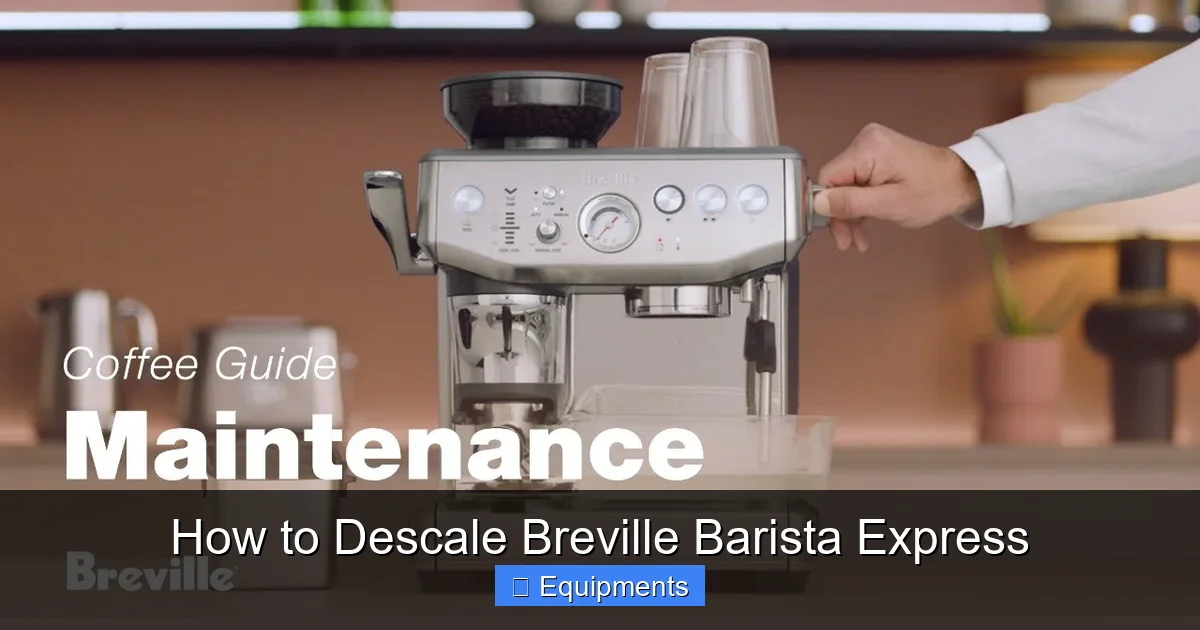
Unplug the Barista Express and let it cool for at least 5 minutes. Remove the water tank, drip tray, and portafilter. Wipe the exterior with a damp cloth to avoid spills during the process.
Visual guide about How to Descale Breville Barista Express
Image source: craftcoffeespot.com
2. Mix the descaling solution
Follow the instructions on the bottle. Typically, you’ll add the solution to the empty water tank and then fill the remainder with fresh water. For a homemade mix, combine 500 ml of white vinegar with 500 ml of water.
3. Load the solution into the machine
Place the tank back into the machine, making sure it clicks into place. Position the large container under the group head to catch the liquid that will flow out.
4. Start the descale cycle
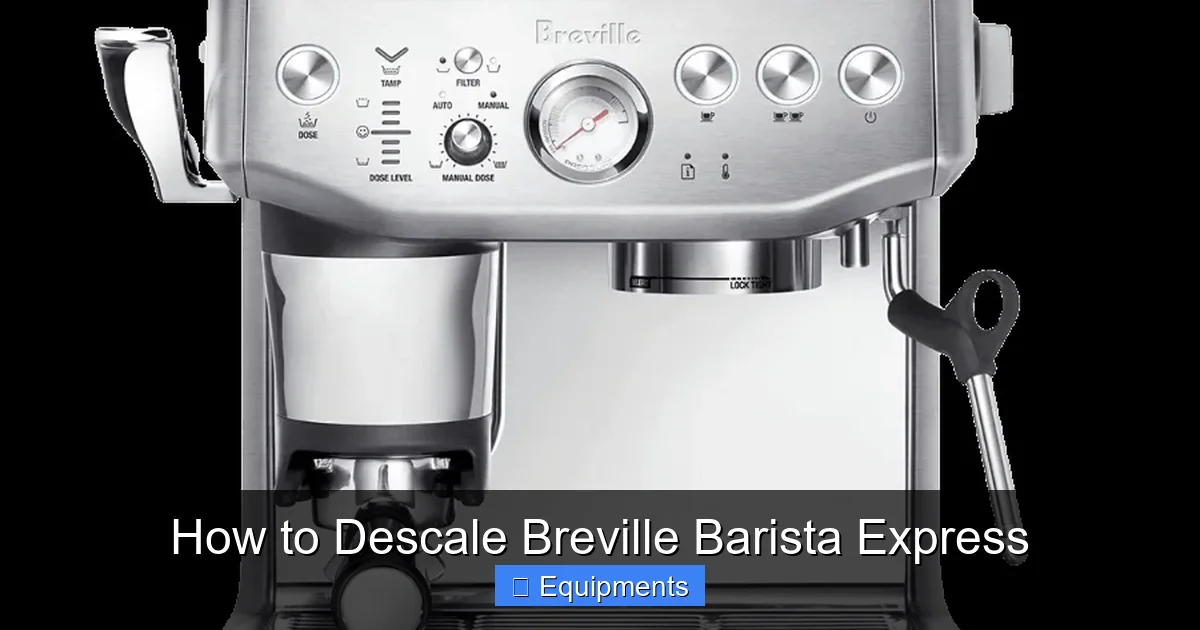
Turn the machine on. Press the Power button, then hold the 1‑cup and 2‑cup buttons simultaneously for 5 seconds. The display will show “Descale”.
Press the 1‑cup button to begin the first rinse. The solution will pump through the boiler and out the group head. Let it run until the tank is empty (about 10–12 minutes).
5. Let it sit
Once the tank is empty, turn the machine off and let the remaining solution sit in the boiler for 15 minutes. This pause lets the acid break down stubborn scale.
6. Flush with fresh water
Discard the waste liquid, rinse the water tank thoroughly, and fill it with clean water only. Turn the machine back on and run three full cycles of water through the group head, using the same 1‑cup button method. This step removes any lingering descaling residue.
7. Clean the group head and portafilter
While the water is flushing, soak the portafilter and filter basket in warm, soapy water. Use a soft brush to scrub any coffee oils. Rinse and dry before re‑assembling.
8. Re‑assemble and test
Put the water tank, drip tray, and portafilter back in place. Fill the tank with fresh water, run a “blank” shot (no coffee) to ensure temperature stability, then brew your favorite espresso. Taste the difference!
Tips for a Smooth Descaling Experience
Use filtered water
Switching to filtered or bottled water reduces future scale buildup. A simple pitcher filter can cut hardness by up to 50 %.
Keep the machine upright
During the cycle, keep the Barista Express on a flat, stable surface. Tilting can cause the solution to pool in the pump, leading to uneven descaling.
Don’t rush the rinse
Skipping the three‑run water rinse is a common mistake. Residual acid can alter the taste of your coffee and may damage the heating element over time.
Document your maintenance
Write the date of each descale on a sticky note attached to the machine. Over months, you’ll see a clear pattern and can adjust the schedule based on real‑world results.
When to call support
If, after descaling, the machine shows error codes, leaks, or the pressure gauge reads unusually low, contact Breville customer service. It may indicate a deeper issue that needs professional attention.
Understanding Limescale and Its Impact
What is limescale?
Limescale is primarily calcium carbonate that precipitates out of hard water when heated. In espresso machines, it forms a hard, chalky coating on metal surfaces, especially the boiler and pump.
How does it affect espresso?
- Temperature fluctuation: Scale insulates the heating element, causing the water temperature to drop during extraction.
- Pressure loss: Blocked pathways reduce the 9‑bar pressure needed for proper extraction.
- Flavor distortion: Inconsistent temperature and pressure lead to under‑extracted coffee, tasting sour or weak.
Preventive measures
Besides regular descaling, consider installing a water softener or using a pre‑filter on your tap. Even a small reduction in mineral content can extend the time between descales by 30–40 %.
Conclusion: A Cleaner Machine, Better Coffee
Descaling your Breville Barista Express isn’t a chore—it’s a simple ritual that protects your investment and elevates every cup you brew. By following the steps above, you’ll keep the boiler clear, maintain optimal pressure, and enjoy espresso that tastes exactly as the beans intended.
Remember: a little maintenance now prevents costly repairs later. Keep your descaling schedule, use filtered water, and savor the richer, smoother espresso that only a well‑cared‑for machine can deliver.
Frequently Asked Questions
How often should I descale my Breville Barista Express?
Breville recommends every 2–3 months, but if you have hard water or use the machine daily, you may need to descale more frequently.
Can I use white vinegar instead of Breville’s descaling solution?
Yes, a 1:1 mix of white vinegar and water works, but be sure to run three thorough rinses with fresh water to remove any vinegar taste.
What if I forget to descale for a long time?
Scale buildup can cause low pressure, temperature instability, and eventually pump failure. Descale as soon as you notice slower brewing or off‑flavors.
Do I need to descale the steam wand?
The steam wand rarely encounters high temperatures, so scale buildup is minimal. A quick wipe after each use is usually enough.
Is it safe to use a water softener with the Barista Express?
Yes, a standard under‑sink water softener reduces mineral content and can extend the interval between descaling cycles.
My machine shows an error code after descaling. What should I do?
Turn the machine off, unplug it, and let it cool for 10 minutes. If the error persists, consult the user manual or contact Breville support for assistance.