Seasoning your Hexclad pan is simple, fast, and essential for peak performance. Follow our friendly, step‑by‑step instructions to create a durable, non‑stick surface that makes cooking a joy.
Key Takeaways
- Seasoning builds a protective layer: It fills microscopic pores and prevents food from sticking.
- Use high‑smoke‑point oil: Oils like grapeseed, avocado, or refined canola work best.
- Heat control is crucial: Medium heat is enough; avoid overheating to protect the Hexclad coating.
- Cool, wipe, repeat: After each heating cycle, let the pan cool, wipe excess oil, and repeat 2‑3 times.
- Cleaning matters: Use gentle sponges and avoid abrasive cleaners to keep the seasoned layer intact.
- Re‑season as needed: Over time, re‑season whenever food starts to stick or the surface looks dull.
- Store properly: Keep the pan dry and avoid stacking heavy cookware on top.
📑 Table of Contents
- Introduction: Why Seasoning Matters for Hexclad
- What You Need Before You Start
- Step‑by‑Step Guide: How to Season a Hexclad Pan
- Tips for Maintaining the Seasoned Surface
- Common Mistakes and How to Fix Them
- Frequently Asked Questions About Hexclad Seasoning
- Conclusion: Your Hexclad Pan, Ready for Anything
Introduction: Why Seasoning Matters for Hexclad
Hexclad pans are famous for their unique blend of stainless steel and a non‑stick ceramic‑titanium coating. The hybrid design gives you the durability of steel and the easy‑release feel of non‑stick. But even the best‑engineered cookware benefits from a little extra love before its first use.
Seasoning creates a thin, polymerized oil film that fills microscopic gaps in the surface. This film acts like a shield: it reduces friction, stops food from bonding to the metal, and makes cleaning a breeze. Think of it as a “break‑in” period that transforms a brand‑new pan into a kitchen staple you’ll reach for every day.
What You Need Before You Start
Essential Tools
- High‑smoke‑point oil: Grapeseed, avocado, refined canola, or peanut oil.
- Paper towels or a lint‑free cloth: For spreading and wiping excess oil.
- Stove or induction cooktop: Medium heat works best.
- Heat‑resistant gloves: To protect your hands when handling a hot pan.
Optional Extras
- Silicone brush – for an even oil coat.
- Cooking spray – a quick alternative if you’re short on time.
- Seasoning rack – useful for multiple pans at once.
Step‑by‑Step Guide: How to Season a Hexclad Pan
Step 1: Clean the Pan Thoroughly
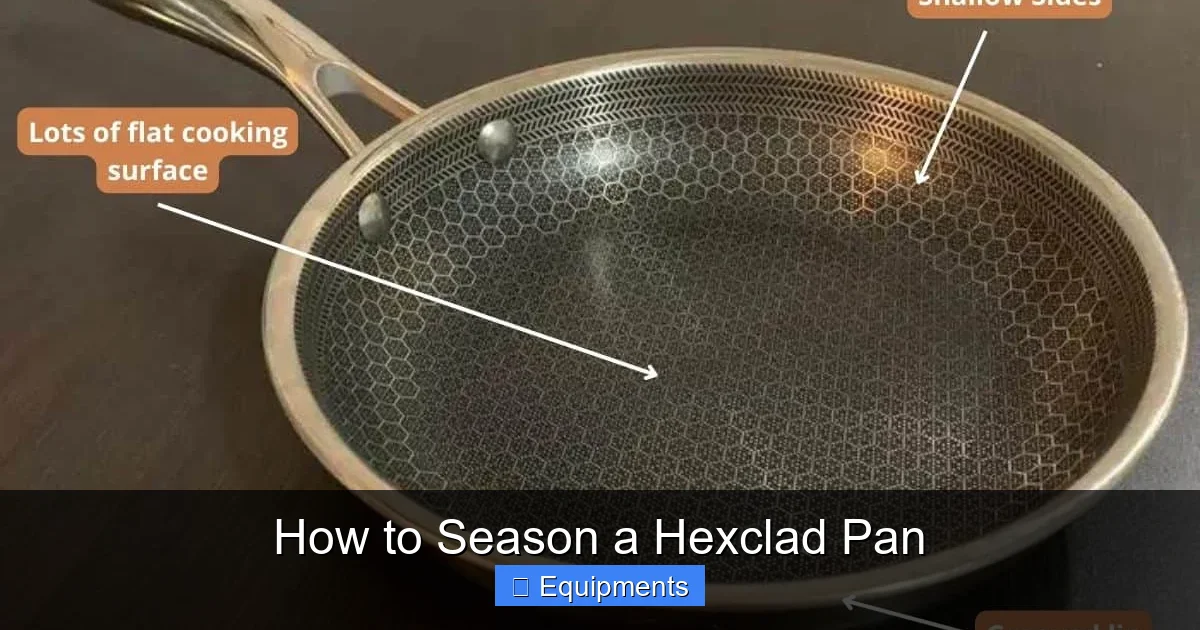
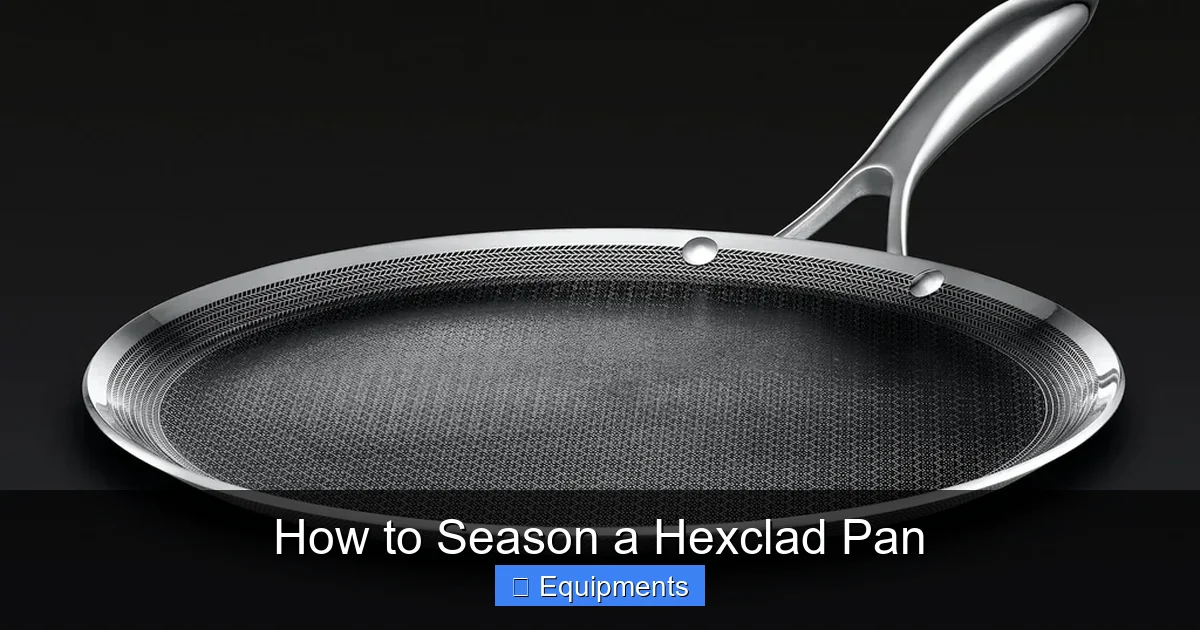
Even though Hexclad arrives pre‑polished, it may have a thin layer of protective wax or dust from packaging. Wash the interior with warm, soapy water and a soft sponge. Rinse well and dry completely with a clean towel.
Visual guide about How to Season a Hexclad Pan
Image source: panmastery.com
Visual guide about How to Season a Hexclad Pan
Image source: hexclad.com
Step 2: Heat the Pan
Place the pan on the stove over medium heat. Let it warm for about 2‑3 minutes. You’ll know it’s ready when a few drops of water dance across the surface before evaporating.
Step 3: Apply a Thin Layer of Oil
Pour a teaspoon of your chosen oil onto the pan. Using a paper towel or silicone brush, spread the oil so the entire cooking surface is lightly coated. The key is a *thin* layer—too much oil will create a sticky mess.
Step 4: Let the Oil Polymerize
Continue heating the pan for 5‑7 minutes. You’ll see a faint golden hue and a subtle scent as the oil reaches its smoke point and begins to polymerize. This is the magic moment when the protective film forms.
Step 5: Cool and Wipe
Turn off the heat and allow the pan to cool for 5 minutes. Once it’s warm (not scalding), use a clean paper towel to gently wipe away any excess oil. You should see a smooth, slightly glossy surface.
Step 6: Repeat the Process
For the best results, repeat steps 2‑5 two more times. Each cycle builds a stronger, more even layer. After the third round, your Hexclad pan will have a subtle sheen and a reliable non‑stick feel.
Tips for Maintaining the Seasoned Surface
Cooking Practices
- Preheat before adding food: Give the pan a minute on medium heat before you pour oil or butter.
- Use the right amount of fat: A teaspoon of oil or butter is enough for most meals.
- Avoid high‑heat searing: Hexclad tolerates heat, but extreme temperatures can degrade the seasoning.
Cleaning Guidelines
- Wash with warm, soapy water and a soft sponge after each use.
- Avoid abrasive pads, steel wool, or harsh chemicals.
- If food sticks, deglaze with a splash of water or broth while the pan is still warm.
Re‑Seasoning Schedule
Most users find that a single seasoning session lasts 3‑4 months of regular cooking. When you notice food beginning to cling or the surface looking dull, repeat the seasoning steps. It’s quick—under 15 minutes total.
Visual guide about How to Season a Hexclad Pan
Image source: hexclad.com
Common Mistakes and How to Fix Them
Using Too Much Oil
Over‑oiling creates a gummy residue that can become sticky when heated. If this happens, scrub the pan gently with a mixture of baking soda and warm water, rinse, dry, and start the seasoning process again.
Overheating the Pan
Excessive heat can break down the polymerized layer and even warp the pan’s hexagonal pattern. Always stay on medium heat for seasoning and normal cooking.
Skipping the Cooling Step
Wiping the pan while it’s still blazing hot can burn the oil and leave a blackened spot. Let the pan cool just enough to handle safely before wiping.
Frequently Asked Questions About Hexclad Seasoning
Do I need to season a Hexclad pan if it’s labeled “non‑stick”?
While Hexclad’s coating is already non‑stick, seasoning enhances performance, especially during the first few uses. It also extends the life of the surface.
Can I use butter instead of oil for seasoning?
Butter has a lower smoke point and can burn, leaving a residue. It’s better for cooking, not for the seasoning process. Stick to high‑smoke‑point oils.
Is it safe to use my Hexclad pan on an induction cooktop?
Yes. Hexclad is compatible with induction, gas, electric, and ceramic cooktops. The seasoning steps are the same regardless of the heat source.
How often should I re‑season my pan?
Re‑season whenever you notice food sticking or the surface losing its shine—typically every 3‑4 months for regular home cooks.
Can I use metal utensils on a seasoned Hexclad pan?
Hexclad’s stainless‑steel side is sturdy enough for metal tools, but using silicone or wooden utensils helps preserve the seasoned layer on the non‑stick side.
Will the seasoning affect the pan’s appearance?
After a few seasoning cycles, the interior will develop a light, glossy sheen. This is normal and indicates a well‑seasoned surface.
Conclusion: Your Hexclad Pan, Ready for Anything
Seasoning a Hexclad pan is a quick, low‑effort ritual that pays big dividends in the kitchen. By following the simple steps outlined above, you’ll enjoy a smoother cooking experience, easier cleanup, and a pan that stays reliable for years. Treat your pan with a little oil, a bit of heat, and a lot of care, and it will reward you with flawless, non‑stick performance every time you cook.
Now that you know how to season a Hexclad pan, go ahead and give yours a quick makeover. Your future meals—scrambled eggs, sautéed veggies, delicate fish—will thank you.
Frequently Asked Questions
Can I season a Hexclad pan in the oven?
Yes, you can place the pan upside down on a low oven rack (350°F/175°C) for 30 minutes after applying a thin oil layer. This method works well if you prefer hands‑off seasoning.
Is seasoning necessary for the stainless‑steel side of the pan?
The stainless‑steel side doesn’t need seasoning for non‑stick performance, but a light oil coat can help prevent food from sticking during high‑heat searing.
Will seasoning void my Hexclad warranty?
No. Hexclad encourages seasoning and does not consider it a modification. Just follow the recommended steps and you’ll stay within warranty guidelines.
Can I use flavored oils for seasoning?
Flavored oils can impart a subtle taste, but they often have lower smoke points and may burn. Stick to neutral, high‑smoke‑point oils for best results.
How do I know when the seasoning is complete?
A properly seasoned pan will have a faint, even sheen and food will slide off with minimal effort. If you still see sticking, repeat the process.
Is it okay to use a dishwasher after seasoning?
It’s best to hand‑wash seasoned Hexclad pans. Dishwashers can strip the oil layer, reducing the effectiveness of your seasoning.