How To Clean Old Tupperware That Is Sticky is an essential topic that provides valuable insights.
Key Takeaways
- The stickiness is often a degraded plastic film: Over time, heat, oils, and dishwashing detergents can break down the surface of older polypropylene plastic, leaving a gummy, tacky residue that attracts dirt.
- Gentle, non-abrasive methods are safest: Always start with the mildest cleaners like baking soda paste or diluted vinegar to avoid scratching the plastic, which can worsen the problem.
- Heat and harsh chemicals can accelerate damage: Avoid the dishwasher, microwave for reheating food, and abrasive scrubbers or bleach, as they degrade plastic faster.
- Deep cleaning requires patience and repetition: For severe stickiness, methods like the boiling water soak or isopropyl alcohol rub may need multiple applications for full restoration.
- Prevention is the best long-term strategy: Hand-wash with mild soap, avoid storing greasy or acidic foods, and keep containers out of direct sunlight to significantly slow down degradation.
- Know when to retire a container: If the plastic is deeply scored, discolored, or smells permanently of old food, it’s safer to recycle it. Stickiness can sometimes indicate plastic breakdown that harbors bacteria.
- Restoration isn’t always 100%: The goal is to make the container safe and functional again. Some surface texture change may be permanent, but the tacky feel can almost always be eliminated.
📑 Table of Contents
- Why Does Old Tupperware Get Sticky?
- Understanding the Culprits: What Makes Tupperware Sticky?
- Gentle Daily Cleaning Methods: Your First Line of Defense
- Tackling Tough, Set-In Stickiness: Advanced Restoration Techniques
- Preservation and Prevention: Keeping Your Containers Fresh
- Knowing When to Let Go: Safety and Sustainability
- Conclusion: A Fresh Start for Your Trusty Containers
Why Does Old Tupperware Get Sticky?
You reach into the cupboard for your trusty, decades-old Tupperware container. It’s been a loyal companion for packing lunches, storing leftovers, and organizing bits and bobs. But instead of a smooth, satisfying click of the seal, your fingers encounter something unexpected: a faint, unpleasant stickiness. The lid feels tacky. The walls of the container have a gummy film. What in the world happened? This common issue isn’t about poor cleaning; it’s a chemical and physical transformation of the plastic itself. Understanding why this happens is the first, crucial step to learning how to clean old Tupperware that is sticky and restore it to a safe, usable state.
That sticky residue isn’t just a buildup of spilled sauce or grease you missed. It’s often the plastic *becoming* the residue. Tupperware, and most food storage containers made before the last decade, are crafted from polypropylene (plastic #5). This material is fantastic—durable, flexible, and resistant to most food acids. However, it has an Achilles’ heel: it’s vulnerable to degradation from heat, oils, and the very detergents we use to clean it. Over years of use, the long polymer chains in the plastic can begin to break down. This process, accelerated by repeated trips through the hot dishwasher or microwave, causes a waxy, oily component of the plastic to migrate to the surface. This creates a microscopic, sticky film that then acts like a magnet, grabbing onto dust, food particles, and oils from your hands, making the problem visibly and tactilely worse.
Furthermore, the seals and gaskets in many vintage Tupperware lids are made from a different, softer rubber or thermoplastic elastomer (TPE). These materials are even more prone to this “exudation” or “bleeding” of plasticizers and oils. The sticky feeling is most pronounced on these sealing surfaces. So, when we talk about how to clean old Tupperware that is sticky, we’re not just talking about removing a surface contaminant. We’re talking about neutralizing and removing this degraded plastic film, and then implementing a care routine that prevents it from happening again as quickly. It’s a battle on two fronts: restoration and preservation.
Understanding the Culprits: What Makes Tupperware Sticky?
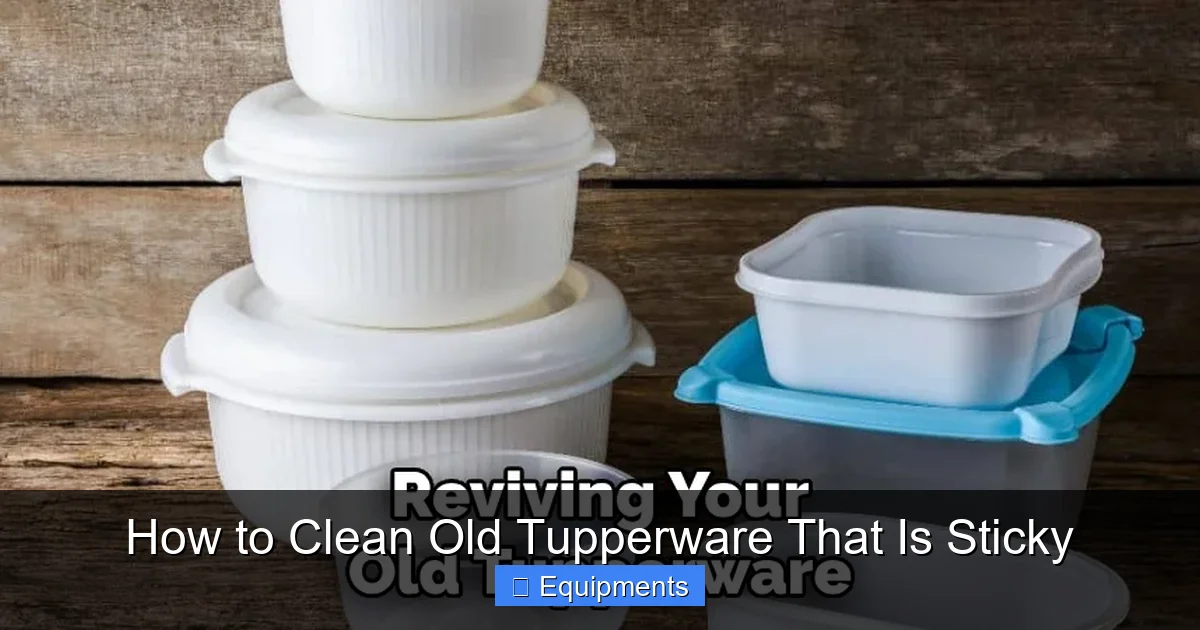
Before we dive into the cleaning solutions, it helps to know exactly what you’re fighting. The stickiness is a symptom, not the root cause. The root cause is the slow, relentless breakdown of the plastic material. Several factors contribute to this process, and identifying which ones apply to your containers can help you choose the most effective cleaning method and adjust your future habits.
Visual guide about How to Clean Old Tupperware That Is Sticky
Image source: thekitchenix.com
The Heat Factor: Dishwashers and Microwaves
Heat is public enemy number one for polypropylene plastic. While polypropylene has a high melting point (around 160°C/320°F), its structural integrity begins to weaken at temperatures much lower than that—typically above 100°F (38°C). The hot water and heated dry cycles in a dishwasher regularly exceed this, causing the plastic to soften and expand microscopically. When it cools, it doesn’t always return to its original, perfectly smooth state. This thermal cycling creates micro-fractures and changes in surface texture. More importantly, the heat accelerates the migration of those oily plasticizers to the surface. Microwaving food in plastic containers, especially fatty or oily foods, subjects the plastic to intense, direct heat from the inside out, which is even more damaging. If your sticky Tupperware has seen hundreds of dishwasher cycles, you’re dealing with advanced surface degradation.
The Oil and Grease Trap
Plastic is porous on a microscopic level. Over time, oils from foods—think salad dressings, cooking oils, butter, mayonnaise, and fatty meats—can work their way into these tiny crevices. Regular dish soap is designed to emulsify and wash away fresh oils, but aged, polymerized oils can become stubbornly embedded. This embedded oil then mixes with the exuded plastic film, creating a doubly sticky, gummy layer that feels impossible to remove with regular washing. This is why containers used for greasy foods often suffer the worst stickiness.
Detergent Buildup and Interaction
It might seem counterintuitive, but the very products we use to clean can contribute to the problem. Many modern dish detergents contain strong degreasers, bleaching agents (like chlorine), and alkaline compounds. While effective on food, these chemicals can be harsh on plastic over the long term. They can slightly etch the surface, making it more porous and prone to holding onto residues. Furthermore, if your water is hard, mineral deposits from the detergent and water can interact with the degraded plastic surface, creating a rough, sticky-feeling film.
The Age of the Plastic
Plastic formulations have changed over the years. Older Tupperware, particularly from the 1970s and 1980s, may use plastic formulas with different, less stable plasticizers and additives. These older formulations are simply more prone to this type of degradation. A container that is 30+ years old has undergone thousands of thermal cycles and exposure to countless chemicals, making the stickiness a natural part of its aging process. Newer containers often use more stable, food-grade plastics designed to resist this, but they are not immune forever, especially if subjected to abuse.
Gentle Daily Cleaning Methods: Your First Line of Defense
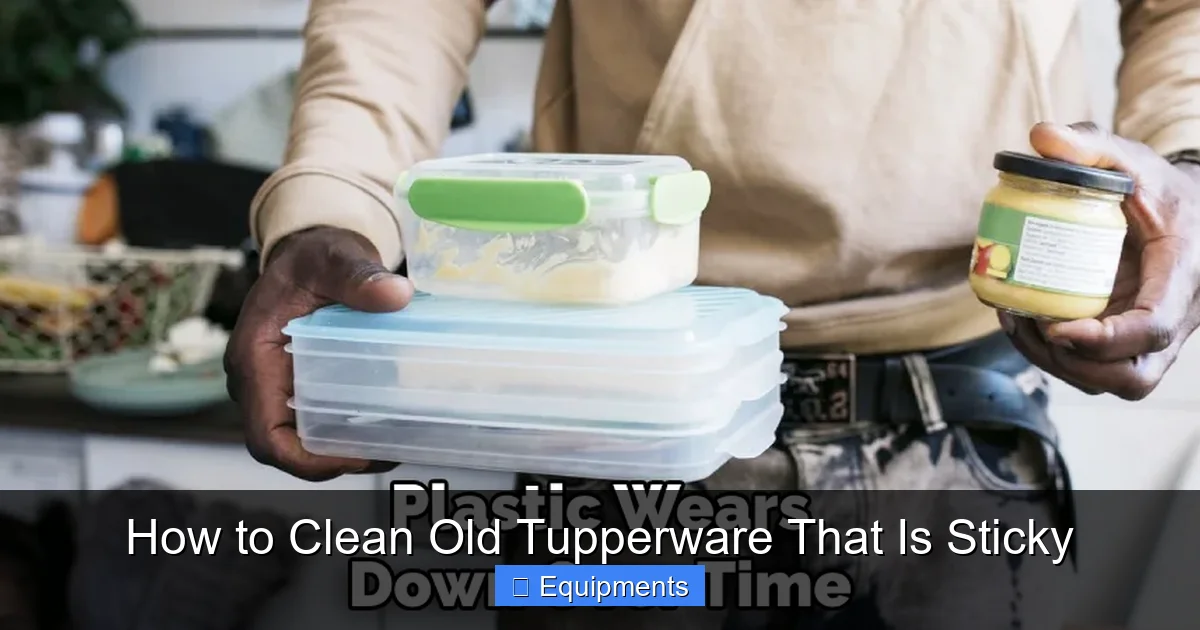
When you first notice a slight tackiness, don’t reach for the steel wool or harsh chemicals. Aggressive scrubbing will scratch the plastic, creating more microscopic grooves for oils and degraded plastic to lodge in, making the problem exponentially worse. The golden rule for how to clean old Tupperware that is sticky is to start gentle and escalate only as needed. These methods are safe for regular maintenance and for addressing mild to moderate stickiness.
Visual guide about How to Clean Old Tupperware That Is Sticky
Image source: thekitchenix.com
The Baking Soda Paste Powerhouse
Baking soda (sodium bicarbonate) is a mild, natural abrasive, a deodorizer, and a pH balancer. It’s the perfect first step. Make a thick paste by mixing baking soda with a small amount of water. Apply this paste liberally to the sticky areas—the inside walls, the lid’s sealing ring, and the rim. Using a soft sponge or even your fingers, gently rub the paste in small circular motions. The mild abrasion will help lift the degraded plastic film and embedded oils without scratching. Let it sit for 15-30 minutes. The baking soda will also help neutralize any acidic food residues. After soaking, rinse thoroughly with warm water. For a sealed lid with a sticky gasket, you can gently peel the gasket away from the lid (if it’s removable) and clean the groove and the gasket separately with the paste. This method is excellent for routine touch-ups.
Vinegar and Water Solution
White distilled vinegar is a mild acid that can cut through mineral deposits and some oily films, and it has natural antibacterial properties. It’s particularly good if you suspect hard water deposits are mixing with the plastic film. Mix a solution of equal parts white vinegar and warm water. For containers, you can simply fill the sticky container with this solution and let it soak for 1-2 hours. For lids, especially those with sticky grooves, you can place them in a bowl large enough to submerge them in the vinegar solution. After soaking, scrub gently with a soft sponge. The vinegar smell will dissipate once rinsed. For extra power, you can combine this with baking soda: after soaking in vinegar, sprinkle baking soda on the surface and scrub. The fizzing action can help dislodge grime. Important Note: Do not mix vinegar and bleach. Ever.
The Classic Dish Soap and Warm Water Soak
Sometimes, the simplest method is best, but the technique matters. Fill your sink or a large basin with hot (not boiling) water and a generous squirt of a high-quality, grease-cutting dish soap like Dawn or Fairy. Submerge the sticky container and lid completely. Let it soak for at least 30 minutes, up to several hours for severe cases. The hot, soapy water will soften and emulsify the oily components of the stickiness. After soaking, use the soft side of a sponge to wipe everything down. The combination of prolonged heat and soap is often enough to break down the surface film. Pay special attention to the lid’s sealing edge and any textured surfaces where grime loves to hide. Rinse incredibly well to remove all soap residue, which itself can feel slightly slippery.
Tackling Tough, Set-In Stickiness: Advanced Restoration Techniques
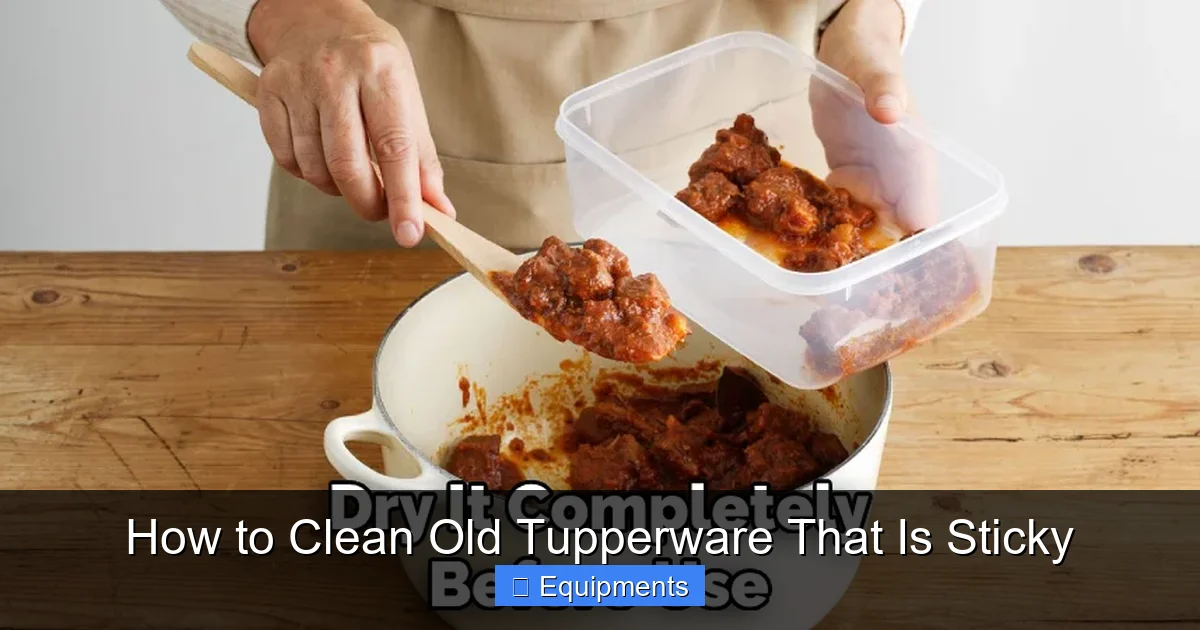
If the gentle methods haven’t fully solved the problem, it’s time for the heavy artillery. These techniques are more involved and should be used sparingly, but they are highly effective for reviving containers that feel like they’re permanently tacky. They target the degraded plastic layer more aggressively.
Visual guide about How to Clean Old Tupperware That Is Sticky
Image source: thekitchenix.com
The Boiling Water Bath Method
This is one of the most effective and safest (for the plastic) deep-cleaning methods. The goal is to use heat to soften the sticky, degraded plastic layer so it can be wiped away. Caution: This method involves very hot water and should be done carefully to avoid burns.
- Bring a large pot of water to a rolling boil on your stove.
- Carefully place the sticky Tupperware container (and lid, if safe—check for any warping first) into the pot. You may need to use tongs. Ensure the container is fully submerged. If it floats, weigh it down with a heavy spoon.
- Let it boil gently for 5-10 minutes. You may see a slight oiliness or film rise to the surface of the water—that’s the degraded plastic exuding.
- Turn off the heat and, using tongs, carefully remove the container. Let it cool just enough to handle safely (it should still be very warm).
- Immediately begin wiping the interior and sealing surfaces with a soft cloth or paper towel. The warmth will have softened the sticky film, allowing it to roll right off. You’ll be amazed at the gunk that comes away.
- Wash immediately afterward with dish soap and warm water to remove any loosened residue.
This method works wonders because it essentially “resets” the surface layer. The heat allows the degraded polymers to be physically removed rather than just dissolved. You can repeat this process if necessary, but allow the plastic to cool completely between attempts.
Isopropyl Alcohol (Rubbing Alcohol) Rub
Isopropyl alcohol (70% concentration is fine) is a powerful solvent for many organic compounds, including the oils and plasticizers that cause stickiness. It evaporates quickly and leaves no residue. This is excellent for sealed lid rims and grooves where a cloth can’t reach.
- Dampen a soft, lint-free cloth or cotton ball with isopropyl alcohol. It should be moist, not dripping.
- Rub the sticky areas vigorously. For textured surfaces, use a soft-bristled toothbrush dipped in alcohol.
- For a sticky lid seal, apply alcohol to a cotton swab and meticulously clean the entire groove where the gasket sits. This is often where the worst stickiness hides.
- Wipe the area with a clean, dry cloth. You’ll see the residue transfer to the cloth.
- Allow the container to air dry completely. The alcohol will evaporate, taking dissolved grime with it.
- Wash with soapy water afterward to remove any remaining dissolved plastic film and alcohol smell.
Safety Note: Use in a well-ventilated area. Keep away from flames. Do not use on cracked or heavily degraded plastic, as alcohol can sometimes accelerate drying and cracking in already brittle material.
Specialized Plastic Cleaners
There are commercial products designed specifically for restoring plastic surfaces, such as those used for automotive headlights or marine plastics. Products like Meguiar’s PlastX or Novus Plastic Polish (the #2 or #3 grade) are formulated to clean and mildly polish plastic without abrasion. They contain fine polishing agents and solvents that can remove the oxidized, sticky layer. Follow the product instructions precisely: typically, you apply a small amount to a soft cloth, rub in small sections, and buff to a clear finish. This is a more expensive option but can yield professional-level results on valuable vintage Tupperware. Always test on a small, inconspicuous area first.
Preservation and Prevention: Keeping Your Containers Fresh
Cleaning old Tupperware that is sticky is one thing. Keeping it from getting sticky again is another. Once you’ve restored a container, your goal is to preserve its new(ish) state for as long as possible. This requires changing a few long-held habits.
The Hand-Wash Mandate
This is the single most important rule for preserving plastic containers. The dishwasher is a factory of heat and harsh detergents. To prevent future degradation, commit to hand-washing all your plastic food storage with warm water and a mild dish soap. Use a soft sponge. Avoid the scrubby side. This eliminates the thermal cycling and chemical assault that causes the stickiness in the first place. It takes an extra minute, but it can add decades to the life of your containers.
Smart Storage Practices
What you store and how you store it matters. Avoid storing very greasy, oily foods directly in plastic for long periods. If you must, consider using a glass container for those specific items. Always let food cool to room temperature before sealing and storing it. Hot food creates steam and condensation inside the container, which, when combined with the heat, accelerates plastic breakdown. Store containers with the lids slightly ajar or separate if possible, to allow air circulation and prevent any residual moisture from creating a humid environment that can promote odors and degradation.
Sunlight and Heat Avoidance
Never store plastic containers in direct sunlight, such as on a windowsill or in a car. UV radiation is incredibly damaging to plastics, causing them to become brittle, discolored, and more prone to the sticky exudation problem. Keep your cupboards cool and dark. Also, never use plastic containers in the microwave unless they are explicitly labeled “Microwave Safe.” Even then, use them only for reheating, not for cooking high-fat foods, and avoid using the lid (which can warp and melt).
Regular Maintenance Schedule
Don’t wait for stickiness to become a major problem. Incorporate a simple maintenance routine. Once a month, give all your plastic containers a deep soak in a baking soda and water solution or a vinegar-water solution. This proactive step helps dissolve any nascent film before it builds up into a stubborn layer. It’s much easier to prevent the problem than to cure it.
Knowing When to Let Go: Safety and Sustainability
Our desire to reduce waste and hold onto beloved items is commendable. But when it comes to food storage, safety must come first. There comes a point in a plastic container’s life when cleaning, no matter how thorough, is no longer the best answer. How do you know when to retire that old Tupperware that is sticky?
Deep Scratches and Cracks: If the stickiness is accompanied by deep scratches, gouges, or cracks, especially in the sealing area, the container should be retired. These imperfections are impossible to clean completely and can harbor bacteria, mold, and biofilm, posing a health risk. Scratches also dramatically increase the surface area for plastic degradation.
Permanent Discoloration and Odor: If the plastic is permanently stained (orange from tomatoes, yellow from curry) or, worse, retains a sour, rancid, or “old plastic” smell no matter how many times you clean it, the material has likely absorbed these compounds irreversibly. This indicates significant porosity and breakdown.
Warping and Seal Failure: If the lid no longer seals properly—it doesn’t click, it pops off easily, or the container lid won’t stay on—the structural integrity is compromised. Warping from heat damage means the container can’t perform its primary function of creating an airtight seal, leading to food spoilage.
Excessive Brittleness: If the plastic feels thin, brittle, or cracks when you flex it slightly, it has reached the end of its useful life. Brittle plastic can shatter unexpectedly.
When you decide to recycle, check your local municipality’s guidelines for recycling #5 polypropylene. Many curbside programs accept it. Remember, a container that is unsafe for food can often be repurposed for non-food items like organizing hardware, craft supplies, or kids’ toys (if not brittle), giving it a second life before recycling.
Conclusion: A Fresh Start for Your Trusty Containers
That sticky feeling on your old Tupperware isn’t a sign of poor housekeeping; it’s a natural consequence of plastic aging in a hot, oily world. By understanding that the stickiness is a degraded surface layer, you can approach the problem with the right tools and patience. Start with the gentlest methods—a baking soda paste or a vinegar soak. If that fails, escalate to the powerful yet safe boiling water bath or an isopropyl alcohol rub. The key is to be persistent but not destructive. Once clean, the real victory lies in prevention. Adopt a strict hand-wash-only policy, keep containers cool and out of the sun, and store smart. By treating your plastic containers with a little more care, you can extend their functional life for years, reducing waste and keeping your kitchen organized. And when a container finally shows it’s truly worn out, you can recycle it with the confidence that you gave it a good, long life. Now, go forth and restore that sticky Tupperware—your leftovers (and your conscience) will thank you.
Frequently Asked Questions
Can I use bleach to clean sticky Tupperware?
It’s not recommended. While bleach is a strong disinfectant, it is extremely harsh on polypropylene plastic and can accelerate degradation, making the surface more porous and sticky over time. It can also cause permanent discoloration. Stick to the gentler methods like baking soda, vinegar, or isopropyl alcohol for safe, effective cleaning.
Will the dishwasher get rid of the stickiness permanently?
No, and it will likely make it worse. The high heat and harsh detergents in a dishwasher are primary causes of the plastic degradation that leads to stickiness. Putting a sticky container in the dishwasher might remove some surface grime temporarily, but it will further break down the plastic surface, causing the stickiness to return more quickly and severely. Always hand-wash restored containers.
Is the sticky film on old Tupperware dangerous?
The sticky film itself is primarily degraded plastic and embedded oils, which is not inherently toxic. However, the deep scratches and pores that often accompany this degradation can harbor harmful bacteria like E. coli or Salmonella, which are difficult to remove. If the container is deeply scored, smells permanently of old food, or you’re unsure of its cleanliness, it’s safest to stop using it for food storage.
What’s the absolute safest way to clean the sticky seal on a lid?
The safest and most effective method for a sticky lid seal (the rubber/TPE gasket) is a combination of the baking soda paste and the isopropyl alcohol rub. First, remove the gasket if possible. Scrub it and the groove it sits in with a baking soda paste using a soft toothbrush. Rinse. Then, dampen a cotton swab with isopropyl alcohol and meticulously clean the entire groove and the back of the gasket. This removes both the degraded plastic film and any embedded oils without damaging the soft seal material.
Can I prevent my new Tupperware from ever getting sticky?
You can significantly delay it. The key is to avoid the main causes: heat and oils. Always hand-wash new containers with mild soap. Never microwave them unless specifically designed for it, and even then, avoid heating high-fat foods. Store them away from direct sunlight and heat sources (like above the stove or dishwasher). Don’t store very greasy foods in them for extended periods. Following these practices from the start will keep your newer containers in great condition for many years.
My container is sticky AND smells like old tomatoes. What do I do?
This calls for a double-pronged attack. First, deodorize: fill the container with warm water and add 2-3 tablespoons of baking soda or a sliced lemon. Let it soak overnight. The baking soda will absorb odors. Second, attack the stickiness: after the soak, dump the water and use the boiling water bath method or an isopropyl alcohol rub to remove the sticky film. The combination of odor absorption and surface cleaning should resolve both issues. If the smell persists deeply, it may be time to recycle.