Regular cleaning with vinegar is the safest, most effective way to maintain your Opal ice maker. This simple process removes mineral buildup, eliminates odors, and ensures your ice is always fresh and clean. By following a straightforward step-by-step method using common white distilled vinegar, you can extend the life of your appliance and guarantee pure-tasting ice every time. Never use harsh chemicals; vinegar is non-toxic and perfect for food-contact surfaces.
Key Takeaways
- Vinegar is Ideal: White distilled vinegar safely dissolves mineral scale (limescale) and kills bacteria without toxic residues, making it perfect for cleaning ice makers.
- Safety First: Always unplug the unit and remove all ice and water before starting any cleaning process to avoid electrical hazards.
- Frequency Matters: Clean your Opal every 3-6 months, or more often if you have hard water or notice decreased ice production/odd tastes.
- The Full Cycle is Key: Running at least two complete vinegar-water cycles followed by multiple fresh water rinses is crucial to remove all cleaning solution.
- Don’t Skip External Wipe-Down: The ice chute, bin, and exterior surfaces harbor mold and bacteria; wiping them with a vinegar solution is as important as the internal cycle.
- Use Distilled Water for Rinsing: After the final rinse cycle, refill the reservoir with distilled water for the first batch of ice to ensure zero vinegar taste.
- Listen for Indicator Lights: The “Clean” light on your Opal is a helpful reminder; reset it only after completing the full, proper cleaning process.
📑 Table of Contents
- Why Cleaning Your Opal Ice Maker with Vinegar is Non-Negotiable
- Understanding Your Opal: What You’re Actually Cleaning
- Gathering Your Supplies & Safety Precautions
- The Step-by-Step Guide: Cleaning Your Opal with Vinegar
- Deep Cleaning the Exterior, Bin, and Accessories
- Reassembly, First Ice, and Routine Maintenance Schedule
- Troubleshooting: What If It Still Tastes Like Vinegar?
- Conclusion
Why Cleaning Your Opal Ice Maker with Vinegar is Non-Negotiable
Your Opal ice maker is a marvel of convenience, sitting on your countertop and producing perfect, chewable nugget ice on demand. But like any appliance that handles water, it’s a magnet for mineral buildup, especially if you have hard water. Over time, calcium and magnesium deposits—that chalky white stuff called limescale—coat the internal water pathways, the freezing chamber, and the ice ejector. This isn’t just a cosmetic issue. Scale acts as an insulator, forcing your Opal to work harder and longer to make ice, which strains the compressor and can lead to premature failure. Worse, the damp, dark interior is a breeding ground for mold, mildew, and bacteria like Legionella, which can contaminate your ice and, ultimately, your drinks. Using a proper cleaning solution isn’t about pampering your appliance; it’s about protecting your health, your investment, and ensuring your ice always tastes like nothing but pure, cold water.
Enter white distilled vinegar. This kitchen staple is a powerhouse cleaner for a reason. Its acetic acid is fantastic at breaking down mineral deposits through a gentle chemical reaction. Simultaneously, vinegar is a natural disinfectant, capable of killing many common household germs and fungi. Best of all, it’s food-safe, non-toxic, and leaves no harmful chemical residues behind when thoroughly rinsed. When you decide to clean your Opal ice maker with vinegar, you’re choosing a method that is both highly effective and completely safe for an appliance that directly contacts what you consume. It’s the recommended approach by the manufacturer for routine descaling, and it’s what we’ll master together.
Understanding Your Opal: What You’re Actually Cleaning
The Journey of Water Through Your Opal
To clean effectively, you need to understand the enemy’s territory. Water from your reservoir enters the system and is pumped over a cold evaporator grid. As it flows, it begins to freeze into the iconic nugget shape. The grid vibrates, shaking the ice nuggets loose, where they fall into the storage bin. The water that doesn’t freeze recirculates. Every surface this water touches—the pump, the tubing, the evaporator grid, the ice chute, the storage bin—is susceptible to scale and biofilm (a slimy layer of bacteria). The most critical area is the evaporator grid itself; if it’s coated in scale, heat transfer is inefficient, ice production slows, and nuggets can become small or misshapen.
Visual guide about How to Clean Opal Ice Maker with Vinegar
Image source: icemakinghub.com
The Two-Part Cleaning Process
Cleaning your Opal is a two-phase mission. Phase One is Descaling: Using a vinegar-water solution to dissolve mineral deposits from all internal water passages and the freezing grid. Phase Two is Sanitizing/Rinsing: Flushing the system with copious amounts of fresh water to remove every trace of vinegar and any loosened grime, ensuring your first batch of post-cleaning ice is pristine. Skipping or shortening the rinse phase is the #1 mistake people make, leading to ice that tastes sharply of vinegar.
Gathering Your Supplies & Safety Precautions
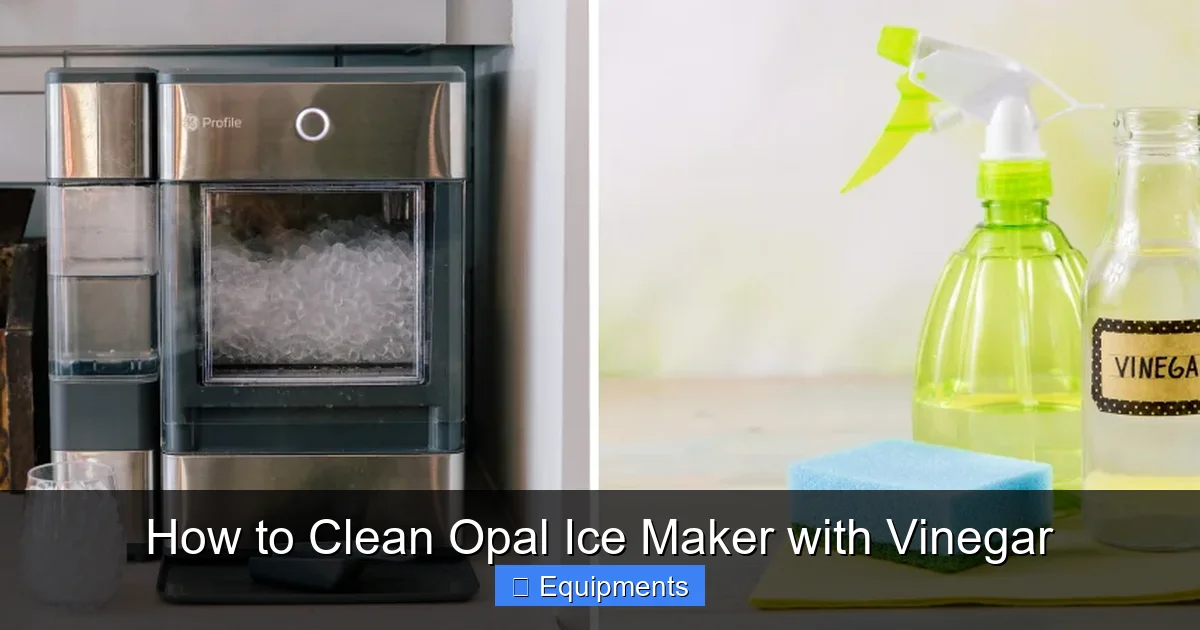
Before you start, gather everything you need. This avoids mid-process scrambling and ensures a smooth, complete clean. You will need:
- White Distilled Vinegar: Not apple cider vinegar, not cleaning vinegar (which is too strong). Standard 5% acidity white vinegar is perfect.
- Fresh Water: Preferably filtered or distilled for the final rinse cycles to prevent immediate re-mineralization.
- Soft, Clean Cloths or Sponges: Microfiber is ideal. Avoid abrasive scrubbers.
- Mild Dish Soap: For cleaning the bin and exterior.
- A Small Container or Measuring Cup: For mixing your solution.
- Rubber Gloves (Optional): For those with sensitive skin.
Visual guide about How to Clean Opal Ice Maker with Vinegar
Image source: storables.com
Essential Safety First Steps
This cannot be stressed enough.
- UNPLUG THE UNIT. This is the golden rule. Never, ever attempt to clean an electrical appliance while it’s powered.
- Empty Everything. Dump all ice from the storage bin. Remove the ice basket and any scoops. Tilt the unit slightly to drain any residual water from the internal reservoir and drain plug (if your model has one).
- Remove the Water Reservoir. Take it off the back or side and empty it completely. Set it aside for separate cleaning.
With the machine unplugged and empty, you can safely access all parts.
The Step-by-Step Guide: Cleaning Your Opal with Vinegar
Now, let’s get into the nitty-gritty. This process is designed for most Opal models (Opal, Opal 2.0, Opal Nugget Ice Maker). Always consult your specific user manual first, but this is the universal, proven method.
Visual guide about How to Clean Opal Ice Maker with Vinegar
Image source: thekitchenix.com
Step 1: Prepare and Run the Vinegar Cleaning Solution
Mix a solution of 1 part white distilled vinegar to 1 part fresh water. For a typical Opal reservoir that holds about 1.5 quarts (1.4 liters), this means roughly 3/4 cup of vinegar and 3/4 cup of water. Do not fill the reservoir completely with this mix; just enough to cover the bottom and allow the pump to circulate it. Pour the mixed solution into the clean, empty reservoir. Important: Do not pour vinegar directly into the empty reservoir without diluting it, as concentrated vinegar could damage seals over time. Reinstall the reservoir on the unit. Plug the Opal back in. Press the power button to turn it on. The machine will begin its cycle: it will pump the vinegar-water solution, it will attempt to freeze it (it won’t make proper ice, and that’s fine), and the “Clean” light will likely illuminate. Let the unit run its full cycle. This will pull the solution through all internal tubes, over the evaporator grid, and out the ice chute. You will hear the normal sounds of operation. Once the cycle completes (the “Clean” light may stop blinking or the unit may power down), the vinegar solution will have done its job dissolving scale.
Step 2: Discard and Rinse the Reservoir
After the first cycle finishes, unplug the unit again for safety. Carefully remove the reservoir. You’ll notice it may have some sediment or cloudy residue—that’s the dissolved mineral scale! Dump the used vinegar solution down the drain. Rinse the reservoir thoroughly with warm, soapy water, then rinse it again with clean water until all soap and vinegar smell is gone. Dry it with a clean cloth or let it air dry.
Step 3: The Critical Fresh Water Rinse Cycles
This is the most important phase for taste. Fill the clean reservoir with fresh, cold water (filtered or distilled is best). Reinstall it, plug the unit in, and run a full ice-making cycle. When it finishes, discard all the ice produced in this cycle. This ice will likely still have a faint vinegar taste and should be thrown away. Now, empty the reservoir again, rinse it, and refill with fresh water. Repeat this full cycle and discard the ice. For optimal results, perform at least two full fresh water rinse cycles. After the second rinse cycle, taste a piece of ice (if you’re comfortable). If there is any hint of vinegar, do a third rinse cycle. Patience here guarantees perfect-tasting ice.
Deep Cleaning the Exterior, Bin, and Accessories
While the internal cycles run, you have time to tackle the rest. The ice storage bin and chute are just as important as the internal mechanics. They collect dust, spills, and airborne microbes.
Cleaning the Ice Bin and Scoop
Remove the ice storage basket and any plastic scoop. Wash them in the sink with warm water and a drop of mild dish soap. Use a soft sponge to scrub all surfaces, paying special attention to the corners and the bottom of the bin where old ice cubes can leave a slimy film. Rinse thoroughly under running water. For sanitizing, you can wipe them down with a cloth dampened with your 1:1 vinegar-water solution, then rinse again. Let them air dry completely on a clean towel before reinstalling.
Wiping Down the Exterior and Ice Chute
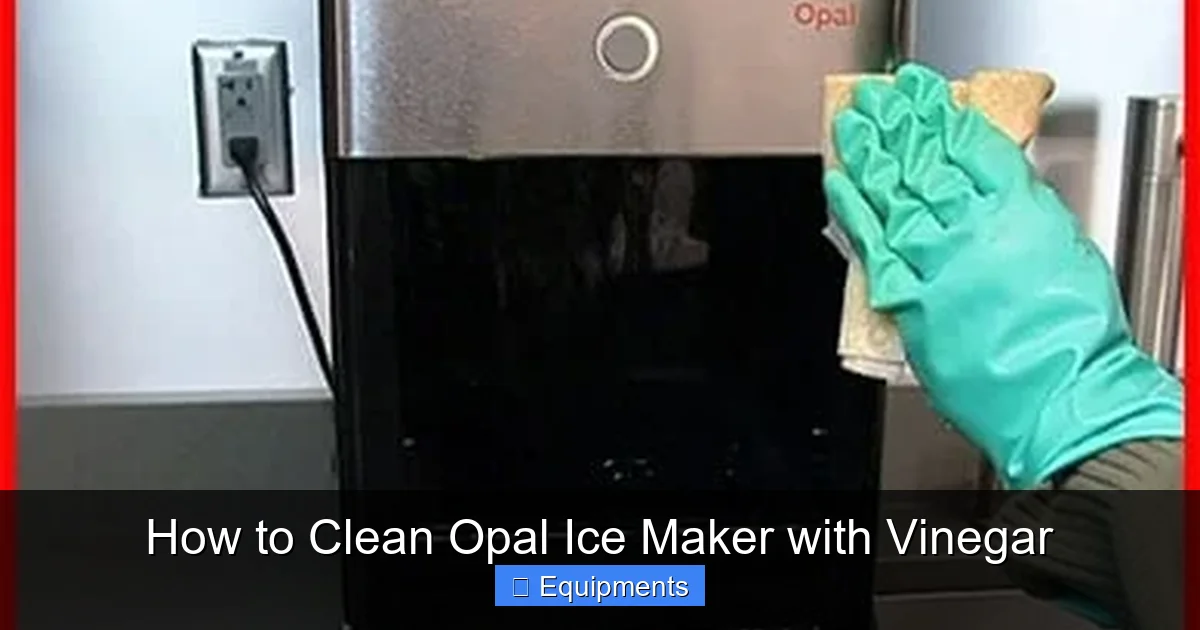
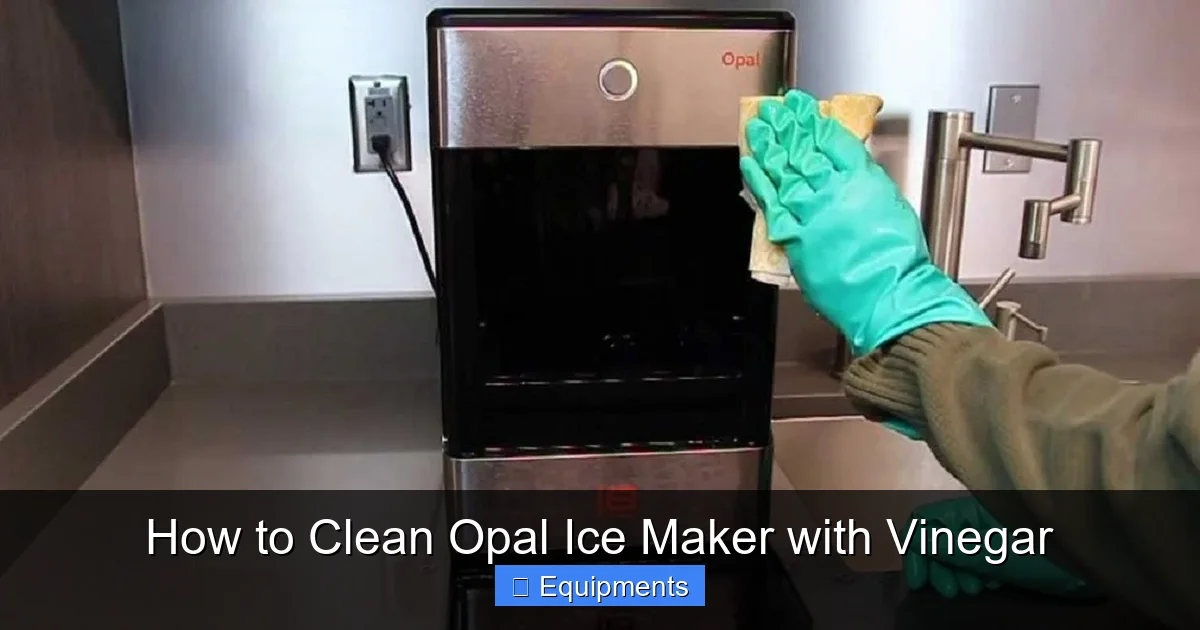
With the unit unplugged, use a soft cloth dampened with your vinegar-water solution to wipe down the entire exterior—the top, sides, and control panel (avoid excessive moisture near buttons). Dip a cotton swab in the solution to clean around the ice chute opening where ice exits into the bin. This area gets splashed and can harbor mold. Follow with a clean, damp cloth to wipe away any vinegar residue, then a dry microfiber cloth to polish. Never spray liquid directly onto the unit; always apply it to the cloth first.
Reassembly, First Ice, and Routine Maintenance Schedule
Putting It All Back Together
Once all parts are completely dry, reassemble your Opal. Slide the clean ice basket back into its position. Ensure the reservoir is clean and dry. Fill the reservoir with fresh, cold water—for your very first batch after cleaning, consider using distilled or filtered water to guarantee no off-tastes. Plug the unit in, press the power button, and wait for your first batch of clean, fresh ice.
Establishing a Cleaning Routine
Prevention is easier than cure. Set a calendar reminder based on your usage and water hardness.
- Light Use/Soft Water: Every 6 months.
- Average Use/Average Water: Every 4 months.
- Heavy Use/Hard Water: Every 2-3 months.
Watch for signs that cleaning is overdue:
- Ice production slows down significantly.
- Ice cubes are smaller than usual or irregular.
- Ice tastes or smells “off” (stale, chemical, musty).
- You notice visible white scale on the reservoir or ice.
- The “Clean” indicator light comes on and stays on.
Troubleshooting: What If It Still Tastes Like Vinegar?
If you’ve followed the rinse cycle steps and your ice still has a vinegar tang, don’t panic. This is almost always due to insufficient rinsing. Solution: Perform 2-3 more full fresh water rinse cycles, discarding all ice each time. Ensure you are using cold, fresh water for rinses, not the same water sitting in the reservoir for hours. Another possibility is that vinegar residue is trapped in the ice scoop or bin. Remove and thoroughly wash these parts again. In rare cases, a vinegar-smell can linger if the internal drain hose (if your model has one) has residue. Running a few more cycles usually flushes it through.
When Vinegar Isn’t Enough: Dealing with Severe Buildup
For extremely neglected units with thick, caked-on scale, vinegar alone may not cut it. After trying the vinegar method, if scale remains visible on the evaporator grid (you might see it if you look into the ice chute with a flashlight), you may need a commercial descaler labeled safe for ice makers or food appliances, like Urnex Cafiza or a dedicated Opal cleaning solution. Always follow the commercial product’s instructions precisely, and you will likely still need to do extensive vinegar-water rinses afterward to remove any chemical taste. Prevention through regular cleaning is far easier than tackling severe buildup.
Conclusion
Cleaning your Opal ice maker with vinegar is a simple, affordable, and safe ritual that pays huge dividends. It protects your investment from the silent damage of limescale, safeguards your family’s health by eliminating microbial growth, and ensures that every nugget of ice that clinks into your glass is as pure and refreshing as it should be. By making this 30-minute process a regular part of your kitchen maintenance schedule, you’ll enjoy peak performance and delicious ice for years to come. Remember the core mantra: Unplug, Empty, Vinegar Cycle, Discard, Rinse, Rinse, Rinse. Your Opal—and your cocktails—will thank you.
Frequently Asked Questions
Can I use apple cider vinegar or cleaning vinegar instead of white distilled vinegar?
No. Apple cider vinegar can leave a fruity odor and taste, and its color may stain. “Cleaning vinegar” has a higher acidity (usually 6-8%) which is too strong for your Opal’s internal components and seals over time. Always use standard 5% acidity white distilled vinegar.
How do I know if my Opal needs cleaning beyond the indicator light?
Look for these signs: ice production is much slower, ice nuggets are smaller or have an odd texture, ice tastes or smells musty or “like plastic,” you see visible white chalky deposits in the reservoir or ice bin, or the ice chute has visible slime. These all indicate it’s time for a vinegar clean.
Can I use lemon juice instead of vinegar?
While lemon juice contains citric acid, it is less effective at dissolving heavy mineral scale than acetic acid. It also contains sugars and pulp that can leave a sticky residue and promote bacterial growth if not rinsed perfectly. For reliable, thorough descaling, white vinegar is superior and recommended.
My ice still tastes like vinegar after three rinse cycles. What’s wrong?
First, ensure you are using cold, fresh water for each rinse and discarding all ice. Second, thoroughly wash the ice storage bin and scoop with soapy water, as vinegar residue can hide there. Third, try a rinse cycle with a solution of 1 teaspoon baking soda in the reservoir, then follow with two more fresh water cycles; baking soda helps neutralize odors.
My Opal’s “Clean” light is on. Do I have to use a special Opal cleaning solution?
The “Clean” light is a timer-based reminder. You do not need a proprietary solution. The manufacturer’s instructions approve the use of white distilled vinegar for descaling. Using a 1:1 vinegar-water solution and following the full rinse protocol will both clean the machine and allow you to reset the “Clean” light indicator as per your manual’s instructions.
Is it ever okay to use bleach to clean my Opal ice maker?
We strongly advise against using bleach. Bleach is a harsh chemical that can degrade plastic and rubber seals inside your Opal. It also requires extremely thorough rinsing to be safe for consumption, and any residual chlorine can create dangerous byproducts. For a food-safe, effective clean, vinegar is the superior and recommended choice.