Using a wok on a gas stove unlocks the secret to authentic, high-heat Asian cooking. The key is leveraging the gas flame’s direct, controllable heat to achieve “wok hei”—that prized smoky, charred flavor. This guide covers everything from selecting the right wok and seasoning it properly to mastering heat zones, essential techniques like stir-frying and steaming, and crucial maintenance to keep your wok performing perfectly for a lifetime.
You’ve seen the chefs on TV, the dizzying blur of a wok in a restaurant kitchen, the clouds of fragrant smoke billowing from the vent. That magic, that explosive flavor and texture, feels a world away from your home kitchen. But what if I told you the single biggest secret isn’t a special ingredient or a decades-old family technique? It’s the simple, profound compatibility between a classic round-bottomed wok and the open flame of a gas stove. This isn’t just cookware; it’s a dynamic cooking system. If you’ve ever wondered how to use a wok on a gas stove to achieve restaurant-quality results at home, you’re in the right place. We’re going beyond the basics to demystify the heat, the seasoning, the motion, and the maintenance. By the end, you won’t just be cooking in a wok; you’ll be wielding it with confidence, turning your gas burner into a personal wok hei generator.
Let’s start with the why. An electric or induction stove provides even, steady heat from below. A wok, with its deep, curved bowl, is designed to channel intense, direct heat up its sides. A gas flame does this perfectly. It licks up the sides, creating a gradient of searing-hot at the bottom to gently warming at the rim. This allows you to cook different components of a dish simultaneously in one pan—searing meat in the hottest spot while vegetables cook just a few inches away in a slightly cooler zone. This is the heart of stir-frying. This guide will walk you through every step, from that first unboxing to your first perfect, smoky, “I-can’t-believe-I-made-this” dish.
Key Takeaways
- Gas is Ideal: A gas stove’s open flame and instant, adjustable heat are perfectly suited for a wok’s curved shape, allowing for the high, concentrated heat needed for proper stir-frying and wok hei.
- Seasoning is Non-Negotiable: Properly seasoning a carbon steel or cast iron wok creates a natural, polymerized non-stick patina that prevents rust, improves flavor, and makes cooking and cleaning easier.
- Master Heat Zones: Learn to use the different heat zones of your wok on a gas burner—the super-hot center for searing, the medium sides for cooking through, and the cooler outer edge for holding or finishing.
- Preparation is Everything: Have all ingredients prepped, sauces mixed, and within arm’s reach before heating the wok. Wok cooking happens fast, and there’s no time for chopping mid-cook.
- Technique Over Tools: While a wok spatula (chǎn) and ladle (sháo) are helpful, the core techniques—stir-fry, deep-fry, steam, braise—are more important. Practice the toss and continuous motion.
- Clean with Care: Never use soap on a well-seasoned wok. Use hot water and a non-metal scrubber, then dry immediately on the stove and apply a thin coat of oil to protect the patina.
- Embrace the Smoke: High-heat wok cooking will produce smoke. Use your vent hood on its highest setting, open windows, and accept it as a sign you’re doing it right.
📑 Table of Contents
- Choosing the Right Wok for Your Gas Stove
- The Sacred Ritual: Seasoning Your Carbon Steel Wok
- Understanding & Conquering Gas Stove Heat for Your Wok
- Mastering Core Wok Cooking Techniques on Gas
- Essential Wok Tools & Gas Stove Setup
- Troubleshooting & Advanced Tips for Gas Stove Wok Mastery
- Conclusion: The Journey to Wok Hei
Choosing the Right Wok for Your Gas Stove
Not all woks are created equal, and the wrong one will fight your gas stove instead of partnering with it. The two critical factors are material and shape, both dictated by your gas burner setup.
Material Matters: Carbon Steel vs. Cast Iron vs. Modern Alternatives
The traditional, undisputed champion for gas stove wok cooking is carbon steel. It’s relatively lightweight, heats up incredibly quickly, and responds almost instantly to changes in flame intensity—a must for gas cooking. Its thin walls allow the heat to penetrate food rapidly, creating that essential sear and “wok hei” (the breath of the wok, that elusive smoky, caramelized flavor). It requires seasoning to build a non-stick patina, but this patina is what makes it superior for flavor and performance over time.
Cast iron is a heavier, more forgiving option. It retains heat spectacularly well, so once it’s hot, it stays hot. This is great for preventing temperature drops when adding large amounts of food. However, it’s slow to heat up and even slower to cool down, making subtle heat adjustments on a gas burner more challenging. It also requires more maintenance to prevent rust.
Avoid non-stick coated woks for serious gas stove cooking. The coatings cannot withstand the sustained, ultra-high temperatures (often 400°F/200°C and above) needed for proper stir-frying and will degrade quickly, potentially releasing harmful fumes. Stainless steel woks are an option but suffer from poor heat conductivity and severe hot spots unless they have an aluminum or copper core, which is rare. Stick with carbon steel for the authentic experience.
The Crucial Shape: Round-Bottom vs. Flat-Bottom
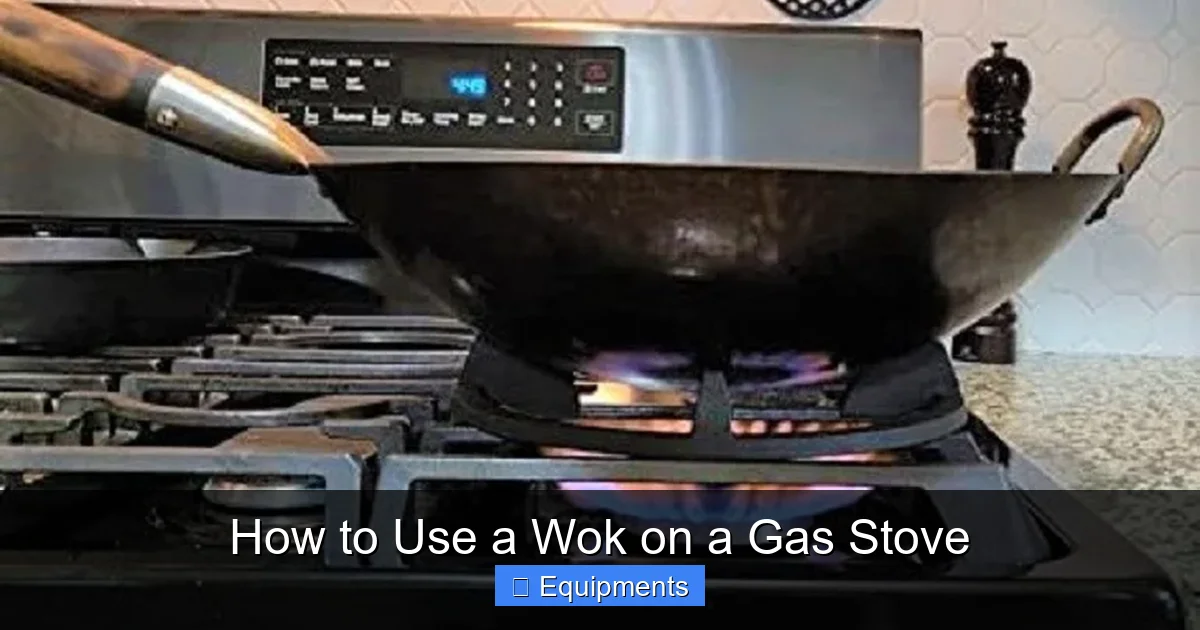
This is the most important compatibility check. Round-bottom woks are the classic design. They sit directly on the gas burner grate, allowing the flame to拥抱 (hug) the curved surface. This maximizes contact and heats the wok most efficiently. If you have a traditional gas stovetop with a raised grate, a round-bottom wok is the purest choice. You’ll likely need a wok ring (a metal stand) to stabilize it. Be aware: a ring lifts the wok away from the flame slightly, reducing direct heat contact. Some purists even use the wok without a ring, balancing it carefully on the burner grates for maximum flame contact.
Flat-bottom woks are designed for electric and induction stoves but work on gas too. The flat base sits securely on the burner grate. The downside is that the flame only contacts the bottom directly, not the sides. You lose some of the dramatic side-heat that makes wok cooking so efficient. However, for stability and convenience—especially on modern glass-top gas stoves—a flat-bottom carbon steel wok is a fantastic and practical compromise. It will still get screaming hot and perform brilliantly.
The Sacred Ritual: Seasoning Your Carbon Steel Wok
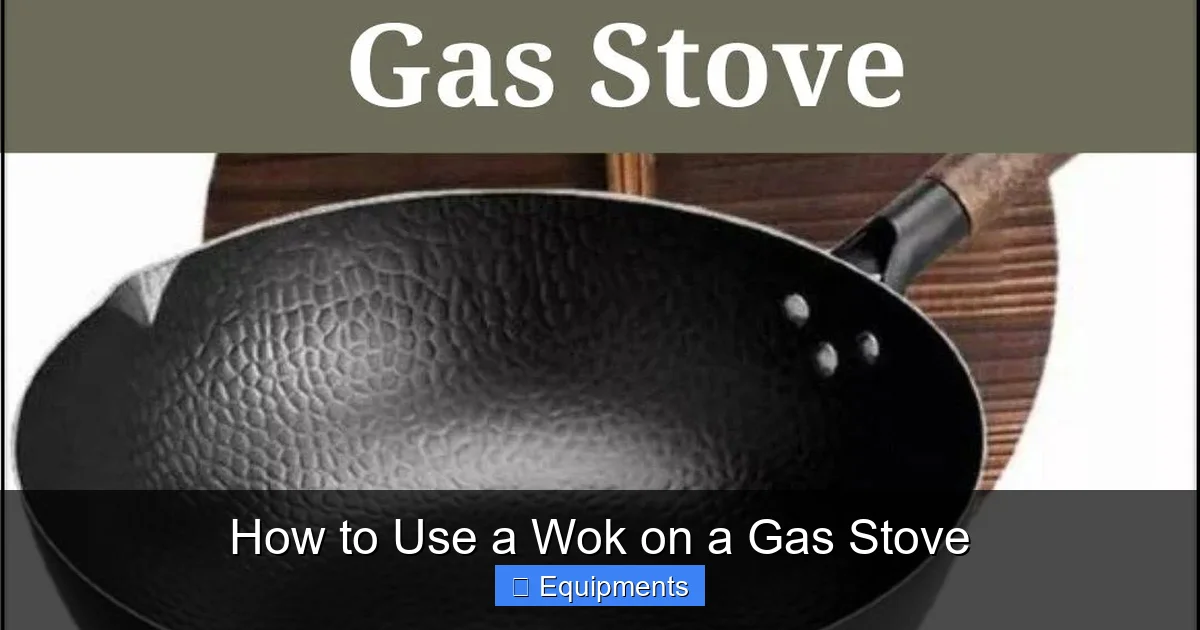
Your new carbon steel wok is bare metal, silvery-gray, and prone to rust. Seasoning transforms it. It’s the process of creating a hard, smooth, black, non-stick polymerized layer of oil on the surface through high-heat oxidation. This layer, called patina, is what you cook on. It improves with every use. Don’t be intimidated; it’s a simple, one-time process (with ongoing maintenance).
Visual guide about How to Use a Wok on a Gas Stove
Image source: asian-recipe.com
Step-by-Step Initial Seasoning
First, a warning: this process will create smoke. Open windows, turn on your vent hood to max, and be prepared. You’re essentially baking oil onto metal at high temperatures.
- Wash & Scrub: Use hot water, a stiff brush or steel wool, and a tiny bit of dish soap to remove the factory protective coating. Rinse and dry thoroughly immediately.
- Heat Dry: Place the wok on your gas burner over medium-low heat for 2-3 minutes to evaporate all residual water. You’ll see it change color slightly.
- Apply Oil: Using a paper towel held with tongs or a silicone brush, rub a very thin layer of a high-smoke-point oil (like peanut, canola, avocado, or grapeseed) all over the interior surface, including the upper sides. Wipe off all excess—it should look dry, not shiny.
- Heat Until Smoking: Turn the heat to medium-high. The oil will start to smoke. This is good. Let it smoke heavily for 5-10 minutes. You’ll see the metal darken to a blue, purple, and finally a brownish-black color.
- Cool & Repeat: Turn off the heat and let the wok cool completely. It will look blotchy—this is normal. Repeat steps 2-5 (oil, heat to smoke, cool) 2-3 more times. With each cycle, the color will become more uniform and the patina will build.
- Final Wipe: Once cooled, rub the entire interior with a tiny bit more oil and a paper towel. Your wok is now seasoned and ready for its first cook.
Maintaining the Patina After Each Cook
After cooking, let the wok cool slightly (don’t plunge it into cold water while hot, as it can warp). Scrape out any food bits with a wok spatula or a bamboo brush. Rinse under hot running water. Use a non-abrasive scrubber (like a dedicated wok brush or a ball of steel wool) only if needed. Never use soap. The soap can strip the seasoning. Rinse, then immediately place it back on the gas burner over low heat for a minute to dry completely. While still warm, rub a drop of oil over the entire interior surface with a paper towel. Store it in a dry place. If rust spots appear (orange, not the brown patina), scrub them off with steel wool and re-season that spot.
Understanding & Conquering Gas Stove Heat for Your Wok
This is the most critical skill. Your gas burner has a range, and your wok has zones. Learning to use them in concert is the difference between steamed vegetables and a proper, charred stir-fry.
Visual guide about How to Use a Wok on a Gas Stove
Image source: heatarrays.com
The Heat Zone Map of a Wok
When your wok is heated on a gas burner, it creates a gradient:
- The “Bottom” or “Pit”: The absolute center, touching the grate. This is your sear zone. Temperatures here can exceed 500°F (260°C). Use it for quickly browning meat, shrimp, or tofu to lock in juices.
- The “Sides”: The sloping walls. This is your primary cooking zone. It’s still very hot (350-450°F/175-230°C) but not as extreme as the pit. This is where you’ll toss your vegetables, garlic, and ginger, cooking them through while getting some color.
- The “Upper Rim”: The very top edge. This is your “holding” or “finishing” zone. It’s warmest when the wok is very hot but coolest of the three zones. Use it to push cooked ingredients to keep them from overcooking while you work on new additions in the hotter center/sides.
The Water Test: Your New Best Friend
How do you know when your wok is ready? Before you add any oil, perform the water test. Heat the empty wok over medium-high heat for 2-3 minutes. Then, using a spoon, flick a few drops of water into the wok. If the droplets skitter around on a layer of steam and evaporate immediately, the wok is not hot enough. If the droplets sizzle violently, form a single bead that moves rapidly, and evaporate in a second or two—you are at the perfect “wok hay” temperature (around 400°F/200°C). This is the moment to add your oil. If the water droplets sit and boil (like in a pan), it’s too hot and you’re about to burn your oil. Reduce heat slightly and wait 30 seconds.
Managing the Flame
Gas gives you instant control. Your goal is to maintain that “water-test” temperature throughout the cook. When you add a large amount of food (like a full pound of cold meat), the wok temperature will plummet. This is normal. Don’t panic and crank the heat to max. Instead, let the food sit for a moment to sear on contact, then begin your toss/stir. The friction of the food against the hot metal will help bring the temperature back up. Once the food is mostly seared, you can briefly increase the heat to recharge the wok’s temperature for the next step. The dance is: Add food → slight temp drop → stir/toss to cook and regain heat → adjust flame as needed.
Mastering Core Wok Cooking Techniques on Gas
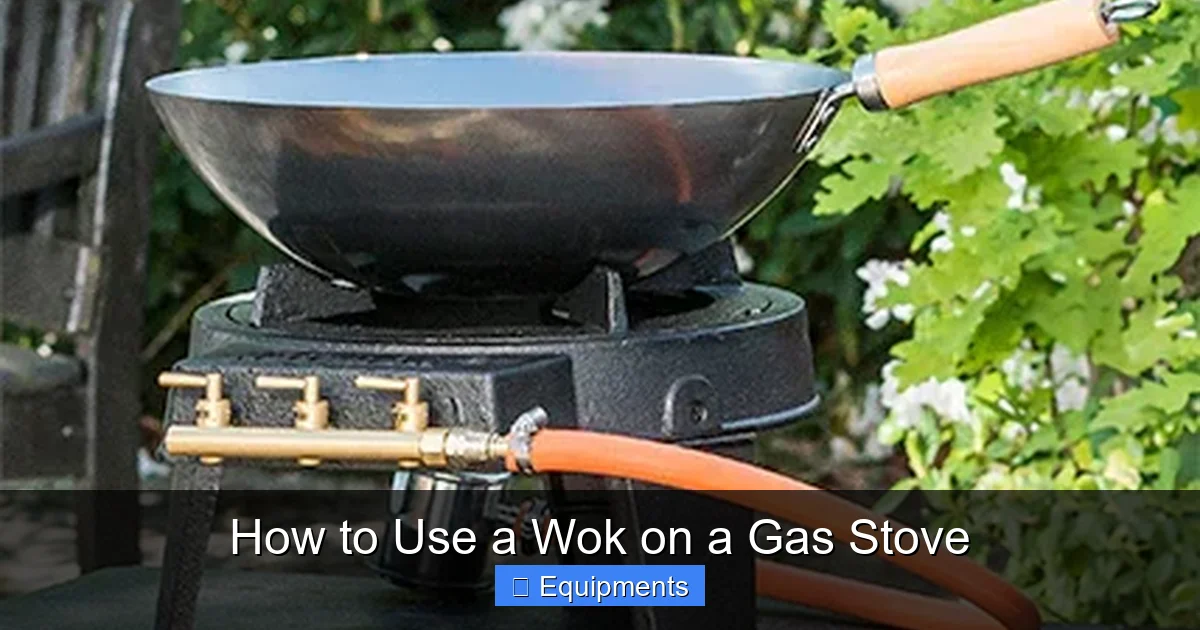
With your wok hot and seasoned, it’s time to cook. The gas stove’s responsiveness is key here. Let’s break down the essential methods.
Visual guide about How to Use a Wok on a Gas Stove
Image source: cdn.shopify.com
The Art of the Stir-Fry (Chǎo)
This is the iconic technique. The principle is: small, uniform pieces, high heat, constant motion.
- Prep (Mise en Place): Have everything chopped, sauces mixed, and within arm’s reach. You will not have time to look for the soy sauce.
- Heat & Oil: Perform the water test. Add 1-2 tablespoons of high-smoke-point oil, swirling to coat the bottom and lower sides. It should shimmer immediately but not smoke violently.
- Aromatics First: Add garlic, ginger, chilies. Stir-fry for 15-30 seconds until fragrant—do not let them burn.
- Protein: Push aromatics to the upper rim. Add your marinated meat or tofu in a single layer. Let it sear for 30 seconds without moving, then stir-fry until 80% cooked. Push to the rim.
- Vegetables: Add harder vegetables first (carrots, broccoli), then softer ones (bell peppers, mushrooms). Stir-fry, using the toss motion (flick your wrist to lift and turn the wok) to keep everything moving. The goal is to cook them to crisp-tender.
- Sauce & Finish: Push everything to the rim, creating a clear space in the hot center. Give your sauce mixture a stir (cornstarch settles) and pour it into the center. It should thicken and bubble within seconds. Then, mix everything together vigorously to coat. The sauce will thicken further from the residual heat. Remove from heat immediately.
Deep-Frying in a Wok
The wok’s shape is perfect for deep-frying. The sloping sides allow oil to pool in a smaller surface area at the bottom, meaning you use less oil than in a straight-sided pot. The high, even heat ensures crispy, golden results without greasiness.
- Fill the wok with oil to no more than 1/3 full. Never overfill.
- Heat the oil to the recipe’s temperature (usually 350-375°F/175-190°C). Use a thermometer or test with a small piece of food (it should sizzle vigorously and rise to the surface immediately).
- Fry in small batches. Overcrowding drops the oil temperature drastically, leading to soggy, greasy food.
- Use a wire spider or slotted spoon to remove food, letting excess oil drain back into the wok. Transfer to a wire rack over a baking sheet, not paper towels (which trap steam and make food soggy).
Steaming in a Wok
Yes, you can steam in a wok! It’s perfect for dumplings, fish, or vegetables.
- Place a steamer rack or a few chopsticks in a cross pattern in the bottom of the wok.
- Add 1-2 cups of water—just enough so it doesn’t touch the food when the rack is in place. Bring to a rolling boil over high heat.
- Place your food (on a plate or in a bowl) on the rack. Cover the wok with a lid.
- Steam according to recipe times. The gas flame will maintain a steady boil. Monitor water level and refill with boiling water if needed.
Essential Wok Tools & Gas Stove Setup
You don’t need a lot, but the right tools make all the difference in control and safety.
The Must-Have Tools
- Wok Spatula (Chǎn): A long-handled, curved metal spatula. The curve matches the wok’s curve, allowing you to slide it under food easily and perform the toss motion. Metal is essential for scraping the seasoned surface without damage.
- Wok Ladle (Sháo): A long-handled, deep, perforated metal ladle. Used for scooping, draining, and serving. The perforations allow oil to drain.
- Long Tongs: For handling hot food, adjusting ingredients, and safely handling the hot wok if needed.
- Wok Brush: A bamboo brush with stiff bristles, ideal for cleaning the wok post-cook without soap.
- Heat-Resistant Gloves: The wok handle and the sides will get scorching hot. Always use a glove or a thick towel to hold the handle.
Setting Up Your Station
Efficiency and safety are paramount. Your gas stove’s vent hood is not optional; it’s mandatory. Turn it on to high before you even light the burner. Arrange your mise en place (prepped ingredients) to the left or right of the stove, within easy reach. Have your tools laid out. Have a small bowl of water nearby for dousing flames if oil splatters catch fire (never use water on a grease fire—smother it with a lid or baking soda).
Troubleshooting & Advanced Tips for Gas Stove Wok Mastery
Even with the best plan, things can go awry. Here’s how to fix common problems and level up your skills.
Common Problems & Solutions
- Food is Steaming, Not Stir-Frying: Your wok isn’t hot enough. You added food before the oil was shimmering or you overcrowded the wok. Fix: Perform the water test properly. Cook in smaller batches. Let food sit for 10 seconds before stirring to allow a sear to form.
- Food is Sticking & Burning: Your patina is not built up yet, or you’re using the wrong oil (low smoke point). Fix: Ensure your wok is fully seasoned. Use peanut, avocado, or refined oils. Make sure the wok is hot enough before adding oil and food. Use the “hot spot” (the pit) for searing, then move food to the sides.
- Smoke is Overwhelming: You’re using too much oil or it’s past its smoke point. Your wok is likely too hot. Fix: Use less oil (just enough to coat). Use a high-smoke-point oil. If the oil is smoking profusely before food is added, your wok is too hot. Reduce the flame slightly.
- Wok is Rusting: It wasn’t dried properly or stored in a humid environment. Fix: Scrub rust off with steel wool, re-season that area, and ensure it’s bone-dry before storage. Always apply a micro-thin coat of oil after cleaning.
Level-Up Techniques
- Velveting: A Chinese restaurant technique for ultra-tender meat. Coat bite-sized pieces of meat in a mixture of cornstarch, rice wine, and soy sauce, then briefly blanch in boiling water or oil before stir-frying. The starch coating protects the protein from the intense heat.
- Deglazing: After stir-frying meat and aromatics, you’ll have delicious browned bits stuck to the wok. Pour in a splash of Shaoxing wine, stock, or even water, and scrape the bottom with your spatula to release those flavors into a sauce.
- Two-Stage Cooking: For dishes with ingredients that cook at different rates (like beef and broccoli), cook each component separately to its perfect stage, then combine at the end with the sauce. This prevents one ingredient from being undercooked while another is overdone.
Conclusion: The Journey to Wok Hei
Learning how to use a wok on a gas stove is not about memorizing a single recipe. It’s about learning a language—the language of heat, motion, and timing. The gas flame is your dynamic brush, the wok your canvas, and the ingredients your paint. Your first few attempts might be smoky, messy, or result in slightly steamed vegetables instead of charred ones. That’s okay. With each use, your seasoning will deepen, your heat intuition will sharpen, and your toss will become more confident. You’ll learn the subtle sound of a properly heated wok, the exact moment when garlic turns fragrant without browning, and the feel of a perfect toss. You’ll move from following steps to understanding principles. That smoky, elusive “wok hei” isn’t a mystery; it’s the cumulative result of high heat, a well-seasoned pan, and a cook who is in rhythm with their tools. Fire up that gas burner, grab your wok, and start the conversation. Your best stir-fry is waiting.
Frequently Asked Questions
Can I use my new carbon steel wok immediately after seasoning?
Yes! Once the initial seasoning cycles are complete and the wok is cool, it’s ready. For the first few cooks, use a bit more oil than usual and avoid very acidic foods (like tomato sauce) for a month to help the patina stabilize and strengthen.
My wok is smoking like crazy when I heat it. Is that normal?
A small amount of light smoke when the wok is heating up to temperature is normal, especially with a new patina. However, if it’s billowing thick, dark smoke, your wok is likely too hot, or you have excess oil on the surface. Reduce the heat and ensure you’ve wiped it thoroughly with oil after cleaning.
Why is my food sticking even though I seasoned my wok?
The most common reasons are: 1) The wok wasn’t hot enough before adding oil and food (perform the water test). 2) You overcrowded the wok, dropping the temperature. 3) Your patina is still young and not fully developed. Continue cooking with it regularly using moderate to high heat and proper oil.
Should I get a round-bottom or flat-bottom wok for my glass-top gas stove?
For a glass-top stove, a flat-bottom wok is strongly recommended for stability and to prevent the wok from tipping or scratching the surface. A round-bottom wok on a glass top is a safety hazard. You can still achieve excellent results with a flat-bottom carbon steel wok on a gas burner.
How do I store my wok to prevent rust?
After the final post-cook oiling, store your wok in a dry cupboard. Do not nest other pans inside it, as this can trap moisture and scratch the patina. If storing for a long time, apply a slightly thicker coat of oil.
Can I use soap on my wok if it’s really dirty?
For routine cleaning, never use soap. For a very stuck-on mess, you can use a tiny amount of mild dish soap and a non-abrasive scrubber, but you must immediately and thoroughly re-season that area afterward by heating it, applying oil, and letting it smoke. Soap strips the polymerized seasoning layer.
Pingback: Cooking Cabbage on Stove Top - kitchenandhouseware.com