Forget dry chicken breasts! This guide shows you how to transform 15 boneless skinless chicken thighs into a spectacular, juicy pasta dish. We cover everything from the perfect pasta pairing and a foolproof pan sauce to pro tips for searing and storing. It’s the ultimate, scalable recipe for feeding a crowd or meal-prepping with maximum flavor and minimal fuss.
Let’s talk about the ultimate weeknight warrior, the crowd-pleasing champion, the dish that makes you look like a kitchen hero with surprisingly little effort: a massive pan of 15 Boneless Skinless Chicken Thighs with Pasta. If you’ve ever been stuck in the “chicken breast rut,” this is your glorious escape. This isn’t just a recipe; it’s a blueprint for a hearty, scalable, and unbelievably delicious meal that turns a simple protein into the star of the show. We’re going deep on why this combination works, how to execute it perfectly every time, and how to make it your own. Get ready to revolutionize your pasta night.
Key Takeaways
- Thighs Over Breasts: Boneless skinless thighs are inherently more forgiving, juicy, and flavorful than breasts, making them perfect for a one-pan pasta dish that never turns out dry.
- Scalable by Design: Using 15 thighs (about 3-4 lbs) is ideal for serving 6-8 people or creating multiple meals for meal prep, with easy adjustments for smaller batches.
- One-Pan Magic: The entire dish, from searing chicken to building a silky sauce, comes together in a single large skillet or Dutch oven, minimizing cleanup.
- Sauce Synergy: The fond (browned bits) left after cooking the thighs is pure flavor gold, forming the base for a rich, cohesive sauce that clings perfectly to pasta.
- Pasta Choice Matters: Opt for shapes with nooks and ridges like penne, rigatoni, or fusilli to capture every drop of the delicious chicken-infused sauce.
- Customize Freely: This template is incredibly versatile—swap veggies, adjust herbs, or change the cheese to match your pantry and preferences.
- Storage & Reheat: This dish reheats beautifully due to the moist chicken thighs, making it a top-tier meal prep option for lunches throughout the week.
📑 Table of Contents
- Why 15 Boneless Skinless Chicken Thighs Are Your Secret Weapon
- Building Flavor from the Start: Ingredients & Prep
- The One-Pan Cooking Method: From Sear to Sauce
- Pasta Perfection: Cooking and Combining
- Serving Suggestions and Plating Like a Pro
- Customization, Storage, and Reheating: Your New Kitchen Template
- A Final Slurp: Why This Recipe Wins
Why 15 Boneless Skinless Chicken Thighs Are Your Secret Weapon
Before we grab our pans, let’s address the poultry in the room: why thighs, and why specifically 15? The number might seem specific, but it’s born from practical, delicious math. First, the cut itself.
The Unbeatable Qualities of the Chicken Thigh
Boneless, skinless chicken thighs are the daredevil of the poultry world. They have a higher fat content and more connective tissue than breasts. When cooked properly—which we’ll detail—this fat renders down, basting the meat from the inside and resulting in incredibly juicy, tender, and flavorful bites. They are notoriously forgiving. You can cook them a minute or two longer without sending them into a dry, stringy panic. This makes them perfect for a dish where you’re searing a large batch and then simmering them in sauce. That fat also carries seasoning beautifully and adds a rich mouthfeel to your final pasta sauce that chicken breasts simply cannot match.
The Logic Behind the Number 15
Fifteen boneless skinless chicken thighs typically weigh between 3 to 4 pounds. This quantity is pure gold for a few key reasons:
- Feeds a Crowd: It’s the perfect amount for a family dinner with 6-8 people, or for a potluck where you need to make an impression.
- Meal Prep Mastery: Cook once, eat all week. This batch yields enough for 4-5 full meals, making your Sunday cooking session highly efficient.
- Economical: Buying in this larger quantity often lowers the per-pound cost compared to buying a small pack.
- Sauce Ratio: It provides the ideal amount of rendered chicken fat and fond to build a robust, well-bodied sauce for 1 to 1.5 pounds of pasta, ensuring every strand is coated.
Think of it as the “sheet cake” of chicken pasta recipes—designed to be shared, stored, and celebrated.
Building Flavor from the Start: Ingredients & Prep
The success of your 15 Boneless Skinless Chicken Thighs with Pasta hinges on two things: proper seasoning and the Maillard reaction (that beautiful browning). Let’s gather our cast.
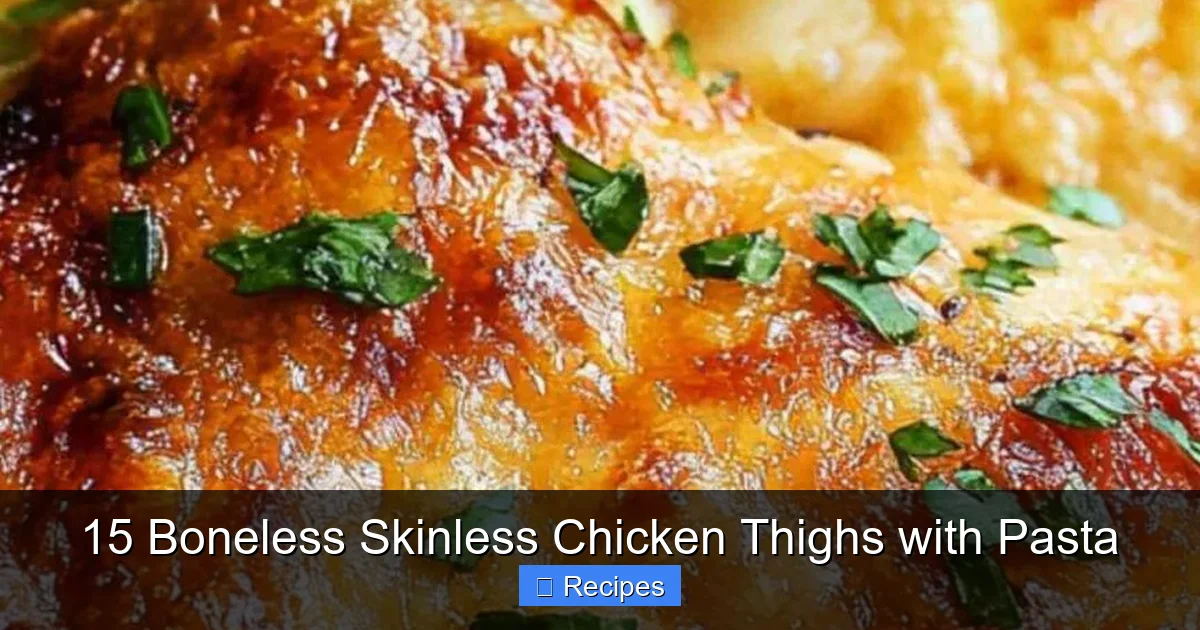
Visual guide about 15 Boneless Skinless Chicken Thighs with Pasta
Image source: sweetmamaskitchen.com
The Holy Trinity: Salt, Pepper, and Fat
You need a solid foundation. For 15 thighs, you’ll want about 1.5 tablespoons of kosher salt and 1 tablespoon of freshly cracked black pepper. Don’t be shy—season them generously on all sides. This is your only chance to get seasoning into the meat itself. For searing, use a high-smoke point oil like avocado, canola, or refined olive oil. You’ll need about 2-3 tablespoons to coat your large pan.
Essential Aromatics and Herbs
These build the flavor layers in your sauce. You’ll want:
- Alliums: 1 large yellow onion, diced, and 4-6 cloves of garlic, minced.
- Herbs: A mix of dried and fresh. Dried oregano and thyme (1 tsp each) are hardy and added early. Fresh basil or parsley (a big handful, chopped) goes in at the end for brightness.
- Umami Boosters (Optional but Recommended): A tablespoon of tomato paste for depth, and a splash of white wine or chicken broth to deglaze the pan.
The Pasta: Choose Your Weapon
This is not the time for delicate linguine. You need a pasta that can stand up to a chunky, meaty sauce. Penne, rigatoni, fusilli, or farfalle (bowtie) are excellent choices. Their shapes trap sauce in their nooks and crannies. Plan on 1 to 1.5 pounds of dry pasta for this amount of chicken and sauce. Always salt your pasta water generously—it should taste like the sea. This is the only chance to season the pasta itself.
Pro-Tip: The Dry Brine (Patience is a Flavor)
For next-level results, place your seasoned chicken thighs on a wire rack over a baking sheet, uncovered, in the refrigerator for 1-4 hours. This “dry brine” allows the salt to penetrate the meat and the surface to air-dry. A dry surface = a better, more even sear. If you’re short on time, you can skip this, but it’s a game-changer if you plan ahead.
The One-Pan Cooking Method: From Sear to Sauce
This is where the magic happens. We’re going to build layers of flavor in a single pan. You’ll need a large, heavy-bottomed skillet or a Dutch oven that can hold all 15 thighs in a single layer without crowding. If your pan is too small, cook in batches—never crowd the pan!
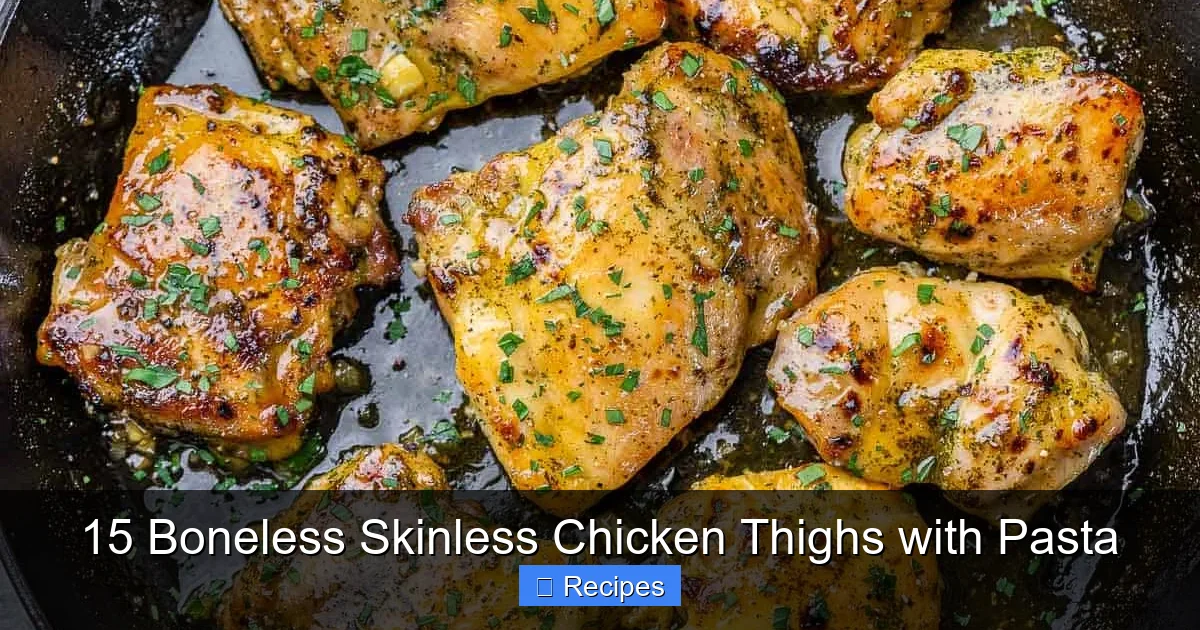
Visual guide about 15 Boneless Skinless Chicken Thighs with Pasta
Image source: healthyfitnessmeals.com
Step 1: The Perfect Sear
Heat your oil over medium-high heat until it shimmers. Working in batches if necessary, add the chicken thighs in a single layer. Do not move them! Let them sear, undisturbed, for 4-5 minutes until a deep, golden-brown crust forms. Flip and sear the other side for another 4 minutes. You’re not cooking them through here—you’re building flavor. Transfer the seared thighs to a plate. They should look deliciously browned.
Step 2: Building the Sauce Base
Reduce the heat to medium. There should be about 2-3 tablespoons of chicken fat left in the pan. If there’s excess, pour some off, but leave the good stuff! Add your diced onion and cook until softened, about 5 minutes. Stir in the garlic and dried herbs, cooking for just 1 minute until fragrant—don’t let the garlic burn! This is where you’d add a tablespoon of tomato paste if using, cooking it for a minute to deepen its flavor. Now, pour in your deglazing liquid (about 1 cup of white wine or chicken broth). Use a wooden spoon to scrape up all those glorious browned bits (fond) from the bottom of the pan. This is non-negotiable; that fond is liquid flavor. Let the liquid reduce by half.
Step 3: Simmer and Finish
Return all the seared chicken thighs and any accumulated juices to the pan, nestling them into the sauce. Add a can (14.5 oz) of crushed tomatoes or a cup of full-fat coconut milk for a creamy option, or simply more broth for a lighter sauce. Bring to a simmer, then reduce heat to low, cover, and let it cook for 15-20 minutes, or until the chicken is cooked through (internal temp of 165°F). The sauce will thicken slightly. In the last 5 minutes, stir in your fresh herbs. Taste and season with more salt and pepper as needed.
Pasta Perfection: Cooking and Combining
While your chicken simmers, it’s pasta time. The key is timing so everything comes together hot and fresh.
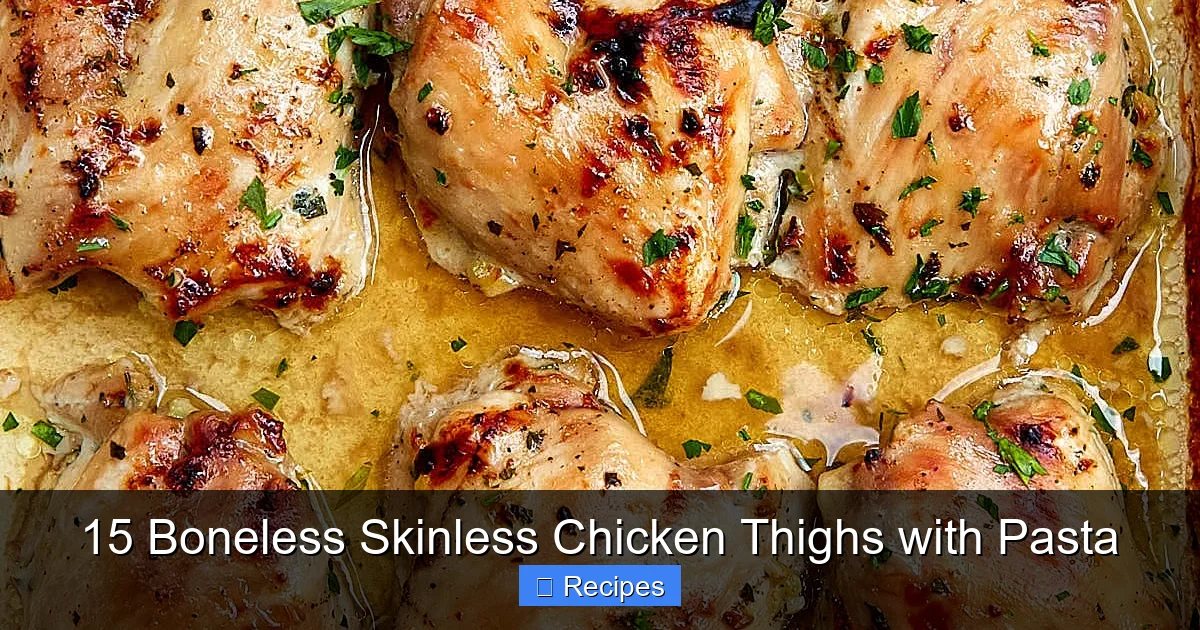
Visual guide about 15 Boneless Skinless Chicken Thighs with Pasta
Image source: cravingtasty.com
Cook the Pasta Al Dente
Bring a large pot of heavily salted water to a rolling boil. Add your chosen pasta and cook according to package directions for al dente—it should still have a slight bite. Before draining, reserve about 2 cups of the starchy pasta water. This liquid gold is the secret to a silky, emulsified sauce that clings to every piece of pasta. Drain the pasta, but do not rinse it.
The Grand Finale: Marrying Pasta and Sauce
There are two schools of thought, both valid. You can either: 1) Add the drained pasta directly to the large skillet with the finished chicken and sauce, tossing to coat and adding reserved pasta water as needed to create a glossy, cohesive dish. Or 2) Plate the pasta in bowls or on a large serving platter, top with the chicken thighs, and spoon the sauce over everything. The first method integrates everything more thoroughly, while the second gives a more composed presentation. Either way, the reserved pasta water is your best friend for adjusting consistency. Add a splash at a time until the sauce is perfectly silky and coats the pasta.
Serving Suggestions and Plating Like a Pro
This is a rustic, hearty dish, but a few final touches elevate it from great to unforgettable.
Cheese Please!
A final shower of cheese is mandatory. Freshly grated Parmesan or Pecorino Romano adds a salty, umami punch. For a creamier touch, crumble some fresh ricotta or burrata over the top just before serving. If you used a creamy coconut milk base, a sprinkle of toasted panko breadcrumbs adds a lovely textural contrast.
Fresh Herb Finish and a Drizzle
Even if you used dried herbs in the sauce, a final handful of chopped fresh basil, parsley, or even a bit of mint adds a vibrant, aromatic finish. A final drizzle of high-quality extra virgin olive oil or a squeeze of fresh lemon juice can brighten the rich flavors beautifully.
Perfect Pairings
Keep the sides simple to let the main event shine. A crisp, green salad with a vinaigrette, some roasted or grilled vegetables (asparagus, broccoli, zucchini), or a hunk of crusty garlic bread for sopping up every last bit of sauce are all excellent choices. A medium-bodied red wine like Chianti or a crisp white like Pinot Grigio complements the dish well.
Customization, Storage, and Reheating: Your New Kitchen Template
The beauty of this formula is its flexibility. Once you master the base technique, the world is your oyster.
Ingredient Swaps and Add-Ins
Make this recipe your own. After the onions soften, you can add diced bell peppers, sliced mushrooms, or spinach. Sun-dried tomatoes, olives, or artichoke hearts add a briny note. Swap the crushed tomatoes for a jar of your favorite marinara or a creamy alfredo base. Use different herbs—rosemary and sage for a wintery feel, or cilantro and cumin for a Mexican-inspired twist. The chicken thighs are your canvas.
Storing and Meal Prepping
This is a fantastic meal prep dish. Let it cool completely, then portion into airtight containers. Store in the refrigerator for up to 4 days. The chicken thighs actually become more tender and flavorful as the sauce melds with the meat overnight. For freezing, it’s best to slightly undercook the pasta (by 2 minutes) and store the chicken sauce and pasta separately in freezer-safe bags or containers for up to 3 months. Thaw overnight in the fridge and reheat together, adding a splash of water or broth to loosen the sauce.
Reheating to Perfection
Reheat gently to avoid drying out the chicken. In a skillet over low heat, add the pasta and chicken with a tablespoon of water, broth, or reserved pasta water. Cover and heat, stirring occasionally, until steaming. You can also reheat portions in the microwave, covered, at 50% power in 1-minute bursts, stirring in between. The high fat content in the thighs helps them stay moist during reheating—another point for team thigh!
A Final Slurp: Why This Recipe Wins
So, there you have it. The path to a stunning, no-stress dinner of 15 Boneless Skinless Chicken Thighs with Pasta. It’s a lesson in building flavor, respecting ingredients, and understanding the simple alchemy of browning meat and deglazing a pan. This recipe delivers consistent, impressive results because it works with the nature of the chicken thigh—celebrating its juiciness and forgiving nature. It’s scalable, customizable, and just plain delicious. The next time you need to feed a family, host friends, or simply want a surefire way to have an amazing dinner ready with minimal active time, remember this formula. You’ll sear, you’ll simmer, you’ll toss, and you’ll be met with the satisfying sound of forks hitting plates and the happy silence of a meal thoroughly enjoyed. Now, go forth and cook!
Frequently Asked Questions
Can I use chicken breasts instead of thighs?
You can, but it’s not ideal. Breasts cook much faster and can easily become dry and tough during the simmering stage. If using breasts, sear them quickly and remove them from the pan. Make the sauce, then add the breasts back in just for the final 5-7 minutes of simmering to heat through and finish cooking. You must use a meat thermometer to ensure they reach 165°F without overcooking.
What if I don’t have a pan large enough for all 15 thighs?
Do not crowd the pan! Cook in batches of 5-6 thighs, searing each batch and transferring them to a plate. After the last batch, you may need to pour off a little excess fat, leaving about 2-3 tablespoons. Then proceed with building the sauce in the same pan. All the seared thighs and their juices go back in at the simmering stage.
Can I make this sauce without tomatoes?
Absolutely! The tomato base is just one option. For a creamy option, use 1 cup of heavy cream or full-fat coconut milk instead of crushed tomatoes. For a lighter, broth-based sauce, simply increase the chicken or vegetable broth to 2 cups and let it reduce slightly. You can also use a jar of your favorite Alfredo or pesto sauce as a base—just thin it with a little pasta water.
How long does this dish actually take to make?
From start to finish, you’re looking at about 45-50 minutes. This includes 10-15 minutes for prep (dicing onion, mincing garlic), 10-12 minutes for searing all the chicken in batches, 8-10 minutes to build the sauce base, and 15-20 minutes for the final simmer. The pasta cooks concurrently with the sauce simmering.
Is it safe to leave the chicken simmering on low while I cook the pasta?
Yes, that’s the ideal workflow! Once the chicken is in the covered pot with the sauce and simmering on low, it’s very safe. The low heat is just keeping it hot and allowing flavors to meld. It’s actually designed to wait for your pasta. Just be sure your simmer is very gentle—you should see small bubbles, not a rolling boil.
What’s the best way to reheat this without the chicken getting rubbery?
The key is low and slow with added moisture. Reheat in a covered skillet over low heat. Add a tablespoon of water, broth, or reserved pasta water to the pan before covering. The steam will gently heat the chicken and pasta without drying them out. Stir occasionally until everything is heated through. The microwave works if you use the defrost or 50% power setting and cover the container to trap steam.